Presence Detection Sensor: The Complete Guide to Choosing the Right Technology for Your Application
A complete guide to presence detection sensors. Compare mmWave, PIR, ultrasonic, and vision technologies. Learn detection range, accuracy, and use case fit.
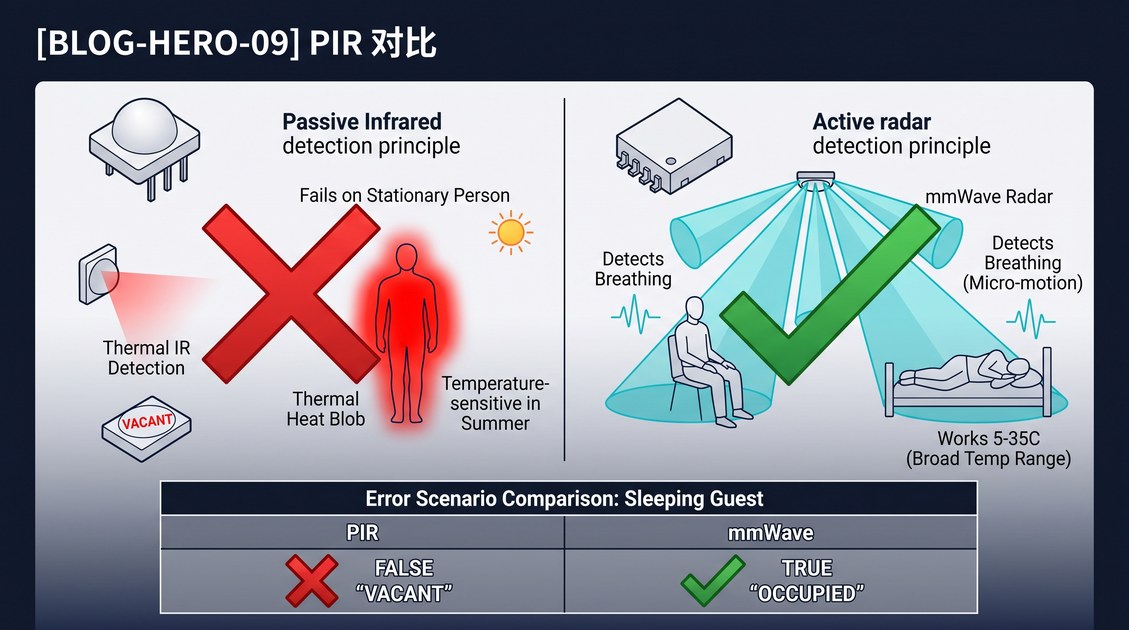
A presence detection sensor is an electronic device that determines whether one or more human occupants are currently present within a defined detection zone, with the capability to detect stationary occupants (not just moving ones), and reports this occupancy state to a downstream automation or monitoring system. Modern presence detection sensors are most commonly based on millimeter-wave (mmWave) radar operating at 60 GHz (57–64 GHz with 7 GHz of bandwidth), which can detect the micro-motion of human breathing at ranges of 6–8 meters with a true positive rate above 99% in controlled testing, but other technologies including passive infrared (PIR) sensors, ultrasonic sensors, and computer vision systems are also used in specific applications. The defining characteristic of a true presence detection sensor — as distinguished from a motion sensor — is the ability to reliably detect a person who is sitting still, lying down, or sleeping, which mmWave radar achieves by sensing the periodic Doppler signature of chest wall motion during breathing. Presence detection sensors are deployed in hotel rooms for housekeeping coordination and energy management, in offices for occupancy-based HVAC and lighting control, in healthcare facilities for fall detection and patient monitoring, in residential smart homes for automated lighting and climate control, and in industrial settings for worker safety and zone monitoring.
Choosing the right presence detection sensor for a given application requires understanding the trade-offs between the available technologies, the performance characteristics of each technology, and the specific requirements of the deployment. This guide provides a comprehensive comparison of the major presence detection technologies, explains the key performance metrics, identifies the use cases where each technology excels, and provides a structured decision framework for selecting the right sensor for a specific application. Whether you are a procurement engineer sourcing sensors in bulk, a solutions architect designing a building automation system, or a homeowner selecting a smart home sensor, this guide will help you make an informed decision.
Presence Detection Sensor: The Four Major Technologies
The presence detection sensor market is dominated by four technologies, each with different physical principles, different performance characteristics, and different ideal use cases. Understanding these technologies and their trade-offs is the foundation for selecting the right sensor for a specific application.
Presence Detection Sensor: mmWave Radar
mmWave radar is now the dominant technology for presence detection sensors in commercial and residential applications. An mmWave radar sensor emits a millimeter-wave signal (typically in the 24 GHz, 60 GHz, or 77 GHz industrial-scientific-medical band) and analyzes the reflected signal to determine the range, velocity, and angular position of objects in the detection zone. The 60 GHz band has become the default for new presence detection sensor designs because it provides 7 GHz of bandwidth (enabling 2.1 cm range resolution) and the 5 mm wavelength (enabling compact antenna arrays).
The key advantage of mmWave radar for presence detection is the ability to detect stationary occupants. The micro-Doppler signature of human breathing — the periodic chest wall motion at 0.2–0.5 Hz — is clearly detectable by a well-designed 60 GHz mmWave radar sensor, enabling true presence detection rather than just motion detection. A mmWave presence detection sensor can reliably determine that a person is in a hotel room even when they are sleeping, that a person is at their desk even when they are working quietly, and that a patient is in their hospital bed even when they are resting.
The disadvantages of mmWave radar for presence detection are the higher cost (compared to PIR) and the more complex installation (requires careful placement to avoid multipath and occlusion). The cost differential has narrowed significantly in recent years as the chipset ecosystem has matured, and a 60 GHz mmWave presence detection sensor is now available for $50–150 at retail, comparable to mid-range smart home devices.
Presence Detection Sensor: Passive Infrared (PIR)
Passive infrared (PIR) sensors are the most widely deployed motion sensors in the world, and they are the lowest-cost option for occupancy detection. A PIR sensor detects the infrared radiation emitted by warm bodies (humans, animals) and triggers when the radiation pattern changes as the body moves across the sensor's field of view. PIR sensors are inexpensive ($0.5–2 at the component level, $10–30 at retail), consume very little power (can run for years on a coin cell), and are easy to install (typically wall or ceiling mounted, with adhesive or screws).
The fundamental limitation of a PIR presence detection sensor is that it can only detect motion, not presence. A stationary person emits infrared radiation but does not change the radiation pattern across the sensor's field of view, so the PIR sensor reports no motion. A PIR-based "presence detection sensor" is therefore a misnomer: it is a motion sensor that can be used to infer presence only when the motion is recent. In practical terms, a PIR sensor in a hotel room will report "no motion" within 10–30 minutes after the last movement, even if the room is occupied by a sleeping guest.
For applications where motion-based presence inference is acceptable (e.g., a stairwell vacancy sensor that turns off the lights after 10 minutes of no motion, a security alarm that triggers on motion), PIR remains a cost-effective choice. For applications where true presence detection is required (hotel room housekeeping coordination, office occupancy-based HVAC, healthcare fall detection), a mmWave radar presence detection sensor is the right choice.
Presence Detection Sensor: Ultrasonic
Ultrasonic sensors emit high-frequency sound waves (typically 40–200 kHz) and analyze the reflected signal to detect objects in the detection zone. An ultrasonic presence detection sensor can detect the presence of objects (including humans) by sensing the change in the standing wave pattern of the room, and can detect motion by sensing the Doppler shift in the reflected signal.
The key advantage of ultrasonic sensors for presence detection is the ability to detect objects that are not in the line of sight of the sensor (the sound waves can reflect around obstacles). The key disadvantage is the limited accuracy in distinguishing humans from other objects, and the inability to reliably detect stationary humans (the Doppler principle requires motion). Ultrasonic presence detection sensors are therefore typically used in applications where motion is the primary signal and where the environment is constrained (e.g., bathroom vacancy sensors, garage door sensors).
Presence Detection Sensor: Computer Vision
Computer vision sensors use a camera and on-device image processing to detect and count people in the field of view. A vision-based presence detection sensor can deliver the highest accuracy in terms of person counting and activity recognition, but it raises significant privacy concerns in many applications. The GDPR and CCPA implications of capturing image data in a private space are severe, and most presence detection sensor deployments in private spaces (hotel rooms, residential homes, healthcare patient rooms) explicitly avoid camera-based designs for this reason.
Computer vision presence detection sensors are commonly used in retail analytics (counting shoppers, analyzing dwell time), in public space occupancy monitoring (counting people in airports, convention centers), and in security applications (detecting intruders, identifying persons of interest). For these applications, the privacy concerns are addressed through clear signage, on-device processing that does not retain images, and aggregation of data to a level where individual identification is not possible.
| Technology | Detection type | Stationary occupant | Privacy | Cost (retail) | Best for |
|---|---|---|---|---|---|
| mmWave radar (60 GHz) | Active radio wave | Yes (breathing) | Excellent | $50–150 | Default for most applications |
| PIR | Passive thermal | No (motion only) | Excellent | $10–30 | Budget, motion-only |
| Ultrasonic | Active sound wave | Poor (Doppler) | Excellent | $20–50 | Constrained environments |
| Computer vision | Active imaging | Yes (highest accuracy) | Fair (with anonymization) | $100–300 | Retail, public spaces, security |
Presence Detection Sensor: Key Performance Metrics
The performance of a presence detection sensor is characterized by several key metrics, and understanding these metrics is essential for selecting the right sensor for a specific application. The following sections describe the most important metrics and the typical values for each technology.
Presence Detection Sensor: Stationary-Occupant True Positive Rate
The stationary-occupant true positive rate (TPR) is the percentage of time that a stationary human occupant is correctly reported as present. This is the single most important metric for any application where the occupant may be still for extended periods. Typical values for the major technologies:
- mmWave radar (60 GHz): 99%+ in controlled testing, 95%+ in real-world deployment
- mmWave radar (24 GHz): 85–92% in controlled testing, 75–88% in real-world deployment
- PIR: 0% (cannot detect stationary occupants)
- Ultrasonic: 30–50% (limited Doppler sensitivity for stationary humans)
- Computer vision: 95–99% (depending on lighting conditions and camera placement)
A presence detection sensor with a stationary-occupant TPR below 95% is generally not suitable for applications where stationary occupant detection is the primary requirement (hotel rooms, bedrooms, offices, healthcare patient rooms).
Presence Detection Sensor: False Positive Rate
The false positive rate (FPR) is the percentage of time the sensor reports presence when the room is actually empty. Typical values for the major technologies:
- mmWave radar (60 GHz): <1% over a 24-hour period in a typical indoor environment
- PIR: 0.5–2% (HVAC-induced false triggers, sunlight reflections)
- Ultrasonic: 2–5% (HVAC-induced false triggers, sound reflections)
- Computer vision: <0.5% (depending on lighting conditions)
A presence detection sensor with a high false positive rate will cause the downstream automation to activate when the room is empty, wasting energy and degrading user experience. For energy management applications, a false positive rate below 1% is essential.
Presence Detection Sensor: Detection Latency
The detection latency is the time between an occupant entering the detection zone and the sensor reporting the change. Typical values for the major technologies:
- mmWave radar (60 GHz): 0.5–3 seconds (depending on duty cycle)
- PIR: <1 second (PIR is inherently fast)
- Ultrasonic: <1 second
- Computer vision: 0.1–1 second (depending on processing pipeline)
For most applications (HVAC control, lighting control, housekeeping coordination), a detection latency of 1–3 seconds is acceptable. For security applications where sub-second response is critical, a PIR or computer vision sensor may be preferred over a duty-cycled mmWave sensor.
Presence Detection Sensor: Detection Range
The detection range is the maximum distance at which a human occupant is reliably detected. Typical values for the major technologies:
- mmWave radar (60 GHz): 8–12 m for moving occupants, 6–8 m for stationary occupants
- mmWave radar (24 GHz): 20–30 m for moving occupants, 10–15 m for stationary occupants
- PIR: 5–12 m (line of sight)
- Ultrasonic: 3–8 m
- Computer vision: 5–20 m (depending on lens and resolution)
For a ceiling-mounted presence detection sensor in a hotel room, office, or residential room, a detection range of 6–8 m is typically sufficient. For a wall-mounted corridor sensor, a range of 10–15 m may be preferred.
Presence Detection Sensor: Field of View
The field of view (FOV) is the angular range over which the sensor can detect occupants. Typical values for the major technologies:
- mmWave radar (60 GHz): ±60° azimuth, ±40° elevation (with a 3×3 MIMO antenna)
- mmWave radar (24 GHz): ±40° azimuth, ±30° elevation (with a 2×2 MIMO antenna)
- PIR: wide, lens-dependent (typically ±60° to ±120°)
- Ultrasonic: narrow, transducer-dependent (typically ±20° to ±40°)
- Computer vision: depends on lens (typically ±30° to ±90°)
For a ceiling-mounted presence detection sensor that needs to cover an entire room, a wide FOV (≥±60° azimuth) is preferred. For a wall-mounted corridor sensor, a narrow FOV may be preferred to focus the detection on the corridor and avoid false triggers from adjacent rooms.
Presence Detection Sensor: Application-Specific Selection Criteria
The right presence detection sensor for a given application depends on the specific requirements of that application, including the size of the detection zone, the expected occupant behavior, the environmental conditions, the privacy requirements, and the budget. The following sections describe the selection criteria for the major application categories.
Presence Detection Sensor: Hotel Rooms
Hotel rooms are the canonical application for mmWave radar presence detection sensors. The key requirements are:
- Stationary-occupant detection: a sleeping guest must be detected as present throughout the night. This requires a 60 GHz mmWave radar sensor with a stationary-occupant TPR above 95%.
- Privacy: a hotel room is a private space, and the sensor must not capture any image data. This rules out computer vision sensors and limits the use of ultrasonic sensors (which are perceived as privacy-friendly but are less accurate).
- Form factor: the sensor should be unobtrusive in a hotel room ceiling. A 70 mm diameter ceiling puck is typical.
- Connectivity: the sensor should integrate with the building management system (BMS) via Zigbee, WiFi, or BACnet.
- Reliability: the sensor should have a low field failure rate (<0.5% per year) and a long operational life (5+ years).
The recommended technology for hotel room presence detection is 60 GHz mmWave radar, ceiling-mounted, with Zigbee or WiFi connectivity. The recommended product is a ceiling-presence-sensor-zigbee or ceiling-presence-sensor-wifi.
Presence Detection Sensor: Offices and Commercial Spaces
Office and commercial space applications have similar requirements to hotel rooms, but with some differences:
- Multi-occupant detection: an office conference room may have 5–20 occupants, and the sensor may be used for occupancy counting. A 60 GHz mmWave radar sensor with a 3×3 MIMO antenna can resolve 3–5 occupants; a 77 GHz sensor can resolve 5–8 occupants.
- Integration with scheduling: the sensor should integrate with the office scheduling platform (Microsoft 365, Google Workspace, Robin, Envoy, Teem) to provide real-time room availability.
- HVAC and lighting control: the sensor should drive occupancy-based HVAC and lighting control, with the goal of reducing energy consumption by 20–40% in conference rooms.
The recommended technology for office presence detection is 60 GHz mmWave radar, ceiling-mounted or wall-mounted, with WiFi or PoE connectivity. For large conference rooms (10+ occupants), multiple sensors may be needed.
Presence Detection Sensor: Healthcare and Assisted Living
Healthcare and assisted living applications have the most demanding accuracy and reliability requirements, because a missed detection can have direct patient safety consequences. The key requirements are:
- Fall detection: the sensor should detect a fall within 1 second of the event. This requires a fast duty cycle and a high signal-to-noise ratio.
- Bed-exit alerting: the sensor should detect when a patient leaves their bed and should alert the nursing staff. This requires reliable detection of both the patient in the bed and the patient moving away from the bed.
- Privacy: a hospital room or assisted living room is a private space, and the sensor must not capture any image data. mmWave radar is the only technology that meets both the accuracy and privacy requirements.
- Reliability: the sensor should have a very low false negative rate (<0.1% for fall detection) and should be operational 24/7 without requiring maintenance.
The recommended technology for healthcare presence detection is 60 GHz mmWave radar, ceiling-mounted, with mains power and a fast duty cycle. The sensor should be integrated with the nurse call system and the electronic health record (EHR) system.
Presence Detection Sensor: Residential Smart Home
Residential smart home applications have the most diverse requirements, depending on the specific use case:
- Lighting control: a presence detection sensor in a living room or bedroom should keep the lights on while the occupant is present, even when they are sitting still. A 60 GHz mmWave radar sensor is the right choice for this use case.
- HVAC control: a presence detection sensor can drive occupancy-based HVAC control, reducing energy consumption when the home is empty. A 60 GHz mmWave radar sensor with home automation integration (Matter, Zigbee, Apple HomeKit) is the right choice.
- Security: a presence detection sensor can be used for security monitoring, detecting intruders when the home is supposed to be empty. A 60 GHz mmWave radar sensor with low false positive rate and low false negative rate is the right choice.
- Elderly care: a presence detection sensor can be used for fall detection and activity monitoring in an aging-in-place scenario. A 60 GHz mmWave radar sensor with fall detection capability is the right choice.
The recommended technology for residential smart home presence detection is 60 GHz mmWave radar, ceiling-mounted or wall-mounted, with Matter or Zigbee connectivity. The recommended product is a ceiling-presence-sensor-matter, ceiling-presence-sensor-zigbee, or wall-mount-presence-sensor.
Presence Detection Sensor: Industrial and Warehouse
Industrial and warehouse applications have different requirements from the indoor office and residential applications. The key requirements are:
- Long range: a warehouse sensor may need to detect presence at ranges of 20–30 m. A 24 GHz or 77 GHz mmWave radar sensor is the right choice, with the 77 GHz providing the best balance of range and angular resolution.
- Robustness: the sensor should be robust to dust, temperature variations, and other industrial environmental factors. An IP65-rated sensor is typically required.
- Integration with WMS: the sensor should integrate with the warehouse management system (WMS) to provide real-time occupancy data for zone monitoring and worker safety.
The recommended technology for industrial presence detection is 77 GHz mmWave radar, ceiling-mounted or wall-mounted, with Ethernet or WiFi connectivity.
Presence Detection Sensor: Privacy and Compliance
The privacy and compliance requirements for a presence detection sensor vary by jurisdiction and by application. The key considerations are:
- GDPR (European Union): a presence detection sensor that captures only anonymous occupancy events (without linking the events to identifiable individuals) is generally outside the scope of personal data. The sensor should process all data on-device and should not transmit raw sensor data to the cloud.
- CCPA (California): similar to GDPR, a presence detection sensor that captures only anonymous occupancy events is generally outside the scope of personal information. The sensor should provide a clear data handling policy and should allow consumers to opt out of any data collection.
- HIPAA (United States healthcare): a presence detection sensor in a healthcare facility must implement appropriate technical safeguards to protect patient data. The sensor should process all data on-device and should not transmit any patient-identifiable information.
- SB-327 (California IoT security): a presence detection sensor with Internet or Bluetooth connectivity sold in California must implement "reasonable security features" appropriate to the device. The manufacturer must provide documentation of the security features.
A well-designed presence detection sensor, with on-device processing, data minimization, and clear documentation, can be deployed in most jurisdictions without significant privacy concerns. The procurement team should verify that the sensor vendor provides the necessary privacy controls and documentation for the target market.
Presence Detection Sensor: Connectivity and Integration
The connectivity of a presence detection sensor determines how it integrates with the downstream automation system. The major connectivity options are:
- Zigbee: low-power, mesh-networking protocol common in commercial and residential automation. A Zigbee-connected presence detection sensor can be powered by battery or by mains, and can communicate via a Zigbee coordinator.
- WiFi: high-bandwidth protocol common in residential and office environments. A WiFi-connected presence detection sensor typically requires mains power.
- Matter: emerging smart home standard built on Thread (which is based on IEEE 802.15.4 like Zigbee). A Matter-connected presence detection sensor can be integrated with any Matter-compatible smart home ecosystem.
- BACnet/IP or Modbus TCP: industrial protocols common in commercial building automation. A BACnet-connected presence detection sensor integrates directly with the building management system.
- LoRaWAN: long-range, low-power protocol common in industrial and outdoor applications. A LoRaWAN-connected presence detection sensor can be deployed in locations without WiFi or Zigbee coverage.
The choice of connectivity depends on the existing infrastructure in the deployment environment, the integration requirements with the downstream system, and the power budget. For a hotel or office deployment, Zigbee or WiFi is the most common choice. For a residential smart home, Matter or Zigbee is the most common choice. For an industrial deployment, LoRaWAN or BACnet is the most common choice.
Presence Detection Sensor: Installation Best Practices
The performance of a presence detection sensor in real-world deployment depends not only on the sensor's specifications but also on the installation. The most common installation mistakes are incorrect mounting location, incorrect height, incorrect orientation, and interference from nearby objects or other sensors. The following best practices should be followed for any presence detection sensor installation.
Presence Detection Sensor: Mounting Location
The mounting location of a presence detection sensor determines the field of view and the detection range. For a ceiling-mounted sensor, the recommended mounting height is 2.5–3.0 m, with the sensor centered in the room and oriented to provide full coverage of the detection zone. For a wall-mounted sensor, the recommended mounting height is 1.5–2.0 m, with the sensor oriented to cover the expected occupant position.
A common installation mistake is to mount the sensor too close to a wall, which can create a dead zone in the field of view. Another common mistake is to mount the sensor near a metal object, which can reflect the radar signal and create false detections. The recommended minimum distance from walls and metal objects is 0.5 m for a ceiling-mounted sensor.
Presence Detection Sensor: Avoiding Interference
In a multi-sensor deployment, presence detection sensors can interfere with each other if they are mounted too close together and operate on overlapping frequency channels. The recommended minimum spacing between ceiling-mounted 60 GHz presence detection sensors is 2.5–3.0 m, depending on the mounting height and the desired field of view overlap.
Other sources of interference to be aware of include HVAC ducts and grilles, metal furniture and fixtures, glass and mirrors, and other wireless devices operating in the same frequency band. The sensor should be tested in its actual mounting position to verify the field of view and to identify any interference sources.
Presence Detection Sensor: Calibration and Commissioning
Most modern presence detection sensors are designed to be self-calibrating, meaning that they learn the background signature of the room during the first few hours of operation and use this as a baseline for occupancy detection. However, some commissioning is still required: the sensor's detection zone should be verified by walking through the room and confirming that the sensor reports presence in all expected locations, and the sensor's integration with the downstream automation system should be verified by triggering occupancy events and confirming that the system responds correctly.
Presence Detection Sensor: Procurement Checklist
For a procurement team selecting a presence detection sensor, the following checklist distills the decision framework above into a actionable procurement process:
- Define the application requirements: detection range, stationary-occupant detection requirement, multi-occupant counting requirement, field of view, power budget, integration requirements.
- Select the technology: 60 GHz mmWave radar is the default for most applications; 24 GHz for cost-sensitive motion-only applications; 77 GHz for long-range industrial applications; PIR for budget motion-only applications.
- Determine the connectivity: Zigbee, WiFi, Matter, BACnet, or LoRaWAN, depending on the existing infrastructure and the integration requirements.
- Verify certifications: FCC, CE, RoHS, and any industry-specific certifications required for the target market.
- Evaluate suppliers: technical capability, manufacturing quality, supply chain resilience, and commercial terms.
- Request independent test data: stationary-occupant TPR, FPR, detection latency, and range.
- Plan the installation: sensor placement, mounting method, power source, and commissioning process.
- Negotiate commercial terms: price volume curve, payment terms, warranty, and post-sales support.
Presence Detection Sensor: Future Trends
The presence detection sensor market is in a rapid growth phase, driven by the increasing demand for accurate occupancy data in commercial, residential, and industrial applications. Several trends are worth tracking for any organization planning a presence detection sensor deployment in 2026 and beyond.
Presence Detection Sensor: Chipset Integration and Cost Reduction
The increasing integration of mmWave transceivers into single-chip solutions is reducing the bill of materials cost of a presence detection sensor and enabling smaller form factors. The per-chip cost of 60 GHz mmWave has fallen from $30–50 in 2020 to $2–4 in 2026, and is expected to continue falling as the chipset ecosystem matures and production volumes increase.
Presence Detection Sensor: On-Device Machine Learning
The increasing use of on-device machine learning inference is improving detection accuracy and enabling new capabilities (activity recognition, fall detection, gait analysis). A modern presence detection sensor can run a small neural network locally to classify occupancy events, which reduces the data transmitted to the cloud and improves detection accuracy in challenging environments.
Presence Detection Sensor: Multi-Sensor Convergence
The convergence of the presence detection sensor with other in-room sensing modalities (CO₂, light, temperature/humidity, acoustic) is reducing the per-room cost of a comprehensive sensing stack and enabling new applications. The major hotel chains, office operators, and smart home platforms are increasingly specifying these multi-sensor devices.
Presence Detection Sensor: Final Recommendation
A presence detection sensor is an essential component of any modern building automation, smart home, or industrial monitoring system, providing the data needed to drive occupancy-based HVAC and lighting control, to enable space utilization analytics, and to support safety and security applications. The default technology choice for most applications is a 60 GHz mmWave radar sensor, which provides reliable stationary-occupant detection, an excellent privacy profile, and a compact form factor. The sensor should be selected based on the specific requirements of the application, the existing infrastructure, and the integration needs of the downstream system.
For a procurement team, the right approach is to start with a clear definition of the application requirements, then evaluate the available technologies against those requirements, then select a vendor that can provide a high-quality product with the necessary certifications and the right commercial terms. With the right sensor, the right installation, and the right integration, a presence detection sensor deployment can deliver significant value in terms of energy savings, occupant comfort, and operational insights.
Not sure which sensor fits your project?
Talk to our mmWave application engineers for a free consultation.
Find the right presence sensor for your hotel project
Compare the 3 protocols, check hotel-specific case studies, and download the installation guide
Related products
3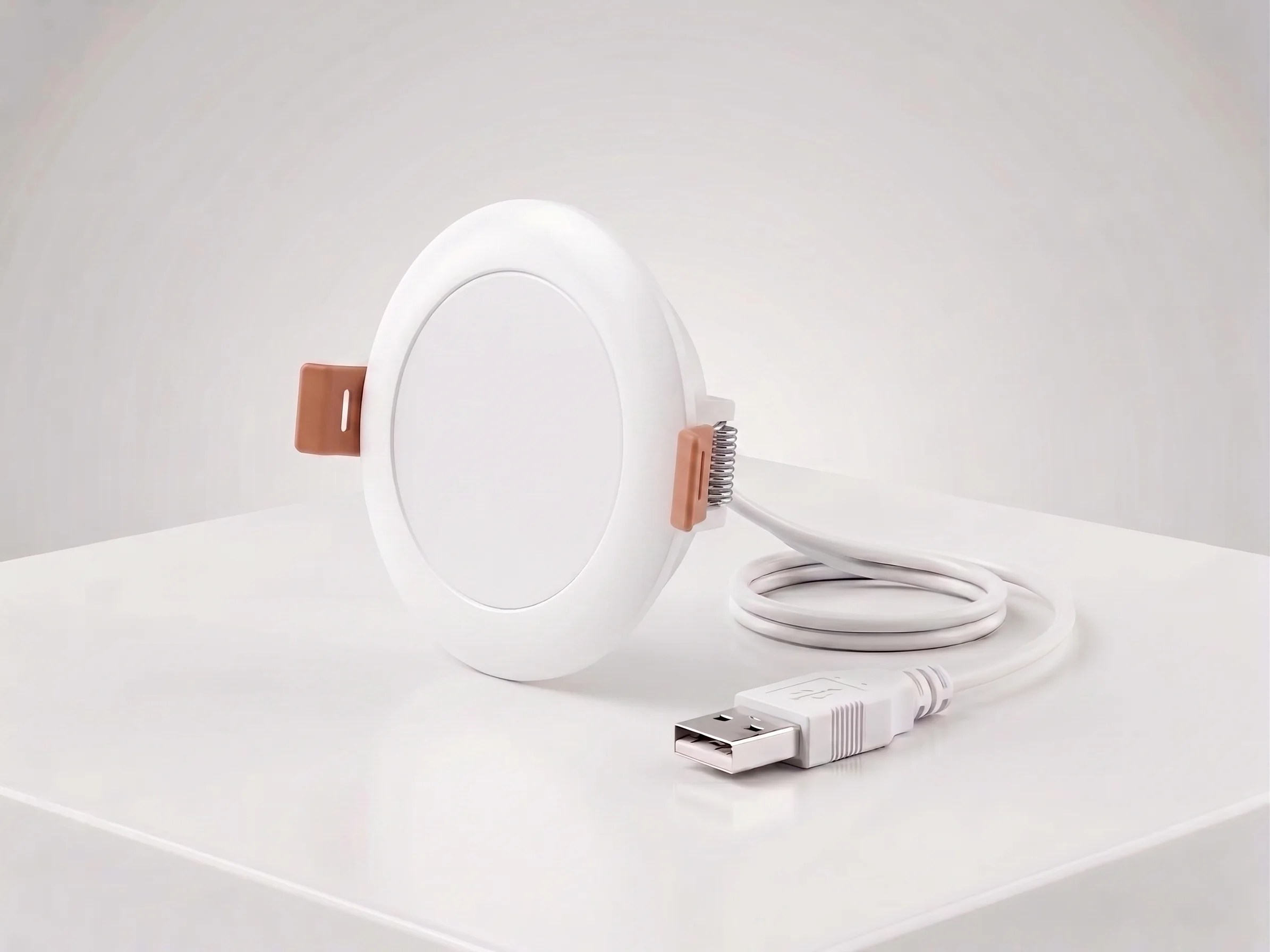
Ceiling Mount mmWave Human Presence Sensor — Zigbee
24GHz wideband mmWave ceiling presence sensor with 10m motion detection, 2.5m micro-motion, and breathing detection. 120° field, DC5V, Zigbee 3.0. For hotel room occupancy and commercial automation.
This page already points to it as the next recommended reference.
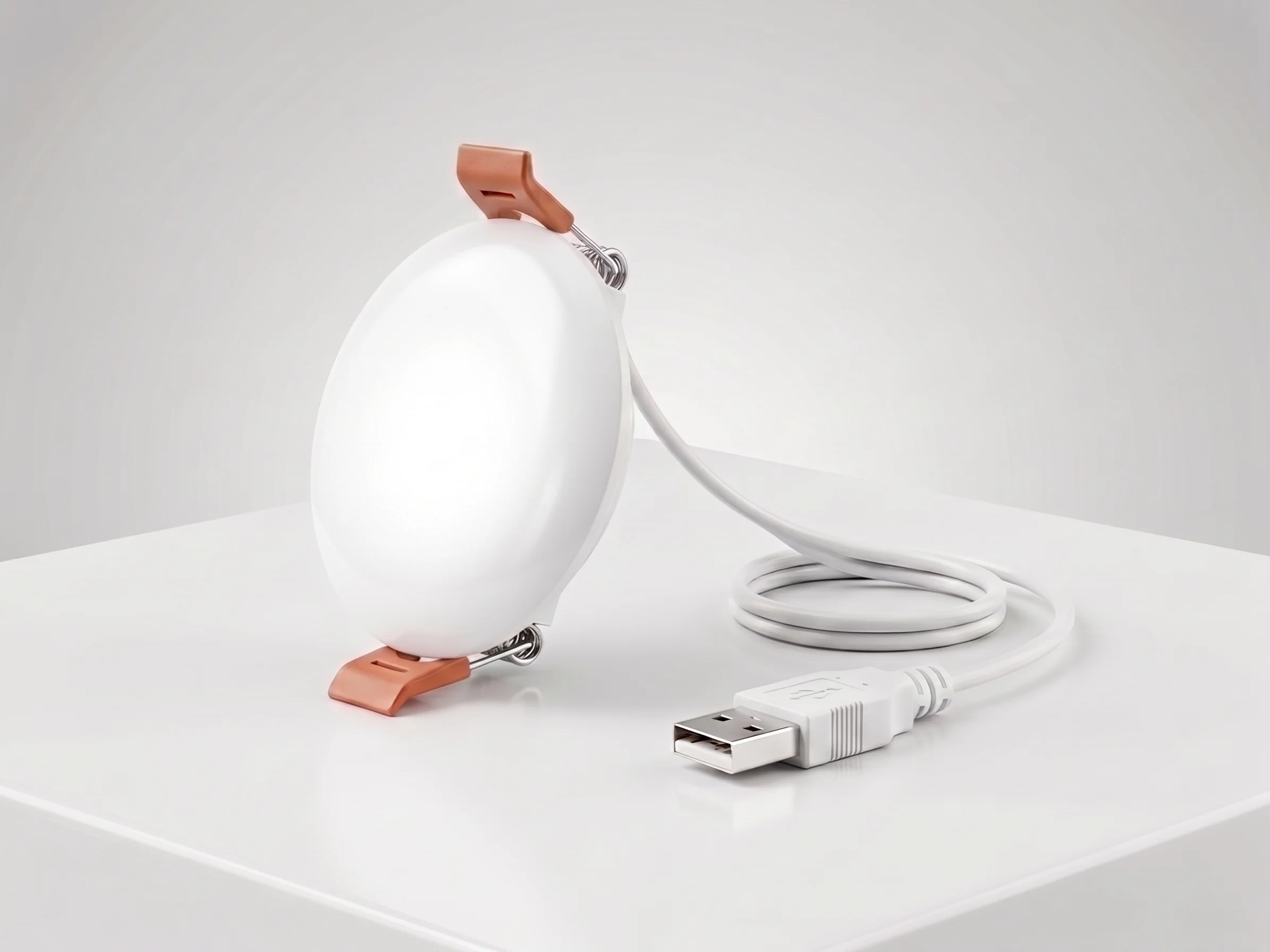
Ceiling Mount mmWave Human Presence Sensor — WiFi
24GHz wideband mmWave ceiling presence sensor with 10m motion detection, 2.5m micro-motion, and breathing detection. 120° field, DC5V, WiFi 2.4GHz. No gateway required for retrofit hotel and apartment projects.
This page already points to it as the next recommended reference.
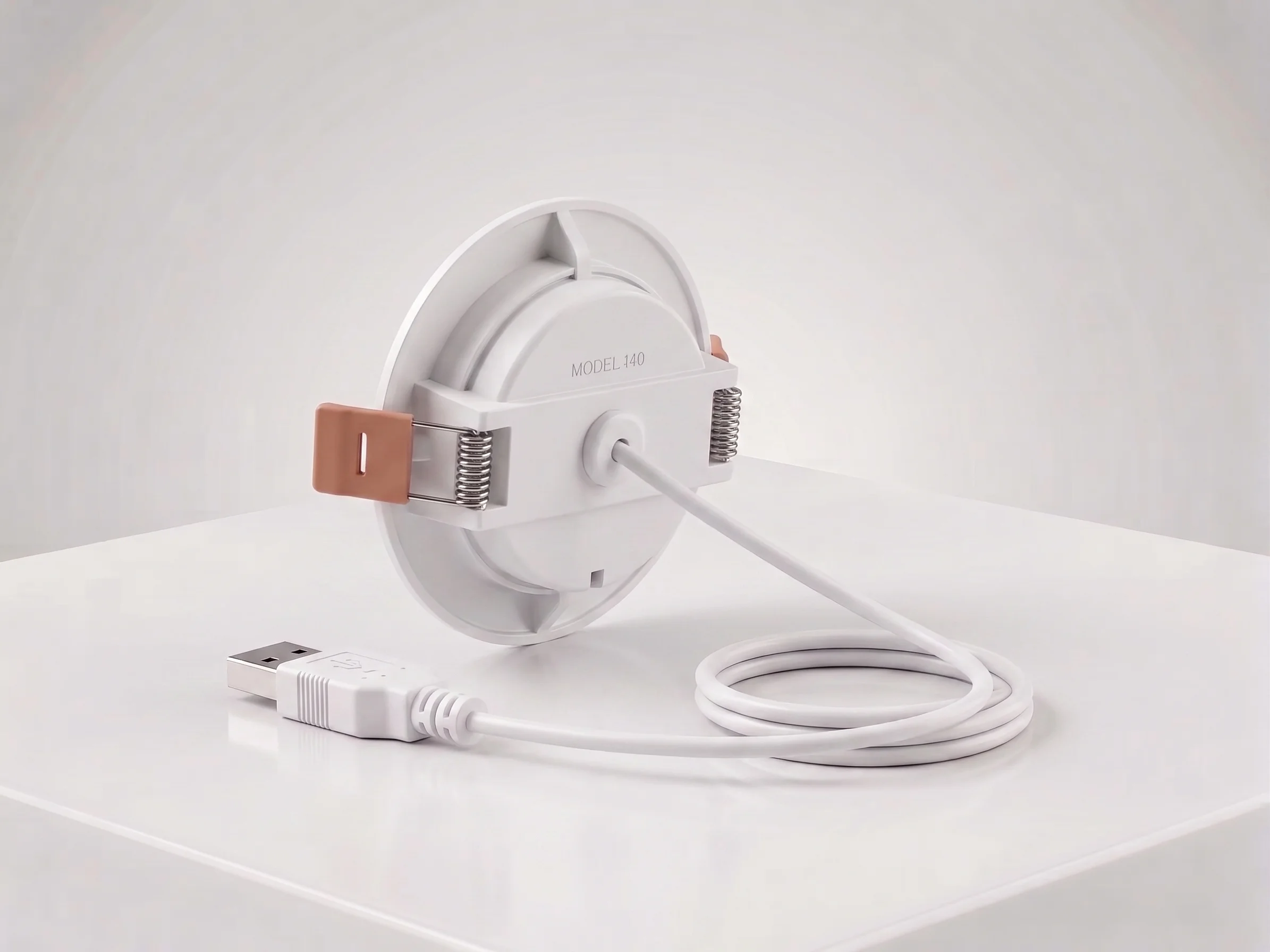
Ceiling Mount mmWave Human Presence Sensor — Matter over Thread
24GHz wideband mmWave ceiling presence sensor with 10m motion, 2.5m micro-motion, and breathing detection. 120° field, DC5V, Matter over Thread. Works natively with Apple Home, Google Home, and Alexa.
This page already points to it as the next recommended reference.
Related solutions
1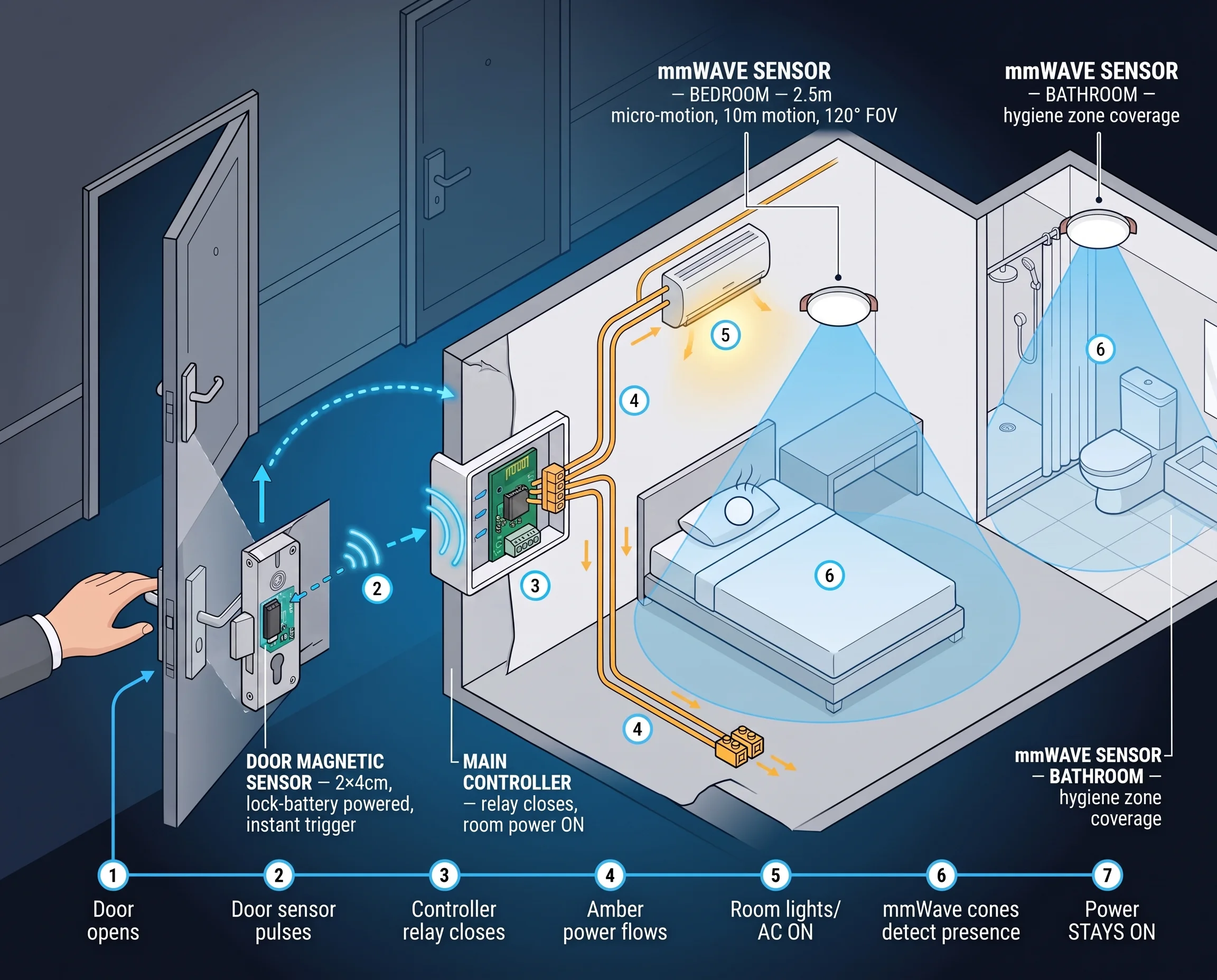
Hotel Room Occupancy & Motion Sensor Solution
mmWave radar presence sensors for hotel room occupancy, housekeeping scheduling, and HVAC energy saving. Detect true occupancy — even when the guest is asleep — with our ceiling-mount hotel room motion sensor.
It supports the same product context: Ceiling Mount mmWave Human Presence Sensor — Zigbee, Ceiling Mount mmWave Human Presence Sensor — WiFi, Ceiling Mount mmWave Human Presence Sensor — Matter over Thread.
Related blog posts
3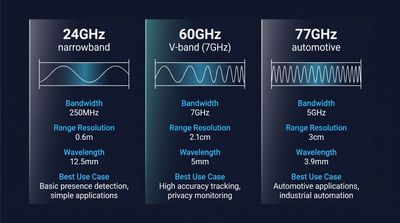
60GHz vs 24GHz vs 77GHz mmWave Sensors: Choosing the Right Frequency for Commercial Presence Detection
Compare 60GHz, 24GHz, and 77GHz mmWave sensors for commercial presence detection. Technical specs, detection range, privacy, and OEM sourcing guidance.
It supports the same product context: Ceiling Mount mmWave Human Presence Sensor — Zigbee, Ceiling Mount mmWave Human Presence Sensor — WiFi.
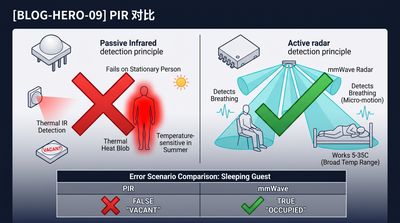
What Is an Electronic Presence Sensor? Technology, Accuracy, and How It Differs From a Motion Sensor
Learn what an electronic presence sensor is, how it detects stationary humans, and how it differs from a PIR motion sensor. Covers mmWave, accuracy, and use cases.
It supports the same product context: Ceiling Mount mmWave Human Presence Sensor — Zigbee, Ceiling Mount mmWave Human Presence Sensor — WiFi, Ceiling Mount mmWave Human Presence Sensor — Matter over Thread.
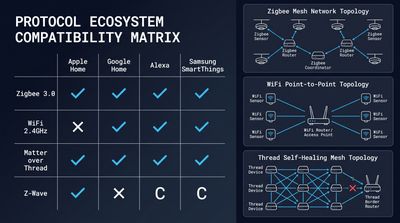
How to Integrate mmWave Presence Sensors With Home Assistant (Local Control Guide)
Step-by-step local control setup guide for mmWave devices, covering MQTT/Matter config, automation scripts, calibration and OEM ceiling presence sensor integration tips.
It supports the same product context: Ceiling Mount mmWave Human Presence Sensor — Matter over Thread, Ceiling Mount mmWave Human Presence Sensor — WiFi, Ceiling Mount mmWave Human Presence Sensor — Zigbee, Wall Mount mmWave Human Presence Sensor.
Specify your hotel project with our engineers
Send your room count, ceiling type, and protocol preference. We will return a sample plan and quote within 24 business hours.
- Move from general guidance into a product or application discussion.
- Use RFQ when pricing, drawings, MOQ, or launch timing needs structure.
- Keep a direct contact path visible for fast clarifications and handoff.