Sensor Presensi Nirkabel: Panduan Deteksi Okupansi 2026
Panduan lengkap sensor presensi nirkabel. Pelajari pilihan WiFi, Zigbee, Matter, dan Bluetooth, serta cara memilih sensor presensi nirkabel yang tepat.
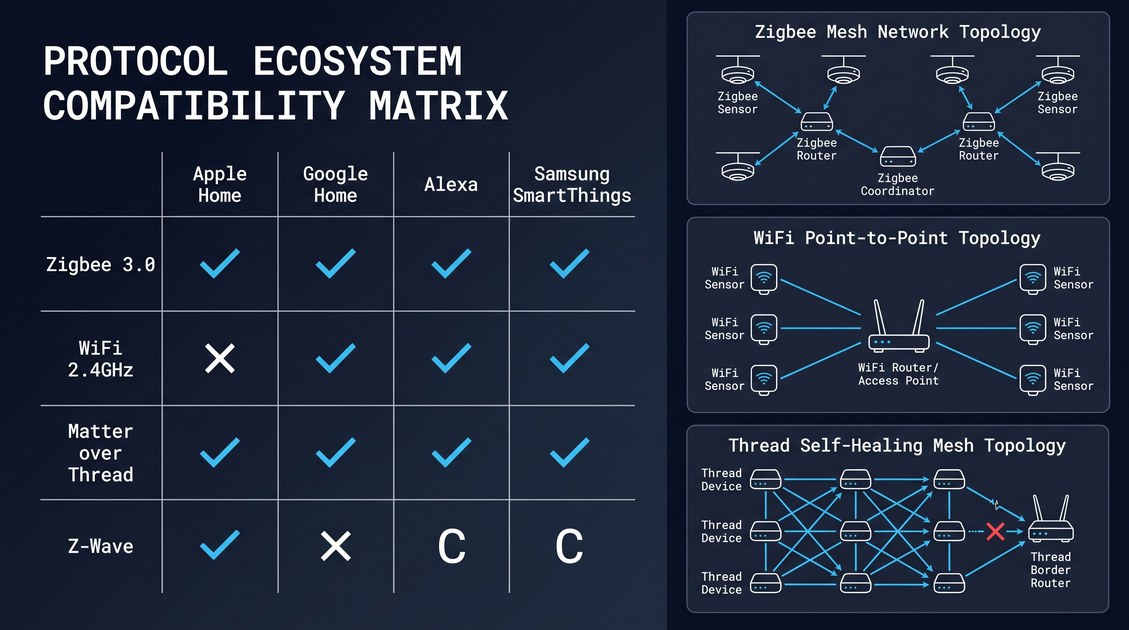
Sensor presensi nirkabel adalah perangkat deteksi presensi yang menggunakan teknologi radar gelombang milimeter (mmWave) pada 60 GHz (57–64 GHz) dengan bandwidth 7 GHz, dikombinasikan dengan konektivitas nirkabel (WiFi, Zigbee, Matter, atau Bluetooth), untuk mendeteksi penghuni manusia yang bergerak maupun yang diam dan mengirimkan data okupansi melalui jaringan nirkabel ke sistem otomasi di hilir. Sensor presensi nirkabel telah menjadi bentuk dominan untuk deteksi presensi komersial, menggantikan sensor berkabel di sebagian besar penerapan baru, karena menghilangkan kebutuhan penarikan kabel baru ke setiap lokasi sensor. Komponen radar mmWave mendeteksi penghuni manusia yang bergerak maupun yang diam dengan merasakan tanda mikro-Doppler dari pernapasan manusia pada 0,2–0,5 Hz dari jarak 6–8 meter, mencapai tingkat true positive penghuni statis di atas 99% dalam pengujian terkontrol dan di atas 95% dalam penerapan nyata. Komponen nirkabel memberikan integrasi yang fleksibel dengan infrastruktur jaringan yang ada, dengan pilihan WiFi, Zigbee, Matter, atau Bluetooth sesuai kebutuhan aplikasi.
Panduan ini memberikan gambaran menyeluruh tentang sensor presensi nirkabel, mencakup pilihan konektivitas nirkabel, pola penerapan, pertimbangan integrasi, serta kriteria pemilihan sensor presensi nirkabel yang tepat untuk aplikasi tertentu.
Sensor Presensi Nirkabel: Pilihan Konektivitas
Pasar sensor presensi nirkabel menawarkan empat pilihan konektivitas nirkabel utama.
Sensor Presensi Nirkabel: WiFi
WiFi (IEEE 802.11 b/g/n/ac/ax) adalah konektivitas nirkabel yang paling umum untuk penerapan rumah pintar residensial dan kantor. Keunggulan WiFi meliputi ketersediaan infrastruktur WiFi yang luas di sebagian besar kantor dan rumah, bandwidth yang tinggi, serta integrasi yang mudah dengan sistem IT yang ada. Kekurangannya meliputi konsumsi daya yang lebih tinggi (dibandingkan Zigbee atau Bluetooth), yang membatasi umur baterai hanya beberapa bulan untuk penerapan bertenaga baterai.
Sensor Presensi Nirkabel: Zigbee
Zigbee (IEEE 802.15.4) adalah konektivitas nirkabel yang paling umum untuk penerapan hotel dan beberapa platform rumah pintar. Keunggulan Zigbee meliputi konsumsi daya yang rendah (yang memungkinkan penerapan bertenaga baterai dengan umur baterai 12–18 bulan), kemampuan jaringan mesh (yang memberikan redundansi dan jangkauan yang diperluas), serta integrasi native dengan sistem manajemen gedung utama. Kekurangannya meliputi kebutuhan akan koordinator (gateway) Zigbee dan bandwidth yang lebih rendah dibandingkan WiFi.
Sensor Presensi Nirkabel: Matter
Matter adalah standar rumah pintar yang sedang berkembang, dibangun di atas protokol Thread (yang berbasis IEEE 802.15.4 seperti Zigbee). Keunggulan Matter meliputi kompatibilitas lintas ekosistem (Apple HomeKit, Amazon Alexa, Google Home, Samsung SmartThings) dan dukungan industri yang kuat. Kekurangannya meliputi kematangan ekosistem yang masih relatif rendah dan ketersediaan produk yang terbatas hingga tahun 2026.
Sensor Presensi Nirkabel: Bluetooth
Bluetooth (Bluetooth Low Energy, atau BLE) digunakan untuk beberapa aplikasi jarak dekat, khususnya untuk provisioning awal dan konfigurasi perangkat nirkabel lainnya. Bluetooth tidak umum digunakan sebagai konektivitas nirkabel utama untuk sensor presensi nirkabel karena jangkauan yang terbatas (umumnya 10–30 m) dan kebutuhan akan gateway Bluetooth.
Sensor Presensi Nirkabel: Pola Penerapan
Sensor presensi nirkabel diterapkan dalam berbagai pola, bergantung pada infrastruktur yang ada dan kebutuhan aplikasi.
Sensor Presensi Nirkabel: Penerapan Hotel
Untuk penerapan hotel, sensor presensi nirkabel biasanya dipasang di langit-langit setiap kamar dan terhubung melalui Zigbee ke gateway Zigbee yang menjembatani ke sistem manajemen gedung. Sensor ditenagai dari jaringan listrik dan dipasang saat konstruksi atau renovasi kamar.
Jaringan mesh Zigbee memberikan redundansi dan jangkauan yang diperluas, dengan setiap sensor mampu meneruskan pesan melalui tetangganya. Jaringan Zigbee umumnya mendukung 50–100 sensor per gateway, dengan latensi 0,5–3 detik agar data okupansi mencapai gateway.
Sensor Presensi Nirkabel: Penerapan Kantor
Untuk penerapan kantor, sensor presensi nirkabel biasanya dipasang di langit-langit setiap ruang kantor, ruang rapat, dan area open-plan, serta terhubung melalui WiFi ke infrastruktur WiFi yang sudah ada di kantor. Sensor ditenagai melalui PoE atau jaringan listrik, dan terintegrasi dengan sistem manajemen gedung serta platform penjadwalan.
Jaringan WiFi menyediakan bandwidth tinggi yang dibutuhkan untuk pembaruan firmware maupun integrasi dengan sistem manajemen gedung, tetapi mengharuskan kantor memiliki cakupan WiFi yang memadai di area penerapan.
Sensor Presensi Nirkabel: Penerapan Residensial
Untuk penerapan residensial, sensor presensi nirkabel biasanya dipasang di langit-langit ruang keluarga, kamar tidur, dan lorong, serta terhubung melalui WiFi, Zigbee, atau Matter ke platform rumah pintar di rumah. Sensor ditenagai dari jaringan listrik (melalui adaptor daya USB) dan dikonfigurasi melalui aplikasi seluler.
Pilihan antara WiFi, Zigbee, dan Matter bergantung pada platform rumah pintar yang ada dan kebutuhan integrasi. Untuk rumah dengan platform rumah pintar yang kompatibel dengan Matter, Matter adalah pilihan yang direkomendasikan agar tahan menghadapi masa depan. Untuk rumah dengan platform rumah pintar berbasis Zigbee (SmartThings, Home Assistant, Hubitat), Zigbee adalah pilihan yang direkomendasikan. Untuk rumah tanpa platform rumah pintar, WiFi adalah pilihan paling sederhana.
Sensor Presensi Nirkabel: Pertimbangan Integrasi
Integrasi sensor presensi nirkabel dengan sistem otomasi di hilir memerlukan pertimbangan beberapa faktor.
Sensor Presensi Nirkabel: Kebutuhan Jaringan
Sensor presensi nirkabel memerlukan jaringan nirkabel yang stabil dengan cakupan yang memadai di area penerapan. Kekuatan sinyal di lokasi sensor harus cukup untuk komunikasi yang andal. Jika cakupan jaringan tidak memadai, mungkin diperlukan pemancar jangkauan tambahan (extender) atau jaringan mesh.
Sensor Presensi Nirkabel: Pilihan Daya
Sensor presensi nirkabel umumnya ditenagai dari jaringan listrik (melalui adaptor daya atau kotak persambungan) atau melalui PoE (untuk penerapan kantor). Sensor presensi nirkabel bertenaga baterai lebih jarang digunakan karena sebagian besar radio nirkabel mengonsumsi daya lebih besar daripada radar mmWave, sehingga membatasi umur baterai hanya beberapa bulan pada siklus kerja tipikal.
Sensor Presensi Nirkabel: Keamanan
Sensor presensi nirkabel harus terhubung ke jaringan nirkabel yang aman dengan enkripsi yang sesuai (WPA2/WPA3 untuk WiFi, AES-128 untuk Zigbee). Sensor harus mendukung pembaruan firmware yang aman, dengan firmware yang ditandatangani oleh pabrikan dan diverifikasi sebelum pemasangan.
Sensor Presensi Nirkabel: Kriteria Pemilihan
Memilih sensor presensi nirkabel yang tepat untuk aplikasi tertentu memerlukan evaluasi beberapa kriteria.
Sensor Presensi Nirkabel: Pilihan Konektivitas
Keputusan pertama adalah konektivitas nirkabel. Pilihannya bergantung pada infrastruktur yang ada dan kebutuhan aplikasi:
- WiFi: untuk penerapan kantor dan residensial yang sudah memiliki WiFi
- Zigbee: untuk penerapan hotel dan platform rumah pintar dengan hub Zigbee
- Matter: untuk penerapan residensial dengan platform rumah pintar yang kompatibel dengan Matter
- Bluetooth: untuk aplikasi jarak dekat atau provisioning awal
Sensor Presensi Nirkabel: Performa Deteksi
Performa deteksi adalah kriteria terpenting. Metrik utamanya meliputi TPR penghuni statis (di atas 99% dalam pengujian terkontrol, di atas 95% dalam penerapan nyata), FPR (di bawah 1% dalam periode 24 jam), jangkauan deteksi (6–8 m untuk penghuni statis, 8–12 m untuk penghuni yang bergerak), dan latensi deteksi (di bawah 3 detik).
Sensor Presensi Nirkabel: Bentuk Fisik
Untuk sebagian besar aplikasi, sensor pasang langit-langit (puck langit-langit berdiameter 70 mm) adalah pilihan yang tepat. Untuk koridor dan area masuk, sensor pasang dinding mungkin lebih disarankan.
Sensor Presensi Nirkabel: Sertifikasi
Sensor presensi nirkabel harus memiliki sertifikasi yang diperlukan untuk pasar target: FCC, CE, RoHS, dan sertifikasi regional lainnya.
Sensor Presensi Nirkabel: Produk yang Direkomendasikan
Produk yang direkomendasikan untuk penerapan sensor presensi nirkabel adalah ceiling-presence-sensor-zigbee, ceiling-presence-sensor-wifi, dan ceiling-presence-sensor-matter, yang menyediakan deteksi radar mmWave lebar pita 24GHz, beragam pilihan konektivitas, sertifikasi lengkap (CE, FCC, RoHS), serta keluaran sinyal okupansi ke BMS dan platform rumah pintar.
Untuk penerapan hotel, ceiling-presence-sensor-zigbee adalah pilihan yang direkomendasikan. Untuk penerapan kantor, ceiling-presence-sensor-wifi adalah pilihan yang direkomendasikan. Untuk penerapan residensial, pilihannya bergantung pada platform rumah pintar yang ada, dengan ceiling-presence-sensor-matter sebagai pilihan yang direkomendasikan untuk platform yang lebih baru dan kompatibel dengan Matter.
Sensor Presensi Nirkabel: Rekomendasi Akhir
Sensor presensi nirkabel telah menjadi bentuk dominan untuk deteksi presensi komersial, menggantikan sensor berkabel di sebagian besar penerapan baru. Radar mmWave 60 GHz adalah teknologi bawaan (default), yang menyediakan deteksi penghuni statis yang andal, profil privasi yang sangat baik, dan bentuk fisik yang ringkas.
Bagi tim pengadaan maupun konsumen yang memilih sensor presensi nirkabel, pendekatan yang tepat adalah memulai dengan definisi kebutuhan aplikasi yang jelas, kemudian mengevaluasi sensor yang tersedia terhadap kebutuhan tersebut, lalu memilih vendor dengan rekam jejak yang terbukti di vertikal target. Produk yang direkomendasikan untuk sebagian besar aplikasi adalah ceiling-presence-sensor-zigbee, ceiling-presence-sensor-wifi, dan ceiling-presence-sensor-matter dari vendor dengan portofolio produk yang kuat dan rekam jejak penerapan yang terbukti.
Dengan sensor presensi nirkabel yang tepat, yang terpasang dan terintegrasi dengan benar, sensor dapat memberikan tingkat kesadaran okupansi yang mustahil dicapai oleh sensor gerak berbasis PIR, dan dapat membenarkan biaya per unit yang lebih tinggi melalui efisiensi energi yang lebih baik, pengalaman penghuni yang lebih baik, serta data okupansi yang lebih akurat untuk analitik di hilir.
Sebagian konten artikel ini dihasilkan oleh AI dan dioptimalkan untuk akurasi profesional serta keterbacaan. A wireless presence sensor is a presence detection device that uses millimeter-wave (mmWave) radar technology at 60 GHz (57–64 GHz) with 7 GHz of bandwidth combined with wireless connectivity (WiFi, Zigbee, Matter, or Bluetooth) to detect both moving and stationary human occupants and to transmit the occupancy data over a wireless network to a downstream automation system. The wireless presence sensor has become the dominant form factor for commercial presence detection, displacing wired sensors in most new deployments, because it eliminates the need for running new cables to each sensor location. The mmWave radar component detects both moving and stationary human occupants by sensing the micro-Doppler signature of human breathing at 0.2–0.5 Hz from ranges of 6–8 meters, achieving a stationary-occupant true positive rate above 99% in controlled testing and above 95% in real-world deployment. The wireless component provides flexible integration with the existing network infrastructure, with the choice of WiFi, Zigbee, Matter, or Bluetooth depending on the application requirements.
This guide provides a comprehensive overview of the wireless presence sensor, covering the wireless connectivity options, the deployment patterns, the integration considerations, and the selection criteria for choosing the right wireless presence sensor for a specific application.
Wireless Presence Sensor: Connectivity Options
The wireless presence sensor market offers four main wireless connectivity options.
Wireless Presence Sensor: WiFi
WiFi (IEEE 802.11 b/g/n/ac/ax) is the most common wireless connectivity for office and residential smart home deployments. The advantages of WiFi include the wide availability of WiFi infrastructure in most offices and homes, the high bandwidth, and the easy integration with existing IT systems. The disadvantages include the higher power consumption (compared to Zigbee or Bluetooth), which limits battery life to a few months for battery-powered deployments.
Wireless Presence Sensor: Zigbee
Zigbee (IEEE 802.15.4) is the most common wireless connectivity for hotel deployments and for some smart home platforms. The advantages of Zigbee include the low power consumption (which enables battery-powered deployments with 12–18 month battery life), the mesh networking capability (which provides redundancy and extended range), and the native integration with major building management systems. The disadvantages include the requirement for a Zigbee coordinator (gateway) and the lower bandwidth compared to WiFi.
Wireless Presence Sensor: Matter
Matter is the emerging smart home standard, built on the Thread protocol (which is based on IEEE 802.15.4 like Zigbee). The advantages of Matter include the cross-ecosystem compatibility (Apple HomeKit, Amazon Alexa, Google Home, Samsung SmartThings) and the strong industry support. The disadvantages include the relative immaturity of the ecosystem and the limited product availability as of 2026.
Wireless Presence Sensor: Bluetooth
Bluetooth (Bluetooth Low Energy, or BLE) is used for some short-range applications, particularly for initial provisioning and configuration of other wireless devices. Bluetooth is not commonly used as the primary wireless connectivity for wireless presence sensors because of the limited range (typically 10–30 m) and the requirement for a Bluetooth gateway.
Wireless Presence Sensor: Deployment Patterns
The wireless presence sensor is deployed in a variety of patterns, depending on the existing infrastructure and the application requirements.
Wireless Presence Sensor: Hotel Deployment
For hotel deployments, the wireless presence sensor is typically mounted on the ceiling in each room and is connected via Zigbee to a Zigbee gateway that bridges to the building management system. The sensor is mains-powered and is installed during the room's construction or renovation.
The Zigbee mesh network provides redundancy and extended range, with each sensor able to route messages through its neighbors. The Zigbee network typically supports 50–100 sensors per gateway, with a latency of 0.5–3 seconds for the occupancy data to reach the gateway.
Wireless Presence Sensor: Office Deployment
For office deployments, the wireless presence sensor is typically mounted on the ceiling in each office, conference room, and open-plan zone, and is connected via WiFi to the office's existing WiFi infrastructure. The sensor is PoE-powered or mains-powered, and is integrated with the building management system and the scheduling platform.
The WiFi network provides the high bandwidth needed for any firmware updates and for the integration with the building management system, but it requires the office to have sufficient WiFi coverage in the deployment area.
Wireless Presence Sensor: Residential Deployment
For residential deployments, the wireless presence sensor is typically mounted on the ceiling in the living room, bedroom, and hallway, and is connected via WiFi, Zigbee, or Matter to the home's smart home platform. The sensor is mains-powered (via a USB power adapter) and is configured through a mobile app.
The choice between WiFi, Zigbee, and Matter depends on the existing smart home platform and the integration requirements. For homes with a Matter-compatible smart home platform, Matter is the recommended choice for future-proofing. For homes with a Zigbee-based smart home platform (SmartThings, Home Assistant, Hubitat), Zigbee is the recommended choice. For homes without a smart home platform, WiFi is the simplest choice.
Wireless Presence Sensor: Integration Considerations
The integration of a wireless presence sensor with the downstream automation system requires consideration of several factors.
Wireless Presence Sensor: Network Requirements
The wireless presence sensor requires a stable wireless network with sufficient coverage in the deployment area. The signal strength at the sensor location should be sufficient for reliable communication. If the network coverage is insufficient, a network extender or a mesh network may be required.
Wireless Presence Sensor: Power Options
The wireless presence sensor is typically mains-powered (via a power adapter or a junction box) or PoE-powered (for office deployments). Battery-powered wireless presence sensors are less common because most wireless radios consume more power than the mmWave radar, limiting the battery life to a few months at typical duty cycles.
Wireless Presence Sensor: Security
The wireless presence sensor should be connected to a secure wireless network with appropriate encryption (WPA2/WPA3 for WiFi, AES-128 for Zigbee). The sensor should support secure firmware updates, with the firmware signed by the manufacturer and verified before installation.
Wireless Presence Sensor: Selection Criteria
Selecting the right wireless presence sensor for a specific application requires evaluating several criteria.
Wireless Presence Sensor: Connectivity Choice
The first decision is the wireless connectivity. The choice depends on the existing infrastructure and the application requirements:
- WiFi: for office and residential deployments where WiFi is available
- Zigbee: for hotel deployments and for smart home platforms with Zigbee hubs
- Matter: for residential deployments with Matter-compatible smart home platforms
- Bluetooth: for short-range applications or for initial provisioning
Wireless Presence Sensor: Detection Performance
The detection performance is the most important criterion. Key metrics include the stationary-occupant TPR (above 99% in controlled testing, above 95% in real-world deployment), the FPR (below 1% over a 24-hour period), the detection range (6–8 m for stationary occupants, 8–12 m for moving occupants), and the detection latency (below 3 seconds).
Wireless Presence Sensor: Form Factor
For most applications, a ceiling-mounted sensor (70 mm diameter ceiling puck) is the right choice. For corridors and entryways, a wall-mounted sensor may be preferred.
Wireless Presence Sensor: Certifications
The wireless presence sensor should carry the required certifications for the target market: FCC, CE, RoHS, and any regional certifications.
Wireless Presence Sensor: Recommended Products
The recommended products for wireless presence sensor deployments are the ceiling-presence-sensor-zigbee, ceiling-presence-sensor-wifi, and ceiling-presence-sensor-matter, which provide 24GHz wideband mmWave radar detection, multiple connectivity options, full certification (CE, FCC, RoHS), and occupancy-signal output to BMS, BMS, and smart home platforms.
For hotel deployments, the ceiling-presence-sensor-zigbee is the recommended choice. For office deployments, the ceiling-presence-sensor-wifi is the recommended choice. For residential deployments, the choice depends on the existing smart home platform, with the ceiling-presence-sensor-matter being the recommended choice for newer Matter-compatible platforms.
Wireless Presence Sensor: Final Recommendation
The wireless presence sensor has become the dominant form factor for commercial presence detection, displacing wired sensors in most new deployments. The 60 GHz mmWave radar is the default technology, providing reliable stationary-occupant detection, an excellent privacy profile, and a compact form factor.
For a procurement team or a consumer selecting a wireless presence sensor, the right approach is to start with a clear definition of the application requirements, then evaluate the available sensors against those requirements, then select a vendor with a proven track record in the target vertical. The recommended products for most applications are the ceiling-presence-sensor-zigbee, ceiling-presence-sensor-wifi, and ceiling-presence-sensor-matter from vendors with strong product portfolios and proven deployment track records.
With the right wireless presence sensor, correctly installed and integrated, the sensor can deliver a level of occupancy awareness that is impossible to achieve with PIR-based motion sensors, and can justify the higher unit cost through improved energy efficiency, better occupant experience, and more accurate occupancy data for downstream analytics.
Belum yakin sensor mana yang cocok untuk proyek Anda?
Bicaralah dengan insinyur aplikasi mmWave kami untuk konsultasi gratis.
Temukan sensor kehadiran yang tepat untuk proyek hotel Anda
Bandingkan 3 protokol, periksa studi kasus khusus hotel, dan unduh panduan instalasi
Produk terkait
3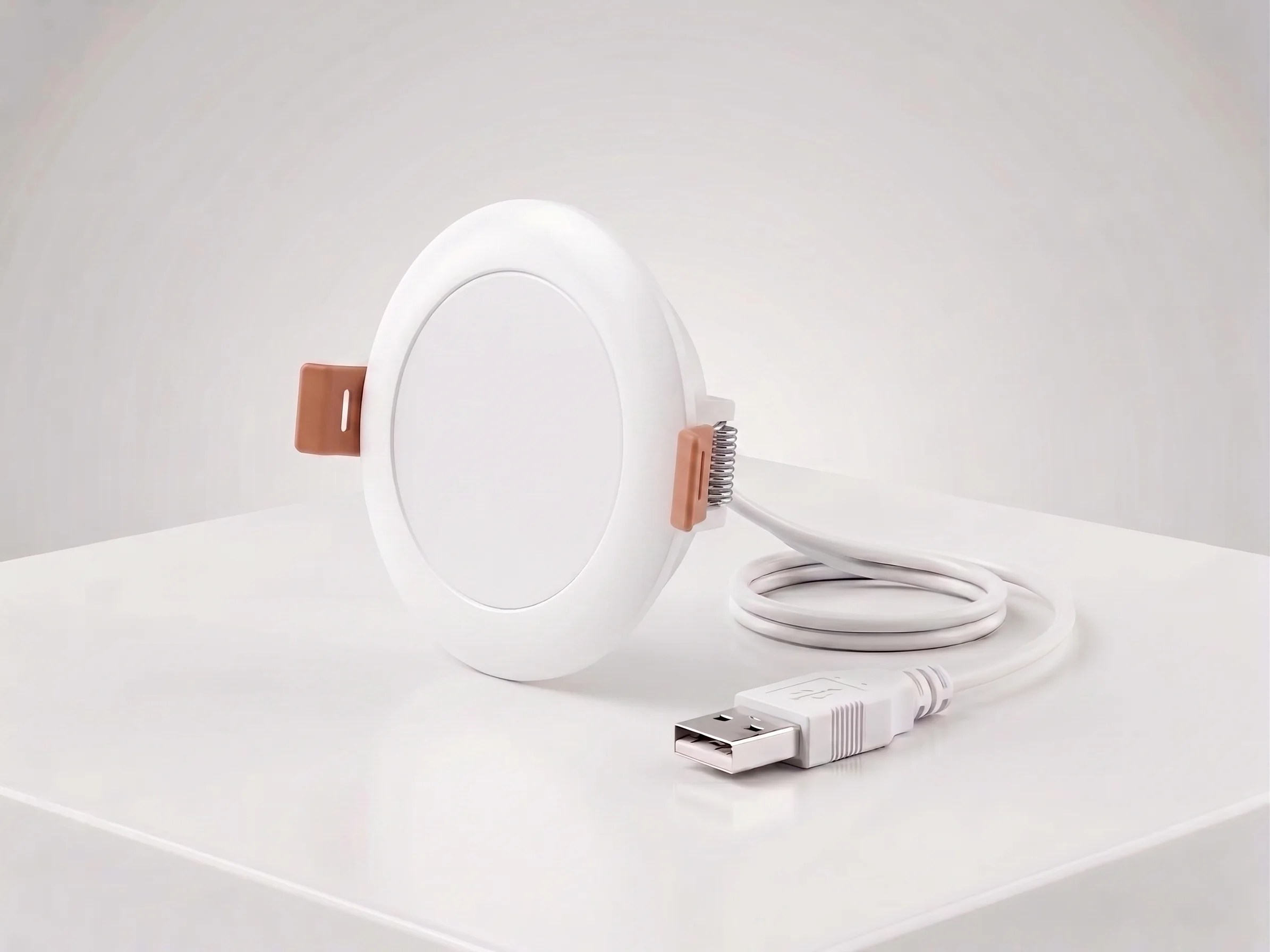
Sensor Kehadiran Manusia mmWave Pasang Plafon — Zigbee
Sensor kehadiran mmWave 24GHz pita lebar untuk plafon: deteksi gerak 10m, mikro-gerak 2,5m, deteksi napas. Sudut 120°, DC5V, Zigbee 3.0, untuk kamar hotel.
Halaman ini sudah menunjuk ke halaman tersebut sebagai referensi yang direkomendasikan berikutnya.
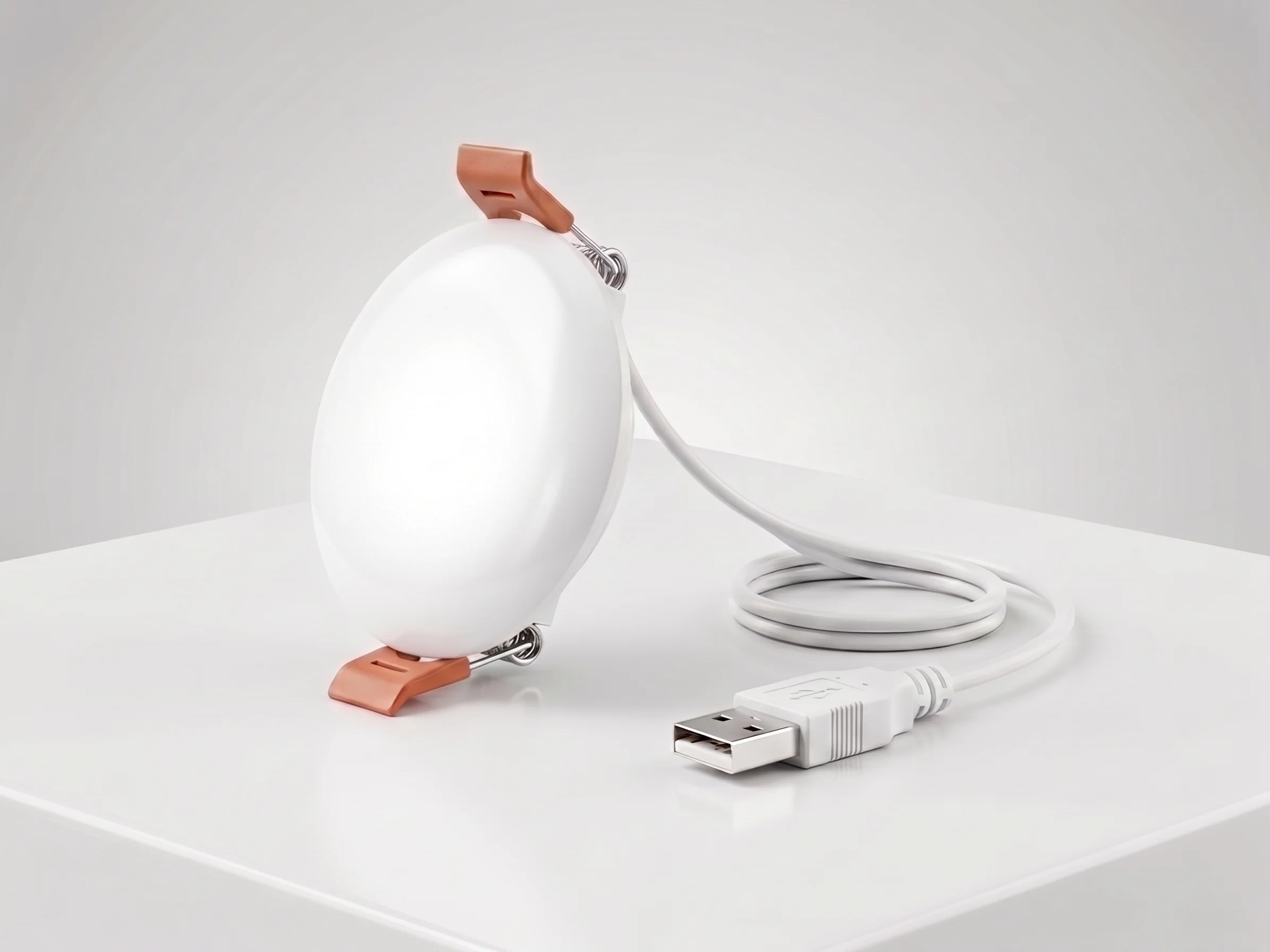
Sensor Kehadiran Manusia mmWave Plafon — WiFi
Sensor kehadiran mmWave 24GHz plafon, deteksi gerak 10m, mikro-gerak 2.5m, pernapasan. Sudut 120°, DC5V, WiFi 2.4GHz. Tanpa gateway, ideal retrofit hotel.
Halaman ini sudah menunjuk ke halaman tersebut sebagai referensi yang direkomendasikan berikutnya.
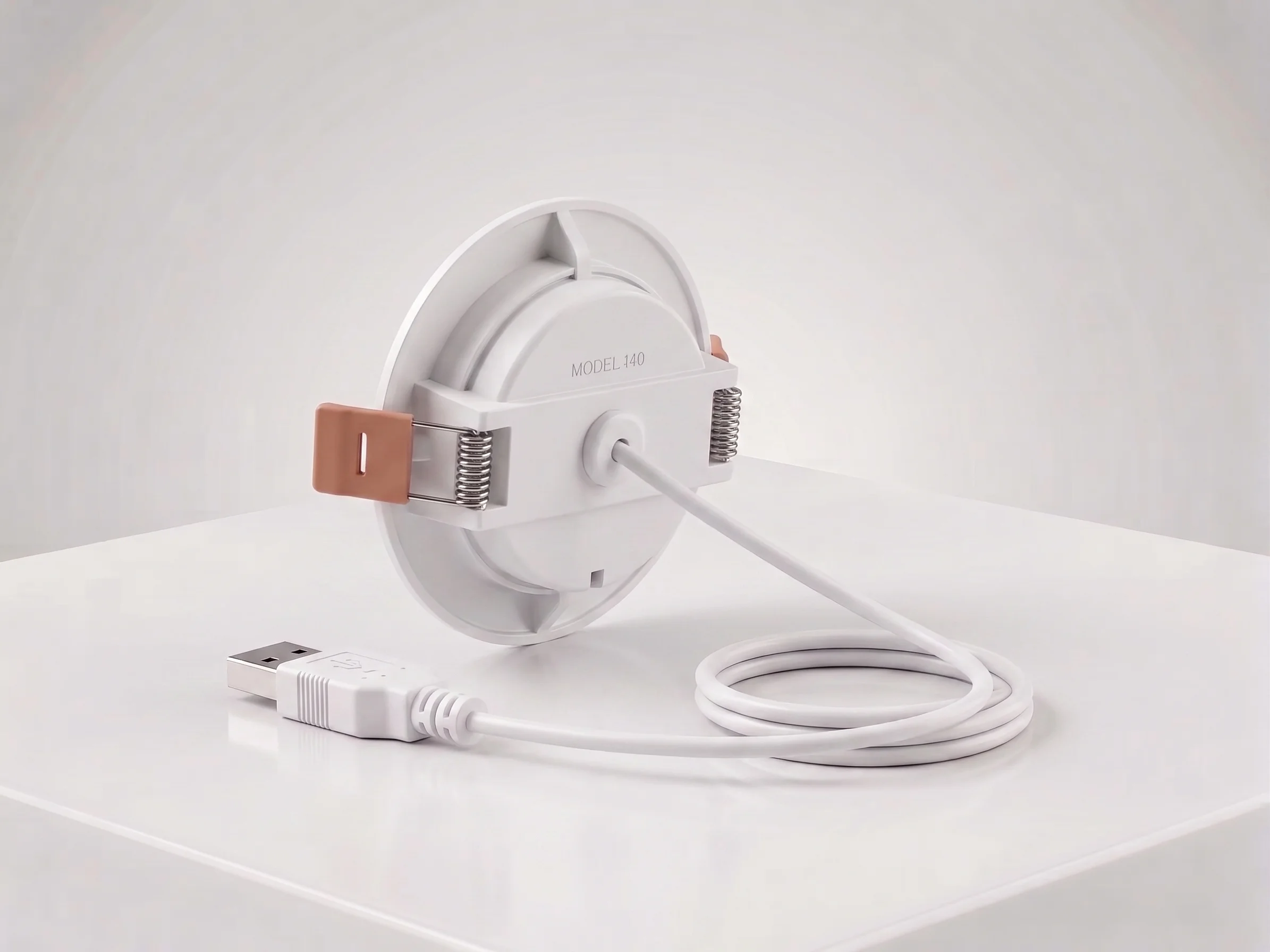
Sensor Kehadiran Manusia mmWave Plafon — Matter over Thread
Sensor kehadiran mmWave plafon 24GHz: gerak 10m, mikro-gerak 2.5m, deteksi napas. 120°, DC5V, Matter over Thread untuk Apple Home, Google Home, dan Alexa.
Halaman ini sudah menunjuk ke halaman tersebut sebagai referensi yang direkomendasikan berikutnya.
Solusi terkait
1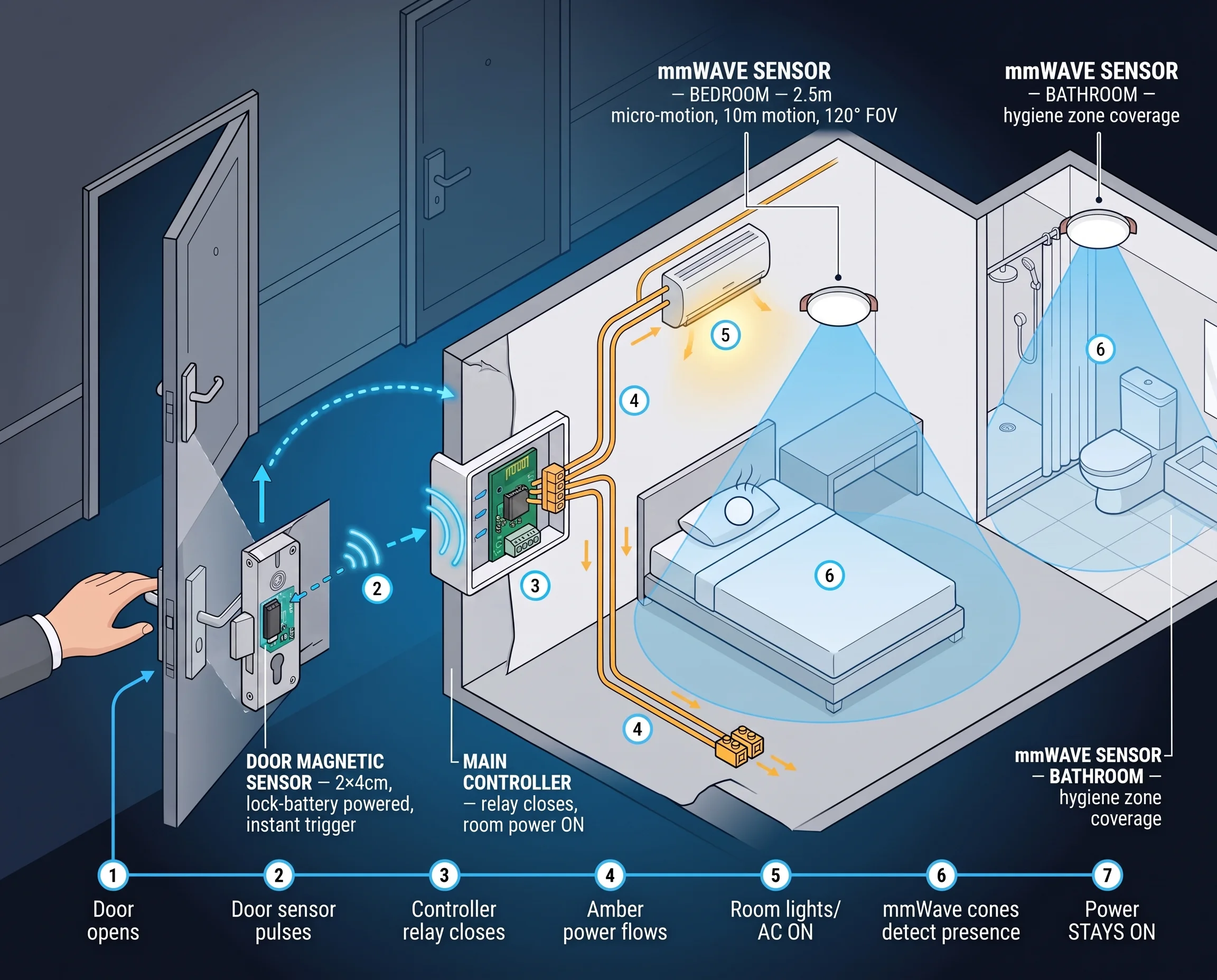
Solusi Sensor Okupansi & Gerak Kamar Hotel
Sensor okupansi radar mmWave untuk kamar hotel: deteksi tamu yang tidur, jadwalkan housekeeping, hemat energi HVAC 20-40% tanpa alarm kosong palsu.
Halaman tersebut mendukung konteks produk yang sama: Sensor Kehadiran Manusia mmWave Pasang Plafon — Zigbee, Sensor Kehadiran Manusia mmWave Plafon — WiFi, Sensor Kehadiran Manusia mmWave Plafon — Matter over Thread.
Artikel blog terkait
3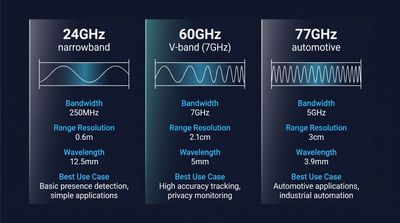
Sensor mmWave 60GHz vs 24GHz vs 77GHz: Memilih Frekuensi yang Tepat untuk Deteksi Kehadiran Komersial
Bandingkan sensor mmWave 60GHz, 24GHz, dan 77GHz untuk deteksi kehadiran komersial. Spesifikasi teknis, jangkauan deteksi, privasi, dan panduan sourcing OEM.
Halaman tersebut mendukung konteks produk yang sama: Sensor Kehadiran Manusia mmWave Pasang Plafon — Zigbee, Sensor Kehadiran Manusia mmWave Plafon — WiFi.
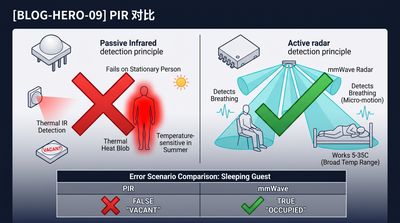
Apa Itu Sensor Kehadiran Elektronik? Teknologi dan Akurasi
Pelajari apa itu sensor kehadiran elektronik, cara mendeteksi manusia diam, dan perbedaannya dengan sensor gerak PIR. Membahas mmWave, akurasi, dan penerapan.
Halaman tersebut mendukung konteks produk yang sama: Sensor Kehadiran Manusia mmWave Pasang Plafon — Zigbee, Sensor Kehadiran Manusia mmWave Plafon — WiFi, Sensor Kehadiran Manusia mmWave Plafon — Matter over Thread.
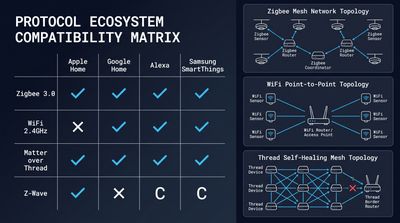
Cara Integrasi Sensor Kehadiran mmWave dengan Home Assistant
Panduan lengkap kontrol lokal perangkat mmWave: konfigurasi MQTT/Matter, skrip otomasi, kalibrasi, dan tips integrasi sensor kehadiran plafon OEM.
Halaman tersebut mendukung konteks produk yang sama: Sensor Kehadiran Manusia mmWave Plafon — Matter over Thread, Sensor Kehadiran Manusia mmWave Plafon — WiFi, Sensor Kehadiran Manusia mmWave Pasang Plafon — Zigbee.
Rinci proyek hotel Anda bersama insinyur kami
Kirimkan jumlah kamar, jenis plafon, dan preferensi protokol Anda. Kami akan mengirimkan rencana sampel dan penawaran dalam 24 jam kerja.
- Beralih dari panduan umum ke diskusi produk atau aplikasi.
- Gunakan RFQ saat harga, gambar teknis, MOQ, atau jadwal peluncuran membutuhkan struktur.
- Jaga jalur kontak langsung tetap terlihat untuk klarifikasi cepat dan serah terima.