Sensor Kehadiran WiFi: Panduan Lengkap Deteksi Hunian 2026
Panduan lengkap sensor kehadiran WiFi: cara kerja sensor mmWave berbasis WiFi, keunggulannya, dan cara memilih yang tepat untuk aplikasi Anda.
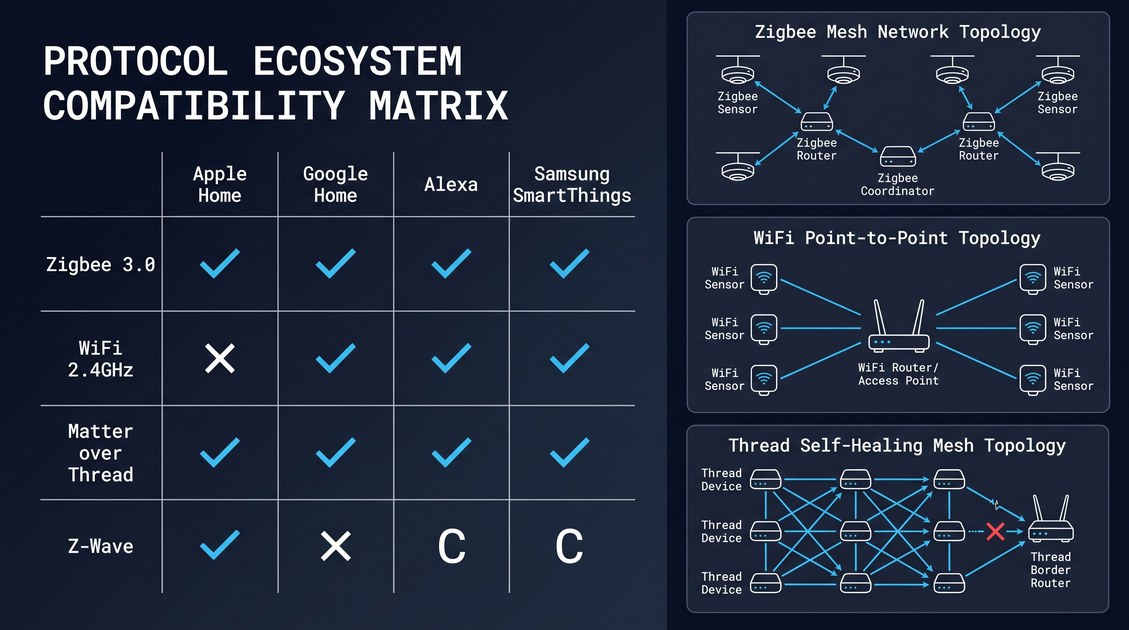
Sensor kehadiran WiFi adalah perangkat deteksi kehadiran yang menggunakan teknologi radar gelombang milimeter (mmWave) — yang paling umum beroperasi pada 60 GHz (57–64 GHz) dengan bandwidth 7 GHz — dikombinasikan dengan konektivitas WiFi (biasanya WiFi 2.4 GHz atau 5 GHz, berbasis IEEE 802.11 b/g/n/ac/ax) untuk mendeteksi penghuni manusia yang bergerak maupun diam dan mengirimkan data hunian melalui jaringan WiFi yang ada ke platform cloud atau sistem manajemen gedung lokal. Sensor kehadiran WiFi telah menjadi bentuk dominan untuk penerapan smart home perkantoran dan hunian yang infrastruktur WiFi-nya sudah tersedia, sehingga tidak memerlukan gateway atau hub terpisah. Komponen radar mmWave mendeteksi penghuni manusia yang bergerak maupun diam dengan merasakan signature mikro-Doppler dari pernapasan manusia pada 0.2–0.5 Hz dari jarak 6–8 meter, mencapai true positive rate penghuni diam di atas 99% dalam pengujian terkontrol dan di atas 95% dalam penerapan di dunia nyata. Komponen WiFi menyediakan integrasi yang mudah dengan infrastruktur jaringan yang ada, dengan data hunian yang dikirimkan ke platform cloud untuk diproses dan ke sistem manajemen gedung atau platform smart home untuk otomatisasi hilir.
Panduan ini memberikan gambaran komprehensif tentang sensor kehadiran WiFi, mencakup teknologi, pola penerapan, pertimbangan integrasi, dan kriteria pemilihan untuk memilih sensor kehadiran WiFi yang tepat untuk aplikasi tertentu.
Sensor Kehadiran WiFi: Teknologi
Sensor kehadiran WiFi menggabungkan teknologi radar mmWave dengan konektivitas WiFi.
Sensor Kehadiran WiFi: Komponen Radar mmWave
Komponen radar mmWave dari sensor kehadiran WiFi biasanya merupakan transceiver FMCW (frequency-modulated continuous wave) 60 GHz dengan susunan antena MIMO 2×2 atau 3×3. Transceiver mengonsumsi sekitar 0.5–1.0 W saat aktif dan menjalankan tugas komputasi intensif untuk mengekstrak signature mikro-Doppler pernapasan dari pantulan radar.
Pita frekuensi 60 GHz adalah pilihan default untuk sensor kehadiran WiFi karena menyediakan bandwidth 7 GHz, memungkinkan resolusi jarak 2.1 cm dan deteksi mikro-Doppler pernapasan manusia. Panjang gelombang 5 mm memungkinkan susunan antena yang ringkas (susunan MIMO 3×3 muat dalam area PCB 20×20 mm), memungkinkan bentuk ceiling puck berdiameter 70 mm yang menjadi standar untuk penerapan komersial.
Sensor Kehadiran WiFi: Komponen Radio WiFi
Komponen radio WiFi dari sensor kehadiran WiFi berbasis transceiver IEEE 802.11 b/g/n/ac/ax 2.4 GHz atau 5 GHz. Radio mengonsumsi sekitar 0.3–0.5 W saat mentransmisi dan hanya beberapa miliwatt saat tidur dalam mode standby. Radio WiFi menyediakan:
- Integrasi mudah: sebagian besar kantor dan rumah sudah memiliki infrastruktur WiFi, sehingga tidak memerlukan gateway terpisah
- Bandwidth tinggi: cukup untuk mengirimkan data hunian dan untuk pembaruan firmware
- Protokol terstandarisasi: TCP/IP, MQTT, HTTP/HTTPS untuk transmisi data
- Keamanan: enkripsi WPA2/WPA3 untuk perlindungan data
Radio WiFi biasanya mendukung 2.4 GHz (untuk jangkauan lebih jauh dan penetrasi dinding lebih baik) dan 5 GHz (untuk bandwidth lebih tinggi dan interferensi lebih sedikit), dengan pemilihan otomatis pita terbaik untuk lingkungan saat ini.
Sensor Kehadiran WiFi: Daya dan Konektivitas
Sensor kehadiran WiFi biasanya ditenagai listrik utama (melalui adaptor daya atau junction box) atau PoE (untuk penerapan kantor yang tersedia kabel Ethernet). Sensor kehadiran WiFi bertenaga baterai kurang umum karena radio WiFi mengonsumsi daya lebih besar daripada Zigbee atau radio hemat daya lainnya, membatasi umur baterai hanya beberapa bulan pada duty cycle tipikal.
Konektivitasnya mencakup:
- WiFi (2.4 GHz atau 5 GHz): untuk transmisi data
- WiFi (hanya 2.4 GHz): untuk WiFi hemat daya (beberapa standar WiFi yang lebih baru mendukung mode hemat daya yang dapat memperpanjang umur baterai hingga 6–12 bulan)
- Bluetooth Low Energy (BLE): untuk provisioning dan konfigurasi awal
Sensor Kehadiran WiFi: Pola Penerapan
Sensor kehadiran WiFi diterapkan dalam berbagai pola, bergantung pada infrastruktur WiFi yang ada dan persyaratan aplikasi.
Sensor Kehadiran WiFi: Penerapan Kantoran
Untuk penerapan kantor, sensor kehadiran WiFi biasanya dipasang di plafon kantor individual, ruang konferensi, dan area terbuka, serta terintegrasi dengan jaringan WiFi yang sudah ada di kantor. Sensor menyediakan data hunian ke sistem manajemen gedung untuk kontrol HVAC dan pencahayaan, serta ke platform penjadwalan (Microsoft 365, Google Workspace, Robin, Envoy) untuk ketersediaan ruangan secara real-time.
Penerapan kantor tipikal menggunakan satu sensor kehadiran WiFi per kantor atau ruang konferensi, dengan sensor ditenagai oleh adaptor daya USB atau PoE. Sensor dikonfigurasi melalui aplikasi seluler atau antarmuka web, dan terintegrasi dengan infrastruktur IT yang sudah ada di kantor.
Sensor Kehadiran WiFi: Penerapan Smart Home Hunian
Untuk penerapan smart home hunian, sensor kehadiran WiFi biasanya dipasang di plafon ruang keluarga, kamar tidur, dan lorong, serta terintegrasi dengan jaringan WiFi yang sudah ada di rumah. Sensor menyediakan data hunian ke platform smart home (Apple HomeKit, Amazon Alexa, Google Home) untuk pencahayaan berbasis hunian, kontrol HVAC, dan pemantauan keamanan.
Penerapan hunian tipikal menggunakan satu atau dua sensor kehadiran WiFi per rumah, dengan sensor ditenagai oleh adaptor daya USB. Sensor dikonfigurasi melalui aplikasi seluler, dan terintegrasi dengan platform smart home yang sudah ada di rumah.
Sensor Kehadiran WiFi: Penerapan Hotel
Untuk penerapan hotel, sensor kehadiran WiFi kurang umum dibandingkan sensor kehadiran Zigbee, karena sebagian besar properti hotel memiliki infrastruktur Zigbee terpisah untuk kontrol kamar. Namun, untuk hotel kecil atau penerapan hotel yang infrastrukturnya berbasis WiFi, sensor kehadiran WiFi bisa menjadi pilihan yang baik.
Sensor Kehadiran WiFi: Pertimbangan Integrasi
Integrasi sensor kehadiran WiFi dengan sistem otomatisasi hilir memerlukan pertimbangan beberapa faktor.
Sensor Kehadiran WiFi: Persyaratan Jaringan
Sensor kehadiran WiFi memerlukan jaringan WiFi yang stabil dengan cakupan memadai di area penerapan. Kekuatan sinyal WiFi di lokasi sensor sebaiknya minimal -70 dBm untuk operasi yang andal. Jika cakupan WiFi kurang memadai, WiFi extender atau jaringan mesh mungkin diperlukan.
Jaringan WiFi harus dikonfigurasi untuk mendukung jumlah sensor yang dibutuhkan, dengan alamat IP yang cukup (melalui DHCP) dan bandwidth yang memadai. Sensor kehadiran WiFi tipikal menggunakan sekitar 1–5 KB bandwidth jaringan per hari, sehingga bahkan penerapan skala besar dengan ratusan sensor pun menggunakan bandwidth jaringan yang minimal.
Sensor Kehadiran WiFi: Keamanan
Sensor kehadiran WiFi harus terhubung ke jaringan WiFi yang aman dengan enkripsi WPA2 atau WPA3. Sensor harus menggunakan kata sandi unik untuk setiap perangkat, dan kata sandi harus diganti secara berkala. Sensor juga harus mendukung pembaruan firmware yang aman, dengan firmware yang ditandatangani oleh produsen dan diverifikasi sebelum instalasi.
Untuk penerapan di California, sensor kehadiran WiFi juga harus mematuhi SB-327 (undang-undang keamanan IoT California), yang mewajibkan produsen menerapkan "fitur keamanan yang wajar" yang sesuai dengan perangkat.
Sensor Kehadiran WiFi: Integrasi Platform Cloud
Sensor kehadiran WiFi biasanya terintegrasi dengan platform cloud yang disediakan oleh produsen sensor, dengan platform cloud menyediakan agregasi data, analitik, dan integrasi dengan sistem hilir. Platform cloud juga dapat menyediakan aplikasi seluler bagi pengguna akhir untuk memantau status sensor dan mengonfigurasi pengaturan sensor.
Untuk penerapan enterprise, platform cloud dapat menawarkan integrasi dengan sistem IT yang sudah ada di organisasi melalui API, webhook, atau protokol standar (MQTT, HTTP, dll.).
Sensor Kehadiran WiFi: Kriteria Pemilihan
Memilih sensor kehadiran WiFi yang tepat untuk aplikasi tertentu memerlukan evaluasi beberapa kriteria.
Sensor Kehadiran WiFi: Performa Deteksi
Performa deteksi adalah kriteria terpenting. Metrik utama meliputi:
- True positive rate penghuni diam: di atas 99% dalam pengujian terkontrol, di atas 95% dalam penerapan nyata
- False positive rate: di bawah 1% dalam periode 24 jam
- Jangkauan deteksi: 6–8 m untuk penghuni diam, 8–12 m untuk penghuni bergerak
- Sudut pandang: ±60° azimut, ±40° elevasi untuk sensor plafon tipikal
- Latensi deteksi: di bawah 3 detik
Sensor Kehadiran WiFi: Kompatibilitas WiFi
Sensor kehadiran WiFi harus kompatibel dengan jaringan WiFi yang ada. Spesifikasi WiFi utama yang perlu diverifikasi meliputi:
- Standar WiFi: 802.11 b/g/n (untuk 2.4 GHz), 802.11 ac/ax (untuk 5 GHz)
- Keamanan WiFi: WPA2, WPA3
- Bandwidth WiFi: minimal 2.4 GHz, idealnya dual-band (2.4 GHz dan 5 GHz)
Sensor Kehadiran WiFi: Opsi Daya
Sensor kehadiran WiFi harus mendukung opsi daya yang dibutuhkan untuk penerapan. Untuk sebagian besar penerapan kantor dan hunian, daya listrik utama (melalui adaptor daya USB) adalah yang paling umum. Untuk penerapan yang tersedia kabel Ethernet, PoE adalah pilihan yang diutamakan.
Sensor Kehadiran WiFi: Sertifikasi
Sensor kehadiran WiFi harus memiliki sertifikasi yang dibutuhkan untuk pasar target: FCC, CE, RoHS, dan sertifikasi regional lainnya.
Sensor Kehadiran WiFi: Keunggulan dan Kekurangan
Sensor kehadiran WiFi memiliki beberapa keunggulan dan kekurangan dibandingkan opsi konektivitas lainnya.
Sensor Kehadiran WiFi: Keunggulan
- Integrasi mudah: sebagian besar kantor dan rumah sudah memiliki infrastruktur WiFi, sehingga tidak memerlukan gateway terpisah
- Bandwidth tinggi: cukup untuk semua kebutuhan transmisi data
- Protokol terstandarisasi: TCP/IP, MQTT, HTTP/HTTPS untuk transmisi data
- Konfigurasi mudah: sebagian besar perangkat WiFi dapat dikonfigurasi melalui aplikasi seluler atau antarmuka web
- Kompatibilitas luas: sebagian besar jaringan WiFi dan perangkat ber-WiFi dapat saling beroperasi
Sensor Kehadiran WiFi: Kekurangan
- Konsumsi daya lebih tinggi: radio WiFi mengonsumsi daya lebih besar daripada Zigbee atau radio hemat daya lainnya, membatasi umur baterai
- Kepadatan jaringan: di lingkungan WiFi yang padat, jaringan WiFi dapat menjadi macet, memengaruhi transmisi data sensor
- Persyaratan cakupan WiFi: sensor memerlukan jaringan WiFi yang stabil dengan cakupan memadai, yang mungkin memerlukan peningkatan infrastruktur jaringan pada beberapa penerapan
- Masalah keamanan: jaringan WiFi lebih rentan terhadap serangan keamanan daripada jaringan mesh hemat daya, sehingga memerlukan langkah keamanan tambahan
Sensor Kehadiran WiFi: Produk yang Direkomendasikan
Produk yang direkomendasikan untuk penerapan sensor kehadiran WiFi adalah ceiling-presence-sensor-wifi dan ceiling-presence-sensor-zigbee (untuk penerapan yang lebih menyukai Zigbee), yang menyediakan deteksi radar mmWave wideband 24GHz, konektivitas WiFi atau Zigbee, sertifikasi lengkap (CE, FCC, RoHS), serta integrasi dengan platform smart home utama dan sistem manajemen gedung.
Untuk penerapan kantor, ceiling-presence-sensor-wifi adalah pilihan yang direkomendasikan, karena konektivitas WiFi terintegrasi secara native dengan infrastruktur WiFi yang sudah ada di kantor. Untuk penerapan hunian, pilihan antara WiFi dan Zigbee bergantung pada platform smart home yang ada dan persyaratan integrasi.
Sensor Kehadiran WiFi: Rekomendasi Akhir
Sensor kehadiran WiFi telah menjadi bentuk dominan untuk penerapan smart home perkantoran dan hunian yang infrastruktur WiFi-nya sudah tersedia. Teknologi ini menyediakan deteksi penghuni diam yang andal, integrasi mudah dengan jaringan WiFi yang ada, dan bentuk ringkas yang muat dalam ceiling puck.
Bagi tim pengadaan atau konsumen yang memilih sensor kehadiran WiFi, pendekatan yang tepat adalah memulai dengan definisi yang jelas tentang persyaratan aplikasi (kantor vs hunian, persyaratan integrasi, opsi daya), kemudian mengevaluasi sensor yang tersedia terhadap persyaratan tersebut, lalu memilih vendor dengan rekam jejak terbukti di segmen target. Produk yang direkomendasikan untuk sebagian besar aplikasi kantor adalah ceiling-presence-sensor-wifi, dan untuk aplikasi hunian adalah ceiling-presence-sensor-zigbee atau ceiling-presence-sensor-matter (untuk platform smart home yang lebih baru dan kompatibel dengan Matter).
Dengan sensor kehadiran WiFi yang tepat, terpasang dan terintegrasi dengan benar, sensor dapat memberikan tingkat kesadaran hunian yang mustahil dicapai dengan sensor gerak berbasis PIR, dan dapat membenarkan biaya per unit yang lebih tinggi melalui efisiensi energi yang lebih baik, pengalaman penghuni yang lebih baik, dan data hunian yang lebih akurat untuk analitik hilir.
Sebagian konten artikel ini dihasilkan oleh AI dan dioptimalkan untuk akurasi profesional dan keterbacaan. A WiFi presence sensor is a presence detection device that uses millimeter-wave (mmWave) radar technology — most commonly operating at 60 GHz (57–64 GHz) with 7 GHz of bandwidth — combined with WiFi connectivity (typically 2.4 GHz or 5 GHz WiFi, based on IEEE 802.11 b/g/n/ac/ax) to detect both moving and stationary human occupants and to transmit the occupancy data over the existing WiFi network to a cloud platform or a local building management system. The WiFi presence sensor has become the dominant form factor for office and residential smart home deployments where WiFi infrastructure is already available, eliminating the need for a separate gateway or hub. The mmWave radar component detects both moving and stationary human occupants by sensing the micro-Doppler signature of human breathing at 0.2–0.5 Hz from ranges of 6–8 meters, achieving a stationary-occupant true positive rate above 99% in controlled testing and above 95% in real-world deployment. The WiFi component provides easy integration with the existing network infrastructure, with the occupancy data being transmitted to a cloud platform for processing and to a building management system or a smart home platform for downstream automation.
This guide provides a comprehensive overview of the WiFi presence sensor, covering the technology, the deployment patterns, the integration considerations, and the selection criteria for choosing the right WiFi presence sensor for a specific application.
WiFi Presence Sensor: Technology
The WiFi presence sensor combines mmWave radar technology with WiFi connectivity.
WiFi Presence Sensor: The mmWave Radar Component
The mmWave radar component of a WiFi presence sensor is typically a 60 GHz FMCW (frequency-modulated continuous wave) transceiver with a 2×2 or 3×3 MIMO antenna array. The transceiver consumes approximately 0.5–1.0 W when active and performs the computationally intensive task of extracting the breathing micro-Doppler signature from the radar return.
The 60 GHz frequency band is the default for the WiFi presence sensor because it provides 7 GHz of bandwidth, enabling 2.1 cm range resolution and micro-Doppler detection of human breathing. The 5 mm wavelength allows for compact antenna arrays (a 3×3 MIMO array fits in a 20×20 mm PCB area), enabling the 70 mm diameter ceiling puck form factor that is the standard for commercial deployments.
WiFi Presence Sensor: The WiFi Radio Component
The WiFi radio component of a WiFi presence sensor is based on a 2.4 GHz or 5 GHz IEEE 802.11 b/g/n/ac/ax transceiver. The radio consumes approximately 0.3–0.5 W when transmitting and a few milliwatts when sleeping in standby. The WiFi radio provides:
- Easy integration: most offices and homes already have WiFi infrastructure, eliminating the need for a separate gateway
- High bandwidth: sufficient for transmitting the occupancy data and for any firmware updates
- Standardized protocols: TCP/IP, MQTT, HTTP/HTTPS for data transmission
- Security: WPA2/WPA3 encryption for data protection
The WiFi radio typically supports 2.4 GHz (for longer range and better wall penetration) and 5 GHz (for higher bandwidth and less interference), with automatic selection of the best band for the current environment.
WiFi Presence Sensor: Power and Connectivity
A WiFi presence sensor is typically mains-powered (via a power adapter or a junction box) or PoE-powered (for office deployments where Ethernet cabling is available). Battery-powered WiFi presence sensors are less common because the WiFi radio consumes more power than Zigbee or other low-power radios, limiting the battery life to a few months at typical duty cycles.
The connectivity includes:
- WiFi (2.4 GHz or 5 GHz): for data transmission
- WiFi (2.4 GHz only): for low-power WiFi (some newer WiFi standards support low-power modes that can extend battery life to 6–12 months)
- Bluetooth Low Energy (BLE): for initial provisioning and configuration
WiFi Presence Sensor: Deployment Patterns
The WiFi presence sensor is deployed in a variety of patterns, depending on the existing WiFi infrastructure and the application requirements.
WiFi Presence Sensor: Office Deployment
For office deployments, the WiFi presence sensor is typically mounted on the ceiling in individual offices, conference rooms, and open-plan zones, and is integrated with the office's existing WiFi network. The sensor provides occupancy data to the building management system for HVAC and lighting control, and to the scheduling platform (Microsoft 365, Google Workspace, Robin, Envoy) for real-time room availability.
The typical office deployment uses one WiFi presence sensor per office or conference room, with the sensor powered by a USB power adapter or by PoE. The sensor is configured through a mobile app or a web interface, and is integrated with the office's existing IT infrastructure.
WiFi Presence Sensor: Residential Smart Home Deployment
For residential smart home deployments, the WiFi presence sensor is typically mounted on the ceiling in living rooms, bedrooms, and hallways, and is integrated with the home's existing WiFi network. The sensor provides occupancy data to the smart home platform (Apple HomeKit, Amazon Alexa, Google Home) for occupancy-based lighting, HVAC control, and security monitoring.
The typical residential deployment uses one or two WiFi presence sensors per home, with the sensor powered by a USB power adapter. The sensor is configured through a mobile app, and is integrated with the home's existing smart home platform.
WiFi Presence Sensor: Hotel Deployment
For hotel deployments, the WiFi presence sensor is less common than the Zigbee presence sensor, because most hotel properties have a separate Zigbee infrastructure for room control. However, for small hotels or for hotel deployments where the existing infrastructure is WiFi-based, the WiFi presence sensor can be a good choice.
WiFi Presence Sensor: Integration Considerations
The integration of a WiFi presence sensor with the downstream automation system requires consideration of several factors.
WiFi Presence Sensor: Network Requirements
The WiFi presence sensor requires a stable WiFi network with sufficient coverage in the deployment area. The WiFi signal strength at the sensor location should be at least -70 dBm for reliable operation. If the WiFi coverage is insufficient, a WiFi extender or a mesh network may be required.
The WiFi network should be configured to support the required number of sensors, with sufficient IP addresses (via DHCP) and sufficient bandwidth. A typical WiFi presence sensor uses approximately 1–5 KB of network bandwidth per day, so even a large deployment of hundreds of sensors uses minimal network bandwidth.
WiFi Presence Sensor: Security
The WiFi presence sensor should be connected to a secure WiFi network with WPA2 or WPA3 encryption. The sensor should use a unique password for each device, and the password should be rotated periodically. The sensor should also support secure firmware updates, with the firmware signed by the manufacturer and verified before installation.
For deployments in California, the WiFi presence sensor should also comply with SB-327 (the California IoT security law), which requires manufacturers to implement "reasonable security features" appropriate to the device.
WiFi Presence Sensor: Cloud Platform Integration
The WiFi presence sensor typically integrates with a cloud platform provided by the sensor manufacturer, with the cloud platform providing data aggregation, analytics, and integration with downstream systems. The cloud platform may also provide a mobile app for the end user to monitor the sensor status and to configure the sensor settings.
For enterprise deployments, the cloud platform may offer integration with the organization's existing IT systems through APIs, webhooks, or standard protocols (MQTT, HTTP, etc.).
WiFi Presence Sensor: Selection Criteria
Selecting the right WiFi presence sensor for a specific application requires evaluating several criteria.
WiFi Presence Sensor: Detection Performance
The detection performance is the most important criterion. Key metrics include:
- Stationary-occupant true positive rate: above 99% in controlled testing, above 95% in real-world deployment
- False positive rate: below 1% over a 24-hour period
- Detection range: 6–8 m for stationary occupants, 8–12 m for moving occupants
- Field of view: ±60° azimuth, ±40° elevation for a typical ceiling-mounted sensor
- Detection latency: below 3 seconds
WiFi Presence Sensor: WiFi Compatibility
The WiFi presence sensor should be compatible with the existing WiFi network. Key WiFi specifications to verify include:
- WiFi standards: 802.11 b/g/n (for 2.4 GHz), 802.11 ac/ax (for 5 GHz)
- WiFi security: WPA2, WPA3
- WiFi bandwidth: at least 2.4 GHz, ideally dual-band (2.4 GHz and 5 GHz)
WiFi Presence Sensor: Power Options
The WiFi presence sensor should support the power options required for the deployment. For most office and residential deployments, mains power (via a USB power adapter) is the most common. For deployments where Ethernet cabling is available, PoE is the preferred option.
WiFi Presence Sensor: Certifications
The WiFi presence sensor should carry the required certifications for the target market: FCC, CE, RoHS, and any regional certifications.
WiFi Presence Sensor: Advantages and Disadvantages
The WiFi presence sensor has several advantages and disadvantages compared to other connectivity options.
WiFi Presence Sensor: Advantages
- Easy integration: most offices and homes already have WiFi infrastructure, eliminating the need for a separate gateway
- High bandwidth: sufficient for any data transmission requirements
- Standardized protocols: TCP/IP, MQTT, HTTP/HTTPS for data transmission
- Easy configuration: most WiFi devices can be configured through a mobile app or a web interface
- Wide compatibility: most WiFi networks and WiFi-enabled devices are interoperable
WiFi Presence Sensor: Disadvantages
- Higher power consumption: WiFi radios consume more power than Zigbee or other low-power radios, limiting battery life
- Network congestion: in dense WiFi environments, the WiFi network can become congested, affecting the sensor's data transmission
- WiFi coverage requirements: the sensor requires a stable WiFi network with sufficient coverage, which may require network infrastructure upgrades in some deployments
- Security concerns: WiFi networks are more vulnerable to security attacks than low-power mesh networks, requiring additional security measures
WiFi Presence Sensor: Recommended Products
The recommended products for WiFi presence sensor deployments are the ceiling-presence-sensor-wifi and the ceiling-presence-sensor-zigbee (for deployments that prefer Zigbee), which provide 24GHz wideband mmWave radar detection, WiFi or Zigbee connectivity, full certification (CE, FCC, RoHS), and integration with major smart home platforms and building management systems.
For office deployments, the ceiling-presence-sensor-wifi is the recommended choice, as the WiFi connectivity integrates natively with the office's existing WiFi infrastructure. For residential deployments, the choice between WiFi and Zigbee depends on the existing smart home platform and the integration requirements.
WiFi Presence Sensor: Final Recommendation
The WiFi presence sensor has become the dominant form factor for office and residential smart home deployments where WiFi infrastructure is already available. The technology provides reliable stationary-occupant detection, easy integration with the existing WiFi network, and a compact form factor that fits in a ceiling puck.
For a procurement team or a consumer selecting a WiFi presence sensor, the right approach is to start with a clear definition of the application requirements (office vs residential, integration requirements, power options), then evaluate the available sensors against those requirements, then select a vendor with a proven track record in the target vertical. The recommended products for most office applications are the ceiling-presence-sensor-wifi, and for residential applications the ceiling-presence-sensor-zigbee or the ceiling-presence-sensor-matter (for newer Matter-compatible smart home platforms).
With the right WiFi presence sensor, correctly installed and integrated, the sensor can deliver a level of occupancy awareness that is impossible to achieve with PIR-based motion sensors, and can justify the higher unit cost through improved energy efficiency, better occupant experience, and more accurate occupancy data for downstream analytics.
Part of this article content is generated by AI and optimized for professional accuracy and readability.
blog.inArticleCta.title
blog.inArticleCta.description
contentGraph.title
contentGraph.description
contentGraph.sections.products
2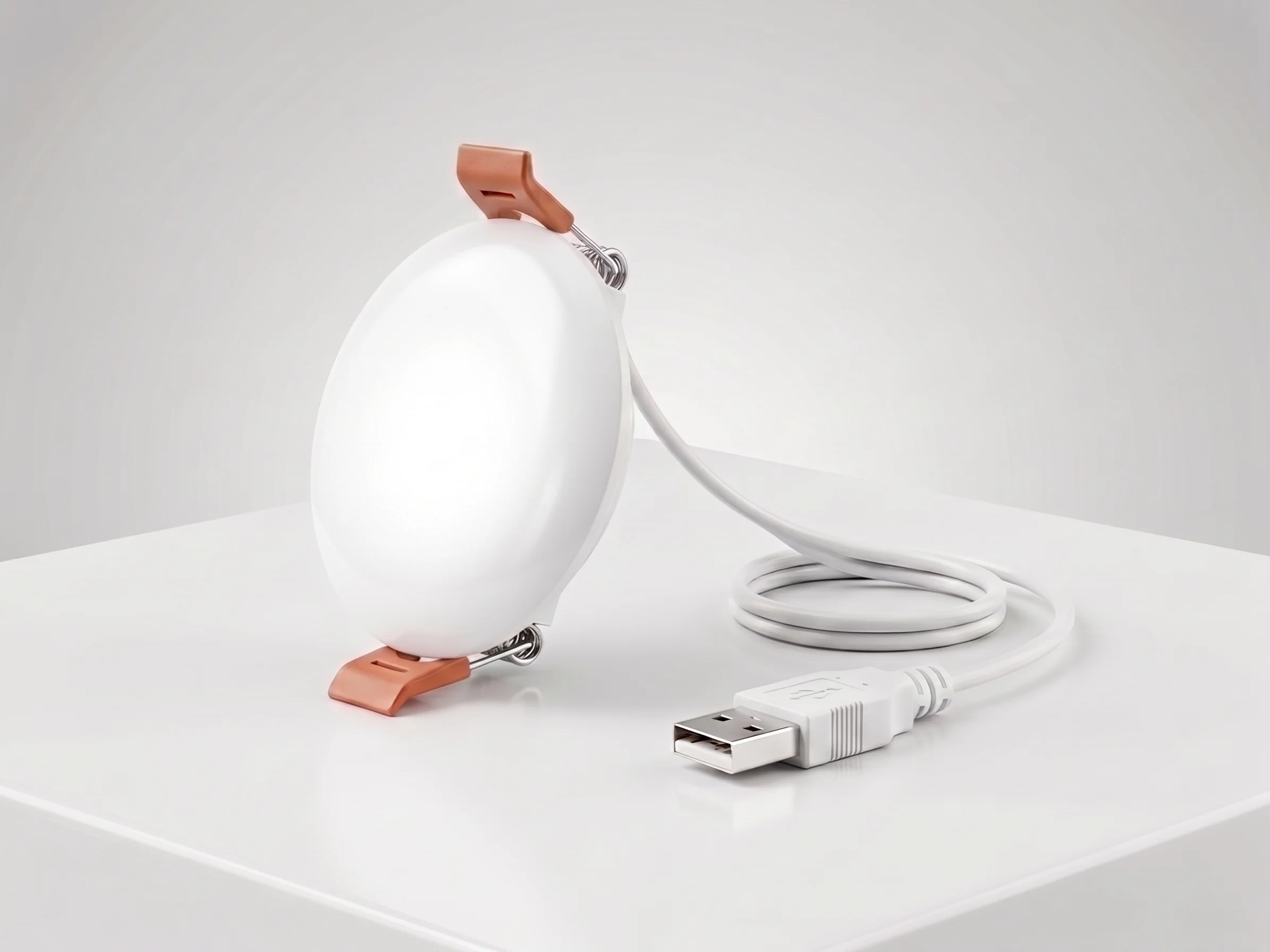
Sensor Kehadiran Manusia mmWave Plafon — WiFi
Sensor kehadiran mmWave 24GHz plafon, deteksi gerak 10m, mikro-gerak 2.5m, pernapasan. Sudut 120°, DC5V, WiFi 2.4GHz. Tanpa gateway, ideal retrofit hotel.
contentGraph.reasons.explicit
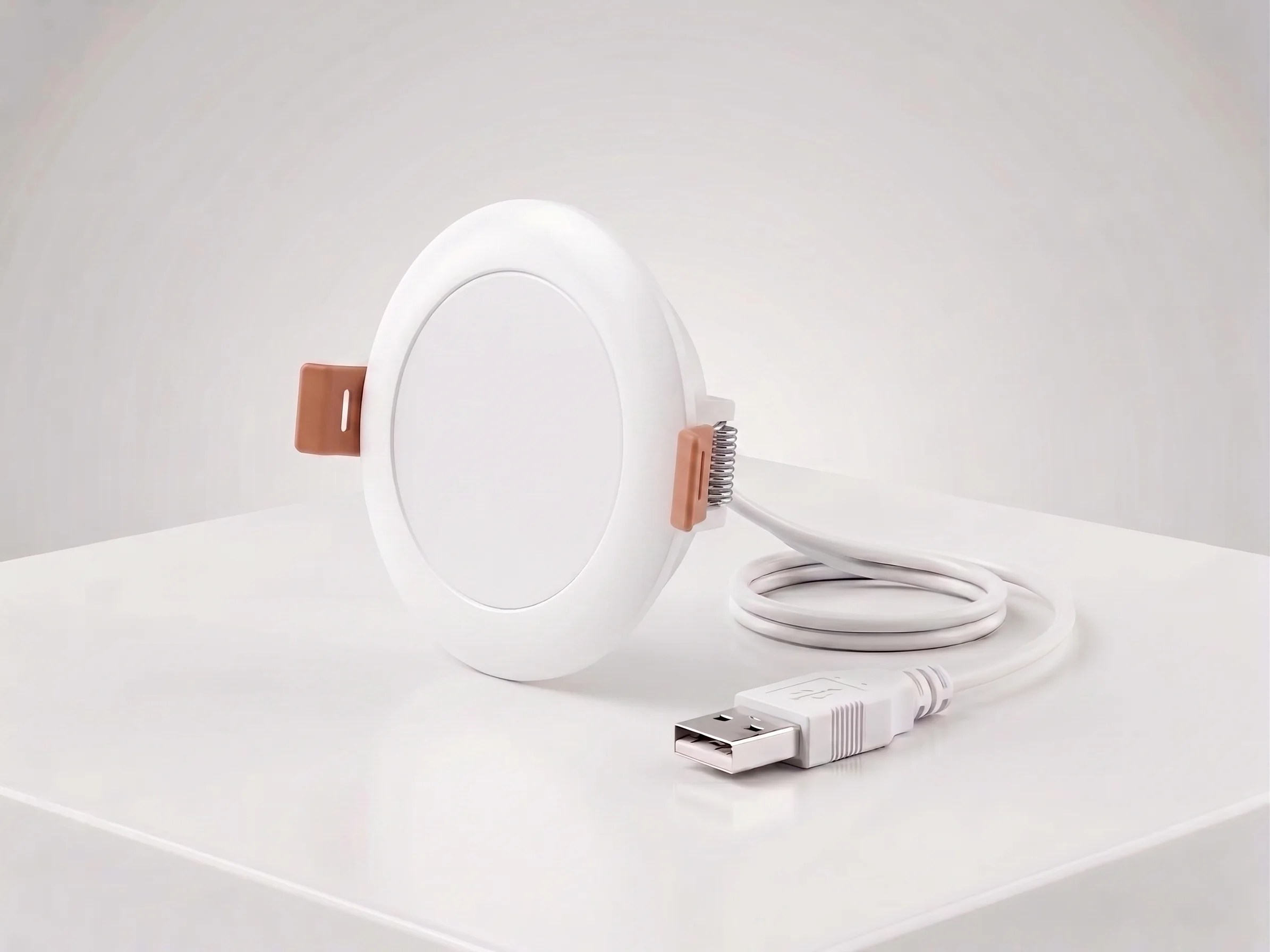
Sensor Kehadiran Manusia mmWave Pasang Plafon — Zigbee
Sensor kehadiran mmWave 24GHz pita lebar untuk plafon: deteksi gerak 10m, mikro-gerak 2,5m, deteksi napas. Sudut 120°, DC5V, Zigbee 3.0, untuk kamar hotel.
contentGraph.reasons.explicit
contentGraph.sections.solutions
1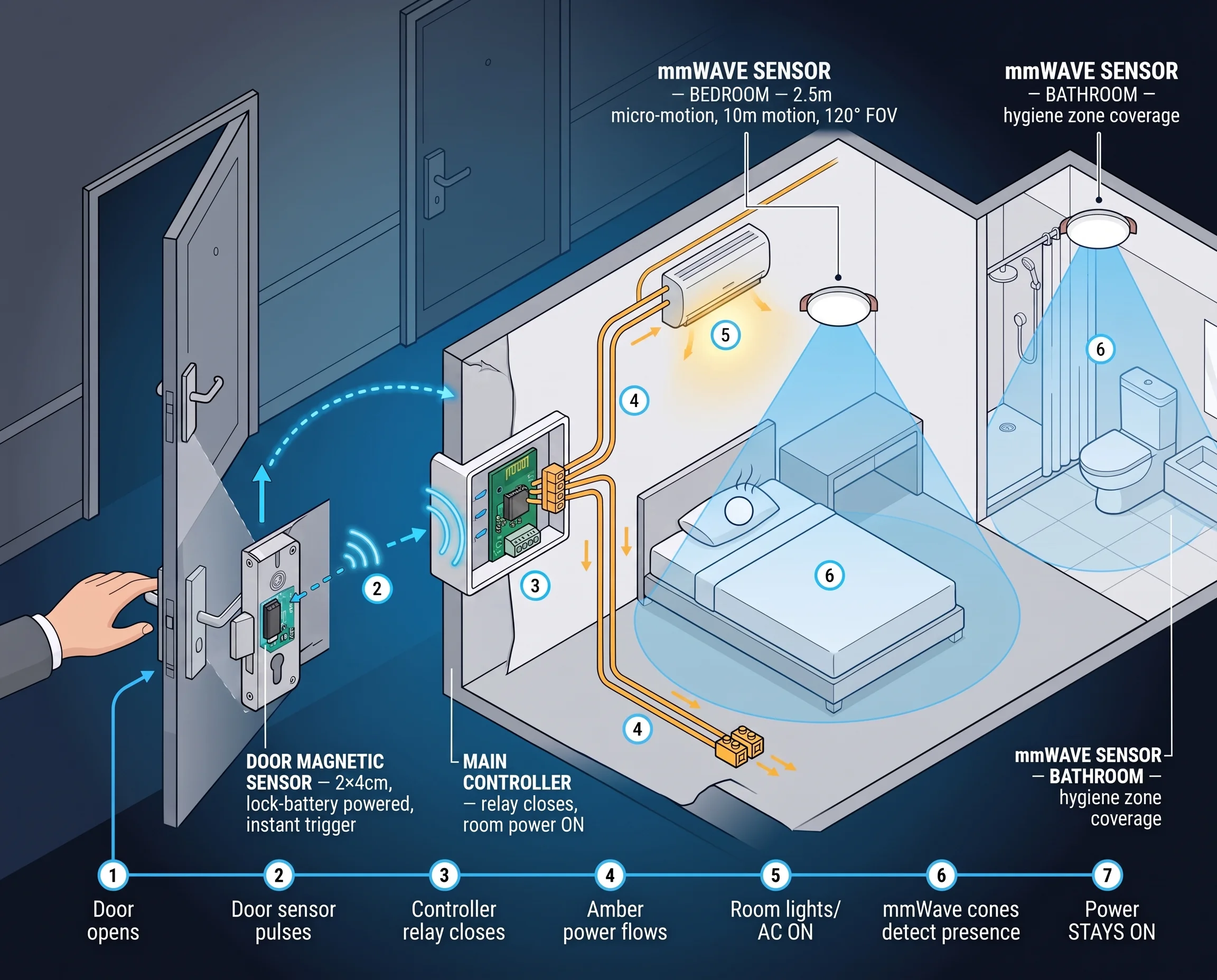
Solusi Sensor Okupansi & Gerak Kamar Hotel
Sensor okupansi radar mmWave untuk kamar hotel: deteksi tamu yang tidur, jadwalkan housekeeping, hemat energi HVAC 20-40% tanpa alarm kosong palsu.
contentGraph.reasons.productContext
contentGraph.sections.blog
3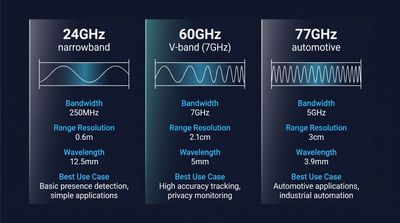
Sensor mmWave 60GHz vs 24GHz vs 77GHz: Memilih Frekuensi yang Tepat untuk Deteksi Kehadiran Komersial
Bandingkan sensor mmWave 60GHz, 24GHz, dan 77GHz untuk deteksi kehadiran komersial. Spesifikasi teknis, jangkauan deteksi, privasi, dan panduan sourcing OEM.
contentGraph.reasons.productContext
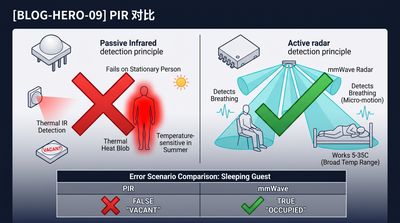
Apa Itu Sensor Kehadiran Elektronik? Teknologi dan Akurasi
Pelajari apa itu sensor kehadiran elektronik, cara mendeteksi manusia diam, dan perbedaannya dengan sensor gerak PIR. Membahas mmWave, akurasi, dan penerapan.
contentGraph.reasons.productContext
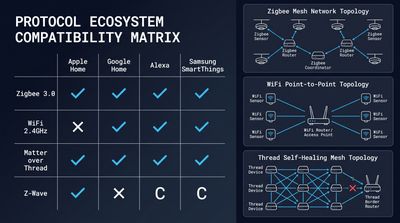
Cara Integrasi Sensor Kehadiran mmWave dengan Home Assistant
Panduan lengkap kontrol lokal perangkat mmWave: konfigurasi MQTT/Matter, skrip otomasi, kalibrasi, dan tips integrasi sensor kehadiran plafon OEM.
contentGraph.reasons.productContext
nextStep.blog.title
nextStep.blog.description
- nextStep.blog.points.one
- nextStep.blog.points.two
- nextStep.blog.points.three