Sensor Deteksi Kehadiran: Panduan Teknologi & Aplikasi
Sensor deteksi kehadiran: prinsip kerja, 4 jenis utama, aplikasi industri & hunian, standar pemasangan, kondisi pasar, dan arah inovasi berbasis AI.
Apa Itu Sensor Deteksi Kehadiran? Definisi Inti dan Prinsip Kerja Fundamental
Sensor deteksi kehadiran adalah perangkat sensor cerdas mutakhir yang dirancang untuk mengidentifikasi, memantau, dan mengonfirmasi kehadiran manusia secara akurat dalam ruang fisik tertentu, dan secara fundamental membedakan dirinya dari peralatan sensor gerak tradisional. Berbeda dengan sensor gerak konvensional yang hanya memicu respons terhadap gerakan fisik yang mencolok, sensor deteksi kehadiran profesional dapat menangkap sinyal biologis halus dan mikro-gerakan manusia, termasuk fluktuasi pernapasan dada, getaran ringan anggota tubuh, dan kehadiran manusia statis ketika seseorang duduk, berbaring, atau berdiam diri sepenuhnya. Kemampuan inti ini menjadikan sensor deteksi kehadiran komponen inti yang tak tergantikan dalam lingkungan cerdas modern, sistem bangunan pintar, peralatan industri otomatis, dan solusi pemantauan yang patuh privasi. Misi inti setiap sensor deteksi kehadiran adalah menghilangkan titik buta deteksi, menurunkan tingkat pemicuan palsu, dan menyediakan data kehadiran manusia real-time yang andal untuk pengambilan keputusan sistem cerdas, meletakkan fondasi kokoh bagi penghematan energi, pemantauan keselamatan, dan manajemen ruang cerdas.
Untuk memahami sepenuhnya nilai sebuah sensor deteksi kehadiran, penting untuk memperjelas logika kerja intinya, yang sangat berbeda dari teknologi sensor usang. Sensor gerak inframerah tradisional mengandalkan deteksi perubahan radiasi termal yang disebabkan oleh gerakan manusia, artinya ia tidak dapat mengidentifikasi kehadiran manusia yang statis dan sering gagal bekerja ketika pengguna berdiam diri untuk sementara waktu. Sebaliknya, sensor deteksi kehadiran berkinerja tinggi mengadopsi teknologi sensor multidimensi, termasuk radar gelombang milimeter, induksi microwave, fusi inframerah pasif, dan persepsi sinyal biologis, untuk terus memindai area pemantauan dan mengumpulkan data spasial real-time. Chip algoritma internal sensor deteksi kehadiran menyaring sinyal gangguan lingkungan seperti perubahan suhu, fluktuasi cahaya, debu, asap, dan pergerakan objek non-manusia, mengunci karakteristik biologis manusia secara akurat, dan mengeluarkan hasil penilaian kehadiran yang stabil. Baik dalam sinar matahari terang, malam gelap, bengkel industri berdebu, maupun ruang dalam ruangan yang tertutup sepenuhnya, sensor deteksi kehadiran dapat mempertahankan kinerja deteksi yang stabil dan akurat, dan inilah alasan utama mengapa ia secara bertahap menggantikan sensor gerak tradisional dalam skenario cerdas berpresisi tinggi.
Keunggulan inti lain dari sensor deteksi kehadiran terletak pada mekanisme perlindungan privasinya, yang telah menjadi keunggulan kompetitif krusial dalam skenario komersial dan sipil dengan regulasi privasi yang ketat. Berbeda dengan peralatan pemantauan video yang mengumpulkan data gambar visual, sensor deteksi kehadiran hanya menangkap data sinyal spasial abstrak, informasi titik awan (point cloud), dan parameter karakteristik biologis, tanpa merekam, menyimpan, atau mengirimkan gambar pribadi, fitur wajah, maupun informasi identitas apa pun. Mode deteksi non-visual ini memungkinkan sensor deteksi kehadiran sepenuhnya mematuhi regulasi perlindungan privasi global seperti GDPR dan undang-undang keamanan data setempat, sehingga sangat cocok diterapkan pada skenario sensitif termasuk gedung perkantoran, rumah tinggal, kamar hotel, dan ruang perawatan medis. Sambil mewujudkan pemantauan kehadiran manusia yang akurat, sensor deteksi kehadiran sepenuhnya menghindari risiko kebocoran privasi yang ditimbulkan pemantauan video tradisional, mencapai keseimbangan sempurna antara pemantauan cerdas dan perlindungan privasi pribadi.
Klasifikasi Inti Sensor Deteksi Kehadiran: Jenis Utama dan Karakteristik Teknis
Pasar sensor deteksi kehadiran telah membentuk sistem produk yang beragam seiring iterasi teknologi sensor yang berkelanjutan. Berdasarkan perbedaan prinsip sensor inti, struktur perangkat keras, dan skenario aplikasi, produk sensor deteksi kehadiran arus utama dapat dibagi menjadi empat kategori besar: sensor deteksi kehadiran radar gelombang milimeter, sensor deteksi kehadiran microwave, sensor deteksi kehadiran fusi inframerah pasif, dan sensor deteksi kehadiran multi-sensor terintegrasi. Setiap jenis sensor deteksi kehadiran memiliki keunggulan teknis, keterbatasan kinerja, dan skenario aplikasi yang unik, dan pemahaman mendetail tentang karakteristik klasifikasi sensor deteksi kehadiran merupakan prasyarat untuk memilih peralatan yang paling sesuai bagi berbagai proyek cerdas.
Perbandingan Empat Jenis Sensor Deteksi Kehadiran
| Jenis | Frekuensi / Prinsip | Jangkauan Deteksi | Deteksi Statis | Biaya | Terbaik Untuk |
|---|---|---|---|---|---|
| Radar gelombang milimeter | 24–64GHz mmWave | Mikro-gerak 4–6m | ✅ Pernapasan & detak jantung | Tinggi | Hotel, kantor, komersial kelas atas |
| Microwave | Microwave frekuensi rendah | Jangkauan luas, menembus dinding | ⚠️ Lemah (hanya gerakan aktif) | Rendah | Gudang, pabrik, pencahayaan dasar |
| Fusi PIR | Inframerah pasif + kompensasi suhu | Zona radiasi termal | ❌ Tidak ada saat statis | Sangat rendah | Koridor, garasi, retrofit beranggaran rendah |
| Multi-sensor terintegrasi | mmWave + microwave + PIR + lingkungan | Semua skenario, tanpa titik buta | ✅ Keadaan penuh | Tertinggi | Bangunan pintar, medis, industri kelas atas |
1. Sensor Deteksi Kehadiran Radar Gelombang Milimeter
Sensor deteksi kehadiran radar gelombang milimeter saat ini merupakan produk paling arus utama dan berkinerja tinggi dalam industri sensor deteksi kehadiran global, dan diakui secara luas sebagai standar emas untuk deteksi kehadiran manusia berpresisi tinggi. Jenis sensor deteksi kehadiran ini bekerja pada pita frekuensi universal global ISM 24GHz hingga 64GHz, dengan fitur resolusi spasial ultra-tinggi dan kemampuan menangkap mikro-gerakan. Prinsip kerja inti sensor deteksi kehadiran radar gelombang milimeter adalah memancarkan sinyal gelombang milimeter frekuensi tinggi ke luar, menerima sinyal pantulan dari tubuh manusia dan objek di dalam ruangan, lalu menganalisis pergeseran frekuensi, perubahan fase, dan kekuatan sinyal dari pantulan melalui chip algoritma berpresisi tinggi untuk menilai kehadiran manusia, status gerakan, dan status statis.
Sorotan teknis terbesar dari sensor deteksi kehadiran radar gelombang milimeter adalah kemampuannya menangkap gerakan biologis yang sangat halus. Sensor deteksi kehadiran radar gelombang milimeter berkualitas tinggi dapat mengidentifikasi secara akurat fluktuasi dada ringan yang disebabkan oleh pernapasan dan detak jantung manusia dalam jangkauan 4-6 meter, mewujudkan deteksi keadaan penuh yang sesungguhnya atas kehadiran statis saat berjalan, bergerak, duduk, dan berbaring. Dari segi adaptabilitas lingkungan, sensor deteksi kehadiran ini sepenuhnya tidak terpengaruh oleh cahaya sekitar, suhu, kelembapan, debu, asap, dan faktor lingkungan lainnya, serta dapat menembus material non-logam seperti akrilik, papan kayu tipis, dan rumahan plastik, mendukung pemasangan tersemat tersembunyi tanpa memengaruhi estetika dekorasi interior.
Selain itu, sensor deteksi kehadiran radar gelombang milimeter tingkat lanjut mendukung deteksi kustomisasi multi-zona dan identifikasi simultan multi-orang. Model kelas atas dapat membagi ruang pemantauan hingga 30 zona deteksi independen, mewujudkan pemantauan presisi regional dan keluaran sinyal terarah, serta dapat mengidentifikasi secara stabil hingga 5 orang di ruang yang sama pada saat bersamaan. Keterbatasan utama dari sensor deteksi kehadiran ini adalah biaya produksi yang relatif tinggi dan sedikit gangguan sinyal di lingkungan logam berdensitas ekstrem, tetapi kinerja komprehensifnya jauh melampaui jenis peralatan sensor lainnya, menjadikannya sensor deteksi kehadiran pilihan utama untuk smart home kelas atas, gedung perkantoran pintar, dan manajemen ruang komersial.
2. Sensor Deteksi Kehadiran Microwave
Sensor deteksi kehadiran microwave adalah jenis dasar sensor deteksi kehadiran yang hemat biaya, yang menggunakan teknologi induksi sinyal microwave frekuensi rendah untuk mewujudkan pemantauan kehadiran manusia. Berbeda dari radar gelombang milimeter, sensor deteksi kehadiran microwave mengadopsi sinyal microwave frekuensi lebih rendah, dengan penetrasi sinyal yang lebih kuat dan jangkauan deteksi yang lebih lebar, namun akurasi deteksi mikro-gerakan relatif lebih rendah. Prinsip kerja sensor deteksi kehadiran microwave adalah terus memancarkan sinyal microwave ke ruang sekitar. Ketika tubuh manusia memasuki area pemantauan dan menghasilkan gerakan apa pun, sinyal pantulan microwave berubah, dan sensor memicu sinyal penilaian kehadiran.
Keunggulan inti sensor deteksi kehadiran microwave adalah biaya rendah, struktur sederhana, jangkauan deteksi ultra-lebar, dan kemampuan penetrasi rintangan yang kuat. Sensor deteksi kehadiran ini dapat menembus dinding, pintu kayu, dan sekat papan tipis untuk memantau pergerakan manusia di ruang bersebelahan, serta cocok untuk skenario pemantauan ruang besar seperti gudang, bengkel pabrik, dan area kantor terbuka. Dibandingkan dengan produk radar gelombang milimeter, sensor deteksi kehadiran microwave memiliki kemampuan deteksi statis yang lebih lemah, dan sulit menangkap fluktuasi pernapasan yang sangat halus, sehingga lebih sensitif terhadap gerakan aktif manusia dan sedikit kurang akurat untuk deteksi kehadiran manusia statis jangka panjang.
Dalam aplikasi praktis, sensor deteksi kehadiran microwave sering digunakan dalam proyek transformasi cerdas beranggaran rendah, pemantauan keselamatan industri dasar, dan skenario keterkaitan pencahayaan pintar sederhana. Dengan peningkatan teknologi algoritma, generasi baru sensor deteksi kehadiran microwave telah mengoptimalkan algoritma deteksi statis, secara efektif menurunkan tingkat false negative untuk kehadiran manusia statis, dan secara bertahap memperkecil kesenjangan kinerja dengan produk sensor deteksi kehadiran radar gelombang milimeter kelas atas, serta mempertahankan pangsa pasar penting di pasar sensor kelas menengah-bawah.
3. Sensor Deteksi Kehadiran Fusi Inframerah Pasif (PIR)
Sensor deteksi kehadiran fusi inframerah pasif adalah produk peningkatan dari sensor gerak inframerah tunggal tradisional, yang mengintegrasikan teknologi sensor inframerah pasif dan algoritma koreksi lingkungan tambahan untuk mewujudkan deteksi kehadiran manusia dasar. Prinsip kerja inti dari sensor deteksi kehadiran ini adalah mengumpulkan sinyal radiasi termal inframerah yang dipancarkan oleh tubuh manusia. Karena tubuh manusia mempertahankan suhu konstan dan memancarkan radiasi inframerah dengan panjang gelombang tertentu, sensor deteksi kehadiran dapat mengidentifikasi keberadaan manusia dengan menangkap perubahan radiasi termal di dalam ruangan.
Dibandingkan dengan sensor PIR tunggal tradisional, sensor deteksi kehadiran fusi menambahkan kompensasi suhu dan algoritma penyaringan gangguan lingkungan, yang secara efektif mengurangi pemicuan palsu yang disebabkan oleh perubahan suhu sekitar, pergerakan hewan peliharaan, dan aliran udara panas. Keunggulan sensor deteksi kehadiran ini adalah konsumsi daya ultra-rendah, biaya ultra-rendah, ukuran kecil, serta pemasangan dan penerapan yang mudah. Sangat cocok untuk perangkat cerdas berdaya baterai dengan daya rendah, ruang dalam ruangan kecil, dan skenario pemantauan sementara. Namun, keterbatasan teknis inheren dari sensor deteksi kehadiran fusi inframerah pasif adalah ketidakmampuannya mendeteksi kehadiran manusia yang benar-benar statis. Ketika tubuh manusia berdiam diri dalam waktu lama dan sinyal radiasi termal stabil, sensor deteksi kehadiran akan salah menilai bahwa tidak ada orang di dalam ruangan, sehingga menyebabkan kegagalan fungsi.
Oleh karena itu, sensor deteksi kehadiran fusi inframerah pasif sebagian besar digunakan dalam skenario kebutuhan rendah seperti kontrol pencahayaan koridor, pemantauan akses garasi, dan keterkaitan anti-pencurian rumah sederhana, serta sering digunakan secara kombinasi dengan peralatan sensor deteksi kehadiran berpresisi tinggi lainnya dalam sistem cerdas berpresisi tinggi untuk membentuk solusi sensor komplementer dengan daya rendah dan akurasi tinggi.
4. Sensor Deteksi Kehadiran Multi-Sensor Terintegrasi
Sensor deteksi kehadiran multi-sensor terintegrasi adalah perangkat sensor kelas atas komprehensif yang mengintegrasikan teknologi radar gelombang milimeter, induksi microwave, inframerah pasif, sensor suhu dan kelembapan, serta deteksi sinyal nirkabel. Jenis sensor deteksi kehadiran ini meninggalkan keterbatasan teknis tunggal peralatan tradisional, dan melalui kalkulasi fusi berbagai sinyal sensor serta algoritma AI cerdas, mencapai deteksi kehadiran manusia di semua skenario, keadaan penuh, dan sangat stabil. Inovasi inti dari sensor deteksi kehadiran terintegrasi adalah mekanisme fusi data multidimensi: radar gelombang milimeter bertugas menangkap sinyal statis halus dan mikro-gerakan, sensor microwave mencakup target bergerak berjangkauan luas, inframerah pasif membantu menyaring gangguan termal non-manusia, dan induksi sinyal nirkabel melengkapi pemantauan kerumunan offline, mewujudkan deteksi kehadiran tanpa titik buta.
Kinerja komprehensif sensor deteksi kehadiran multi-sensor terintegrasi adalah yang paling menonjol di antara semua jenis produk. Ia tidak hanya memiliki akurasi deteksi statis ultra-tinggi dan jangkauan pemantauan ultra-lebar, tetapi juga memiliki tingkat pemicuan palsu dan false negative yang sangat rendah, serta dapat beradaptasi dengan lingkungan ekstrem yang kompleks dan berubah-ubah. Selain itu, sensor deteksi kehadiran ini dilengkapi antarmuka keterkaitan cerdas yang kaya, mendukung Wi-Fi, Bluetooth, Zigbee, dan komunikasi nirkabel multi-protokol lainnya, yang dapat terhubung secara mulus dengan sistem smart home, platform otomasi bangunan, dan platform manajemen IoT industri.
Satu-satunya kekurangan sensor deteksi kehadiran multi-sensor terintegrasi adalah biaya peralatan yang tinggi serta proses debugging dan penerapan yang rumit, sehingga terutama digunakan dalam skenario cerdas berstandar tinggi seperti gedung perkantoran pintar, kompleks komersial kelas atas, institusi medis cerdas, dan sistem pemantauan cerdas industri. Dengan popularisasi teknologi IoT dan produksi massal sensor secara skala besar, biaya sensor deteksi kehadiran terintegrasi terus menurun, dan diperkirakan akan menjadi produk arus utama pasar sensor deteksi kehadiran dalam beberapa tahun ke depan.
Keunggulan Teknis Inti Sensor Deteksi Kehadiran Modern Dibanding Peralatan Sensor Tradisional
Popularisasi cepat sensor deteksi kehadiran di berbagai industri cerdas pada dasarnya disebabkan oleh keunggulan teknisnya yang komprehensif dibandingkan sensor gerak tradisional, sensor inframerah, dan peralatan pemantauan video. Pada era sensor cerdas tradisional, sebagian besar sistem otomatisasi ruang mengandalkan peralatan deteksi gerak tunggal, yang memiliki titik nyeri jangka panjang seperti kegagalan deteksi statis, tingkat pemicuan palsu tinggi, adaptabilitas lingkungan buruk, dan risiko privasi serius. Sensor deteksi kehadiran modern yang telah ditingkatkan sepenuhnya menyelesaikan titik nyeri industri ini melalui inovasi teknologi dan optimasi algoritma, dengan keunggulan inti yang tercermin dalam deteksi keadaan penuh statis, kinerja anti-gangguan, keamanan privasi, kemampuan identifikasi cerdas, dan stabilitas jangka panjang, menjadikan sensor deteksi kehadiran sebagai arah peningkatan inti industri sensor cerdas global.
Pertama-tama, keunggulan paling revolusioner dari sensor deteksi kehadiran adalah kemampuan deteksi kehadiran manusia statis yang sesungguhnya, yang merupakan perbedaan mendasar antara sensor deteksi kehadiran dan sensor gerak tradisional. Sensor gerak tradisional hanya dapat merasakan gerakan manusia yang mencolok. Begitu pengguna duduk dengan tenang di kantor, berbaring diam di kamar tidur, atau berdiam diri di ruang rapat, sensor tradisional akan salah menilai bahwa tidak ada orang di dalam ruangan, dan memicu operasi seperti mematikan lampu, memutus daya, dan menutup pendingin udara, yang sangat memengaruhi pengalaman pengguna dan kepraktisan sistem cerdas. Dalam kontras yang tajam, sensor deteksi kehadiran berkinerja tinggi dapat menangkap sinyal getar biologis kecil yang dihasilkan oleh pernapasan dan detak jantung manusia, mengonfirmasi kehadiran statis manusia secara akurat, dan mempertahankan pasokan daya sistem yang berkelanjutan serta layanan keterkaitan cerdas. Kemampuan deteksi keadaan penuh ini memungkinkan sensor deteksi kehadiran mewujudkan kontrol cerdas "orang datang, peralatan nyala; orang keluar, peralatan mati" yang sesungguhnya, sepenuhnya menyelesaikan masalah lama berupa kesalahan operasi sistem cerdas tradisional.
Kedua, sensor deteksi kehadiran memiliki kemampuan anti-gangguan lingkungan yang sangat kuat dan kinerja kerja sepanjang cuaca, yang sangat memperluas batas aplikasi peralatan sensor cerdas. Sensor inframerah tradisional sangat sensitif terhadap perubahan cahaya sekitar dan suhu, serta rentan memicu alarm palsu akibat paparan cahaya kuat, aliran udara panas, dan perbedaan suhu musiman, serta tidak dapat bekerja normal di lingkungan gelap. Sensor microwave tradisional mudah terganggu oleh objek bergerak seperti hewan peliharaan dan debu beterbangan, sehingga data deteksinya tidak stabil. Namun, sensor deteksi kehadiran arus utama mengadopsi algoritma penyaringan gangguan lingkungan profesional dan desain pelindungan sinyal fisik, sehingga sepenuhnya bebas dari pengaruh cahaya, suhu, kelembapan, debu, asap, dan pergerakan hewan kecil. Baik itu garasi bawah tanah yang gelap, bengkel industri berdebu, area terbuka luar ruangan bersuhu tinggi, maupun lingkungan dalam ruangan yang lembap, sensor deteksi kehadiran dapat mempertahankan hasil deteksi yang stabil dan akurat, mewujudkan operasi sepanjang cuaca tanpa henti selama 24 jam.
Ketiga, sensor deteksi kehadiran memiliki keunggulan keamanan privasi yang inheren, yang merupakan alasan penting bagi promosinya dalam skala besar di skenario sipil dan komersial. Peralatan pemantauan video tradisional perlu mengumpulkan, menyimpan, dan mengirimkan data gambar pengguna, yang memiliki risiko kebocoran privasi besar dan dibatasi secara ketat di ruang pribadi seperti keluarga, hotel, dan ruang kantor. Sensor deteksi kehadiran mengadopsi teknologi deteksi sinyal non-visual, dan semua data yang dikumpulkan adalah data titik awan spasial abstrak dan parameter karakteristik biologis, tanpa informasi identitas pribadi apa pun. Program pemrosesan data internal sensor deteksi kehadiran hanya menilai ada atau tidaknya manusia, dan tidak akan merekam jejak perilaku pengguna, fitur wajah, dan informasi privasi pribadi, sepenuhnya memenuhi persyaratan ketat peraturan perlindungan privasi global. Bagi pengguna smart home, manajer perkantoran perusahaan, dan operator ruang publik, sensor deteksi kehadiran menyediakan solusi pemantauan cerdas yang aman dan andal yang menyeimbangkan kebutuhan fungsional dan perlindungan privasi.
Selain itu, sensor deteksi kehadiran modern memiliki kemampuan identifikasi multi-target cerdas dan deteksi presisi regional, yang sangat meningkatkan tingkat penataan manajemen ruang cerdas. Peralatan sensor tradisional hanya dapat menilai secara sederhana apakah ada orang di dalam ruangan, tanpa kemampuan membedakan jumlah orang dan area aktivitas, sehingga menyebabkan keterkaitan peralatan cerdas berpresisi rendah dan pemborosan energi serius. Sensor deteksi kehadiran yang telah ditingkatkan mendukung identifikasi simultan multi-orang dan deteksi zona kustom, yang dapat menghitung jumlah orang di dalam ruangan secara akurat, memantau jalur aktivitas personel, dan mewujudkan kontrol cerdas terdiferensiasi regional. Sebagai contoh, sensor deteksi kehadiran dapat mengontrol secara independen peralatan pencahayaan dan pendingin udara di area berbeda gedung perkantoran, hanya menyalakan peralatan di area berpenghuni dan mematikan peralatan di area kosong, mewujudkan penghematan dan pengurangan konsumsi energi yang terefined, yang tidak dapat dicapai oleh peralatan sensor tradisional mana pun.
Terakhir, sensor deteksi kehadiran memiliki konsumsi daya ultra-rendah, masa pakai panjang, dan fleksibilitas penerapan tinggi, mengurangi biaya operasi dan pemeliharaan sistem cerdas. Sebagian besar produk sensor deteksi kehadiran arus utama mengadopsi desain chip hemat daya dan algoritma dormansi cerdas. Konsumsi daya statis peralatan sangat rendah, dan produk berdaya baterai dapat bekerja terus menerus selama lebih dari 2-3 tahun tanpa penggantian baterai yang sering. Pada saat yang sama, desain miniatur sensor deteksi kehadiran mendukung berbagai metode pemasangan seperti pemasangan plafon, pemasangan dinding, dan pemasangan tersembunyi tersemat, yang dapat beradaptasi sempurna dengan berbagai gaya dekorasi ruang tanpa merusak estetika keseluruhan lingkungan. Dibandingkan dengan peralatan pemantauan skala besar tradisional dan perangkat sensor bertenaga tinggi, sensor deteksi kehadiran memiliki biaya penerapan lebih rendah, proses konstruksi lebih sederhana, dan tekanan operasi serta pemeliharaan di kemudian hari yang lebih ringan, sehingga lebih cocok untuk popularisasi dan aplikasi dalam skala besar.
Skenario Aplikasi Beragam Sensor Deteksi Kehadiran di Industri Cerdas Modern
Dengan kematangan teknologi sensor deteksi kehadiran yang berkelanjutan dan penurunan biaya produk yang terus menerus, sensor deteksi kehadiran telah menembus hampir semua bidang konstruksi cerdas modern, termasuk kehidupan smart home, manajemen bangunan pintar, operasi ruang komersial, pemantauan cerdas industri, manajemen keselamatan publik, dan layanan medis cerdas. Karakteristik berpresisi tinggi, keamanan tinggi, dan stabilitas tinggi dari sensor deteksi kehadiran memungkinkannya menyelesaikan titik nyeri personal di berbagai industri, mewujudkan kontrol otomatisasi cerdas, penghematan dan pengurangan konsumsi energi, serta peringatan dini risiko keselamatan, dan menjadi perangkat keras dasar yang tak terpisahkan dalam pembangunan kota pintar dan sistem IoT cerdas.
1. Skenario Smart Home: Meningkatkan Kenyamanan Hunian dan Efisiensi Hemat Energi
Smart home adalah skenario aplikasi sensor deteksi kehadiran yang paling luas, dan popularisasi sensor deteksi kehadiran telah sepenuhnya meningkatkan tingkat kecerdasan sistem kehidupan rumah. Dalam solusi smart home tradisional, sensor gerak banyak digunakan untuk kontrol keterkaitan pencahayaan dan peralatan listrik, tetapi masalah pemadaman tidak sengaja selama hunian statis selalu menghantui pengguna. Penerapan sensor deteksi kehadiran sepenuhnya menyelesaikan masalah ini, mewujudkan kontrol rumah sepenuhnya cerdas yang berpusat pada manusia. Di kamar tidur, ruang tamu, ruang belajar, dan ruang hunian lainnya, sensor deteksi kehadiran yang terpasang dapat merasakan secara akurat apakah pengguna berdiam secara statis atau bergerak aktif. Ketika pengguna duduk dengan tenang bekerja, membaca, atau berbaring beristirahat, sensor deteksi kehadiran akan terus mengeluarkan sinyal kehadiran untuk menjaga lampu, pendingin udara, pelembap, dan peralatan lainnya tetap beroperasi normal; ketika pengguna meninggalkan ruangan sepenuhnya, sensor deteksi kehadiran akan langsung memicu sistem keterkaitan cerdas untuk mematikan peralatan listrik yang menganggur, menghindari pemborosan energi yang tidak perlu.
Selain keterkaitan peralatan listrik dasar, sensor deteksi kehadiran juga mewujudkan kustomisasi skenario personal untuk smart home. Melalui kerja sama beberapa perangkat sensor deteksi kehadiran yang dipasang di ruangan berbeda, sistem smart home dapat menilai secara akurat area aktivitas dan status hunian pengguna, serta beralih otomatis ke skenario cerdas yang sesuai. Sebagai contoh, ketika sensor deteksi kehadiran mendeteksi pengguna memasuki ruang belajar dan berdiam statis dalam waktu lama, sistem secara otomatis menyalakan pencahayaan ruang belajar dan menyesuaikan pendingin udara ke suhu yang nyaman; ketika sensor deteksi kehadiran mendeteksi pengguna memasuki kamar tidur dan berbaring diam, sistem secara otomatis mematikan peralatan ruang tamu dan ruang belajar, menyalakan lampu tidur, dan beralih ke skenario tidur; ketika semua perangkat sensor deteksi kehadiran di rumah tidak mendeteksi kehadiran manusia, sistem secara otomatis masuk ke mode away, mematikan semua peralatan listrik rumah tangga, dan mengaktifkan sistem pemantauan anti-pencurian.
Keunggulan perlindungan privasi sensor deteksi kehadiran sangat penting dalam skenario rumah. Berbeda dengan kamera rumah yang memiliki risiko kebocoran privasi, sensor deteksi kehadiran hanya merasakan kehadiran manusia tanpa mengumpulkan data gambar dan perilaku pribadi apa pun, sehingga pengguna dapat menikmati kenyamanan kehidupan cerdas tanpa khawatir tentang keamanan privasi. Saat ini, merek smart home kelas atas telah menjadikan sensor deteksi kehadiran sebagai konfigurasi standar inti sistem smart home baru, menggantikan sensor gerak tradisional secara menyeluruh, dan tingkat penetrasi pasar sensor deteksi kehadiran rumah tangga meningkat dari tahun ke tahun.
2. Skenario Bangunan Pintar & Kantor: Mewujudkan Manajemen Ruang Terefined dan Hemat Energi Ramah Lingkungan
Gedung perkantoran pintar dan gedung komersial adalah bidang aplikasi inti produk sensor deteksi kehadiran kelas industri, dan penerapan sensor deteksi kehadiran dalam skala besar merupakan sarana teknis penting untuk mewujudkan konservasi energi bangunan, pengurangan emisi, dan manajemen ruang terefined. Gedung perkantoran modern memiliki banyak ruang kerja, ruang rapat, koridor, dan area istirahat publik, dengan pola aktivitas personel yang tersebar dan pemborosan energi menganggur yang serius. Metode kontrol berbasis waktu dan manajemen sakelar manual tradisional memiliki efisiensi rendah dan efek hemat energi yang buruk, sementara penerapan sejumlah besar perangkat sensor deteksi kehadiran dapat mewujudkan persepsi real-time dan keterkaitan cerdas atas status personel di ruang bangunan.
Di area kantor, perangkat sensor deteksi kehadiran yang dipasang merata dapat memantau status hunian setiap area kantor secara real-time. Ketika karyawan bekerja statis di meja kerjanya, sensor deteksi kehadiran mempertahankan operasi normal peralatan pencahayaan, pendingin udara, dan ventilasi area; ketika karyawan meninggalkan pos untuk rapat atau perjalanan dinas, sensor deteksi kehadiran segera mengumpankan balik sinyal ruang menganggur ke sistem otomasi bangunan, dan otomatis mematikan peralatan menganggur untuk mengurangi konsumsi energi bangunan. Dalam skenario ruang rapat, sensor deteksi kehadiran dapat menilai secara akurat awal dan akhir rapat: ketika personel memasuki ruang rapat dan berdiam diri, sistem otomatis menyalakan peralatan rapat; ketika semua personel pergi, sensor deteksi kehadiran memicu program pemadaman peralatan untuk menghindari operasi menganggur jangka panjang peralatan listrik ruang rapat.
Selain itu, sensor deteksi kehadiran dapat membantu manajer bangunan mewujudkan analisis pemanfaatan ruang cerdas. Dengan mengumpulkan data pemantauan real-time dari semua perangkat sensor deteksi kehadiran di gedung, platform manajemen latar belakang dapat menganalisis secara statistik tingkat hunian, periode puncak aktivitas, dan durasi menganggur setiap area fungsional gedung, menyediakan dukungan data untuk optimalisasi ruang kerja, penyesuaian area fungsional, dan penjadwalan personel. Sebagai contoh, melalui statistik data jangka panjang sensor deteksi kehadiran, manajer dapat menemukan area kantor dan ruang rapat yang menganggur dalam jangka panjang, lalu melakukan restrukturisasi ruang dan alokasi sumber daya yang optimal untuk meningkatkan tingkat pemanfaatan ruang bangunan. Pada saat yang sama, sensor deteksi kehadiran juga dapat dikaitkan dengan sistem keselamatan kebakaran bangunan. Dalam keadaan darurat seperti kebakaran, sensor deteksi kehadiran dapat dengan cepat mengumpankan balik distribusi personel di gedung, membantu petugas penyelamat dengan cepat menentukan area terjebak dan meningkatkan efisiensi penyelamatan.
3. Skenario Ritel Komersial: Mengoptimalkan Pengalaman Pelanggan dan Operasi Presisi
Di mal, supermarket, toko merek, dan skenario ritel komersial lainnya, sensor deteksi kehadiran memainkan peran penting dalam pemantauan arus pelanggan, analisis perilaku penumpang, dan keterkaitan peralatan cerdas. Pemantauan arus pelanggan komersial tradisional sebagian besar menggunakan penghitung inframerah dan statistik video, yang memiliki masalah akurasi rendah, risiko kebocoran privasi serius, dan ketidakmampuan mengidentifikasi retensi penumpang statis. Penerapan sensor deteksi kehadiran menyelesaikan titik nyeri ini, mewujudkan pemantauan penumpang ruang komersial berpresisi tinggi yang patuh privasi dan operasi cerdas.
Sensor deteksi kehadiran yang dipasang di toko komersial dapat menghitung jumlah pelanggan yang datang secara akurat, memantau waktu tinggal dan jalur aktivitas pelanggan, serta membantu pedagang menganalisis pola arus orang dan distribusi area laris di toko. Berbeda dengan pemantauan video, sensor deteksi kehadiran hanya mengumpulkan data kehadiran kerumunan tanpa merekam informasi wajah pelanggan dan detail perilaku, yang sepenuhnya melindungi privasi pelanggan dan menghindari resistensi pelanggan. Melalui analisis data sensor deteksi kehadiran, pedagang dapat memahami secara akurat periode puncak dan lembah arus orang, menyesuaikan penjadwalan staf dan strategi penataan produk secara terarah, serta meningkatkan efisiensi operasi toko.
Pada saat yang sama, sensor deteksi kehadiran dapat mewujudkan kontrol hemat energi cerdas peralatan ruang komersial. Mal dan toko memiliki jam operasi panjang dan konsumsi daya peralatan pencahayaan, pendingin udara, serta perangkat tampilan iklan yang besar. Sensor deteksi kehadiran dapat menyesuaikan status operasi peralatan sesuai arus orang real-time: ketika pelanggan di mal banyak, peralatan beroperasi dengan daya penuh untuk memastikan lingkungan belanja yang nyaman; ketika arus orang langka atau toko menganggur, sensor deteksi kehadiran memicu mode hemat energi untuk menurunkan konsumsi daya peralatan. Selain itu, sensor deteksi kehadiran juga dapat dikaitkan dengan layar iklan cerdas dan peralatan panduan. Ketika sensor deteksi kehadiran mendeteksi pelanggan berdiam di depan layar iklan, ia otomatis memutar konten iklan terarah untuk meningkatkan tingkat konversi iklan; ketika tidak ada yang berdiam, ia beralih ke mode siaga hemat daya untuk menghemat energi.
4. Skenario Pemantauan Cerdas Industri: Menjamin Keselamatan Produksi dan Operasi Terstandarisasi
Lokakarya produksi industri, jalur produksi otomatis, ruang penyimpanan gudang, dan kawasan industri kimia memiliki persyaratan tinggi untuk pemantauan keselamatan dan manajemen personel, dan sensor deteksi kehadiran telah menjadi peralatan pemantauan keselamatan penting dalam skenario cerdas industri dengan karakteristik stabilitas tinggi, anti-gangguan kuat, dan kerja sepanjang cuaca. Lingkungan produksi industri kompleks, dengan banyak faktor gangguan seperti getaran operasi mesin, debu beterbangan, serta perubahan suhu dan kelembapan, dan peralatan sensor tradisional rentan mengalami kegagalan deteksi dan alarm palsu, sedangkan sensor deteksi kehadiran kelas industri dapat beradaptasi dengan lingkungan industri yang keras dan mempertahankan kinerja deteksi yang stabil jangka panjang.
Dalam skenario jalur produksi otomatis, sensor deteksi kehadiran terutama digunakan untuk perlindungan keselamatan personel. Peralatan mesin yang beroperasi dengan kecepatan tinggi memiliki risiko keselamatan tertentu. Sensor deteksi kehadiran yang dipasang di sekitar jalur produksi dapat memantau masuknya personel secara real-time. Ketika pekerja secara keliru mendekati area operasi berbahaya, sensor deteksi kehadiran segera memicu sinyal alarm dan proteksi pemutusan daya peralatan terkait untuk menghindari kecelakaan cedera mesin. Ketika tidak ada orang di area berbahaya, peralatan beroperasi normal, menjamin keselamatan dan efisiensi produksi industri.
Dalam skenario gudang industri dan penyimpanan, sensor deteksi kehadiran mewujudkan manajemen akses personel cerdas dan kontrol hemat energi. Gudang industri berskala besar memiliki ruang luas dan rentang aktivitas personel yang tersebar. Sensor deteksi kehadiran dapat memantau status kehadiran personel di gudang secara real-time. Ketika staf memasuki gudang untuk penyortiran dan penanganan inventaris, sistem otomatis menyalakan peralatan pencahayaan dan ventilasi; ketika semua staf meninggalkan gudang, sensor deteksi kehadiran memicu sistem pemadaman peralatan dan alarm anti-pencurian untuk mengurangi konsumsi energi gudang dan menjamin keamanan penyimpanan. Selain itu, sensor deteksi kehadiran juga dapat digunakan untuk statistik kehadiran dan jalur aktivitas personel di area pabrik, membantu manajer pabrik menstandarkan manajemen personel dan meningkatkan efisiensi manajemen produksi.
5. Skenario Fasilitas Publik & Layanan Medis Cerdas
Di fasilitas publik seperti stasiun kereta bawah tanah, kabin lift, toilet umum, dan koridor lalu lintas, serta skenario medis cerdas seperti ruang perawatan rumah sakit dan lobi rawat jalan, sensor deteksi kehadiran menyediakan layanan pemantauan cerdas yang aman, efisien, dan terlindungi privasi. Dalam manajemen operasi lift, sensor deteksi kehadiran dapat merasakan secara akurat jumlah penumpang di kabin lift dan keberadaan personel yang terjebak. Ketika lift mengalami kegagalan dan berhenti, sensor deteksi kehadiran dapat dengan cepat mendeteksi personel yang terjebak dan memicu alarm untuk memberi tahu petugas pemeliharaan, menghindari kecelakaan keselamatan akibat terjebak dalam waktu lama. Pada saat yang sama, sensor deteksi kehadiran juga dapat mewujudkan kontrol hemat energi pencahayaan dan ventilasi lift, otomatis mematikan peralatan menganggur saat lift tidak berpenghuni.
Dalam skenario medis cerdas, sensor deteksi kehadiran banyak digunakan di ruang perawatan, unit perawatan intensif, dan ruang rawat jalan rumah sakit. Lingkungan medis memiliki persyaratan sangat tinggi untuk perlindungan privasi dan akurasi pemantauan. Sensor deteksi kehadiran dapat memantau kehadiran pasien dan staf medis di ruang perawatan secara real-time tanpa mengumpulkan informasi privasi pribadi apa pun. Ia dapat mewujudkan keterkaitan cerdas pencahayaan ruang perawatan, sistem panggilan perawat, dan peralatan ventilasi, menyediakan lingkungan medis yang nyaman dan aman bagi pasien. Selain itu, sensor deteksi kehadiran juga dapat membantu manajemen perawatan, memantau waktu tinggal staf medis di ruang perawatan dan status aktivitas pasien, menyediakan dukungan data untuk pekerjaan perawatan medis yang terstandarisasi.
Parameter Pemilihan Utama dan Standar Penerapan Sensor Deteksi Kehadiran
Untuk memanfaatkan sepenuhnya keunggulan kinerja sensor deteksi kehadiran dan menghindari ketidaksesuaian fungsi serta pemborosan sumber daya, sensor deteksi kehadiran perlu dipilih dan diterapkan sesuai kebutuhan skenario aktual. Berbagai jenis produk sensor deteksi kehadiran memiliki perbedaan besar dalam jangkauan deteksi, akurasi, konsumsi daya, mode komunikasi, dan adaptabilitas lingkungan. Menguasai parameter pemilihan inti dan prinsip penerapan terstandarisasi sensor deteksi kehadiran adalah kunci untuk menjamin operasi stabil sistem sensor cerdas.
Parameter Pemilihan Utama Sekilas
- Jangkauan deteksi & cakupan — sesuaikan cakupan sensor dengan ukuran ruang (hunian 10–20 m², kantor 30–40 m², industri area luas); hindari cakupan kurang atau konfigurasi berlebih.
- Akurasi deteksi statis — mmWave kelas atas menangkap mikro-gerakan setingkat pernapasan pada 4–6m dengan false negative nol; model kelas bawah hanya menangkap gerakan besar.
- Protokol komunikasi — pastikan Wi-Fi, Bluetooth, Zigbee, atau MQTT sesuai dengan platform IoT Anda yang sudah ada untuk menghindari kegagalan integrasi.
- Mode daya — AC colok untuk ruang dalam ruangan tetap; baterai hemat daya (umur baterai 2+ tahun) untuk skenario retrofit atau tanpa kabel.
- Standar penerapan — pemasangan plafon dalam ruangan 2,5–3m atau pemasangan dinding 1,8–2,2m untuk cakupan penuh; hindari hambatan logam; rencanakan kepadatan guna menghilangkan titik buta tanpa tumpang tindih redundan.
Pertama, jangkauan deteksi dan area cakupan adalah indikator pemilihan utama sensor deteksi kehadiran. Ruang aplikasi yang berbeda memiliki ukuran area dan tinggi ruang yang berbeda, sehingga perlu menyesuaikan parameter cakupan sensor deteksi kehadiran yang sesuai. Produk sensor deteksi kehadiran mini untuk hunian cocok untuk ruang kecil seperti kamar tidur dan ruang belajar, dengan area cakupan 10-20 meter persegi; sensor deteksi kehadiran kelas komersial dan kantor dapat mencakup ruang 30-40 meter persegi, cocok untuk area kantor besar dan ruang rapat; sensor deteksi kehadiran kelas industri berdaya tinggi memiliki jangkauan cakupan super luas, yang dapat memenuhi kebutuhan pemantauan lokakarya besar dan gudang. Dalam proses pemilihan, perlu dihindari cakupan yang tidak memadai akibat pengejaran berlebihan sensor deteksi kehadiran jangkauan kecil berbiaya rendah, serta dihindari pemborosan sumber daya akibat konfigurasi peralatan berdaya tinggi berlebihan di ruang kecil.
Kedua, akurasi deteksi statis dan kemampuan penangkapan mikro-gerakan dari sensor deteksi kehadiran adalah indikator kinerja inti yang menentukan pengalaman produk. Sensor deteksi kehadiran berkualitas tinggi dapat menangkap gerakan biologis halus setingkat pernapasan dalam jarak 4-6 meter, dengan tingkat false negative nol untuk kehadiran manusia statis; sensor deteksi kehadiran kelas menengah dan bawah hanya dapat menangkap gerakan berskala besar, dengan efek deteksi statis yang buruk. Untuk skenario berkebutuhan tinggi seperti smart home dan kantor kelas atas, perlu memilih sensor deteksi kehadiran berpresisi tinggi berbasis radar gelombang milimeter; untuk skenario pemantauan industri berkebutuhan rendah dan pencahayaan koridor publik, sensor deteksi kehadiran microwave atau fusi inframerah yang hemat biaya dapat dipilih.
Ketiga, protokol komunikasi dan kompatibilitas keterkaitan cerdas sensor deteksi kehadiran menentukan skalabilitas sistem. Sistem cerdas modern memerlukan peralatan yang mendukung komunikasi nirkabel multi-protokol dan koneksi mulus dengan platform IoT. Sebagian besar produk sensor deteksi kehadiran arus utama mendukung protokol Wi-Fi, Bluetooth, Zigbee, dan MQTT, yang dapat kompatibel dengan sebagian besar platform smart home dan sistem otomasi bangunan. Saat memilih sensor deteksi kehadiran, perlu memastikan protokol komunikasi peralatan cocok dengan sistem cerdas yang sudah ada untuk menghindari kegagalan kompatibilitas dan ketidakmampuan mewujudkan keterkaitan cerdas.
Keempat, mode konsumsi daya dan jenis catu daya sensor deteksi kehadiran perlu disesuaikan dengan lingkungan penerapan. Sensor deteksi kehadiran terbagi menjadi model catu daya AC colokan dan model hemat daya berdaya baterai. Sensor deteksi kehadiran colokan memiliki pasokan daya stabil dan kinerja kerja berkelanjutan, cocok untuk ruang dalam ruangan tetap dengan kondisi catu daya; sensor deteksi kehadiran berdaya baterai memiliki penerapan fleksibel dan tidak memerlukan pengkabelan, cocok untuk skenario pemantauan sementara dan ruang tanpa jalur catu daya yang telah disiapkan. Sensor deteksi kehadiran hemat daya dapat bekerja terus menerus selama lebih dari 2 tahun dengan satu kali penggantian baterai, dengan biaya pemeliharaan di kemudian hari yang sangat rendah.
Dari segi standar penerapan, tinggi dan sudut pemasangan sensor deteksi kehadiran secara langsung memengaruhi akurasi deteksi. Tinggi pemasangan optimal sensor deteksi kehadiran sipil dalam ruangan adalah 2,5-3 meter (pemasangan plafon) atau 1,8-2,2 meter (pemasangan dinding), yang dapat mewujudkan cakupan seluruh ruang tanpa titik buta deteksi. Sensor deteksi kehadiran kelas industri perlu menyesuaikan tinggi pemasangan sesuai tinggi ruang dan menghindari halangan logam, agar tidak memengaruhi transmisi dan penerimaan sinyal. Pada saat yang sama, kepadatan penerapan sensor deteksi kehadiran harus direncanakan secara wajar sesuai luas ruang, memastikan tidak ada zona mati pemantauan yang tumpang tindih dan tidak ada cakupan berulang berlebihan, menyeimbangkan akurasi deteksi dan biaya penerapan.
Status Pengembangan Pasar Saat Ini dan Tren Inovasi Masa Depan Sensor Deteksi Kehadiran
Didorong oleh perkembangan pesat kota pintar, teknologi IoT, dan kebijakan hemat energi ramah lingkungan, pasar sensor deteksi kehadiran global telah mempertahankan pertumbuhan pesat dalam beberapa tahun terakhir, dan industri sensor deteksi kehadiran telah memasuki periode iterasi teknologi cepat dan ekspansi pasar. Dengan peningkatan berkelanjutan kebutuhan cerdas di berbagai industri, permintaan pasar untuk produk sensor deteksi kehadiran berpresisi tinggi, hemat daya, multifungsi, dan privasi tinggi terus meningkat, dan sensor deteksi kehadiran secara bertahap menggantikan sensor gerak tradisional serta menjadi peralatan sensor arus utama di pasar perangkat keras cerdas.
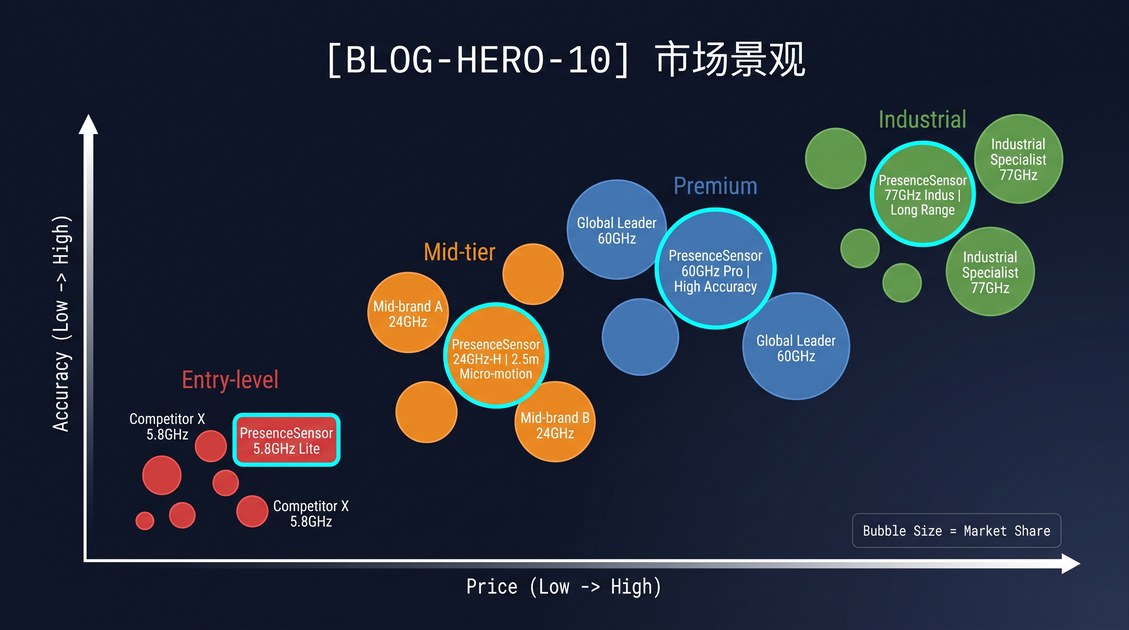
Saat ini, pasar sensor deteksi kehadiran global menampilkan pola pengembangan berjenjang. Pasar kelas atas didominasi oleh produk sensor deteksi kehadiran terintegrasi radar gelombang milimeter, yang terutama digunakan di smart home kelas atas, bangunan pintar, dan skenario pemantauan industri berpresisi tinggi, dengan nilai tambah produk tinggi dan ruang laba stabil; pasar kelas menengah ditempati oleh produk sensor deteksi kehadiran gelombang milimeter tunggal dan microwave, mencakup sebagian besar skenario transformasi cerdas komersial dan perkantoran; pasar kelas bawah didominasi oleh sensor deteksi kehadiran fusi inframerah pasif, yang banyak digunakan di fasilitas publik berkebutuhan rendah dan skenario keterkaitan cerdas sederhana. Dengan produksi massal chip sensor domestik dalam skala besar dan kematangan berkelanjutan teknologi algoritma independen, biaya sensor deteksi kehadiran terus menurun, dan tingkat penetrasi produk di pasar sipil dan komersial meningkat dengan cepat.
Dari sisi inovasi teknologi, tren perkembangan masa depan sensor deteksi kehadiran terutama tercermin dalam peningkatan algoritma AI cerdas, fusi sensor multidimensi, optimasi daya ultra-rendah, dan integrasi miniaturisasi. Pertama, pemberdayaan cerdas AI pada sensor deteksi kehadiran akan semakin mendalam. Generasi baru sensor deteksi kehadiran akan mengintegrasikan chip AI edge computing, mewujudkan analisis data real-time dan penilaian cerdas di lokasi, tanpa bergantung pada daya komputasi platform cloud, meningkatkan kecepatan respons dan stabilitas sensor. Algoritma AI akan semakin mengoptimalkan kemampuan sensor deteksi kehadiran dalam mengidentifikasi tubuh manusia dan objek non-manusia, sepenuhnya menghilangkan pemicuan palsu akibat hewan peliharaan, objek melayang, dan perubahan lingkungan, mencapai penilaian kehadiran 100% akurat.
Kedua, teknologi fusi multi-sensor sensor deteksi kehadiran akan semakin ditingkatkan. Sensor deteksi kehadiran masa depan akan mengintegrasikan lebih banyak modul sensor seperti radar gelombang milimeter, induksi microwave, sensor termal inframerah, deteksi suhu dan kelembapan, serta pemantauan kualitas udara, mewujudkan integrasi deteksi kehadiran manusia dan pemantauan parameter lingkungan. Satu sensor deteksi kehadiran tunggal dapat menyelesaikan beberapa fungsi pemantauan, sangat mengurangi jumlah penerapan dan biaya komprehensif perangkat keras cerdas di dalam ruangan, serta meningkatkan tingkat integrasi sistem cerdas.
Ketiga, daya ultra-rendah dan masa pakai baterai panjang sensor deteksi kehadiran akan menjadi konfigurasi standar industri. Dengan inovasi berkelanjutan teknologi chip hemat daya dan algoritma kontrol dormansi cerdas, konsumsi daya sensor deteksi kehadiran generasi baru akan semakin berkurang, dan masa pakai baterai produk berdaya baterai akan diperpanjang hingga lebih dari 5 tahun, pada dasarnya mewujudkan operasi bebas perawatan dalam seluruh siklus hidup peralatan. Pada saat yang sama, sensor deteksi kehadiran juga akan mengintegrasikan teknologi pemanenan energi, yang dapat mengumpulkan energi kecil seperti cahaya sekitar dan getaran untuk mewujudkan pasokan daya mandiri, sepenuhnya lepas dari ketergantungan pada baterai dan jalur daya.
Keempat, miniaturisasi dan integrasi tersembunyi sensor deteksi kehadiran akan semakin ditingkatkan. Sensor deteksi kehadiran masa depan akan berkembang ke arah ukuran ultra-kecil, desain ultra-tipis, dan integrasi modular, yang dapat disematkan secara tersembunyi di lampu, pendingin udara, plafon, dan furnitur, sepenuhnya mewujudkan integrasi peralatan dengan dekorasi ruang, tanpa merusak estetika keseluruhan ruang cerdas. Pada saat yang sama, kemampuan kustomisasi sensor deteksi kehadiran akan semakin ditingkatkan, dan jangkauan deteksi, sensitivitas, serta logika keterkaitan yang personal dapat dikustomisasi sesuai kebutuhan skenario berbeda, memenuhi kebutuhan cerdas yang berdiferensiasi dari berbagai industri.
Dari sisi perluasan aplikasi pasar, batas aplikasi sensor deteksi kehadiran akan terus meluas. Selain skenario smart home, bangunan pintar, dan industri yang sudah ada, sensor deteksi kehadiran akan banyak digunakan di bidang baru seperti kabin kendaraan cerdas, perawatan lansia pintar, pendidikan pintar, dan ritel tanpa awak. Dalam skenario kabin kendaraan cerdas, sensor deteksi kehadiran dapat memantau kehadiran penumpang dan anak-anak di dalam mobil, mewujudkan peringatan dini anti-ketinggalan dan kontrol lingkungan kabin cerdas; dalam skenario perawatan lansia pintar, sensor deteksi kehadiran dapat memantau status aktivitas lansia di rumah, mewujudkan peringatan dini jatuh dan pemantauan keselamatan tanpa mengganggu privasi; dalam skenario pendidikan pintar, sensor deteksi kehadiran dapat mewujudkan penghematan energi cerdas peralatan kelas dan pemantauan real-time personel kelas, membantu pembangunan cerdas kampus.
Kesimpulan: Sensor Deteksi Kehadiran Memimpin Era Baru Sensor Cerdas
Sebagai perangkat keras dasar inti teknologi sensor cerdas modern, sensor deteksi kehadiran telah sepenuhnya mengubah mode kerja peralatan sensor gerak tradisional dengan kemampuan deteksi statis uniknya, akurasi deteksi ultra-tinggi, adaptabilitas lingkungan yang sangat baik, dan kinerja keamanan privasi yang andal. Setelah bertahun-tahun iterasi teknologi dan validasi pasar, sensor deteksi kehadiran telah menjadi komponen kunci yang tak terpisahkan di bidang smart home, bangunan pintar, operasi komersial, pemantauan industri, dan keselamatan publik, menyediakan dukungan teknis yang kokoh bagi peningkatan cerdas, penghematan energi ramah lingkungan, dan operasi aman berbagai industri.
Nilai inti sensor deteksi kehadiran terletak pada mewujudkan persepsi cerdas yang berpusat pada manusia. Semua inovasi teknologi dan perluasan aplikasi sensor deteksi kehadiran berfokus pada penangkapan status kehadiran manusia secara akurat, optimalisasi lingkungan hidup dan kerja manusia, pengurangan pemborosan energi, dan penjaminan keamanan ruang. Berbeda dengan peralatan sensor tradisional yang hanya dapat mewujudkan deteksi gerak tunggal, kemampuan deteksi keadaan penuh dan keterkaitan cerdas sensor deteksi kehadiran membuat ruang cerdas benar-benar mewujudkan operasi otomatis yang "berorientasi manusia", sangat meningkatkan tingkat kecerdasan dan pengalaman pengguna lingkungan hunian dan kerja.
Melihat ke masa depan, dengan integrasi berkelanjutan teknologi AI, teknologi IoT, dan teknologi chip hemat daya, kinerja sensor deteksi kehadiran akan terus dioptimalkan, biaya akan terus menurun, dan skenario aplikasi akan terus diperkaya. Sensor deteksi kehadiran akan menjadi peralatan sensor dasar universal kota pintar, mencakup semua skenario ruang cerdas mulai dari kehidupan keluarga, pekerjaan kantor dan bisnis hingga produksi industri dan layanan publik. Popularisasi berkelanjutan dan inovasi teknologi sensor deteksi kehadiran akan semakin mendorong pengembangan berkualitas tinggi industri cerdas global, memimpin tren baru operasi ruang yang rendah karbon, hemat energi, aman, dan cerdas, serta menciptakan lingkungan hidup dan kerja yang lebih cerdas, nyaman, dan aman bagi umat manusia.
What Is a Presence Detection Sensor? Core Definition and Fundamental Working Principles
A presence detection sensor is a cutting-edge smart sensing device designed to accurately identify, monitor, and confirm the presence of human beings within a defined physical space, distinguishing itself fundamentally from traditional motion-sensing equipment. Unlike conventional motion sensors that only trigger responses to obvious physical movement, a professional presence detection sensor can capture subtle human biological signals and micro-movements, including chest breathing fluctuations, slight limb tremors, and static human presence when a person is sitting, lying down, or remaining completely stationary. This core capability makes the presence detection sensor an indispensable core component of modern smart environments, intelligent building systems, automated industrial equipment, and privacy-compliant monitoring solutions. The core mission of every presence detection sensor is to eliminate detection blind spots, reduce false trigger rates, and provide real-time, reliable human presence data for intelligent system decision-making, laying a solid foundation for energy saving, safety monitoring, and intelligent space management.
To fully understand the value of a presence detection sensor, it is essential to clarify its core working logic, which differs drastically from outdated sensing technologies. A traditional infrared motion sensor relies on the detection of thermal radiation changes caused by human movement, which means it cannot identify static human presence and often fails to work when users remain still for a short time. In contrast, a high-performance presence detection sensor adopts multi-dimensional sensing technologies, including millimeter-wave radar, microwave induction, passive infrared fusion, and biological signal perception, to continuously scan the monitoring area and collect real-time spatial data. The internal algorithm chip of the presence detection sensor filters environmental interference signals such as temperature changes, light fluctuations, dust, smoke, and non-human object movement, accurately locks human biological characteristics, and outputs stable presence judgment results. Whether in bright sunlight, dark night, dusty industrial workshops, or fully enclosed indoor spaces, the presence detection sensor can maintain stable and accurate detection performance, which is the key reason why it has gradually replaced traditional motion sensors in high-precision intelligent scenarios.
Another core advantage of the presence detection sensor lies in its privacy protection mechanism, which has become a critical competitive advantage in commercial and civil scenarios with strict privacy regulations. Unlike video monitoring equipment that collects visual image data, the presence detection sensor only captures abstract spatial signal data, point cloud information, and biological characteristic parameters, without recording, storing, or transmitting any personal image, facial feature, or identity information. This non-visual detection mode enables the presence detection sensor to fully comply with global privacy protection regulations such as GDPR and local data security laws, making it widely applicable in sensitive scenarios including office buildings, residential homes, hotel rooms, and medical wards. While realizing accurate human presence monitoring, the presence detection sensor completely avoids the privacy leakage risks brought by traditional video monitoring, achieving a perfect balance between intelligent monitoring and personal privacy protection.
Core Classification of Presence Detection Sensor: Main Types and Technical Characteristics
The presence detection sensor market has formed a diversified product system with the continuous iteration of sensing technology. According to different core sensing principles, hardware structures, and application scenarios, mainstream presence detection sensor products can be divided into four major categories: millimeter-wave radar presence detection sensor, microwave presence detection sensor, passive infrared fusion presence detection sensor, and multi-sensor integrated presence detection sensor. Each type of presence detection sensor has unique technical advantages, performance limitations, and applicable scenarios, and a detailed understanding of the classification characteristics of the presence detection sensor is the premise for selecting the most suitable equipment for different intelligent projects.
Comparison of the Four Presence Detection Sensor Types
| Type | Frequency / Principle | Detection Range | Static Detection | Cost | Best For |
|---|---|---|---|---|---|
| Millimeter-wave radar | 24–64GHz mmWave | 4–6m micro-motion | ✅ Breathing & heartbeat | High | Hotels, offices, high-end commercial |
| Microwave | Low-frequency microwave | Wide range, penetrates walls | ⚠️ Weak (active movement only) | Low | Warehouses, factories, basic lighting |
| PIR fusion | Passive infrared + temp compensation | Thermal radiation zone | ❌ None when static | Very low | Corridors, garages, low-budget retrofit |
| Multi-sensor integrated | mmWave + microwave + PIR + environmental | All-scenario, zero blind spot | ✅ Full-state | Highest | Smart buildings, medical, high-end industrial |
1. Millimeter-Wave Radar Presence Detection Sensor
The millimeter-wave radar presence detection sensor is currently the most mainstream and high-performance product in the global presence detection sensor industry, widely recognized as the gold standard for high-precision human presence detection. This type of presence detection sensor works in the 24GHz to 64GHz ISM global universal frequency band, featuring ultra-high spatial resolution and micro-motion capture capability. The core working principle of the millimeter-wave radar presence detection sensor is to emit high-frequency millimeter-wave signals outward, receive echo signals reflected by human bodies and objects in the space, and analyze the frequency shift, phase change, and signal strength of the echo through a high-precision algorithm chip to judge human presence, movement state, and static state.
The biggest technical highlight of the millimeter-wave radar presence detection sensor is its ability to capture ultra-subtle biological movements. A high-quality millimeter-wave radar presence detection sensor can accurately identify the slight chest fluctuation caused by human breathing and heartbeat within a 4-6 meter range, realizing true full-state detection of walking, moving, sitting, and lying static presence. In terms of environmental adaptability, this presence detection sensor is completely unaffected by ambient light, temperature, humidity, dust, smoke, and other environmental factors, and can penetrate non-metallic materials such as acrylic, thin wood boards, and plastic shells, supporting hidden embedded installation without affecting indoor decoration aesthetics.
In addition, the advanced millimeter-wave radar presence detection sensor supports multi-zone customized detection and multi-person simultaneous identification. High-end models can divide the monitoring space into up to 30 independent detection zones, realizing regional precise monitoring and targeted signal output, and can stably identify up to 5 people in the same space at the same time. The main limitations of this presence detection sensor are relatively high manufacturing costs and slight signal interference in extreme high-density metal environments, but its comprehensive performance far exceeds other types of sensing equipment, making it the preferred presence detection sensor for high-end smart homes, intelligent office buildings, and commercial space management.
2. Microwave Presence Detection Sensor
The microwave presence detection sensor is a cost-effective basic type of presence detection sensor, which uses low-frequency microwave signal induction technology to realize human presence monitoring. Different from millimeter-wave radar, the microwave presence detection sensor adopts lower frequency microwave signals, with stronger signal penetration and wider detection range, but relatively lower accuracy in micro-motion detection. The working principle of the microwave presence detection sensor is to continuously emit microwave signals to the surrounding space. When a human body enters the monitoring area and produces any movement, the microwave echo signal changes, and the sensor triggers a presence judgment signal.
The core advantages of the microwave presence detection sensor are low cost, simple structure, ultra-wide detection range, and strong obstacle penetration ability. This presence detection sensor can penetrate walls, wooden doors, and thin partition boards to monitor human movement in adjacent spaces, and is suitable for large-space monitoring scenarios such as warehouses, factory workshops, and open office areas. Compared with millimeter-wave radar products, the microwave presence detection sensor has weaker static detection capability, and it is difficult to capture ultra-subtle breathing fluctuations, so it is more sensitive to human active movement and slightly less accurate for long-term static human presence detection.
In practical applications, the microwave presence detection sensor is often used in low-budget intelligent transformation projects, basic industrial safety monitoring, and simple smart lighting linkage scenarios. With the upgrading of algorithm technology, the new generation of microwave presence detection sensor has optimized static detection algorithms, effectively reducing false negative rates for static human presence, and gradually narrowing the performance gap with high-end millimeter-wave radar presence detection sensor products, maintaining an important market share in the mid-to-low-end sensing market.
3. Passive Infrared (PIR) Fusion Presence Detection Sensor
The passive infrared fusion presence detection sensor is an upgraded product of traditional single infrared motion sensors, which integrates passive infrared sensing technology and auxiliary environmental correction algorithms to realize basic human presence detection. The core working principle of this presence detection sensor is to collect infrared thermal radiation signals emitted by the human body. Since the human body maintains a constant temperature and emits specific wavelength infrared radiation, the presence detection sensor can identify human existence by capturing changes in thermal radiation in the space.
Compared with traditional single PIR sensors, the fused presence detection sensor adds temperature compensation and environmental interference filtering algorithms, which effectively reduces false triggers caused by ambient temperature changes, pet movement, and hot air flow. The advantages of this presence detection sensor are ultra-low power consumption, ultra-low cost, small size, and easy installation and deployment. It is very suitable for battery-powered low-power intelligent devices, small indoor spaces, and temporary monitoring scenarios. However, the inherent technical limitation of the passive infrared fusion presence detection sensor is that it cannot detect completely static human presence. When the human body remains still for a long time and the thermal radiation signal is stable, the presence detection sensor will mistakenly judge no one in the space, resulting in functional failure.
Therefore, the passive infrared fusion presence detection sensor is mostly used in low-demand scenarios such as corridor lighting control, garage access monitoring, and simple home anti-theft linkage, and is often used in combination with other high-precision presence detection sensor equipment in high-precision intelligent systems to form a complementary sensing solution with low power consumption and high accuracy.
4. Multi-Sensor Integrated Presence Detection Sensor
The multi-sensor integrated presence detection sensor is a comprehensive high-end sensing device that integrates millimeter-wave radar, microwave induction, passive infrared, temperature and humidity sensing, and wireless signal detection technologies. This type of presence detection sensor abandons the single technical limitation of traditional equipment, and through the fusion calculation of multiple sensing signals and AI intelligent algorithms, it achieves all-scenario, full-state, and high-stability human presence detection. The core innovation of the integrated presence detection sensor is the multi-dimensional data fusion mechanism: millimeter-wave radar is responsible for capturing subtle static and micro-motion signals, microwave sensing covers large-range moving targets, passive infrared assists in filtering non-human thermal interference, and wireless signal induction supplements offline crowd monitoring, realizing zero-blind-spot presence detection.
The comprehensive performance of the multi-sensor integrated presence detection sensor is the most outstanding among all types of products. It not only has ultra-high static detection accuracy and ultra-wide monitoring range, but also has extremely low false trigger and false negative rates, and can adapt to complex and changeable extreme environments. In addition, this presence detection sensor is equipped with rich intelligent linkage interfaces, supporting Wi-Fi, Bluetooth, Zigbee, and other multi-protocol wireless communication, which can be seamlessly connected with smart home systems, building automation platforms, and industrial IoT management platforms.
The only shortcoming of the multi-sensor integrated presence detection sensor is its high equipment cost and complex debugging and deployment process, so it is mainly used in high-standard intelligent scenarios such as smart office buildings, high-end commercial complexes, intelligent medical institutions, and industrial intelligent monitoring systems. With the popularization of IoT technology and large-scale mass production of sensors, the cost of the integrated presence detection sensor is gradually decreasing, and it is expected to become the mainstream product of the presence detection sensor market in the next few years.
Core Technical Advantages of Modern Presence Detection Sensor Over Traditional Sensing Equipment
The rapid popularization of the presence detection sensor in various intelligent industries is fundamentally due to its comprehensive technical advantages over traditional motion sensors, infrared sensors, and video monitoring equipment. In the era of traditional intelligent sensing, most space automation systems rely on single motion detection equipment, which has long-term pain points such as static detection failure, high false trigger rate, poor environmental adaptability, and serious privacy risks. The modern upgraded presence detection sensor completely solves these industry pain points through technological innovation and algorithm optimization, and its core advantages are reflected in static full-state detection, anti-interference performance, privacy security, intelligent identification capability, and long-term stability, making the presence detection sensor the core upgrade direction of the global intelligent sensing industry.
First of all, the most revolutionary advantage of the presence detection sensor is its true static human presence detection capability, which is the essential difference between the presence detection sensor and traditional motion sensors. Traditional motion sensors can only sense obvious human movement. Once the user sits quietly in the office, lies still in the bedroom, or stays static in a meeting room, the traditional sensor will mistakenly judge that there is no one in the space, and trigger operations such as turning off lights, cutting off power, and closing air conditioners, which seriously affects user experience and intelligent system practicability. In sharp contrast, the high-performance presence detection sensor can capture the tiny biological vibration signals generated by human breathing and heartbeat, accurately confirm human static presence, and maintain continuous system power supply and intelligent linkage services. This full-state detection capability enables the presence detection sensor to realize real "people in, equipment on; people out, equipment off" intelligent control, completely solving the long-standing problem of misoperation of traditional intelligent systems.
Secondly, the presence detection sensor has ultra-strong environmental anti-interference ability and all-weather working performance, which greatly expands the application boundary of intelligent sensing equipment. Traditional infrared sensors are extremely sensitive to ambient light and temperature changes, and are prone to false triggers due to strong light exposure, hot air flow, and seasonal temperature differences, and cannot work normally in dark environments. Traditional microwave sensors are easily interfered by moving objects such as pets and floating dust, resulting in unstable detection data. However, the mainstream presence detection sensor adopts professional environmental interference filtering algorithms and physical signal shielding design, which is completely free from the influence of light, temperature, humidity, dust, smoke, and small animal movement. Whether it is a dark underground garage, a dusty industrial workshop, a high-temperature outdoor open space, or a humid indoor environment, the presence detection sensor can maintain stable and accurate detection results, realizing 24-hour uninterrupted all-weather operation.
Thirdly, the presence detection sensor has inherent privacy security advantages, which is an important reason for its large-scale promotion in civil and commercial scenarios. Traditional video monitoring equipment needs to collect, store and transmit user image data, which has huge privacy leakage risks and is strictly restricted in private spaces such as families, hotels, and office rooms. The presence detection sensor adopts non-visual signal detection technology, and all collected data are abstract spatial point cloud data and biological characteristic parameters, without any personal identifiable information. The internal data processing program of the presence detection sensor only judges the presence or absence of human beings, and will not record user behavior tracks, facial features, and personal privacy information, fully meeting the strict requirements of global privacy protection laws and regulations. For smart home users, enterprise office managers, and public space operators, the presence detection sensor provides a safe and reliable intelligent monitoring solution that balances functional needs and privacy protection.
In addition, the modern presence detection sensor has intelligent multi-target identification and regional precise detection capabilities, which greatly improves the refinement level of intelligent space management. Traditional sensing equipment can only simply judge whether there is someone in the space, without the ability to distinguish the number of people and activity areas, resulting in low-precision linkage of intelligent equipment and serious energy waste. The upgraded presence detection sensor supports multi-person simultaneous identification and customized zoning detection, which can accurately count the number of people in the space, monitor the activity track of personnel, and realize regional differentiated intelligent control. For example, the presence detection sensor can independently control the lighting and air conditioning equipment in different areas of the office building, only turning on the equipment in the manned area and turning off the idle area equipment, realizing refined energy saving and consumption reduction, which cannot be achieved by any traditional sensing equipment.
Finally, the presence detection sensor has ultra-low power consumption, long service life, and high deployment flexibility, reducing the operation and maintenance cost of intelligent systems. Most mainstream presence detection sensor products adopt low-power chip design and intelligent dormancy algorithms. The static power consumption of the equipment is extremely low, and battery-powered products can work continuously for more than 2-3 years without frequent battery replacement. At the same time, the miniaturized design of the presence detection sensor supports various installation methods such as ceiling installation, wall mounting, and embedded hidden installation, which can be perfectly adapted to various space decoration styles without damaging the overall aesthetics of the environment. Compared with traditional large-scale monitoring equipment and high-power sensing devices, the presence detection sensor has lower deployment cost, simpler construction process, and lower later operation and maintenance pressure, which is more suitable for large-scale popularization and application.
Diversified Application Scenarios of Presence Detection Sensor in Modern Intelligent Industries
With the continuous maturity of presence detection sensor technology and the continuous reduction of product costs, the presence detection sensor has penetrated into almost all fields of modern intelligent construction, including smart home life, intelligent building management, commercial space operation, industrial intelligent monitoring, public safety management, and intelligent medical care. The high-precision, high-security, and high-stability characteristics of the presence detection sensor enable it to solve personalized pain points in different industries, realize intelligent automation control, energy-saving and consumption reduction, and safety risk early warning, and become an indispensable basic hardware for the construction of smart cities and intelligent IoT systems.
1. Smart Home Scenarios: Improve Living Comfort and Energy Saving Efficiency
The smart home is the most extensive application scenario of the presence detection sensor, and the popularization of the presence detection sensor has completely upgraded the intelligence level of home living systems. In traditional smart home solutions, motion sensors are widely used for lighting and electrical linkage control, but the problem of accidental shutdown during static residence has always plagued users. The application of the presence detection sensor completely solves this problem, realizing human-centric full-intelligent home control. In the bedroom, living room, study, and other living spaces, the installed presence detection sensor can accurately sense whether the user is staying statically or moving actively. When the user is sitting quietly working, reading, or lying down resting, the presence detection sensor will continuously output a presence signal to keep the lights, air conditioners, humidifiers, and other equipment running normally; when the user leaves the space completely, the presence detection sensor will immediately trigger the intelligent linkage system to turn off idle electrical equipment, avoiding unnecessary energy waste.
In addition to basic electrical linkage, the presence detection sensor also realizes personalized scene customization for smart homes. Through the cooperative work of multiple presence detection sensor devices deployed in different rooms, the smart home system can accurately judge the user's activity area and living state, and automatically switch corresponding intelligent scenes. For example, when the presence detection sensor detects that the user enters the study and keeps static for a long time, the system automatically turns on the study lighting and adjusts the air conditioner to a comfortable temperature; when the presence detection sensor detects that the user enters the bedroom and lies still, the system automatically turns off the living room and study equipment, turns on the night light, and switches to the sleep scene; when all presence detection sensor devices in the house detect no human presence, the system automatically enters the away mode, turns off all household electrical equipment, and starts the anti-theft monitoring system.
The privacy protection advantage of the presence detection sensor is particularly important in home scenarios. Unlike home cameras that have privacy leakage risks, the presence detection sensor only senses human presence without collecting any personal image and behavior data, allowing users to enjoy intelligent life convenience without worrying about privacy security. At present, high-end smart home brands have taken the presence detection sensor as the core standard configuration of new smart home systems, replacing traditional motion sensors in an all-round way, and the market penetration rate of household presence detection sensor is increasing year by year.
2. Intelligent Building & Office Scenarios: Realize Refined Space Management and Green Energy Saving
Intelligent office buildings and commercial buildings are the core application fields of industrial-grade presence detection sensor products, and the large-scale deployment of the presence detection sensor is an important technical means to realize building energy conservation, emission reduction, and refined space management. Modern office buildings have a large number of office spaces, meeting rooms, corridors, and public rest areas, with scattered personnel activity rules and serious idle energy waste. Traditional timing control and manual switching management methods have low efficiency and poor energy-saving effect, while the deployment of a large number of presence detection sensor devices can realize real-time perception and intelligent linkage of building space personnel status.
In office areas, evenly deployed presence detection sensor devices can monitor the manned status of each office area in real time. When employees work statically at their desks, the presence detection sensor maintains the normal operation of regional lighting, air conditioning, and ventilation equipment; when employees leave their posts for meetings or business trips, the presence detection sensor immediately feeds back the idle space signal to the building automation system, and automatically turns off the idle equipment to reduce building energy consumption. In meeting room scenarios, the presence detection sensor can accurately judge the start and end of meetings: when personnel enter the meeting room and stay, the system automatically turns on meeting equipment; when all personnel leave, the presence detection sensor triggers the equipment shutdown program to avoid long-term idle operation of meeting room electrical equipment.
In addition, the presence detection sensor can assist building managers in realizing intelligent space utilization analysis. By collecting real-time monitoring data of all presence detection sensor devices in the building, the background management platform can statistically analyze the occupancy rate, peak activity period, and idle duration of each functional area of the building, providing data support for office space optimization, functional area adjustment, and personnel scheduling. For example, through the long-term data statistics of the presence detection sensor, managers can find long-term idle office areas and meeting rooms, and carry out space reconstruction and resource optimization allocation to improve the utilization rate of building space. At the same time, the presence detection sensor can also be linked with the building fire safety system. In case of fire and other emergencies, the presence detection sensor can quickly feed back the personnel distribution in the building, helping rescue personnel quickly determine the trapped area and improve rescue efficiency.
3. Commercial Retail Scenarios: Optimize Customer Experience and Precise Operation
In shopping malls, supermarkets, brand stores, and other commercial retail scenarios, the presence detection sensor plays an important role in customer flow monitoring, passenger behavior analysis, and intelligent equipment linkage. Traditional commercial customer flow monitoring mostly uses infrared counters and video statistics, which have the problems of low accuracy, serious privacy leakage risks, and inability to identify static passenger retention. The application of the presence detection sensor solves these pain points, realizing high-precision, privacy-compliant commercial space passenger monitoring and intelligent operation.
The presence detection sensor deployed in commercial stores can accurately count the number of incoming customers, monitor customer stay time and activity track, and help merchants analyze store passenger flow rules and hot-selling area distribution. Different from video monitoring, the presence detection sensor only collects crowd presence data without recording customer facial information and behavior details, which fully protects customer privacy and avoids customer resistance. Through the data analysis of the presence detection sensor, merchants can accurately grasp the peak and trough periods of passenger flow, adjust staff scheduling and commodity display strategies in a targeted manner, and improve store operation efficiency.
At the same time, the presence detection sensor can realize intelligent energy-saving control of commercial space equipment. Shopping malls and stores have long business hours and large power consumption of lighting, air conditioning, and advertising display equipment. The presence detection sensor can adjust the operating state of equipment according to the real-time passenger flow: when there are many customers in the mall, the equipment operates at full power to ensure a comfortable shopping environment; when the passenger flow is scarce or the store is idle, the presence detection sensor triggers the energy-saving mode to reduce equipment power consumption. In addition, the presence detection sensor can also be linked with intelligent advertising screens and guidance equipment. When the presence detection sensor detects customer stay in front of the advertising screen, it automatically plays targeted advertising content to improve advertising conversion rate; when no one stays, it switches to low-power standby mode to save energy.
4. Industrial Intelligent Monitoring Scenarios: Ensure Production Safety and Standardized Operation
Industrial production workshops, automated production lines, warehouse storage spaces, and chemical industrial parks have high requirements for safety monitoring and personnel management, and the presence detection sensor has become an important safety monitoring equipment in industrial intelligent scenarios with its high stability, strong anti-interference, and all-weather working characteristics. The industrial production environment is complex, with many interference factors such as mechanical operation vibration, dust floating, temperature and humidity changes, and traditional sensing equipment is prone to detection failure and false alarm, while the industrial-grade presence detection sensor can adapt to harsh industrial environments and maintain long-term stable detection performance.
In automated production line scenarios, the presence detection sensor is mainly used for personnel safety protection. High-speed operating mechanical equipment has certain safety risks. The presence detection sensor deployed around the production line can monitor personnel entry in real time. When workers approach the dangerous operation area by mistake, the presence detection sensor immediately triggers an alarm signal and linkage equipment power-off protection to avoid mechanical injury accidents. When no one is in the dangerous area, the equipment operates normally, ensuring the safety and efficiency of industrial production.
In industrial warehouse and storage scenarios, the presence detection sensor realizes intelligent personnel access management and energy-saving control. Large industrial warehouses have large space and scattered personnel activity ranges. The presence detection sensor can monitor the personnel presence status in the warehouse in real time. When staff enter the warehouse for inventory sorting and handling, the system automatically turns on lighting and ventilation equipment; when all staff leave the warehouse, the presence detection sensor triggers the equipment shutdown and anti-theft alarm system to reduce warehouse energy consumption and ensure storage safety. In addition, the presence detection sensor can also be used for personnel attendance and activity track statistics in the factory area, helping factory managers standardize personnel management and improve production management efficiency.
5. Public Facilities & Intelligent Medical Scenarios
In public facilities such as subway stations, elevator cabins, public toilets, and corridor passages, as well as intelligent medical scenarios such as hospital wards and outpatient halls, the presence detection sensor provides safe, efficient, and privacy-protected intelligent monitoring services. In elevator operation management, the presence detection sensor can accurately sense the number of passengers in the elevator cabin and the presence of stranded personnel. When the elevator fails and stops, the presence detection sensor can quickly detect stranded personnel and trigger an alarm to notify maintenance personnel, avoiding safety accidents caused by long-term stranding. At the same time, the presence detection sensor can also realize energy-saving control of elevator lighting and ventilation, automatically turning off idle equipment when the elevator is unmanned.
In intelligent medical scenarios, the presence detection sensor is widely used in hospital wards, intensive care units, and outpatient rooms. The medical environment has extremely high requirements for privacy protection and monitoring accuracy. The presence detection sensor can monitor the presence of patients and medical staff in the ward in real time without collecting any personal privacy information. It can realize intelligent linkage of ward lighting, nursing call system, and ventilation equipment, providing a comfortable and safe medical environment for patients. In addition, the presence detection sensor can also assist in nursing management, monitoring the stay time of medical staff in the ward and the activity status of patients, providing data support for standardized medical nursing work.
Key Selection Parameters and Deployment Standards of Presence Detection Sensor
To give full play to the performance advantages of the presence detection sensor and avoid functional mismatch and resource waste, it is necessary to select and deploy the presence detection sensor according to the actual scenario demand. Different types of presence detection sensor products have huge differences in detection range, accuracy, power consumption, communication mode, and environmental adaptability. Mastering the core selection parameters and standardized deployment principles of the presence detection sensor is the key to ensuring the stable operation of intelligent sensing systems.
Key Selection Parameters at a Glance
- Detection range & coverage — match sensor coverage to space size (household 10–20 m², office 30–40 m², industrial wide-area); avoid under-coverage or over-configuration.
- Static detection accuracy — high-end mmWave captures breathing-level micro-motion at 4–6m with zero false negatives; low-end models only catch large movements.
- Communication protocol — confirm Wi-Fi, Bluetooth, Zigbee, or MQTT matches your existing IoT platform to avoid integration failure.
- Power mode — plug-in AC for fixed indoor spaces; battery low-power (2+ year battery life) for retrofit or no-wiring scenarios.
- Deployment standards — indoor ceiling mount 2.5–3m or wall mount 1.8–2.2m for full coverage; avoid metal obstruction; plan density to eliminate blind zones without redundant overlap.
First, the detection range and coverage area are the primary selection indicators of the presence detection sensor. Different application spaces have different area sizes and spatial heights, and it is necessary to match the corresponding presence detection sensor coverage parameters. Household mini presence detection sensor products are suitable for small spaces such as bedrooms and studies, with a coverage area of 10-20 square meters; commercial and office-grade presence detection sensor can cover 30-40 square meters of space, suitable for large office areas and meeting rooms; industrial-grade high-power presence detection sensor has a super-wide coverage range, which can meet the monitoring needs of large workshops and warehouses. In the selection process, it is necessary to avoid insufficient coverage caused by excessive pursuit of low-cost small-range presence detection sensor, and also avoid resource waste caused by excessive configuration of high-power equipment in small spaces.
Second, the static detection accuracy and micro-motion capture capability of the presence detection sensor are core performance indicators that determine the product experience. High-quality presence detection sensor can capture breathing-level subtle biological movements within 4-6 meters, with zero false negative rate for static human presence; medium and low-end presence detection sensor can only capture large-scale movements, with poor static detection effect. For high-demand scenarios such as smart homes and high-end offices, it is necessary to select millimeter-wave radar-based high-precision presence detection sensor; for low-demand industrial auxiliary monitoring and public corridor lighting scenarios, cost-effective microwave or infrared fusion presence detection sensor can be selected.
Third, the communication protocol and intelligent linkage compatibility of the presence detection sensor determine the scalability of the system. Modern intelligent systems require equipment to support multi-protocol wireless communication and seamless connection with IoT platforms. Most mainstream presence detection sensor products support Wi-Fi, Bluetooth, Zigbee, and MQTT protocols, which can be compatible with most smart home platforms and building automation systems. When selecting the presence detection sensor, it is necessary to confirm whether the equipment communication protocol matches the existing intelligent system to avoid compatibility failure and unable to realize intelligent linkage.
Fourth, the power consumption mode and power supply type of the presence detection sensor need to match the deployment environment. The presence detection sensor is divided into plug-in AC power supply and battery-powered low-power models. Plug-in presence detection sensor has stable power supply and continuous working performance, suitable for fixed indoor spaces with power supply conditions; battery-powered presence detection sensor has flexible deployment and no wiring requirements, suitable for temporary monitoring scenarios and spaces without reserved power supply lines. Low-power presence detection sensor can work continuously for more than 2 years with a single battery replacement, with extremely low later maintenance cost.
In terms of deployment standards, the installation height and angle of the presence detection sensor directly affect the detection accuracy. The optimal installation height of the indoor civilian presence detection sensor is 2.5-3 meters (ceiling installation) or 1.8-2.2 meters (wall mounting), which can realize full-space coverage without detection blind spots. The industrial-grade presence detection sensor needs to adjust the installation height according to the space height and avoid blocking by metal obstacles, so as not to affect signal transmission and reception. At the same time, the deployment density of the presence detection sensor should be reasonably planned according to the space area, ensuring no overlapping monitoring dead zones and no excessive repeated coverage, balancing detection accuracy and deployment cost.
Current Market Development Status and Future Innovation Trends of Presence Detection Sensor
Driven by the rapid development of smart cities, IoT technology, and green energy-saving policies, the global presence detection sensor market has maintained rapid growth in recent years, and the presence detection sensor industry has ushered in a period of rapid technological iteration and market expansion. With the continuous upgrading of intelligent demand in various industries, the market demand for high-precision, low-power, multi-functional, and high-privacy presence detection sensor products continues to rise, and the presence detection sensor is gradually replacing traditional motion sensors and becoming the mainstream sensing equipment in the intelligent hardware market.
At present, the global presence detection sensor market presents a pattern of hierarchical development. The high-end market is dominated by millimeter-wave radar integrated presence detection sensor products, which are mainly used in high-end smart homes, intelligent buildings, and industrial high-precision monitoring scenarios, with high product added value and stable profit space; the mid-end market is occupied by single millimeter-wave and microwave presence detection sensor products, covering most commercial and office intelligent transformation scenarios; the low-end market is dominated by passive infrared fusion presence detection sensor, which is widely used in low-demand public facilities and simple intelligent linkage scenarios. With the large-scale mass production of domestic sensor chips and the continuous maturity of independent algorithm technology, the cost of the presence detection sensor continues to decline, and the product penetration rate in civil and commercial markets is rapidly improving.
In terms of technological innovation, the future development trend of the presence detection sensor is mainly reflected in AI intelligent algorithm upgrading, multi-dimensional sensing fusion, ultra-low power consumption optimization, and miniaturization integration. First, the AI intelligent empowerment of the presence detection sensor will be further deepened. The new generation of presence detection sensor will integrate edge computing AI chips, realizing on-site real-time data analysis and intelligent judgment, without relying on cloud platform computing power, improving the response speed and stability of the sensor. The AI algorithm will further optimize the human body and non-human object identification ability of the presence detection sensor, completely eliminating false triggers caused by pets, floating objects, and environmental changes, achieving 100% accurate presence judgment.
Second, the multi-sensor fusion technology of the presence detection sensor will be further upgraded. The future presence detection sensor will integrate more sensing modules such as millimeter-wave radar, microwave induction, infrared thermal sensing, temperature and humidity detection, and air quality monitoring, realizing the integration of human presence detection and environmental parameter monitoring. A single presence detection sensor can complete multiple monitoring functions, greatly reducing the deployment quantity and comprehensive cost of intelligent hardware in the space, and improving the integration level of intelligent systems.
Third, the ultra-low power consumption and long battery life of the presence detection sensor will become the standard configuration of the industry. With the continuous innovation of low-power chip technology and dormant intelligent control algorithms, the power consumption of the new generation presence detection sensor will be further reduced, and the battery life of battery-powered products will be extended to more than 5 years, basically realizing maintenance-free operation in the whole life cycle of the equipment. At the same time, the presence detection sensor will also integrate energy harvesting technology, which can collect tiny energy such as ambient light and vibration to realize self-power supply, completely getting rid of the dependence on batteries and power lines.
Fourth, the miniaturization and hidden integration of the presence detection sensor will be further improved. The future presence detection sensor will develop towards ultra-small size, ultra-thin design, and modular integration, which can be embedded in lamps, air conditioners, ceilings, and furniture in a hidden way, completely realizing the integration of equipment and space decoration, without destroying the overall aesthetic of the intelligent space. At the same time, the customization capability of the presence detection sensor will be further enhanced, and personalized detection range, sensitivity, and linkage logic can be customized according to different scenario needs, meeting the differentiated intelligent needs of various industries.
In terms of market application expansion, the application boundary of the presence detection sensor will continue to expand. In addition to the existing smart home, intelligent building, and industrial scenarios, the presence detection sensor will be widely used in emerging fields such as intelligent vehicle cabins, smart elderly care, smart education, and unmanned retail. In the intelligent vehicle cabin scenario, the presence detection sensor can monitor the presence of passengers and children in the car, realizing anti-forgotten early warning and intelligent cabin environment control; in the smart elderly care scenario, the presence detection sensor can monitor the activity status of the elderly at home, realizing fall early warning and safety monitoring without privacy invasion; in the smart education scenario, the presence detection sensor can realize intelligent energy saving of classroom equipment and real-time monitoring of classroom personnel, helping the intelligent construction of campus.
Conclusion: Presence Detection Sensor Leads the New Era of Intelligent Sensing
As the core basic hardware of modern intelligent sensing technology, the presence detection sensor has completely subverted the working mode of traditional motion sensing equipment with its unique static detection capability, ultra-high detection accuracy, excellent environmental adaptability, and reliable privacy security performance. After years of technological iteration and market verification, the presence detection sensor has become an indispensable key component in smart homes, intelligent buildings, commercial operation, industrial monitoring, and public safety fields, providing solid technical support for the intelligent upgrading, green energy saving, and safe operation of various industries.
The core value of the presence detection sensor lies in realizing human-centric intelligent perception. All technological innovations and application expansions of the presence detection sensor are centered on accurately capturing human presence status, optimizing human living and working environment, reducing energy waste, and ensuring space safety. Different from traditional sensing equipment that can only realize single motion detection, the full-state detection and intelligent linkage capability of the presence detection sensor make the intelligent space truly realize "people-oriented" automatic operation, greatly improving the intelligence level and user experience of the living and working environment.
Looking forward to the future, with the continuous integration of AI technology, IoT technology, and low-power chip technology, the performance of the presence detection sensor will continue to be optimized, the cost will continue to be reduced, and the application scenarios will continue to be enriched. The presence detection sensor will become the universal basic sensing equipment of smart cities, covering all intelligent space scenarios from family life, office work and business to industrial production and public services. The continuous popularization and technological innovation of the presence detection sensor will further promote the high-quality development of the global intelligent industry, lead the new trend of low-carbon, energy-saving, safe and intelligent space operation, and create a more intelligent, comfortable and safe living and working environment for human beings.
blog.inArticleCta.title
blog.inArticleCta.description
contentGraph.title
contentGraph.description
contentGraph.sections.products
3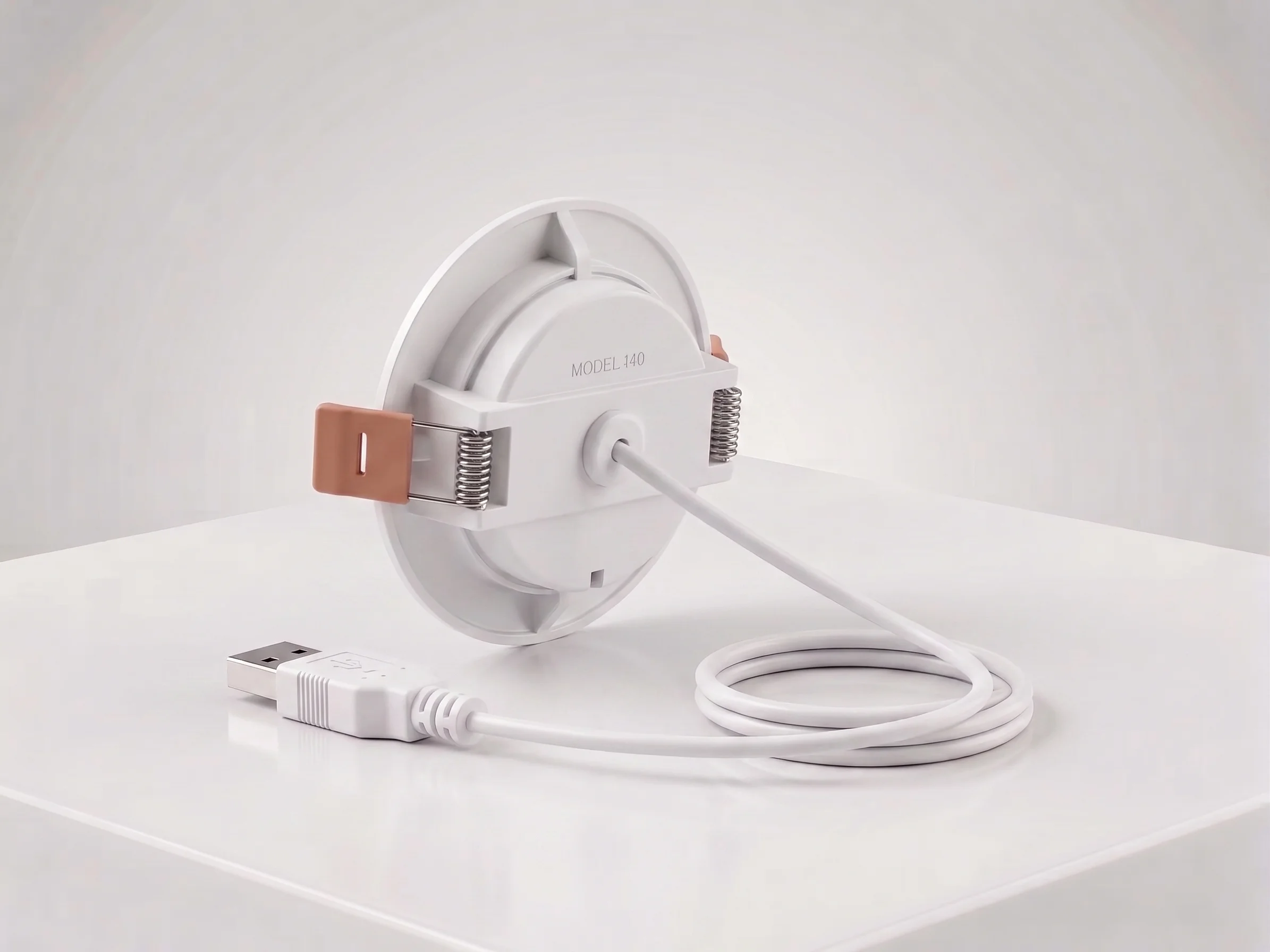
Sensor Kehadiran Manusia mmWave Plafon — Matter over Thread
Sensor kehadiran mmWave plafon 24GHz: gerak 10m, mikro-gerak 2.5m, deteksi napas. 120°, DC5V, Matter over Thread untuk Apple Home, Google Home, dan Alexa.
contentGraph.reasons.explicit
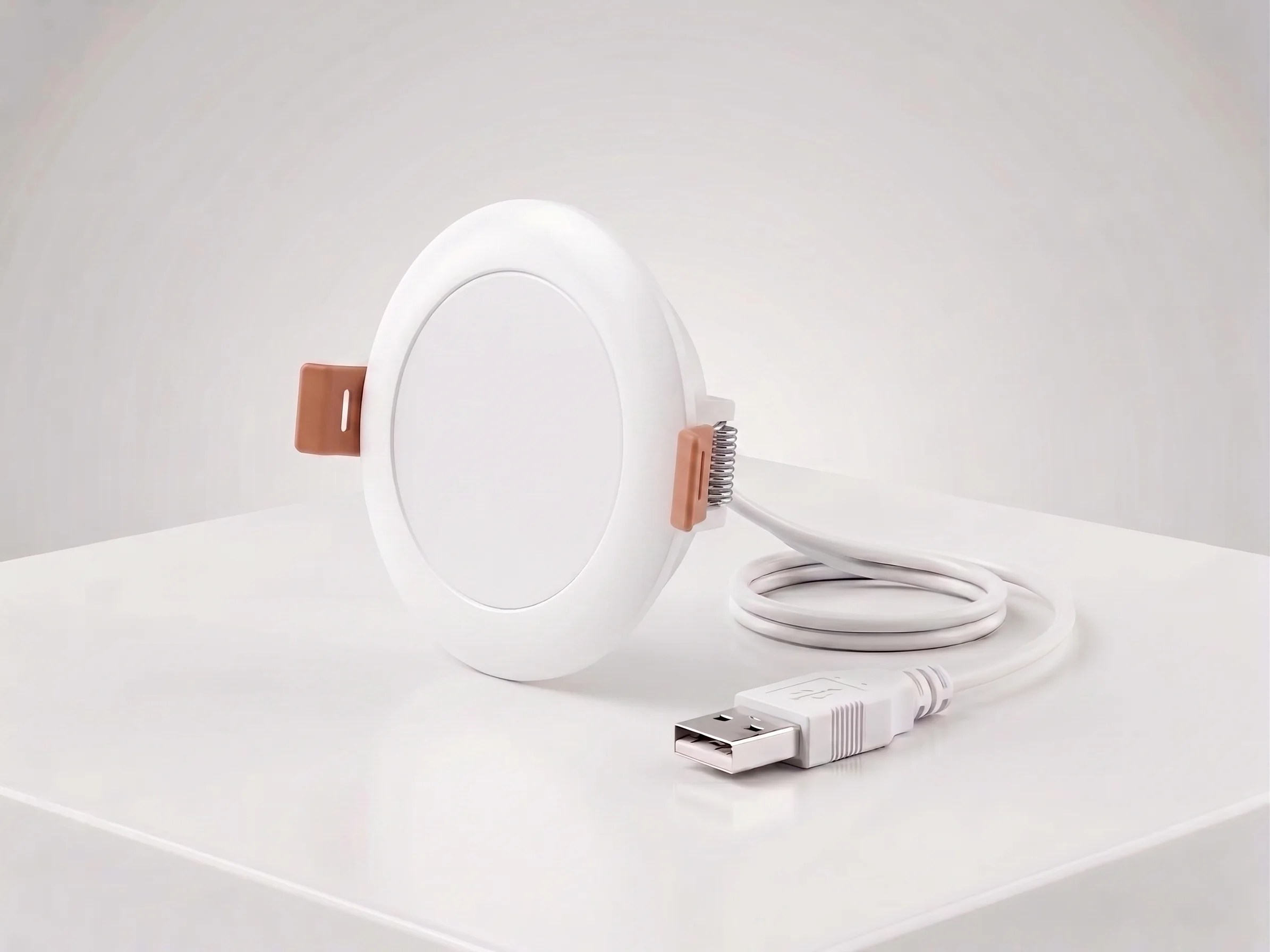
Sensor Kehadiran Manusia mmWave Pasang Plafon — Zigbee
Sensor kehadiran mmWave 24GHz pita lebar untuk plafon: deteksi gerak 10m, mikro-gerak 2,5m, deteksi napas. Sudut 120°, DC5V, Zigbee 3.0, untuk kamar hotel.
contentGraph.reasons.explicit
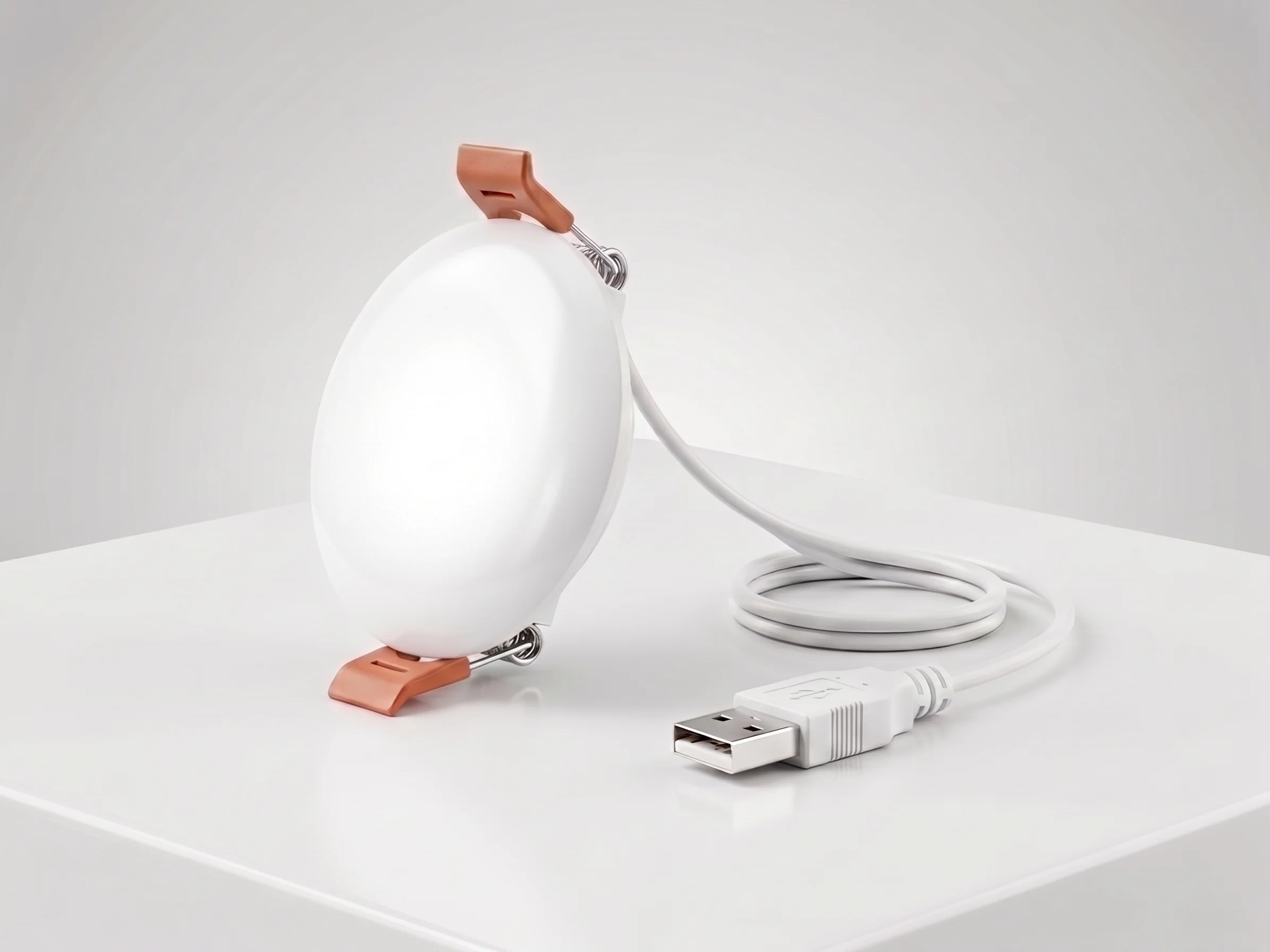
Sensor Kehadiran Manusia mmWave Plafon — WiFi
Sensor kehadiran mmWave 24GHz plafon, deteksi gerak 10m, mikro-gerak 2.5m, pernapasan. Sudut 120°, DC5V, WiFi 2.4GHz. Tanpa gateway, ideal retrofit hotel.
contentGraph.reasons.explicit
contentGraph.sections.solutions
1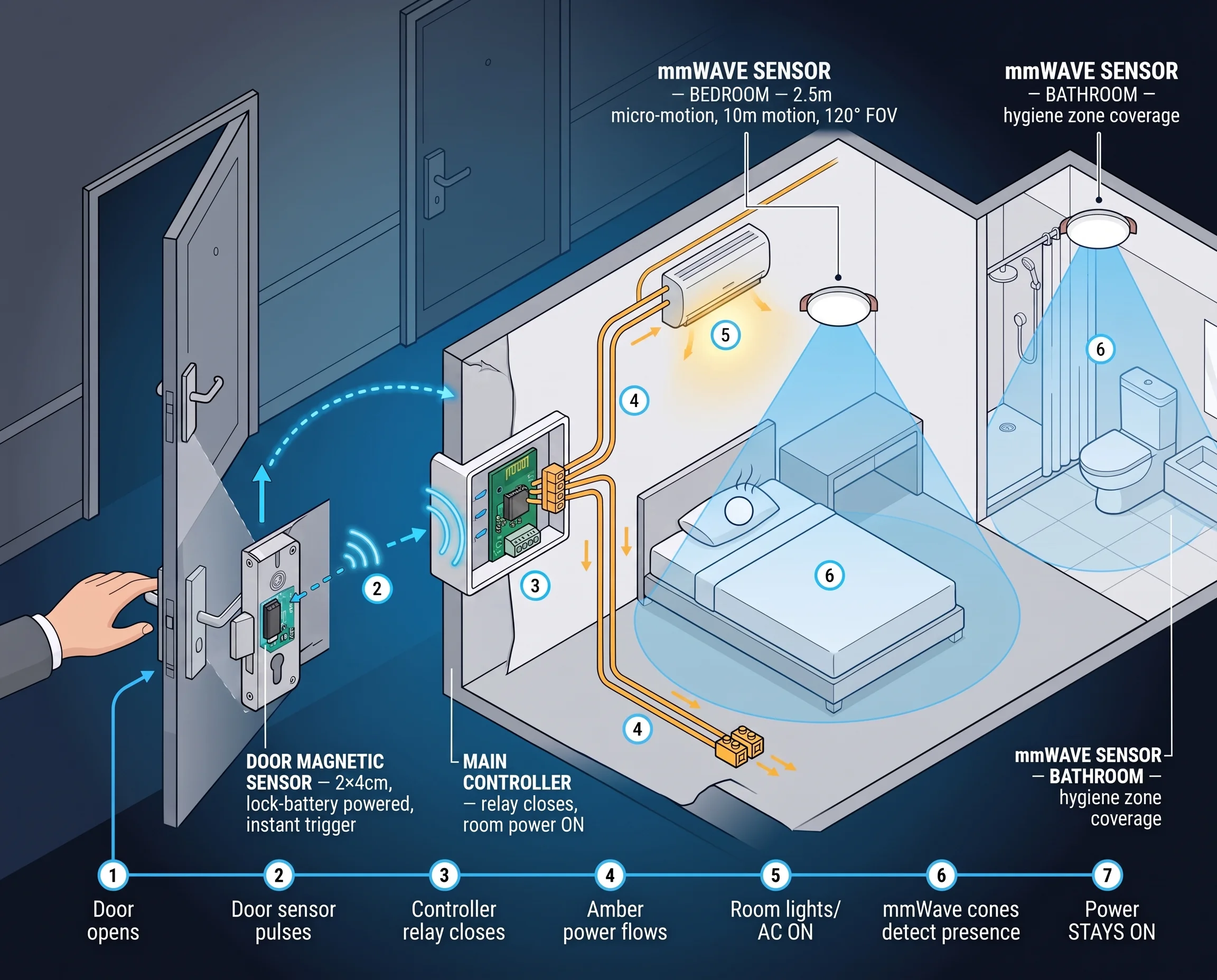
Solusi Sensor Okupansi & Gerak Kamar Hotel
Sensor okupansi radar mmWave untuk kamar hotel: deteksi tamu yang tidur, jadwalkan housekeeping, hemat energi HVAC 20-40% tanpa alarm kosong palsu.
contentGraph.reasons.productContext
contentGraph.sections.blog
3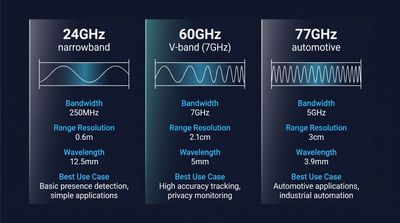
Sensor mmWave 60GHz vs 24GHz vs 77GHz: Memilih Frekuensi yang Tepat untuk Deteksi Kehadiran Komersial
Bandingkan sensor mmWave 60GHz, 24GHz, dan 77GHz untuk deteksi kehadiran komersial. Spesifikasi teknis, jangkauan deteksi, privasi, dan panduan sourcing OEM.
contentGraph.reasons.productContext
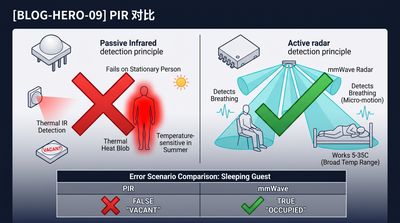
Apa Itu Sensor Kehadiran Elektronik? Teknologi dan Akurasi
Pelajari apa itu sensor kehadiran elektronik, cara mendeteksi manusia diam, dan perbedaannya dengan sensor gerak PIR. Membahas mmWave, akurasi, dan penerapan.
contentGraph.reasons.productContext
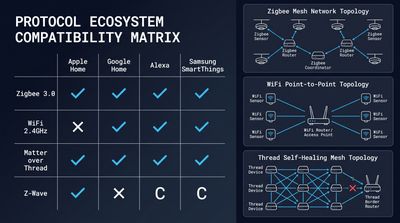
Cara Integrasi Sensor Kehadiran mmWave dengan Home Assistant
Panduan lengkap kontrol lokal perangkat mmWave: konfigurasi MQTT/Matter, skrip otomasi, kalibrasi, dan tips integrasi sensor kehadiran plafon OEM.
contentGraph.reasons.productContext
nextStep.blog.title
nextStep.blog.description
- nextStep.blog.points.one
- nextStep.blog.points.two
- nextStep.blog.points.three