Pemasok Sensor Radar Manusia: Cara Memilih Vendor Andal
Panduan pengadaan untuk memilih pemasok sensor radar manusia: kemampuan teknis, sertifikasi, waktu pengiriman, harga, dan kerangka evaluasi pemasok.
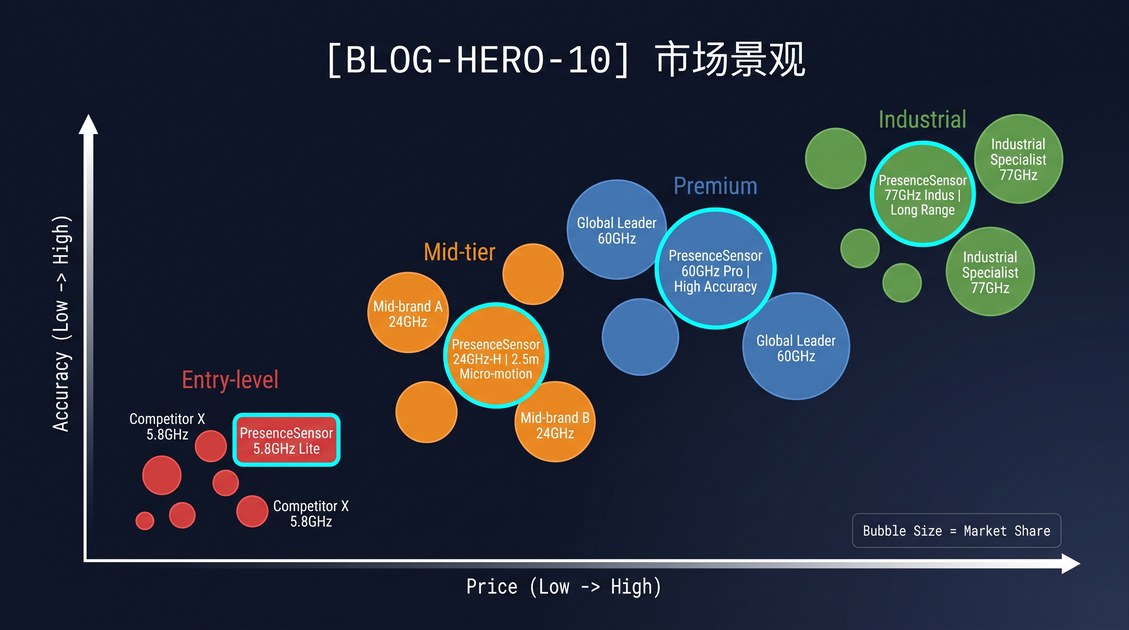
Pemasok sensor radar manusia adalah vendor yang merancang, memproduksi, dan menjual sensor radar gelombang milimeter (mmWave) yang dirancang khusus untuk mendeteksi kehadiran manusia, gerakan, dan mikro-gerakan (termasuk pernapasan) di lingkungan dalam ruangan seperti kamar hotel, kantor, fasilitas kesehatan, dan hunian rumah. Pemasok sensor radar manusia terkemuka hingga tahun 2026 meliputi vendor chip Tier 1 (Texas Instruments, Infineon) yang menjual chip transceiver mmWave, vendor modul Tier 1 (Vayyar, Calterah, SGR) yang menjual modul mmWave terintegrasi, dan vendor produk Tier 2 (PresenceSensor, Aqara, serta beberapa vendor yang berfokus pada perhotelan) yang menjual produk sensor kehadiran mmWave yang lengkap dan bersertifikat untuk penerapan langsung. Proses pemilihan pemasok bagi tim pengadaan harus mengevaluasi empat dimensi utama: kemampuan teknis (apakah sensor pemasok memenuhi persyaratan aplikasi untuk jangkauan deteksi, akurasi, dan sudut pandang), kualitas dan keandalan manufaktur (sertifikasi apa yang dimiliki pemasok, berapa tingkat kegagalan di lapangan), ketahanan rantai pasok (berapa lama waktu pengiriman, apakah chipset bersumber ganda, bagaimana risiko geografis), dan ketentuan komersial (bagaimana tingkatan harga, bagaimana syarat pembayaran, bagaimana kebijakan garansi). Pemasok sensor radar manusia yang andal adalah pemasok yang memperoleh skor baik di keempat dimensi tersebut dan dapat menunjukkan rekam jejak penerapan yang sukses di segmen target.
Memilih pemasok sensor radar manusia yang tepat adalah salah satu keputusan paling berdampak dalam setiap penerapan deteksi kehadiran, karena produk pemasok akan menentukan kualitas data okupansi yang menggerakkan setiap aplikasi hilir (kontrol HVAC, kontrol pencahayaan, koordinasi kebersihan, pemantauan keamanan, dan analitik). Pilihan pemasok yang buruk dapat mengakibatkan tingkat false positive yang tinggi (lampu dan HVAC menyala saat ruangan kosong), tingkat false negative yang tinggi (tamu terdeteksi tidak ada padahal sebenarnya berada di dalam, memicu gangguan oleh staf kebersihan), konektivitas yang tidak andal (sensor tiba-tiba offline), atau masa operasi yang pendek (sensor rusak setelah 12–18 bulan digunakan di lapangan). Panduan ini menyediakan kerangka terstruktur untuk mengevaluasi pemasok sensor radar manusia, mencakup spesifikasi teknis yang perlu diverifikasi, sertifikasi yang wajib diminta, pertanyaan yang diajukan selama proses pengadaan, serta tanda bahaya yang perlu diwaspadai karena menandakan pemasok mungkin tidak andal untuk relasi pengadaan massal jangka panjang.
Pemasok Sensor Radar Manusia: Memahami Tingkatan Pemasok
Pasar sensor radar manusia terstruktur ke dalam tiga tingkatan pemasok yang berbeda, masing-masing dengan kemampuan, harga, dan pelanggan target yang berbeda. Memahami tingkatan ini adalah langkah pertama dalam pemilihan pemasok, karena tim pengadaan yang membutuhkan produk jadi untuk penerapan langsung akan berakhir di tingkatan yang berbeda dibandingkan tim pengadaan yang membutuhkan modul mmWave untuk diintegrasikan ke dalam produk kustom.
Pemasok Sensor Radar Manusia: Tier 1 — Vendor Chip
Pemasok Tier 1 adalah vendor semikonduktor yang merancang dan memproduksi chip transceiver mmWave yang menjadi inti dari setiap sensor radar manusia. Vendor Tier 1 terkemuka hingga tahun 2026 adalah:
- Texas Instruments: IWR6843, IWR6443, dan IWR1843 (transceiver FMCW 60 GHz); AWR2243, AWR1843, AWR1642 (transceiver otomotif 77/79 GHz). TI adalah pemain dominan di 60 GHz untuk aplikasi komersial dan memiliki pangsa pasar terbesar.
- Infineon: transceiver FMCW XENSIV 60 GHz (seri BGT60, seri BGT61); transceiver FMCW XENSIV 24 GHz. Infineon memiliki posisi kuat di pasar otomotif 77 GHz (dengan RXS816xPL dan sejenisnya) dan sedang berekspansi di 60 GHz untuk komersial.
- Calterah: seri CAL60 (transceiver FMCW 60 GHz). Calterah adalah vendor fabless asal Tiongkok dengan posisi kuat di pasar komersial Asia.
- SGR: transceiver mmWave seri SGR. SGR adalah vendor fabless asal Tiongkok lainnya dengan pangsa pasar yang terus tumbuh di Asia.
- NXP: TEF82xx, SAF85xx (transceiver otomotif 77/79 GHz). NXP adalah pemain dominan di pasar otomotif 77 GHz tetapi juga mulai memasuki pasar komersial 60 GHz.
Tim pengadaan umumnya tidak membeli langsung dari vendor chip Tier 1 untuk penerapan massal. Sebaliknya, vendor chip Tier 1 menjual chip mereka kepada vendor modul Tier 1, yang mengintegrasikan chip dengan antena, RF front-end, dan pemrosesan baseband menjadi modul lengkap. Tim pengadaan yang membutuhkan produk jadi untuk penerapan langsung biasanya bersumber dari vendor produk Tier 2, bukan dari vendor chip Tier 1.
Pemasok Sensor Radar Manusia: Tier 1.5 — Vendor Modul
Pemasok Tier 1.5 adalah vendor modul yang mengintegrasikan chip mmWave dari Tier 1 dengan antena, RF front-end, dan pemrosesan baseband menjadi modul mmWave yang lengkap. Vendor modul Tier 1.5 terkemuka meliputi:
- Vayyar: modul mmWave 60 GHz dengan pemrosesan on-module, digunakan untuk deteksi jatuh, deteksi kehadiran, dan aplikasi otomotif.
- Calterah: juga memproduksi modul mmWave terintegrasi (selain chip).
- SGR: juga memproduksi modul mmWave terintegrasi.
- Infineon: juga menawarkan modul referensi pra-terintegrasi berbasis chip XENSIV-nya.
Vendor modul adalah sumber yang tepat bagi OEM yang ingin mengintegrasikan sensor mmWave ke dalam produk mereka sendiri (termostat pintar, armatur pencahayaan, panel keamanan) tanpa melakukan desain RF menyeluruh. Modul dari vendor Tier 1.5 biasanya menyertakan antarmuka terdokumentasi (SPI, I2C, GPIO), firmware referensi, dan catatan aplikasi, sehingga tim teknik OEM dapat mengintegrasikan modul mmWave dengan produk mereka yang sudah ada.
Pemasok Sensor Radar Manusia: Tier 2 — Vendor Produk
Pemasok Tier 2 adalah vendor produk yang merancang, memproduksi, dan menjual produk sensor kehadiran mmWave yang lengkap dan bersertifikat untuk penerapan langsung. Vendor produk Tier 2 terkemuka meliputi:
- PresenceSensor: sensor kehadiran mmWave yang dipasang di plafon dan dinding dengan konektivitas Zigbee, WiFi, dan Matter. Lini produk perusahaan mencakup SKU ceiling-presence-sensor-zigbee, ceiling-presence-sensor-wifi, dan ceiling-presence-sensor-matter.
- Aqara: sensor kehadiran mmWave berfokus konsumen (FP2 dan lainnya) dengan integrasi smart home.
- Honeywell: sensor kehadiran mmWave otomasi bangunan, terintegrasi dengan portofolio BMS Honeywell yang lebih luas.
- Siemens: sensor kehadiran otomasi bangunan, terintegrasi dengan BMS Siemens Desigo.
- Verdant (Copeland): manajemen energi berfokus perhotelan dengan sensing okupansi terintegrasi.
Bagi tim pengadaan yang membutuhkan produk jadi untuk penerapan langsung (jaringan hotel yang memasang sensor di 200 kamar, gedung kantor yang memasang sensor di 1.000 ruang kerja, fasilitas kesehatan yang memasang sensor di 50 kamar pasien), vendor produk Tier 2 adalah sumber yang tepat. Produknya sudah bersertifikat (FCC, CE, RoHS, dan kemungkinan sertifikasi regional), firmware siap produksi, dan pemasok menyediakan dukungan teknis serta garansi.
Pemasok Sensor Radar Manusia: Kerangka Evaluasi Teknis
Evaluasi teknis terhadap pemasok sensor radar manusia sebaiknya didasarkan pada scorecard terstruktur yang mencakup parameter teknis utama. Kerangka berikut diturunkan dari praktik terbaik industri dan dimaksudkan untuk digunakan sebagai templat evaluasi pemasok.
Pemasok Sensor Radar Manusia: Metrik Kinerja Deteksi
Sekumpulan parameter teknis yang paling penting adalah kinerja deteksi. Tim pengadaan sebaiknya meminta data uji independen (bukan sekadar klaim pemasaran) untuk metrik berikut:
- Tingkat true positive okupan diam: persentase waktu ketika okupan manusia yang diam benar dilaporkan sebagai hadir. Targetnya di atas 99% dalam pengujian terkontrol dan di atas 95% dalam penerapan nyata.
- Tingkat false negative okupan diam: persentase waktu ketika okupan manusia yang diam salah dilaporkan sebagai tidak hadir. Targetnya di bawah 1% dalam pengujian terkontrol dan di bawah 5% dalam penerapan nyata.
- Latensi deteksi okupan bergerak: waktu antara okupan memasuki zona deteksi dan sensor melaporkan perubahan tersebut. Targetnya di bawah 1 detik.
- Tingkat false positive: persentase waktu sensor melaporkan kehadiran saat ruangan kosong. Targetnya di bawah 1% dalam periode 24 jam.
- Jangkauan deteksi: jangkauan maksimum di mana okupan manusia (diam atau bergerak) terdeteksi secara andal. Targetnya bergantung pada aplikasi (umumnya 6–8 m untuk sensor kamar hotel yang dipasang di plafon).
- Sudut pandang: cakupan sudut sensor (azimut dan elevasi). Targetnya bergantung pada aplikasi (umumnya ±60° azimut, ±40° elevasi untuk sensor yang dipasang di plafon).
Pemasok sensor radar manusia yang tidak dapat menyediakan data uji independen untuk metrik-metrik ini (atau hanya menyediakan data untuk sebagian saja) sebaiknya dianggap berisiko lebih tinggi dibandingkan pemasok yang dapat menyediakan data komprehensif. Kondisi pengujian juga harus diperiksa: tingkat true positive okupan diam sebesar 99% yang dicapai di ruang uji 5m×5m tanpa aliran udara HVAC tidak sama dengan tingkat 99% yang dicapai di kamar hotel 4m×6m dengan HVAC aktif, dan pemasok harus transparan mengenai kondisi pengujian.
Pemasok Sensor Radar Manusia: Spesifikasi Perangkat Keras
Spesifikasi perangkat keras sensor juga penting. Parameter perangkat keras utama yang perlu diverifikasi meliputi:
- Pita frekuensi dan bandwidth: pastikan frekuensi pastinya (24 GHz, 60 GHz, atau 77 GHz) dan bandwidth yang tersedia. Untuk deteksi okupan diam, 60 GHz dengan bandwidth 7 GHz adalah minimum yang dapat diterima.
- Konfigurasi antena: pastikan konfigurasi MIMO (2×2, 3×3, 4×4) dan sudut pandang.
- Konsumsi daya: pastikan konsumsi daya saat aktif dan siaga, serta sumber daya (listrik jaringan, baterai, PoE).
- Bentuk fisik: pastikan dimensi fisik dan metode pemasangan.
- Rating IP: pastikan rating proteksi masuk untuk lingkungan target.
- Rentang suhu operasi: pastikan rentang suhu operasi, yang sangat penting untuk aplikasi luar ruangan atau industri.
- Konektivitas: pastikan protokol nirkabel (Zigbee, WiFi, Matter, Bluetooth, BACnet) dan kemampuan jaringan (mesh, perangkat ujung, router).
Pemasok Sensor Radar Manusia: Firmware dan Perangkat Lunak
Kemampuan firmware dan perangkat lunak sensor menentukan seberapa mudah sensor dapat diintegrasikan dengan sistem target. Parameter firmware/perangkat lunak utama yang perlu diverifikasi meliputi:
- Antarmuka konfigurasi: bagaimana sensor dikonfigurasi (web UI, aplikasi seluler, platform cloud, tombol di perangkat)? Sensor dengan beberapa opsi konfigurasi lebih fleksibel daripada yang hanya memiliki satu opsi.
- API dan integrasi: apakah sensor menyediakan API untuk integrasi dengan sistem pihak ketiga? Protokol apa saja yang didukung (REST, MQTT, BACnet, Modbus)?
- Mekanisme pembaruan firmware: bagaimana pembaruan firmware dikirimkan (over-the-air, kabel, pabrik)? Seberapa sering pembaruan dirilis?
- Format data: data apa yang dihasilkan sensor (okupansi biner, point cloud mentah, peristiwa terklasifikasi, okupansi tingkat zona)? Ini sangat penting untuk penerapan yang sensitif terhadap privasi.
- Pemrosesan on-device: pemrosesan apa yang dilakukan di perangkat (FFT, klasifikasi, inferensi ML)? Sensor yang melakukan seluruh pemrosesan di perangkat lebih ramah privasi daripada yang mengirim data mentah ke cloud.
- Pelaporan peristiwa: peristiwa apa yang dilaporkan (perubahan okupansi, peristiwa gerakan, peristiwa jatuh, anomali)? Bagaimana peristiwa dilaporkan (push, polling, on-change)?
Pemasok Sensor Radar Manusia: Sertifikasi dan Kepatuhan
Sertifikasi adalah komponen krusial dalam evaluasi pemasok, karena menentukan apakah sensor dapat dipasang secara legal di pasar target dan apakah sensor memenuhi persyaratan kepatuhan khusus industri. Tim pengadaan sebaiknya mewajibkan sertifikasi berikut dari pemasok sensor radar manusia.
Pemasok Sensor Radar Manusia: Sertifikasi Nirkabel Regional
Sertifikasi nirkabel regional berikut wajib bagi sensor mmWave apa pun yang dijual di pasar terkait:
- FCC (Amerika Serikat): wajib untuk perangkat frekuensi radio apa pun yang dijual di AS. Aturan FCC spesifik bergantung pada pita frekuensi (FCC Part 15.249 untuk 24 GHz, FCC Part 15.255 untuk 60 GHz, FCC Part 15.253 untuk 77 GHz). Pemasok sebaiknya menyediakan FCC ID untuk sensor tersebut.
- CE (Uni Eropa): wajib untuk perangkat frekuensi radio apa pun yang dijual di Uni Eropa. Penandaan CE mencakup Radio Equipment Directive (RED, 2014/53/EU), Low Voltage Directive (LVD, 2014/35/EU), dan EMC Directive (2014/30/EU). Untuk 60 GHz, EN 305 550 adalah standar harmonisasi yang relevan. Pemasok sebaiknya menyediakan Declaration of Conformity (DoC) dan CE Technical File.
- IC (Kanada): wajib untuk perangkat frekuensi radio apa pun yang dijual di Kanada, dikelola oleh Innovation, Science and Economic Development Canada (ISED). Pemasok sebaiknya menyediakan IC ID.
- MIC (Jepang): wajib untuk perangkat frekuensi radio apa pun yang dijual di Jepang, dikelola oleh Ministry of Internal Affairs and Communications. Pemasok sebaiknya menyediakan MIC ID.
- SRRC (Tiongkok): wajib untuk perangkat frekuensi radio apa pun yang dijual di Tiongkok, dikelola oleh State Radio Regulation Committee. Pemasok sebaiknya menyediakan SRRC ID.
- KC (Korea Selatan): wajib untuk perangkat frekuensi radio apa pun yang dijual di Korea Selatan, dikelola oleh Korea Communications Commission. Pemasok sebaiknya menyediakan KC ID.
- NCC (Taiwan): wajib untuk perangkat frekuensi radio apa pun yang dijual di Taiwan, dikelola oleh National Communications Commission. Pemasok sebaiknya menyediakan NCC ID.
- RCM (Australia/Selandia Baru): wajib untuk perangkat frekuensi radio apa pun yang dijual di Australia atau Selandia Baru, dikelola oleh Australian Communications and Media Authority (ACMA). Pemasok sebaiknya menyediakan tanda RCM.
Pemasok sensor radar manusia yang tidak memiliki sertifikasi yang dibutuhkan pasar target bukanlah sumber yang layak, karena tim pengadaan akan bertanggung jawab mengurus sertifikasi sendiri, yang menambah biaya dan waktu yang signifikan bagi penerapan.
Pemasok Sensor Radar Manusia: Sertifikasi Keselamatan dan Lingkungan
Sertifikasi keselamatan dan lingkungan berikut umumnya wajib bagi produk elektronik apa pun yang dijual di pasar-pasar utama:
- UL (Amerika Serikat): sertifikasi keselamatan untuk produk elektrikal. Listing UL dibutuhkan untuk banyak instalasi listrik komersial dan perumahan.
- RoHS (global): pembatasan zat berbahaya. Kepatuhan RoHS wajib untuk produk elektronik apa pun yang dijual di Uni Eropa, Tiongkok, California, dan beberapa yurisdiksi lainnya.
- REACH (Uni Eropa): registrasi, evaluasi, otorisasi, dan pembatasan bahan kimia. Kepatuhan REACH wajib untuk produk apa pun yang dijual di Uni Eropa.
- WEEE (Uni Eropa): direktif limbah peralatan listrik dan elektronik. Kepatuhan WEEE wajib untuk produk elektronik apa pun yang dijual di Uni Eropa.
- Prop 65 (California): California Safe Drinking Water and Toxic Enforcement Act. Kepatuhan Prop 65 wajib untuk produk apa pun yang dijual di California yang mengandung bahan kimia dalam daftar Prop 65.
Pemasok sensor radar manusia yang tidak memiliki sertifikasi ini mungkin menjadi sumber berbiaya rendah untuk pembuatan prototipe, tetapi bukan sumber yang layak untuk penerapan produksi di pasar yang teregulasi.
Pemasok Sensor Radar Manusia: Sertifikasi Khusus Industri
Beberapa vertikal penerapan membutuhkan sertifikasi khusus industri tambahan:
- HIPAA (layanan kesehatan AS): Health Insurance Portability and Accountability Act secara teknis tidak mewajibkan sertifikasi, tetapi penerapan layanan kesehatan yang melibatkan pemrosesan data pasien harus menerapkan pengamanan teknis yang memadai. Pemasok sensor radar manusia yang menyasar pasar layanan kesehatan sebaiknya memiliki program kepatuhan HIPAA yang terdokumentasi dan bersedia menandatangani Business Associate Agreement (BAA).
- GDPR (Uni Eropa): General Data Protection Regulation tidak mewajibkan sertifikasi, tetapi penerapan yang melibatkan pemrosesan data pribadi penduduk Uni Eropa harus menerapkan langkah teknis dan organisasi yang memadai. Pemasok yang menyasar pasar Uni Eropa sebaiknya memiliki program kepatuhan GDPR yang terdokumentasi dan menyediakan perjanjian pemrosesan data.
- CCPA (California): California Consumer Privacy Act tidak mewajibkan sertifikasi, tetapi penerapan yang melibatkan pemrosesan data pribadi penduduk California harus menerapkan hak konsumen yang memadai. Pemasok yang menyasar pasar California sebaiknya memiliki program kepatuhan CCPA yang terdokumentasi.
- SB-327 (California): undang-undang keamanan IoT California mewajibkan "fitur keamanan yang wajar" untuk perangkat terhubung yang dijual di California. Pemasok yang menyasar pasar California sebaiknya menyediakan dokumentasi kepatuhan SB-327.
- NIST CSF (Amerika Serikat): NIST Cybersecurity Framework adalah kerangka sukarela, tetapi pemasok yang menyasar pasar korporat AS sebaiknya menyelaraskan diri dengan kerangka tersebut.
- PCI DSS: umumnya tidak berlaku untuk sensor kehadiran, tetapi jika sensor diintegrasikan dengan sistem pemrosesan pembayaran, kepatuhan PCI DSS wajib dipenuhi.
- ISO 27001: sertifikasi sistem manajemen keamanan informasi yang semakin sering dibutuhkan untuk penerapan korporat.
Pemasok Sensor Radar Manusia: Ketahanan Rantai Pasok
Ketahanan rantai pasok pemasok sensor radar manusia adalah kriteria evaluasi yang krusial, terutama untuk penerapan skala besar di mana gangguan pasokan dapat menunda seluruh proyek. Parameter rantai pasok berikut sebaiknya dievaluasi.
Pemasok Sensor Radar Manusia: Sumber Chipset
Parameter rantai pasok pertama yang perlu dievaluasi adalah sumber chipset. Pemasok sensor radar manusia yang bersumber tunggal pada chipset mmWave tertentu terpapar gangguan pasokan jika vendor chipset tersebut mengalami masalah produksi, kejadian alokasi, atau pengumuman akhir masa pakai. Pemasok yang bersumber ganda pada chipset mmWave (menggunakan chip dari dua vendor chipset berbeda) lebih tangguh. Pemasok sebaiknya transparan mengenai strategi sumber chipset mereka dan memiliki rencana terdokumentasi untuk bermigrasi ke chipset alternatif jika chipset utama terganggu.
Untuk sensor radar manusia 60 GHz, sumber ganda dapat dilakukan (Texas Instruments, Infineon, Calterah, SGR, dan lainnya semuanya menawarkan chip 60 GHz), dan pemasok yang dikelola dengan baik seharusnya telah memenuhi syarat minimal dua sumber. Untuk 77 GHz, sumber ganda lebih menantang karena pasar chipset didominasi oleh jumlah vendor otomotif yang lebih sedikit.
Pemasok Sensor Radar Manusia: Waktu Pengiriman
Waktu pengiriman standar untuk sensor radar manusia umumnya 4–12 minggu pada volume 10K, bergantung pada pemasok dan kompleksitas produk. Waktu pengiriman lebih dari 12 minggu pada volume 10K patut dipertanyakan, karena dapat mengindikasikan pemasok beroperasi mendekati kapasitas penuh atau memiliki hambatan rantai pasok. Waktu pengiriman kurang dari 4 minggu pada volume 10K dapat mengindikasikan pemasok menyimpan persediaan barang jadi, yang merupakan tanda positif kematangan rantai pasok tetapi juga berarti pemasok memiliki modal kerja yang tertanam dalam persediaan.
Tim pengadaan yang merencanakan penerapan skala besar sebaiknya menegosiasikan waktu pengiriman yang dijamin sebagai bagian dari perjanjian pasokan, dengan klausul penalti jika pemasok gagal memenuhi waktu pengiriman. Klausul penalti dapat berupa finansial (potongan harga untuk pengiriman terlambat) atau operasional (hak prioritas atas pasokan alternatif).
Pemasok Sensor Radar Manusia: Ruang Kapasitas
Ruang kapasitas pemasok adalah selisih antara volume produksi saat ini dan volume produksi maksimum mereka. Pemasok yang beroperasi di atas 95% kapasitas memiliki fleksibilitas terbatas untuk menangani kenaikan perkiraan atau pesanan lonjakan. Pemasok yang beroperasi pada 60–80% kapasitas memiliki lebih banyak fleksibilitas dan umumnya menjadi mitra jangka panjang yang lebih andal. Pemasok sebaiknya bersedia membagikan tingkat utilisasi kapasitas mereka (beserta rencana ekspansi kapasitas mendatang) kepada tim pengadaan.
Bagi tim pengadaan yang merencanakan penerapan multi-tahun dengan volume yang terus tumbuh, rencana ekspansi kapasitas pemasok sangat penting. Pemasok dengan rencana jelas untuk memperluas kapasitas sejalan dengan perkiraan tim pengadaan adalah mitra yang lebih andal dibandingkan pemasok yang kapasitasnya terbatas.
Pemasok Sensor Radar Manusia: Risiko Geografis
Lokasi geografis fasilitas manufaktur pemasok memengaruhi ketahanan rantai pasok. Pemasok dengan manufaktur yang terkonsentrasi di satu negara (terutama negara dengan risiko geopolitik) lebih rentan terhadap gangguan dibandingkan pemasok dengan manufaktur di banyak negara. Pandemi COVID-19 tahun 2020–2022 menyoroti risiko ini, di mana banyak pemasok satu negara mengalami gangguan signifikan sementara pemasok multi-negara mampu memindahkan produksi.
Pemasok sensor radar manusia yang memproduksi di beberapa negara (misalnya Tiongkok dan Vietnam, atau Tiongkok dan Meksiko) umumnya menjadi mitra jangka panjang yang lebih andal dibandingkan pemasok yang memproduksi di satu negara. Strategi manufaktur multi-negara dapat sedikit meningkatkan biaya per unit (karena kompleksitas mengelola beberapa fasilitas), tetapi manfaat ketahanan rantai pasok sering kali melebihi premium biayanya.
Pemasok Sensor Radar Manusia: Ketentuan Komersial
Ketentuan komersial pemasok sensor radar manusia adalah dimensi evaluasi terakhir. Parameter komersial berikut sebaiknya dievaluasi.
Pemasok Sensor Radar Manusia: Struktur Harga
Struktur harga pemasok sensor radar manusia sebaiknya transparan dan memberikan diskon volume yang jelas di seluruh tingkatan volume yang relevan. Struktur harga standar adalah:
- Lot 1.000 unit: harga per unit tertinggi, mencerminkan amortisasi biaya penyiapan
- Lot 10.000 unit: harga per unit 20–40% lebih rendah, mencerminkan diskon volume
- Lot 100.000 unit: harga per unit 30–60% lebih rendah, mencerminkan diskon volume tinggi
Pemasok sebaiknya menyediakan penawaran harga untuk ketiga tingkatan tersebut (dan kemungkinan tingkatan antara seperti 2.500 dan 25.000), dengan MOQ dan waktu pengiriman yang jelas untuk setiap tingkatan. Pemasok juga sebaiknya bersedia menegosiasikan rebate berbasis volume, di mana pemasok mengembalikan sebagian persentase belanja tahunan kepada tim pengadaan jika ambang volume tertentu terpenuhi.
Pemasok Sensor Radar Manusia: Syarat Pembayaran
Syarat pembayaran standar untuk pemasok sensor radar manusia adalah net 30 hari (pembayaran jatuh tempo 30 hari setelah faktur). Tim pengadaan dengan neraca kuat sering dapat menegosiasikan net 60 atau net 90 hari, yang memperbaiki arus kas. Untuk pesanan volume tinggi, beberapa pemasok menawarkan diskon pembayaran awal (misalnya, diskon 2% untuk pembayaran dalam 10 hari), yang dapat mengurangi biaya efektif per unit sebesar 2–3%.
Tim pengadaan juga sebaiknya memperjelas apakah pemasok menerima letter of credit (untuk transaksi internasional), transfer bank, atau metode pembayaran lainnya. Untuk pengadaan internasional, pilihan metode pembayaran dapat memengaruhi total biaya (biaya transfer bank, risiko nilai tukar, biaya letter of credit) dan sebaiknya dipertimbangkan dalam perhitungan landed cost.
Pemasok Sensor Radar Manusia: Garansi dan Pengembalian
Garansi standar untuk sensor radar manusia adalah 12–24 bulan sejak pengiriman. Tim pengadaan sebaiknya menegosiasikan garansi lebih panjang (24–36 bulan) untuk penerapan skala besar, terutama untuk sensor yang sulit diganti (misalnya, sensor yang dipasang di plafon kamar hotel yang membutuhkan perancah untuk penggantian).
Proses pengembalian untuk unit cacat juga sebaiknya diperjelas. Pemasok dengan proses pengembalian yang jelas dan cepat (penggantian di muka, return material authorization dalam 5 hari kerja) lebih andal daripada pemasok dengan proses yang lambat dan birokratis.
Pemasok Sensor Radar Manusia: Jumlah Pesanan Minimum dan Waktu Pengiriman
MOQ untuk sensor radar manusia umumnya 500–1.000 unit, bergantung pada pemasok dan kompleksitas produk. Pemasok dengan MOQ di bawah 500 unit cocok untuk penerapan kecil dan proyek percontohan. Pemasok dengan MOQ di atas 1.000 unit lebih berfokus pada penerapan besar dan mungkin kurang cocok untuk proyek kecil atau percontohan.
Waktu pengiriman sebaiknya dikonfirmasi pada setiap tingkatan volume, dan dipantau terhadap linimasa penerapan tim pengadaan. Tim pengadaan yang membutuhkan 5.000 sensor dalam 8 minggu tetapi pemasoknya memiliki waktu pengiriman 12 minggu pada volume 5.000 harus memilih menerima penerapan yang tertunda, menegosiasikan waktu pengiriman lebih cepat (kemungkinan dengan biaya lebih tinggi), atau mencari pemasok alternatif.
Pemasok Sensor Radar Manusia: Tanda Bahaya yang Perlu Diwaspadai
Beberapa tanda bahaya dapat mengindikasikan bahwa pemasok sensor radar manusia bukan mitra jangka panjang yang andal. Tim pengadaan sebaiknya waspada terhadap tanda-tanda ini dan mengajukan pertanyaan penjelasan ketika muncul.
Pemasok Sensor Radar Manusia: Klaim Pemasaran Tanpa Data Uji Independen
Pemasok yang membuat klaim kinerja agresif (misalnya, "akurasi 99,9%", "nol false positive", "baterai tahan 10 tahun") tanpa menyediakan data uji independen adalah tanda bahaya. Data uji independen adalah data yang dikumpulkan oleh organisasi pengujian pihak ketiga (atau oleh pemasok di bawah metodologi pengujian terdokumentasi) yang dapat ditinjau dan diverifikasi oleh tim pengadaan. Pemasok yang hanya memberikan klaim pemasaran dan menolak menyediakan data uji sedang menyembunyikan sesuatu — baik data tersebut tidak ada (produk belum diuji secara independen) atau datanya lebih buruk daripada klaim pemasarannya.
Permintaan yang wajar adalah meminta metodologi pengujian beserta versi yang telah disunting dari laporan uji, lengkap dengan hasil numerik sebenarnya. Pemasok yang menyediakan metodologi pengujian lengkap dan data numerik penuh lebih kredibel daripada yang hanya memberikan klaim ringkasan.
Pemasok Sensor Radar Manusia: Sertifikasi yang Tidak Dimiliki
Pemasok yang tidak memiliki sertifikasi yang dibutuhkan pasar target (FCC, CE, IC, MIC, dll.) bukanlah sumber yang layak untuk penerapan produksi. Pemasok yang masih "dalam proses memperoleh" sertifikasi berisiko lebih tinggi daripada pemasok yang sudah memiliki sertifikasi. Tim pengadaan sebaiknya meminta dokumen sertifikasi sebenarnya (FCC ID, CE DoC, IC ID) dan memverifikasi dokumen tersebut dengan menelusuri FCC ID di situs web FCC dan IC ID di situs web ISED.
Pemasok Sensor Radar Manusia: Informasi Kapasitas Produksi yang Mengambang
Pemasok yang tidak dapat memberikan informasi jelas tentang kapasitas produksi, waktu pengiriman, atau sumber chipset mereka berisiko lebih tinggi daripada pemasok yang transparan. Pemasok sebaiknya bersedia membagikan kapasitas produksi mereka (dalam unit per bulan atau per tahun), utilisasi kapasitas saat ini, dan rencana ekspansi kapasitas mendatang. Pemasok yang mengalihkan pertanyaan-pertanyaan ini atau memberikan jawaban mengambang sedang menyembunyikan keterbatasan kapasitas atau masalah rantai pasok.
Pemasok Sensor Radar Manusia: Keengganan Memberikan Referensi
Pemasok yang enggan memberikan referensi dari pelanggan yang sudah ada adalah tanda bahaya, terutama untuk vendor produk Tier 2. Tim pengadaan sebaiknya meminta setidaknya 2–3 referensi dari pelanggan yang ada di vertikal target (hotel, kantor, layanan kesehatan, hunian) dan menindaklanjuti referensi tersebut untuk memverifikasi klaim pemasok. Pemasok dengan pelanggan yang puas akan bersemangat memberikan referensi; pemasok dengan pelanggan yang tidak puas mungkin enggan memberikan referensi.
Pemasok Sensor Radar Manusia: Syarat Pembayaran yang Tidak Wajar
Pemasok yang menuntut pembayaran 100% di muka (sebelum pengiriman) adalah sumber berisiko tinggi, terutama untuk pesanan pertama kali. Syarat pembayaran standar untuk pemasok mapan adalah net 30 hingga net 90 hari, dengan deposit 30% yang umum untuk pesanan kustom. Pemasok yang menuntut pembayaran di muka 100% mungkin dalam kesulitan keuangan, mungkin pemain baru tanpa kredit yang mapan, atau mungkin melakukan penipuan. Tim pengadaan sebaiknya memverifikasi kredensial bisnis pemasok (pendaftaran perusahaan, referensi perbankan, rating kredit bisnis) sebelum melakukan pembayaran di muka.
Pemasok Sensor Radar Manusia: Rekomendasi Akhir
Memilih pemasok sensor radar manusia yang tepat adalah evaluasi terstruktur multi-dimensi yang sebaiknya didekati sebagai keputusan sourcing strategis, bukan sekadar transaksi pengadaan sederhana. Tim pengadaan sebaiknya mulai dengan mendefinisikan persyaratan aplikasi (jangkauan deteksi, deteksi okupan diam, sudut pandang, konektivitas, sertifikasi), kemudian mengidentifikasi daftar pendek 3–5 pemasok yang memenuhi persyaratan dasar, lalu mengevaluasi setiap pemasok pada empat dimensi (kemampuan teknis, sertifikasi, ketahanan rantai pasok, ketentuan komersial), dan kemudian memilih pemasok dengan skor terbaik di semua dimensi.
Bagi tim pengadaan yang membutuhkan produk jadi untuk penerapan langsung, vendor produk Tier 2 adalah sumber yang tepat. Pemasok sebaiknya memiliki sertifikasi yang dibutuhkan pasar target, menyediakan data uji independen untuk metrik kinerja utama, memiliki rantai pasok yang transparan dengan waktu pengiriman yang wajar, dan menawarkan ketentuan komersial yang adil dan fleksibel. Tim pengadaan sebaiknya meminta pesanan percontohan (50–500 unit) sebelum berkomitmen pada pesanan massal penuh, dan memverifikasi klaim pemasok selama percontohan tersebut.
Bagi tim pengadaan yang membutuhkan modul mmWave untuk integrasi ke dalam produk kustom, vendor modul Tier 1.5 adalah sumber yang tepat. Pemasok sebaiknya menyediakan antarmuka modul terdokumentasi, firmware referensi, dan catatan aplikasi, serta mendukung OEM sepanjang proses integrasi. Tim pengadaan sebaiknya meminta unit evaluasi (umumnya 5–10 unit tanpa biaya) sebelum berkomitmen pada pesanan massal.
Apa pun tingkatan pemasoknya, tim pengadaan sebaiknya selalu meminta pesanan percontohan sebelum berkomitmen pada pesanan massal penuh, dan memverifikasi klaim pemasok selama percontohan tersebut. Pesanan percontohan adalah cara paling andal untuk mengidentifikasi masalah pemasok yang mungkin tidak terlihat dari materi pemasaran maupun dari satu panggilan telepon. Dengan kerangka evaluasi terstruktur dan proses percontohan yang disiplin, tim pengadaan dapat mengidentifikasi pemasok sensor radar manusia yang andal yang akan memberikan produk berkualitas tinggi untuk penerapan massal jangka panjang.
Sebagian konten artikel ini dihasilkan oleh AI dan dioptimalkan untuk akurasi profesional serta keterbacaan. A human radar sensor supplier is a vendor that designs, manufactures, and sells millimeter-wave (mmWave) radar sensors specifically designed to detect human presence, motion, and micro-motion (including breathing) in indoor environments such as hotel rooms, offices, healthcare facilities, and residential homes. The leading human radar sensor suppliers as of 2026 include Tier 1 chip vendors (Texas Instruments, Infineon) that sell mmWave transceiver chips, Tier 1 module vendors (Vayyar, Calterah, SGR) that sell integrated mmWave modules, and Tier 2 product vendors (PresenceSensor, Aqara, and several hospitality-focused vendors) that sell complete, certified mmWave presence sensor products for direct deployment. The supplier selection process for a procurement team must evaluate four major dimensions: technical capability (does the supplier's sensor meet the application requirements for detection range, accuracy, and field of view), manufacturing quality and reliability (what certifications does the supplier hold, what is the field failure rate), supply chain resilience (what is the lead time, is the chipset dual-sourced, what is the geographic risk), and commercial terms (what is the pricing tier, what are the payment terms, what is the warranty policy). A reliable human radar sensor supplier is one that scores well across all four dimensions and can demonstrate a track record of successful deployments in the target vertical.
Selecting the right human radar sensor supplier is one of the most consequential decisions in any presence detection deployment, because the supplier's product will determine the quality of the occupancy data that drives every downstream application (HVAC control, lighting control, housekeeping coordination, security monitoring, and analytics). A poor supplier choice can result in high false positive rates (lights and HVAC activating when the room is empty), high false negative rates (guests detected as absent when they are actually present, triggering intrusion by housekeeping), unreliable connectivity (sensors going offline unexpectedly), or a short operational life (sensors failing after 12–18 months in the field). This guide provides a structured framework for evaluating human radar sensor suppliers, including the technical specifications to verify, the certifications to require, the questions to ask during the procurement process, and the red flags to watch for that indicate a supplier may not be reliable for a long-term bulk procurement relationship.
Human Radar Sensor Supplier: Understanding the Supplier Tiers
The human radar sensor market is structured into three distinct supplier tiers, each with different capabilities, pricing, and target customers. Understanding these tiers is the first step in supplier selection, because a procurement team that needs a finished product for direct deployment will end up at a different tier than a procurement team that needs a mmWave module for integration into a custom product.
Human Radar Sensor Supplier: Tier 1 — Chip Vendors
Tier 1 suppliers are the semiconductor vendors that design and manufacture the mmWave transceiver chips that are the core of every human radar sensor. The leading Tier 1 vendors as of 2026 are:
- Texas Instruments: IWR6843, IWR6443, and IWR1843 (60 GHz FMCW transceivers); AWR2243, AWR1843, AWR1642 (77/79 GHz automotive transceivers). TI is the dominant player in 60 GHz for commercial applications and has the largest market share.
- Infineon: XENSIV 60 GHz FMCW transceivers (BGT60 series, BGT61 series); XENSIV 24 GHz FMCW transceivers. Infineon has a strong position in the automotive 77 GHz market (with the RXS816xPL and similar) and is expanding in 60 GHz for commercial.
- Calterah: CAL60 series (60 GHz FMCW transceivers). Calterah is a Chinese fabless vendor with a strong position in the Asian commercial market.
- SGR: SGR series mmWave transceivers. SGR is another Chinese fabless vendor with growing market share in Asia.
- NXP: TEF82xx, SAF85xx (77/79 GHz automotive transceivers). NXP is the dominant player in the automotive 77 GHz market but is also entering the 60 GHz commercial market.
Procurement teams do not typically buy directly from Tier 1 chip vendors for bulk deployment. Instead, the Tier 1 chip vendors sell their chips to Tier 1 module vendors, who integrate the chips with antennas, RF front-end, and baseband processing into a complete module. A procurement team that needs a finished product for direct deployment would typically source from a Tier 2 product vendor, not from a Tier 1 chip vendor.
Human Radar Sensor Supplier: Tier 1.5 — Module Vendors
Tier 1.5 suppliers are the module vendors that integrate the mmWave chips from Tier 1 with antennas, RF front-end, and baseband processing into a complete mmWave module. The leading Tier 1.5 module vendors include:
- Vayyar: 60 GHz mmWave modules with on-module processing, used in fall detection, presence detection, and automotive applications.
- Calterah: also produces integrated mmWave modules (in addition to chips).
- SGR: also produces integrated mmWave modules.
- Infineon: also offers pre-integrated reference modules based on its XENSIV chips.
Module vendors are the right source for OEMs that want to integrate a mmWave sensor into their own product (a smart thermostat, a lighting fixture, a security panel) without doing the full RF design. A module from a Tier 1.5 vendor typically includes a documented interface (SPI, I2C, GPIO), reference firmware, and application notes, allowing the OEM's engineering team to integrate the mmWave module with their existing product.
Human Radar Sensor Supplier: Tier 2 — Product Vendors
Tier 2 suppliers are the product vendors that design, manufacture, and sell complete, certified mmWave presence sensor products for direct deployment. The leading Tier 2 product vendors include:
- PresenceSensor: ceiling-mounted and wall-mounted mmWave presence sensors with Zigbee, WiFi, and Matter connectivity. The company's product line includes the ceiling-presence-sensor-zigbee, ceiling-presence-sensor-wifi, and ceiling-presence-sensor-matter SKUs.
- Aqara: consumer-focused mmWave presence sensors (FP2 and others) with smart home integration.
- Honeywell: building automation mmWave presence sensors, integrated with the larger Honeywell BMS portfolio.
- Siemens: building automation presence sensors, integrated with the Siemens Desigo BMS.
- Verdant (Copeland): hospitality-focused energy management with integrated occupancy sensing.
For a procurement team that needs a finished product for direct deployment (a hotel chain installing sensors in 200 rooms, an office building installing sensors in 1,000 offices, a healthcare facility installing sensors in 50 patient rooms), the Tier 2 product vendors are the right source. The product is already certified (FCC, CE, RoHS, and possibly regional certifications), the firmware is production-ready, and the supplier provides technical support and warranty.
Human Radar Sensor Supplier: Technical Evaluation Framework
The technical evaluation of a human radar sensor supplier should be based on a structured scorecard that covers the key technical parameters. The following framework is derived from industry best practices and is intended to be used as a template for supplier evaluation.
Human Radar Sensor Supplier: Detection Performance Metrics
The single most important set of technical parameters is detection performance. A procurement team should request independent test data (not just marketing claims) for the following metrics:
- Stationary-occupant true positive rate: the percentage of time that a stationary human occupant is correctly reported as present. The target is above 99% in controlled testing and above 95% in real-world deployment.
- Stationary-occupant false negative rate: the percentage of time that a stationary human occupant is incorrectly reported as absent. The target is below 1% in controlled testing and below 5% in real-world deployment.
- Moving-occupant detection latency: the time between an occupant entering the detection zone and the sensor reporting the change. The target is below 1 second.
- False positive rate: the percentage of time the sensor reports presence when the room is empty. The target is below 1% over a 24-hour period.
- Detection range: the maximum range at which a human occupant (stationary or moving) is reliably detected. The target depends on the application (typically 6–8 m for a ceiling-mounted hotel room sensor).
- Field of view: the angular coverage of the sensor (azimuth and elevation). The target depends on the application (typically ±60° azimuth, ±40° elevation for a ceiling-mounted sensor).
A human radar sensor supplier that cannot provide independent test data for these metrics (or that provides data only for a subset) should be considered higher risk than a supplier that can provide comprehensive data. The test conditions should also be examined: a stationary-occupant true positive rate of 99% achieved in a 5m×5m test room with no HVAC airflow is not the same as a 99% rate achieved in a 4m×6m hotel room with active HVAC, and the supplier should be transparent about the test conditions.
Human Radar Sensor Supplier: Hardware Specifications
The hardware specifications of the sensor are also important. Key hardware parameters to verify include:
- Frequency band and bandwidth: confirm the exact frequency (24 GHz, 60 GHz, or 77 GHz) and the available bandwidth. For stationary-occupant detection, 60 GHz with 7 GHz bandwidth is the minimum acceptable.
- Antenna configuration: confirm the MIMO configuration (2×2, 3×3, 4×4) and the field of view.
- Power consumption: confirm the active and standby power consumption, and the power source (mains, battery, PoE).
- Form factor: confirm the physical dimensions and the mounting method.
- IP rating: confirm the ingress protection rating for the target environment.
- Operating temperature range: confirm the operating temperature range, which is particularly important for outdoor or industrial applications.
- Connectivity: confirm the wireless protocol (Zigbee, WiFi, Matter, Bluetooth, BACnet) and the network capabilities (mesh, end device, router).
Human Radar Sensor Supplier: Firmware and Software
The firmware and software capabilities of the sensor determine how easily it can be integrated with the target system. Key firmware/software parameters to verify include:
- Configuration interface: how is the sensor configured (web UI, mobile app, cloud platform, on-device buttons)? A sensor with multiple configuration options is more flexible than one with a single option.
- API and integration: does the sensor expose an API for integration with third-party systems? What protocols are supported (REST, MQTT, BACnet, Modbus)?
- Firmware update mechanism: how are firmware updates delivered (over-the-air, wired, factory)? How frequently are updates released?
- Data format: what data does the sensor output (binary occupancy, raw point cloud, classified events, zone-level occupancy)? This is particularly important for privacy-sensitive deployments.
- On-device processing: what processing is done on-device (FFT, classification, ML inference)? A sensor that does all processing on-device is more privacy-friendly than one that sends raw data to the cloud.
- Event reporting: what events are reported (occupancy change, motion event, fall event, anomaly)? How is the event reported (push, polling, on-change)?
Human Radar Sensor Supplier: Certifications and Compliance
Certifications are a critical component of supplier evaluation, because they determine whether the sensor can be legally deployed in the target market and whether the sensor meets industry-specific compliance requirements. A procurement team should require the following certifications from a human radar sensor supplier.
Human Radar Sensor Supplier: Regional Wireless Certifications
The following regional wireless certifications are required for any mmWave sensor sold in the corresponding market:
- FCC (United States): required for any radio frequency device sold in the US. The specific FCC rule depends on the frequency band (FCC Part 15.249 for 24 GHz, FCC Part 15.255 for 60 GHz, FCC Part 15.253 for 77 GHz). The supplier should provide an FCC ID for the sensor.
- CE (European Union): required for any radio frequency device sold in the EU. The CE marking covers the Radio Equipment Directive (RED, 2014/53/EU), the Low Voltage Directive (LVD, 2014/35/EU), and the EMC Directive (2014/30/EU). For 60 GHz, EN 305 550 is the relevant harmonized standard. The supplier should provide a Declaration of Conformity (DoC) and a CE Technical File.
- IC (Canada): required for any radio frequency device sold in Canada, administered by Innovation, Science and Economic Development Canada (ISED). The supplier should provide an IC ID.
- MIC (Japan): required for any radio frequency device sold in Japan, administered by the Ministry of Internal Affairs and Communications. The supplier should provide a MIC ID.
- SRRC (China): required for any radio frequency device sold in China, administered by the State Radio Regulation Committee. The supplier should provide a SRRC ID.
- KC (South Korea): required for any radio frequency device sold in South Korea, administered by the Korea Communications Commission. The supplier should provide a KC ID.
- NCC (Taiwan): required for any radio frequency device sold in Taiwan, administered by the National Communications Commission. The supplier should provide a NCC ID.
- RCM (Australia/New Zealand): required for any radio frequency device sold in Australia or New Zealand, administered by the Australian Communications and Media Authority (ACMA). The supplier should provide an RCM mark.
A human radar sensor supplier that does not hold the certifications required for the target market is not a viable source, because the procurement team would be responsible for obtaining the certifications themselves, which adds significant cost and time to the deployment.
Human Radar Sensor Supplier: Safety and Environmental Certifications
The following safety and environmental certifications are typically required for any electronic product sold in major markets:
- UL (United States): safety certification for electrical products. UL listing is required for many commercial and residential electrical installations.
- RoHS (global): restriction of hazardous substances. RoHS compliance is required for any electronic product sold in the EU, China, California, and several other jurisdictions.
- REACH (European Union): registration, evaluation, authorization, and restriction of chemicals. REACH compliance is required for any product sold in the EU.
- WEEE (European Union): waste electrical and electronic equipment directive. WEEE compliance is required for any electronic product sold in the EU.
- Prop 65 (California): California Safe Drinking Water and Toxic Enforcement Act. Prop 65 compliance is required for any product sold in California that contains chemicals on the Prop 65 list.
A human radar sensor supplier that does not hold these certifications may be a low-cost source for prototyping but is not a viable source for production deployment in regulated markets.
Human Radar Sensor Supplier: Industry-Specific Certifications
Some deployment verticals require additional industry-specific certifications:
- HIPAA (United States healthcare): the Health Insurance Portability and Accountability Act does not technically require certification, but a healthcare deployment that involves the processing of patient data must implement appropriate technical safeguards. A human radar sensor supplier that targets the healthcare market should have a documented HIPAA compliance program and should be willing to sign a Business Associate Agreement (BAA).
- GDPR (European Union): the General Data Protection Regulation does not require certification, but a deployment that involves the processing of personal data of EU residents must implement appropriate technical and organizational measures. A supplier that targets the EU market should have a documented GDPR compliance program and should provide data processing agreements.
- CCPA (California): the California Consumer Privacy Act does not require certification, but a deployment that involves the processing of personal data of California residents must implement appropriate consumer rights. A supplier that targets the California market should have a documented CCPA compliance program.
- SB-327 (California): the California IoT security law requires "reasonable security features" for connected devices sold in California. A supplier that targets the California market should provide documentation of SB-327 compliance.
- NIST CSF (United States): the NIST Cybersecurity Framework is a voluntary framework, but a supplier that targets the US enterprise market should align with the framework.
- PCI DSS: not typically applicable to presence sensors, but if the sensor is integrated with a payment processing system, PCI DSS compliance is required.
- ISO 27001: an information security management system certification that is increasingly required for enterprise deployments.
Human Radar Sensor Supplier: Supply Chain Resilience
The supply chain resilience of a human radar sensor supplier is a critical evaluation criterion, especially for large-scale deployments where a supply disruption could delay the entire project. The following supply chain parameters should be evaluated.
Human Radar Sensor Supplier: Chipset Sourcing
The first supply chain parameter to evaluate is chipset sourcing. A human radar sensor supplier that is single-sourced on a specific mmWave chipset is exposed to supply disruptions if that chipset vendor has production issues, allocation events, or end-of-life announcements. A supplier that is dual-sourced on mmWave chipsets (using chips from two different chipset vendors) is more resilient. The supplier should be transparent about their chipset sourcing strategy and should have a documented plan for migrating to an alternate chipset if the primary chipset is disrupted.
For a 60 GHz human radar sensor, dual-sourcing is feasible (Texas Instruments, Infineon, Calterah, SGR, and others all offer 60 GHz chips), and a well-managed supplier should have qualified at least two sources. For 77 GHz, dual-sourcing is more challenging because the chipset market is dominated by a smaller number of automotive vendors.
Human Radar Sensor Supplier: Lead Time
The standard lead time for a human radar sensor is typically 4–12 weeks at 10K volume, depending on the supplier and the complexity of the product. A lead time longer than 12 weeks at 10K volume should be questioned, as it may indicate that the supplier is running close to capacity or that they have supply chain bottlenecks. A lead time shorter than 4 weeks at 10K volume may indicate that the supplier is keeping finished goods inventory, which is a positive sign of supply chain maturity but also means the supplier has working capital tied up in inventory.
A procurement team planning a large deployment should negotiate a guaranteed lead time as part of the supply agreement, with penalty clauses if the supplier fails to meet the lead time. The penalty clauses can be financial (a discount on late deliveries) or operational (a right of first refusal on alternative supply).
Human Radar Sensor Supplier: Capacity Headroom
The supplier's capacity headroom is the difference between their current production volume and their maximum production volume. A supplier running at 95%+ capacity has limited flexibility to handle forecast increases or surge orders. A supplier running at 60–80% capacity has more flexibility and is generally a more reliable long-term partner. The supplier should be willing to share their capacity utilization (and their future capacity expansion plans) with the procurement team.
For a procurement team planning a multi-year deployment with growing volume, the supplier's capacity expansion plan is particularly important. A supplier with a clear plan to expand capacity in line with the procurement team's forecast is a more reliable partner than a supplier whose capacity is constrained.
Human Radar Sensor Supplier: Geographic Risk
The geographic location of the supplier's manufacturing facility affects supply chain resilience. A supplier with manufacturing concentrated in a single country (especially a country with geopolitical risk) is more vulnerable to disruptions than a supplier with manufacturing in multiple countries. The COVID-19 pandemic of 2020–2022 highlighted this risk, with many single-country suppliers experiencing significant disruptions while multi-country suppliers were able to shift production.
A human radar sensor supplier that manufactures in multiple countries (e.g., China and Vietnam, or China and Mexico) is generally a more reliable long-term partner than a supplier that manufactures in a single country. The multi-country manufacturing strategy may increase the unit cost slightly (due to the complexity of running multiple facilities), but the supply chain resilience benefit often outweighs the cost premium.
Human Radar Sensor Supplier: Commercial Terms
The commercial terms of a human radar sensor supplier are the final evaluation dimension. The following commercial parameters should be evaluated.
Human Radar Sensor Supplier: Pricing Structure
The pricing structure of a human radar sensor supplier should be transparent and should provide clear volume discounts across the relevant volume tiers. The standard pricing structure is:
- 1,000-unit lot: highest per-unit price, reflects setup cost amortization
- 10,000-unit lot: 20–40% lower per-unit price, reflects volume discount
- 100,000-unit lot: 30–60% lower per-unit price, reflects high-volume discount
The supplier should provide price quotes for all three tiers (and possibly intermediate tiers like 2,500 and 25,000), with clear MOQs and lead times for each tier. The supplier should also be willing to negotiate volume-based rebates, where the supplier returns a percentage of the annual spend to the procurement team if certain volume thresholds are met.
Human Radar Sensor Supplier: Payment Terms
The standard payment terms for a human radar sensor supplier are net 30 days (payment due 30 days after invoice). A procurement team with a strong balance sheet can often negotiate net 60 or net 90 days, which improves cash flow. For high-volume orders, some suppliers offer early payment discounts (e.g., 2% discount for payment in 10 days), which can reduce the effective per-unit cost by 2–3%.
The procurement team should also clarify whether the supplier accepts letters of credit (for international transactions), wire transfers, or other payment methods. For international procurement, the choice of payment method can affect the total cost (wire transfer fees, foreign exchange risk, letter of credit fees) and should be considered in the landed cost calculation.
Human Radar Sensor Supplier: Warranty and Returns
The standard warranty for a human radar sensor is 12–24 months from delivery. A procurement team should negotiate a longer warranty (24–36 months) for large deployments, especially for sensors that are difficult to replace (e.g., ceiling-mounted sensors in a hotel room that requires scaffolding for replacement).
The return process for defective units should also be clarified. A supplier with a clear and fast return process (advance replacement, return material authorization within 5 business days) is more reliable than a supplier with a slow and bureaucratic process.
Human Radar Sensor Supplier: Minimum Order Quantity and Lead Time
The MOQ for a human radar sensor is typically 500–1,000 units, depending on the supplier and the product complexity. A supplier with an MOQ below 500 units is suitable for small deployments and pilot projects. A supplier with an MOQ above 1,000 units is more focused on large deployments and may not be a good fit for small or pilot projects.
The lead time should be confirmed at each volume tier, and should be tracked against the procurement team's deployment timeline. A procurement team that needs 5,000 sensors in 8 weeks but a supplier with a 12-week lead time at 5,000 volume would need to either accept a delayed deployment, negotiate a faster lead time (possibly at a higher cost), or find an alternate supplier.
Human Radar Sensor Supplier: Red Flags to Watch For
Several red flags can indicate that a human radar sensor supplier is not a reliable long-term partner. The procurement team should be alert to these red flags and should ask clarifying questions when they appear.
Human Radar Sensor Supplier: Marketing Claims Without Independent Test Data
A supplier that makes aggressive performance claims (e.g., "99.9% accuracy," "zero false positives," "10-year battery life") without providing independent test data is a red flag. Independent test data is data collected by a third-party testing organization (or by the supplier under a documented test methodology) that the procurement team can review and verify. A supplier that provides only marketing claims and refuses to provide test data is hiding something — either the data does not exist (the product has not been independently tested) or the data is worse than the marketing claims.
A reasonable request is to ask for the test methodology and a redacted version of the test report, with the actual numerical results. A supplier that provides a complete test methodology and full numerical data is more credible than one that provides only summary claims.
Human Radar Sensor Supplier: Missing Certifications
A supplier that does not hold the certifications required for the target market (FCC, CE, IC, MIC, etc.) is not a viable source for production deployment. A supplier that is "in the process of obtaining" the certifications is a higher risk than a supplier that already holds the certifications. The procurement team should ask for the actual certification documents (FCC ID, CE DoC, IC ID) and should verify the documents by looking up the FCC ID on the FCC website and the IC ID on the ISED website.
Human Radar Sensor Supplier: Vague Production Capacity Information
A supplier that cannot provide clear information about their production capacity, their lead time, or their chipset sourcing is a higher risk than a supplier that is transparent. The supplier should be willing to share their production capacity (in units per month or per year), their current capacity utilization, and their future capacity expansion plans. A supplier that deflects these questions or provides vague answers is hiding capacity constraints or supply chain issues.
Human Radar Sensor Supplier: Unwillingness to Provide References
A supplier that is unwilling to provide references from existing customers is a red flag, especially for a Tier 2 product vendor. The procurement team should ask for at least 2–3 references from existing customers in the target vertical (hotel, office, healthcare, residential) and should follow up with the references to verify the supplier's claims. A supplier that has happy customers will be eager to provide references; a supplier with unhappy customers may be reluctant to provide references.
Human Radar Sensor Supplier: Unreasonable Payment Terms
A supplier that demands 100% payment in advance (before delivery) is a high-risk source, especially for first-time orders. Standard payment terms for established suppliers are net 30 to net 90 days, with a deposit of 30% being common for custom orders. A supplier that demands 100% advance payment may be in financial distress, may be a new entrant without established credit, or may be fraudulent. The procurement team should verify the supplier's business credentials (company registration, banking references, business credit rating) before making any advance payment.
Human Radar Sensor Supplier: Final Recommendation
Selecting the right human radar sensor supplier is a structured, multi-dimensional evaluation that should be approached as a strategic sourcing decision rather than a simple procurement transaction. The procurement team should start by defining the application requirements (detection range, stationary-occupant detection, field of view, connectivity, certifications), then identify a shortlist of 3–5 suppliers that meet the basic requirements, then evaluate each supplier across the four dimensions (technical capability, certifications, supply chain resilience, commercial terms), and then select the supplier that scores best across all dimensions.
For a procurement team that needs a finished product for direct deployment, a Tier 2 product vendor is the right source. The supplier should hold the required certifications for the target market, should provide independent test data for the key performance metrics, should have a transparent supply chain with a reasonable lead time, and should offer commercial terms that are fair and flexible. The procurement team should request a pilot order (50–500 units) before committing to a full bulk order, and should verify the supplier's claims during the pilot.
For a procurement team that needs a mmWave module for integration into a custom product, a Tier 1.5 module vendor is the right source. The supplier should provide a documented module interface, reference firmware, and application notes, and should support the OEM through the integration process. The procurement team should request evaluation units (typically 5–10 units at no charge) before committing to a bulk order.
Regardless of the supplier tier, the procurement team should always request a pilot order before committing to a full bulk order, and should verify the supplier's claims during the pilot. A pilot order is the most reliable way to identify supplier issues that may not be apparent from marketing materials or from a single phone call. With a structured evaluation framework and a disciplined pilot process, a procurement team can identify a reliable human radar sensor supplier that will deliver a high-quality product for a long-term bulk deployment.
Part of this article content is generated by AI and optimized for professional accuracy and readability.
blog.inArticleCta.title
blog.inArticleCta.description
contentGraph.title
contentGraph.description
contentGraph.sections.products
2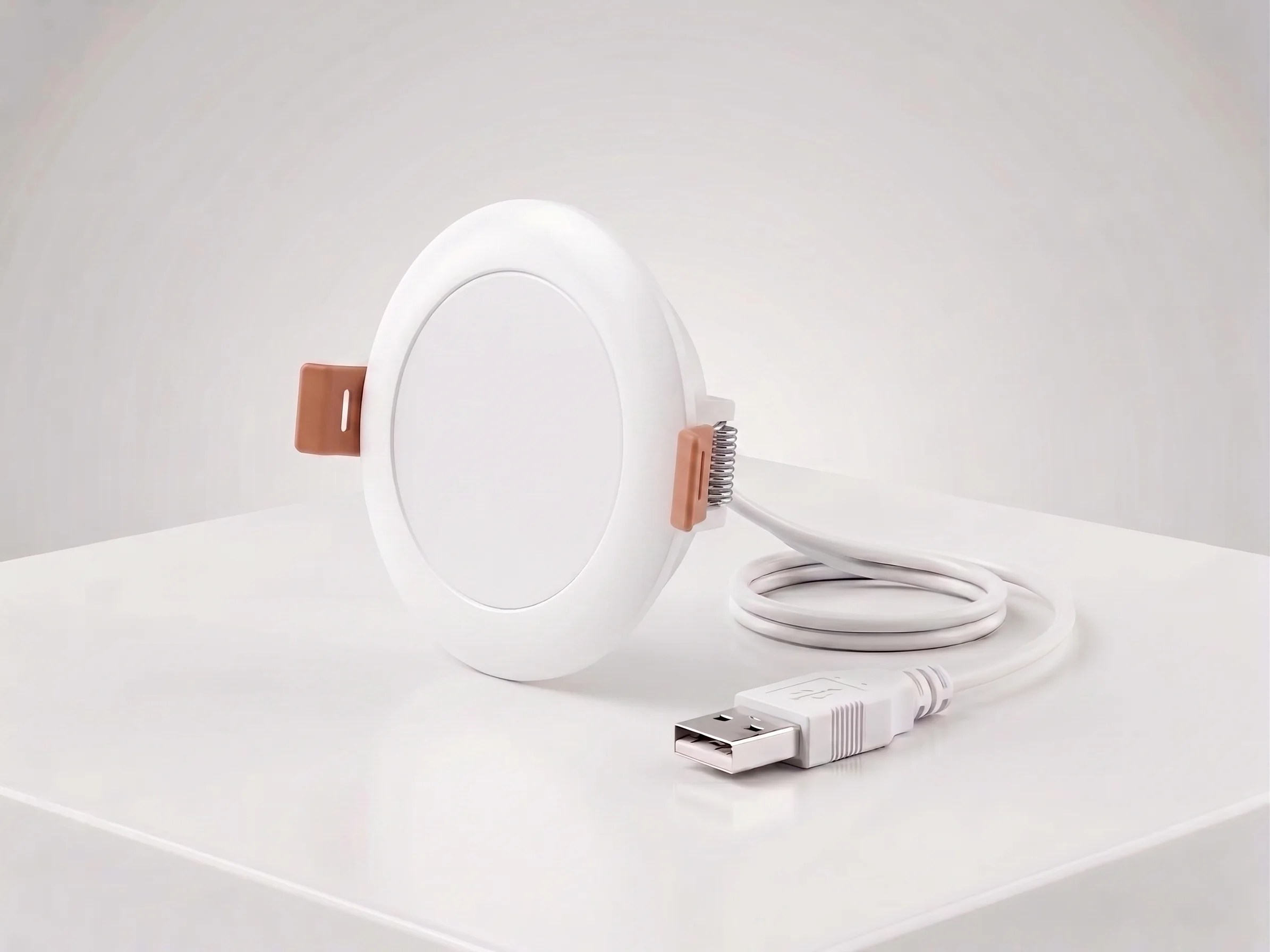
Sensor Kehadiran Manusia mmWave Pasang Plafon — Zigbee
Sensor kehadiran mmWave 24GHz pita lebar untuk plafon: deteksi gerak 10m, mikro-gerak 2,5m, deteksi napas. Sudut 120°, DC5V, Zigbee 3.0, untuk kamar hotel.
contentGraph.reasons.explicit
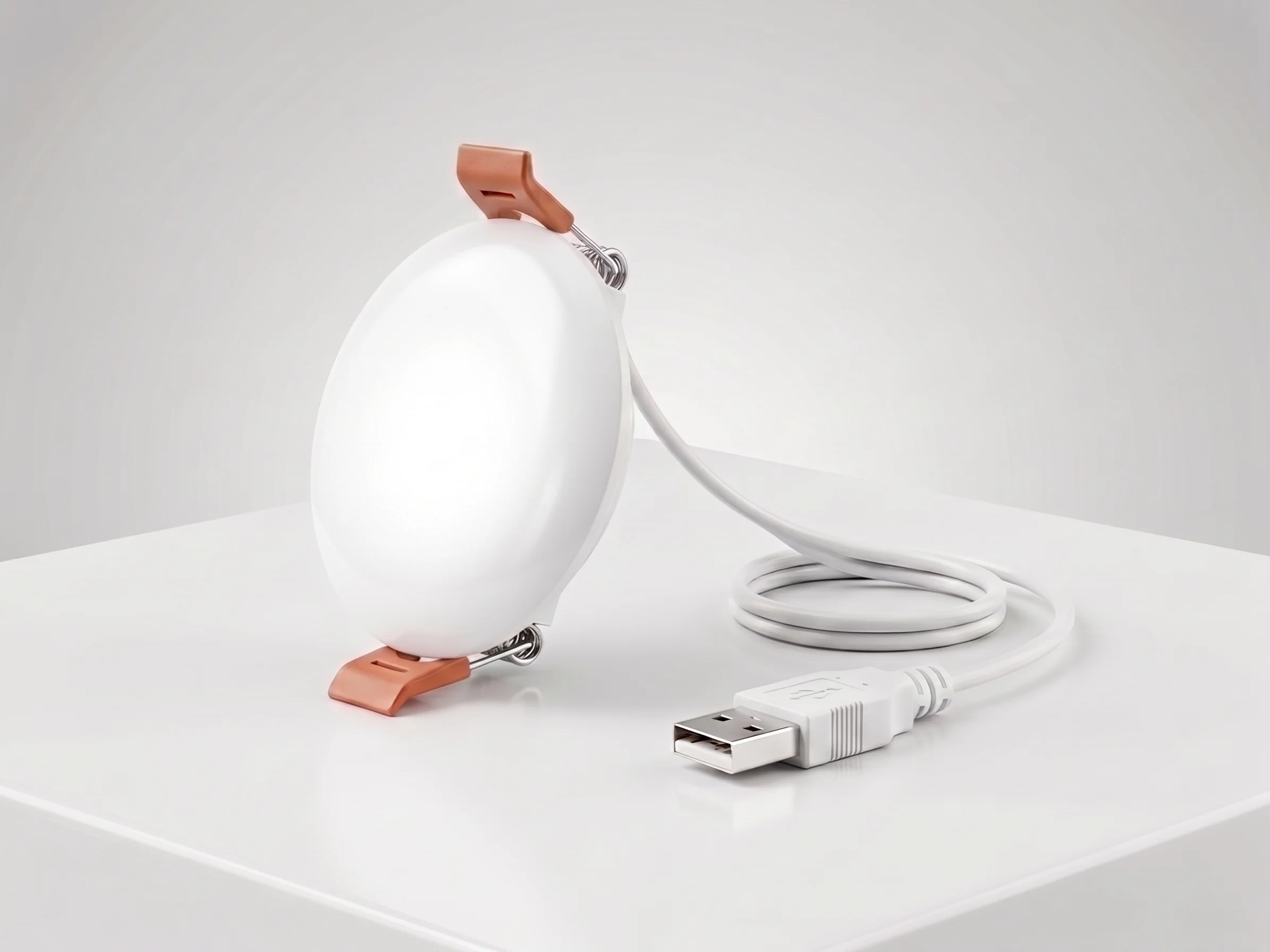
Sensor Kehadiran Manusia mmWave Plafon — WiFi
Sensor kehadiran mmWave 24GHz plafon, deteksi gerak 10m, mikro-gerak 2.5m, pernapasan. Sudut 120°, DC5V, WiFi 2.4GHz. Tanpa gateway, ideal retrofit hotel.
contentGraph.reasons.explicit
contentGraph.sections.solutions
1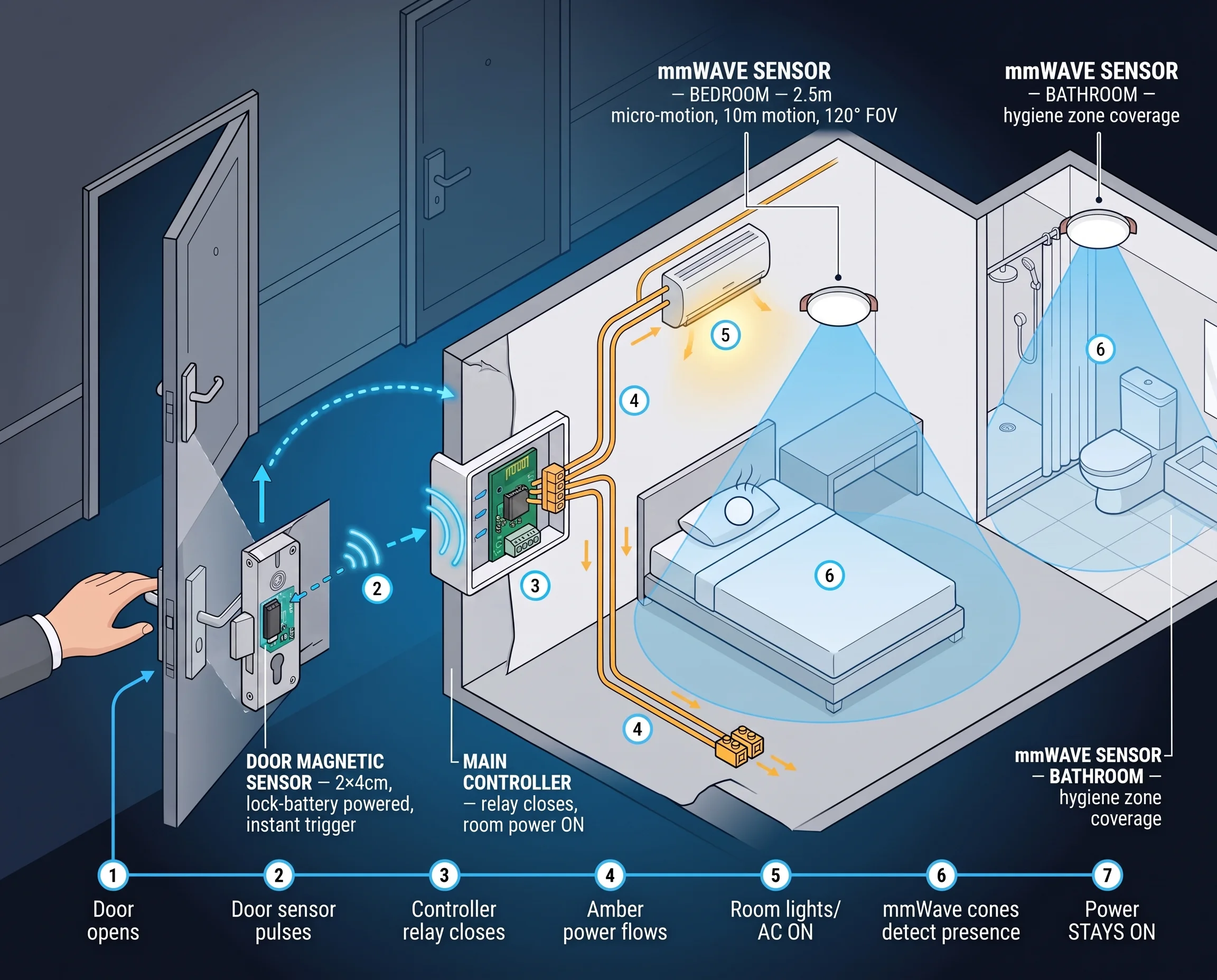
Solusi Sensor Okupansi & Gerak Kamar Hotel
Sensor okupansi radar mmWave untuk kamar hotel: deteksi tamu yang tidur, jadwalkan housekeeping, hemat energi HVAC 20-40% tanpa alarm kosong palsu.
contentGraph.reasons.productContext
contentGraph.sections.blog
3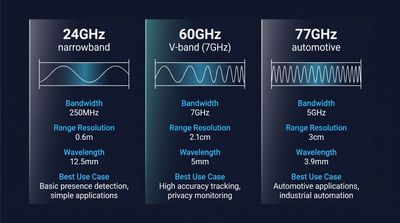
Sensor mmWave 60GHz vs 24GHz vs 77GHz: Memilih Frekuensi yang Tepat untuk Deteksi Kehadiran Komersial
Bandingkan sensor mmWave 60GHz, 24GHz, dan 77GHz untuk deteksi kehadiran komersial. Spesifikasi teknis, jangkauan deteksi, privasi, dan panduan sourcing OEM.
contentGraph.reasons.productContext
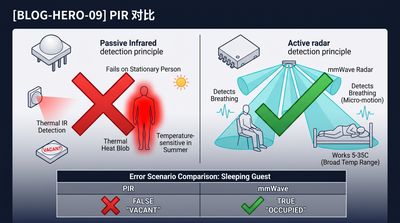
Apa Itu Sensor Kehadiran Elektronik? Teknologi dan Akurasi
Pelajari apa itu sensor kehadiran elektronik, cara mendeteksi manusia diam, dan perbedaannya dengan sensor gerak PIR. Membahas mmWave, akurasi, dan penerapan.
contentGraph.reasons.productContext
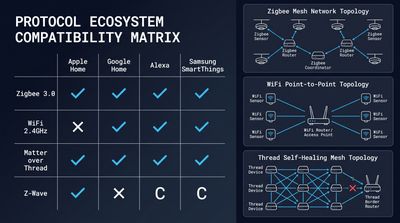
Cara Integrasi Sensor Kehadiran mmWave dengan Home Assistant
Panduan lengkap kontrol lokal perangkat mmWave: konfigurasi MQTT/Matter, skrip otomasi, kalibrasi, dan tips integrasi sensor kehadiran plafon OEM.
contentGraph.reasons.productContext
nextStep.blog.title
nextStep.blog.description
- nextStep.blog.points.one
- nextStep.blog.points.two
- nextStep.blog.points.three