Sensor mmWave Plafon: Panduan Lengkap Deteksi Kehadiran 2026
Panduan lengkap sensor mmWave plafon. Pelajari teknologi radar mmWave, praktik terbaik pemasangan plafon, dan cara memilih sensor yang tepat.
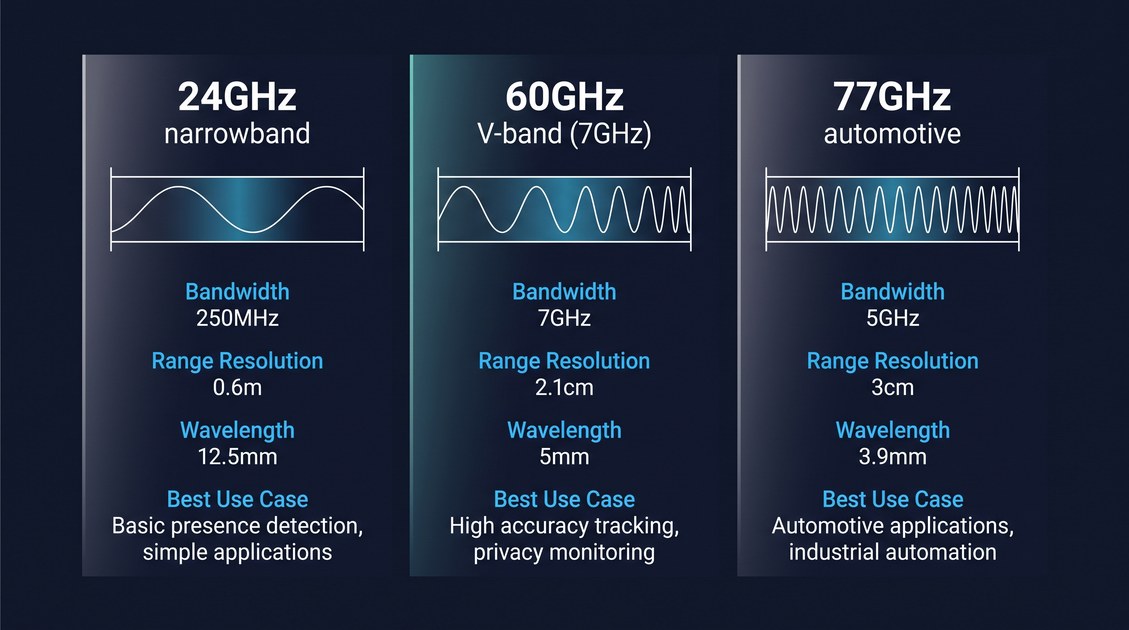
Sensor mmWave plafon adalah perangkat deteksi kehadiran yang dipasang di plafon ruangan dan menggunakan teknologi radar gelombang milimeter (mmWave) — paling umum beroperasi pada 60 GHz (57–64 GHz) dengan bandwidth 7 GHz — untuk mendeteksi penghuni manusia baik yang bergerak maupun diam, termasuk mereka yang sedang tidur, duduk tanpa gerak, atau membaca tanpa gerakan signifikan, dengan mendeteksi tanda micro-Doppler dari pernapasan manusia pada 0.2–0.5 Hz dari ketinggian pemasangan plafon tipikal 2.5–3.0 meter dengan tingkat true positive penghuni diam di atas 99% dalam pengujian terkontrol. Bentuk pemasangan plafon adalah pilihan dominan untuk deteksi kehadiran komersial di kamar hotel, ruang konferensi kantor, ruang pasien fasilitas kesehatan, dan ruang hunian residensial, di mana sensor memberikan sudut pandang 360 derajat atas ruangan, jarak deteksi 6–8 meter untuk penghuni diam, dan bentuk puck plafon ramping berdiameter 70 mm yang tidak mencolok secara visual. Sensor mmWave plafon modern mengintegrasikan array antena MIMO 3×3 atau 4×4 (untuk resolusi sudut halus dan pelacakan multi-target), bandwidth FMCW 7 GHz (untuk resolusi jarak 2.1 cm), pemrosesan FFT on-chip (untuk analisis sinyal waktu nyata), dan klasifikasi machine learning (untuk membedakan kehadiran manusia dari derau lingkungan), dengan akurasi deteksi penghuni diam yang secara signifikan melampaui sensor gerak infrared pasif (PIR) warisan dalam aplikasi apa pun di mana penghuni mungkin diam dalam waktu lama.
Memilih dan memasang sensor mmWave plafon memerlukan pemahaman tentang pilihan teknologi, praktik terbaik instalasi, dan persyaratan khusus aplikasi. Panduan ini memberikan gambaran komprehensif tentang sensor mmWave plafon, mencakup teknologi dan bentuk fisik, praktik terbaik instalasi yang menentukan performa dunia nyata, tolok ukur performa yang membedakan sensor berkualitas tinggi dari sensor biasa, serta kriteria pemilihan untuk memilih sensor yang tepat untuk aplikasi tertentu.
Sensor mmWave Plafon: Teknologi dan Bentuk Fisik
Teknologi dan bentuk fisik sensor mmWave plafon ditentukan oleh pita frekuensi mmWave, konfigurasi array antena, pemrosesan sinyal on-board, dan integrasi dengan sistem otomatisasi hilir.
Sensor mmWave Plafon: Pita Frekuensi 60 GHz
Pita ISM 60 GHz (57–64 GHz) adalah frekuensi bawaan untuk sensor mmWave plafon pada tahun 2026, menyediakan bandwidth 7 GHz yang memungkinkan resolusi jarak 2.1 cm dan deteksi micro-Doppler pernapasan manusia. Panjang gelombang 5 mm pada 60 GHz memungkinkan array antena MIMO 3×3 yang ramping muat dalam area PCB 20×20 mm, memungkinkan bentuk puck plafon berdiameter 70 mm yang menjadi standar untuk penerapan komersial.
Pita 60 GHz memiliki tiga keunggulan utama untuk deteksi kehadiran terpasang plafon:
- Bandwidth lebar: bandwidth 7 GHz memungkinkan resolusi jarak halus dan sensitivitas micro-Doppler
- Antena ramping: panjang gelombang 5 mm memungkinkan array antena kecil, memungkinkan bentuk fisik yang ramping
- Penghalang privasi: penyerapan oksigen yang tinggi pada 60 GHz (~15 dB/km) dan pelemahan kuat oleh dinding gypsum mencegah sinyal merambat antar ruangan, memberikan penghalang privasi alami untuk penerapan hotel dan residensial
Lingkungan regulasi untuk sensor 60 GHz sudah matang di seluruh dunia (FCC Part 15.255 di AS, EN 305 550 di UE), dan ekosistem chipset bersaing ketat (Texas Instruments, Infineon, Calterah, SGR, dan lainnya).
Sensor mmWave Plafon: Konfigurasi Array Antena MIMO
Konfigurasi array antena menentukan resolusi sudut dan kemampuan pelacakan multi-target sensor mmWave plafon. Konfigurasi yang umum adalah:
- 1×1 (satu pasang antena): menyediakan deteksi kehadiran dasar tanpa resolusi sudut. Cocok untuk aplikasi paling sederhana.
- MIMO 2×2: menyediakan resolusi sudut dasar dalam satu dimensi (azimut), dengan kemampuan melokalisasi penghuni dalam rentang 1–2 m pada jarak ruangan tipikal. Cocok untuk kamar hotel dan kantor kecil.
- MIMO 3×3: menyediakan resolusi sudut halus dalam dua dimensi (azimut dan elevasi), dengan kemampuan melokalisasi penghuni dalam rentang 0.5–1 m. Cocok untuk kamar hotel yang lebih besar, ruang konferensi, dan aplikasi yang memerlukan pelacakan multi-target.
- MIMO 4×4: menyediakan resolusi sudut paling halus dan kemampuan pelacakan multi-target terbaik. Cocok untuk ruang konferensi besar dan aplikasi yang memerlukan lokalisasi presisi.
Untuk sebagian besar aplikasi hotel, kantor, dan residensial, array antena MIMO 3×3 adalah keseimbangan yang tepat antara performa dan biaya.
Sensor mmWave Plafon: Pemrosesan Sinyal On-Board
Sensor mmWave plafon modern mengintegrasikan pemrosesan sinyal on-board yang signifikan, termasuk:
- Generasi dan penerimaan chirp FMCW
- Range FFT dan Doppler FFT (biasanya dipercepat perangkat keras)
- Pembuatan peta Range-Doppler
- Ekstraksi mikro-gerak (deteksi pernapasan)
- Klasifikasi machine learning (manusia vs. non-manusia)
Pemrosesan on-board memungkinkan sensor melaporkan status okupansi sederhana (dan secara opsional jumlah penghuni, aktivitas, atau lokasi) tanpa memerlukan prosesor eksternal yang bertenaga.
Sensor mmWave Plafon: Tolok Ukur Performa
Performa sensor mmWave plafon dicirikan oleh beberapa metrik kunci, dan memahami metrik ini penting untuk memilih sensor berkualitas tinggi.
Sensor mmWave Plafon: True Positive Rate Penghuni Diam
True positive rate (TPR) penghuni diam adalah metrik terpenting bagi sensor mmWave plafon. Sensor 60 GHz berkualitas tinggi mencapai TPR di atas 99% dalam pengujian terkontrol dan di atas 95% dalam penerapan dunia nyata. Sensor dengan TPR di bawah 95% umumnya tidak cocok untuk aplikasi di mana deteksi penghuni diam adalah persyaratan utama (kamar hotel, kamar tidur, kantor, ruang pasien fasilitas kesehatan).
Sensor mmWave Plafon: False Positive Rate
False positive rate (FPR) adalah persentase waktu sensor melaporkan kehadiran ketika ruangan sebenarnya kosong. Sensor mmWave plafon berkualitas tinggi mencapai FPR di bawah 1% selama periode 24 jam di lingkungan dalam ruangan tipikal. Sensor dengan FPR tinggi akan menyebabkan otomatisasi hilir aktif ketika ruangan kosong, membuang energi dan menurunkan pengalaman pengguna.
Sensor mmWave Plafon: Jarak Deteksi dan Sudut Pandang
Jarak deteksi sensor mmWave plafon 60 GHz adalah 6–8 m untuk penghuni diam dan 8–12 m untuk penghuni bergerak ketika dipasang pada ketinggian 2.5–3.0 m. Sudut pandang umumnya ±60° azimut dan ±40° elevasi, yang memberikan cakupan 360 derajat atas ruangan ketika dipasang di tengah plafon.
Sensor mmWave Plafon: Latensi Deteksi
Latensi deteksi adalah waktu antara penghuni memasuki zona deteksi dan sensor melaporkan perubahan tersebut. Untuk sensor mmWave plafon, latensi umumnya 0.5–3 detik, bergantung pada duty cycle dan pipeline pemrosesan sinyal. Untuk aplikasi yang memerlukan latensi di bawah satu detik (keamanan, deteksi jatuh), diperlukan sensor dengan duty cycle cepat.
Sensor mmWave Plafon: Konsumsi Daya
Konsumsi daya sensor mmWave plafon umumnya 0.5–1.0 W saat aktif, dengan beberapa miliwatt dalam mode standby (untuk konfigurasi duty-cycled). Untuk penerapan bertenaga listrik, konsumsi daya bukan masalah. Untuk penerapan bertenaga baterai, konsumsi daya menentukan umur baterai, dengan sel CR123A tipikal menyediakan 12–18 bulan operasi pada duty cycle radar 2–3 detik.
Sensor mmWave Plafon: Praktik Terbaik Instalasi
Instalasi sensor mmWave plafon sangat penting bagi performanya, dan beberapa praktik terbaik harus diikuti untuk mencapai tingkat akurasi tinggi yang membenarkan biaya lebih tinggi dibandingkan sensor gerak PIR.
Sensor mmWave Plafon: Ketinggian Pemasangan
Ketinggian pemasangan yang direkomendasikan untuk sensor mmWave plafon adalah 2.5–3.0 m, yang merupakan ketinggian plafon standar di sebagian besar bangunan komersial. Pada ketinggian ini, sensor dengan sudut pandang azimut ±60° dapat menutupi ruangan hingga 5×5 m, dan sensor dengan sudut pandang elevasi ±40° dapat menutupi area lantai hingga 4×4 m.
Memasang sensor terlalu tinggi (di atas 3.5 m) mengurangi sudut pandang di level lantai dan dapat menciptakan zona mati. Memasang sensor terlalu rendah (di bawah 2.0 m) membuat sensor rentan terhadap gangguan dan dapat menciptakan instalasi yang kurang estetis.
Sensor mmWave Plafon: Lokasi Pemasangan
Lokasi pemasangan yang direkomendasikan adalah tengah plafon, tepat di atas area aktivitas utama. Untuk kamar hotel, area aktivitas utama adalah tempat tidur, sehingga sensor harus dipasang di atas tengah tempat tidur. Untuk kantor, area aktivitas utama adalah meja kerja, sehingga sensor harus dipasang di atas tengah meja. Untuk ruang rapat, area aktivitas utama adalah meja konferensi, sehingga sensor harus dipasang di atas tengah meja.
Sensor harus dipasang minimal 0.5 m dari dinding mana pun, 0.5 m dari objek logam apa pun, dan 0.5 m dari diffuser HVAC apa pun. Jarak minimum ini mencegah sensor terpengaruh oleh pantulan, halangan, atau aliran udara yang diinduksi HVAC.
Sensor mmWave Plafon: Orientasi
Array antena sensor harus diorientasikan untuk memberikan cakupan penuh atas ruangan, dengan sumbu lebar sudut pandang sejajar dengan dimensi terpanjang ruangan. Untuk ruangan persegi panjang, sensor harus diorientasikan sehingga sumbu lebar sudut pandang sejajar dengan sumbu panjang ruangan, memberikan cakupan lebih luas sepanjang sumbu panjang.
Sensor mmWave Plafon: Daya dan Konektivitas
Sensor mmWave plafon dapat ditenagai oleh listrik jaringan (melalui adaptor daya atau junction box), oleh Power over Ethernet (PoE), atau oleh baterai. Daya listrik jaringan paling umum untuk penerapan hotel dan kantor, sementara PoE lebih disukai untuk penerapan kantor di mana kabel Ethernet tersedia. Daya baterai digunakan dalam beberapa penerapan retrofit di mana daya listrik tidak mudah tersedia.
Konektivitas dapat berupa Zigbee, WiFi, Matter, BACnet, atau protokol berkabel. Pilihan bergantung pada infrastruktur yang ada dan persyaratan integrasi. Untuk penerapan hotel, Zigbee paling umum. Untuk penerapan kantor, WiFi atau PoE dengan BACnet umum digunakan. Untuk penerapan smart home residensial, Matter atau Zigbee paling umum.
Sensor mmWave Plafon: Kasus Penggunaan
Sensor mmWave plafon adalah bentuk fisik dominan untuk beberapa vertikal aplikasi utama.
Sensor mmWave Plafon: Penerapan Kamar Hotel
Kamar hotel adalah aplikasi kanonik untuk sensor mmWave plafon. Sensor 60 GHz yang dipasang di tengah plafon pada ketinggian 2.5–3.0 m memberikan cakupan penuh atas ruangan, termasuk tempat tidur, meja kerja, pintu masuk kamar mandi, dan area duduk. Sensor mendeteksi tamu sepanjang masa menginap, termasuk saat mereka tidur, dan menyalurkan data okupansi ke sistem manajemen bangunan untuk koordinasi housekeeping dan ke sistem HVAC untuk manajemen energi.
Sensor mmWave Plafon: Penerapan Kantor dan Ruang Konferensi
Gedung perkantoran menggunakan sensor mmWave plafon untuk kontrol HVAC dan pencahayaan per ruangan, deteksi ketersediaan ruang konferensi, dan analitik pemanfaatan ruang. Sensor mmWave plafon di kantor individual mendeteksi apakah kantor sedang terisi dan menyesuaikan HVAC serta pencahayaan sesuai hal tersebut. Di ruang konferensi, sensor mendeteksi apakah ruangan sedang terisi dan menyediakan data ke sistem penjadwalan untuk ketersediaan ruangan waktu nyata.
Sensor mmWave Plafon: Penerapan Fasilitas Kesehatan dan Ruang Pasien
Fasilitas kesehatan menggunakan sensor mmWave plafon di ruang pasien untuk deteksi jatuh, peringatan keluar tempat tidur, dan kontrol lingkungan berbasis okupansi. Profil privasi radar mmWave (tanpa gambar, non-invasif) membuatnya cocok untuk penerapan di ruang pribadi di mana sensor berbasis kamera tidak akan pantas digunakan.
Sensor mmWave Plafon: Penerapan Smart Home Residensial
Smart home residensial menggunakan sensor mmWave plafon untuk pencahayaan berbasis okupansi, kontrol HVAC, dan pemantauan keamanan. Kasus penggunaan paling menarik untuk sensor residensial adalah pencegahan masalah "lampu mati saat sedang membaca" yang menghantui sensor gerak berbasis PIR.
Sensor mmWave Plafon: Kriteria Pemilihan
Memilih sensor mmWave plafon yang tepat untuk aplikasi tertentu memerlukan evaluasi beberapa kriteria.
Sensor mmWave Plafon: Performa Deteksi
Performa deteksi adalah kriteria terpenting. Metrik kunci mencakup TPR penghuni diam, FPR, jarak deteksi, dan sudut pandang. Vendor sensor harus menyediakan data pengujian independen untuk metrik-metrik ini.
Sensor mmWave Plafon: Bentuk Fisik
Bentuk fisik harus sesuai untuk instalasi. Untuk sebagian besar aplikasi, puck plafon berdiameter 70 mm adalah pilihan yang tepat. Untuk instalasi premium, opsi pemasangan tertanam (recessed) mungkin lebih disukai.
Sensor mmWave Plafon: Konektivitas
Konektivitas harus cocok dengan infrastruktur yang ada dan persyaratan integrasi. Untuk penerapan hotel, Zigbee paling umum. Untuk penerapan kantor, WiFi atau PoE dengan BACnet umum digunakan. Untuk penerapan residensial, Matter atau Zigbee paling umum.
Sensor mmWave Plafon: Sertifikasi
Sensor harus membawa sertifikasi yang diperlukan untuk pasar target: FCC, CE, RoHS, dan sertifikasi regional apa pun. Untuk penerapan fasilitas kesehatan, sertifikasi tambahan mungkin diperlukan.
Sensor mmWave Plafon: Rekomendasi Akhir
Sensor mmWave plafon adalah bentuk fisik bawaan untuk deteksi kehadiran komersial pada tahun 2026, dengan radar mmWave 60 GHz sebagai teknologi bawaan. Teknologi ini menyediakan deteksi penghuni diam yang andal, profil privasi yang sangat baik, dan bentuk fisik yang ramping, menjadikannya cocok untuk kamar hotel, kantor, fasilitas kesehatan, dan smart home residensial.
Bagi tim pengadaan atau konsumen yang memilih sensor mmWave plafon, pendekatan yang tepat adalah memulai dengan definisi yang jelas tentang persyaratan aplikasi, kemudian mengevaluasi sensor yang tersedia terhadap persyaratan tersebut, lalu memilih vendor dengan rekam jejak terbukti di vertikal target. Produk yang direkomendasikan untuk sebagian besar aplikasi adalah ceiling-presence-sensor-zigbee, ceiling-presence-sensor-wifi, dan ceiling-presence-sensor-matter dari vendor dengan portofolio produk kuat dan rekam jejak penerapan yang terbukti.
Dengan sensor mmWave plafon yang tepat, terpasang dan terintegrasi dengan benar, sensor dapat memberikan tingkat kesadaran okupansi yang mustahil dicapai dengan sensor gerak berbasis PIR, dan dapat membenarkan biaya satuan yang lebih tinggi melalui efisiensi energi yang lebih baik, pengalaman penghuni yang lebih baik, dan data okupansi yang lebih akurat untuk analitik hilir.
Sebagian konten artikel ini dihasilkan oleh AI dan dioptimalkan untuk akurasi profesional serta keterbacaan. A ceiling mmWave sensor is a presence detection device mounted on the ceiling of a room that uses millimeter-wave (mmWave) radar technology — most commonly operating at 60 GHz (57–64 GHz) with 7 GHz of bandwidth — to detect both moving and stationary human occupants, including those who are sleeping, sitting motionless, or reading without significant movement, by sensing the micro-Doppler signature of human breathing at 0.2–0.5 Hz from a typical ceiling mounting height of 2.5–3.0 meters with a stationary-occupant true positive rate above 99% in controlled testing. The ceiling-mounted form factor is the dominant choice for commercial presence detection in hotel rooms, office conference rooms, healthcare patient rooms, and residential living spaces, where it provides a 360-degree field of view of the room, a detection range of 6–8 meters for stationary occupants, and a compact 70 mm diameter ceiling puck form factor that is visually unobtrusive. A modern ceiling mmWave sensor integrates a 3×3 or 4×4 MIMO antenna array (for fine angular resolution and multi-target tracking), 7 GHz of FMCW bandwidth (for 2.1 cm range resolution), on-chip FFT processing (for real-time signal analysis), and machine learning classification (for distinguishing human presence from environmental noise), with a stationary-occupant detection accuracy that significantly exceeds the legacy passive infrared (PIR) motion sensor in any application where the occupant may be still for extended periods.
Selecting and installing a ceiling mmWave sensor requires understanding the technology options, the installation best practices, and the application-specific requirements. This guide provides a comprehensive overview of ceiling mmWave sensors, covering the technology and form factor, the installation best practices that determine real-world performance, the performance benchmarks that distinguish a high-quality sensor from a mediocre one, and the selection criteria for choosing the right sensor for a specific application.
Ceiling mmWave Sensor: Technology and Form Factor
The technology and form factor of a ceiling mmWave sensor are determined by the mmWave frequency band, the antenna array configuration, the on-board signal processing, and the integration with the downstream automation system.
Ceiling mmWave Sensor: The 60 GHz Frequency Band
The 60 GHz ISM band (57–64 GHz) is the default frequency for ceiling mmWave sensors in 2026, providing 7 GHz of bandwidth that enables 2.1 cm range resolution and micro-Doppler detection of human breathing. The 5 mm wavelength at 60 GHz allows a compact 3×3 MIMO antenna array to fit in a 20×20 mm PCB area, enabling the 70 mm diameter ceiling puck form factor that is the standard for commercial deployments.
The 60 GHz band has three key advantages for ceiling-mounted presence detection:
- Wide bandwidth: 7 GHz of bandwidth enables fine range resolution and micro-Doppler sensitivity
- Compact antennas: the 5 mm wavelength allows small antenna arrays, enabling a compact form factor
- Privacy barrier: the high oxygen absorption at 60 GHz (~15 dB/km) and the strong attenuation by drywall prevent the signal from propagating between rooms, providing a natural privacy barrier for hotel and residential deployments
The regulatory environment for 60 GHz sensors is mature worldwide (FCC Part 15.255 in the US, EN 305 550 in the EU), and the chipset ecosystem is competitive (Texas Instruments, Infineon, Calterah, SGR, and others).
Ceiling mmWave Sensor: MIMO Antenna Array Configuration
The antenna array configuration determines the angular resolution and the multi-target tracking capability of the ceiling mmWave sensor. The common configurations are:
- 1×1 (single antenna pair): provides basic presence detection with no angular resolution. Suitable for the simplest applications.
- 2×2 MIMO: provides basic angular resolution in one dimension (azimuth), with the ability to localize the occupant to within 1–2 m at typical room distances. Suitable for hotel rooms and small offices.
- 3×3 MIMO: provides fine angular resolution in two dimensions (azimuth and elevation), with the ability to localize the occupant to within 0.5–1 m. Suitable for larger hotel rooms, conference rooms, and applications that require multi-target tracking.
- 4×4 MIMO: provides the finest angular resolution and the best multi-target tracking capability. Suitable for large conference rooms and applications that require precise localization.
For most hotel, office, and residential applications, a 3×3 MIMO antenna array is the right balance of performance and cost.
Ceiling mmWave Sensor: On-Board Signal Processing
Modern ceiling mmWave sensors integrate significant on-board signal processing, including:
- FMCW chirp generation and reception
- Range FFT and Doppler FFT (typically hardware-accelerated)
- Range-Doppler map generation
- Micro-motion extraction (breathing detection)
- Machine learning classification (human vs. non-human)
The on-board processing enables the sensor to report a simple occupancy state (and optionally the number of occupants, the activity, or the location) without requiring a powerful external processor.
Ceiling mmWave Sensor: Performance Benchmarks
The performance of a ceiling mmWave sensor is characterized by several key metrics, and understanding these metrics is essential for selecting a high-quality sensor.
Ceiling mmWave Sensor: Stationary-Occupant True Positive Rate
The stationary-occupant true positive rate (TPR) is the single most important metric for a ceiling mmWave sensor. A high-quality 60 GHz sensor achieves a TPR above 99% in controlled testing and above 95% in real-world deployment. A sensor with a TPR below 95% is generally not suitable for applications where stationary occupant detection is the primary requirement (hotel rooms, bedrooms, offices, healthcare patient rooms).
Ceiling mmWave Sensor: False Positive Rate
The false positive rate (FPR) is the percentage of time the sensor reports presence when the room is actually empty. A high-quality ceiling mmWave sensor achieves an FPR below 1% over a 24-hour period in a typical indoor environment. A sensor with a high FPR will cause the downstream automation to activate when the room is empty, wasting energy and degrading the user experience.
Ceiling mmWave Sensor: Detection Range and Field of View
The detection range of a 60 GHz ceiling mmWave sensor is 6–8 m for stationary occupants and 8–12 m for moving occupants when mounted at 2.5–3.0 m. The field of view is typically ±60° azimuth and ±40° elevation, which provides 360-degree coverage of a room when mounted in the center of the ceiling.
Ceiling mmWave Sensor: Detection Latency
The detection latency is the time between an occupant entering the detection zone and the sensor reporting the change. For a ceiling mmWave sensor, the latency is typically 0.5–3 seconds, depending on the duty cycle and the signal processing pipeline. For applications that require sub-second latency (security, fall detection), a sensor with a fast duty cycle is required.
Ceiling mmWave Sensor: Power Consumption
The power consumption of a ceiling mmWave sensor is typically 0.5–1.0 W when active, with a few milliwatts in standby (for duty-cycled configurations). For mains-powered deployments, the power consumption is not a concern. For battery-powered deployments, the power consumption determines the battery life, with a typical CR123A cell providing 12–18 months of operation at a 2–3 second radar duty cycle.
Ceiling mmWave Sensor: Installation Best Practices
The installation of a ceiling mmWave sensor is critical to its performance, and several best practices must be followed to achieve the high accuracy levels that justify the higher cost compared to a PIR motion sensor.
Ceiling mmWave Sensor: Mounting Height
The recommended mounting height for a ceiling mmWave sensor is 2.5–3.0 m, which is the standard ceiling height in most commercial buildings. At this height, a sensor with a ±60° azimuth field of view can cover a room of up to 5×5 m, and a sensor with a ±40° elevation field of view can cover a floor area of up to 4×4 m.
Mounting the sensor too high (above 3.5 m) reduces the field of view at floor level and may create dead zones. Mounting the sensor too low (below 2.0 m) makes the sensor vulnerable to tampering and may create a less aesthetically pleasing installation.
Ceiling mmWave Sensor: Mounting Location
The recommended mounting location is the center of the ceiling, directly above the main activity area. For a hotel room, the main activity area is the bed, so the sensor should be mounted above the center of the bed. For an office, the main activity area is the desk, so the sensor should be mounted above the center of the desk. For a meeting room, the main activity area is the conference table, so the sensor should be mounted above the center of the table.
The sensor should be mounted at least 0.5 m from any wall, 0.5 m from any metal object, and 0.5 m from any HVAC diffuser. These minimum distances prevent the sensor from being affected by reflections, occlusions, or HVAC-induced air currents.
Ceiling mmWave Sensor: Orientation
The sensor's antenna array should be oriented to provide full coverage of the room, with the broad axis of the field of view aligned with the longest dimension of the room. For a rectangular room, the sensor should be oriented so that the broad axis of the field of view is aligned with the long axis of the room, providing wider coverage along the long axis.
Ceiling mmWave Sensor: Power and Connectivity
A ceiling mmWave sensor can be powered by mains (via a power adapter or a junction box), by Power over Ethernet (PoE), or by battery. Mains power is the most common for hotel and office deployments, while PoE is preferred for office deployments where Ethernet cabling is available. Battery power is used in some retrofit deployments where mains power is not readily available.
The connectivity can be Zigbee, WiFi, Matter, BACnet, or a wired protocol. The choice depends on the existing infrastructure and the integration requirements. For hotel deployments, Zigbee is the most common. For office deployments, WiFi or PoE with BACnet is common. For residential smart home deployments, Matter or Zigbee is the most common.
Ceiling mmWave Sensor: Use Cases
The ceiling mmWave sensor is the dominant form factor for several major application verticals.
Ceiling mmWave Sensor: Hotel Room Deployment
Hotel rooms are the canonical application for the ceiling mmWave sensor. A 60 GHz sensor mounted in the center of the ceiling at 2.5–3.0 m provides full coverage of the room, including the bed, the desk, the bathroom entry, and the seating area. The sensor detects the guest throughout the stay, including when they are sleeping, and feeds the occupancy data to the building management system for housekeeping coordination and the HVAC system for energy management.
Ceiling mmWave Sensor: Office and Conference Room Deployment
Office buildings use ceiling mmWave sensors for per-room HVAC and lighting control, conference room availability detection, and space utilization analytics. A ceiling mmWave sensor in an individual office detects whether the office is occupied and adjusts the HVAC and lighting accordingly. In a conference room, the sensor detects whether the room is occupied and provides the data to the scheduling system for real-time room availability.
Ceiling mmWave Sensor: Healthcare and Patient Room Deployment
Healthcare facilities use ceiling mmWave sensors in patient rooms for fall detection, bed-exit alerting, and occupancy-based environmental control. The privacy profile of mmWave radar (no images, non-invasive) makes it suitable for deployment in private spaces where camera-based sensing would be inappropriate.
Ceiling mmWave Sensor: Residential Smart Home Deployment
Residential smart homes use ceiling mmWave sensors for occupancy-based lighting, HVAC control, and security monitoring. The most compelling use case for residential sensors is the prevention of the "light turned off while reading" problem that plagues PIR-based motion sensors.
Ceiling mmWave Sensor: Selection Criteria
Selecting the right ceiling mmWave sensor for a specific application requires evaluating several criteria.
Ceiling mmWave Sensor: Detection Performance
The detection performance is the most important criterion. Key metrics include stationary-occupant TPR, FPR, detection range, and field of view. The sensor vendor should provide independent test data for these metrics.
Ceiling mmWave Sensor: Form Factor
The form factor should be appropriate for the installation. For most applications, a 70 mm diameter ceiling puck is the right choice. For premium installations, a recessed mounting option may be preferred.
Ceiling mmWave Sensor: Connectivity
The connectivity should match the existing infrastructure and the integration requirements. For hotel deployments, Zigbee is the most common. For office deployments, WiFi or PoE with BACnet is common. For residential deployments, Matter or Zigbee is the most common.
Ceiling mmWave Sensor: Certifications
The sensor should carry the required certifications for the target market: FCC, CE, RoHS, and any regional certifications. For healthcare deployments, additional certifications may be required.
Ceiling mmWave Sensor: Final Recommendation
The ceiling mmWave sensor is the default form factor for commercial presence detection in 2026, with the 60 GHz mmWave radar being the default technology. The technology provides reliable stationary-occupant detection, an excellent privacy profile, and a compact form factor, making it suitable for hotel rooms, offices, healthcare facilities, and residential smart homes.
For a procurement team or a consumer selecting a ceiling mmWave sensor, the right approach is to start with a clear definition of the application requirements, then evaluate the available sensors against those requirements, then select a vendor with a proven track record in the target vertical. The recommended products for most applications are the ceiling-presence-sensor-zigbee, ceiling-presence-sensor-wifi, and ceiling-presence-sensor-matter from vendors with strong product portfolios and proven deployment track records.
With the right ceiling mmWave sensor, correctly installed and integrated, the sensor can deliver a level of occupancy awareness that is impossible to achieve with PIR-based motion sensors, and can justify the higher unit cost through improved energy efficiency, better occupant experience, and more accurate occupancy data for downstream analytics.
Part of this article content is generated by AI and optimized for professional accuracy and readability.
blog.inArticleCta.title
blog.inArticleCta.description
contentGraph.title
contentGraph.description
contentGraph.sections.products
3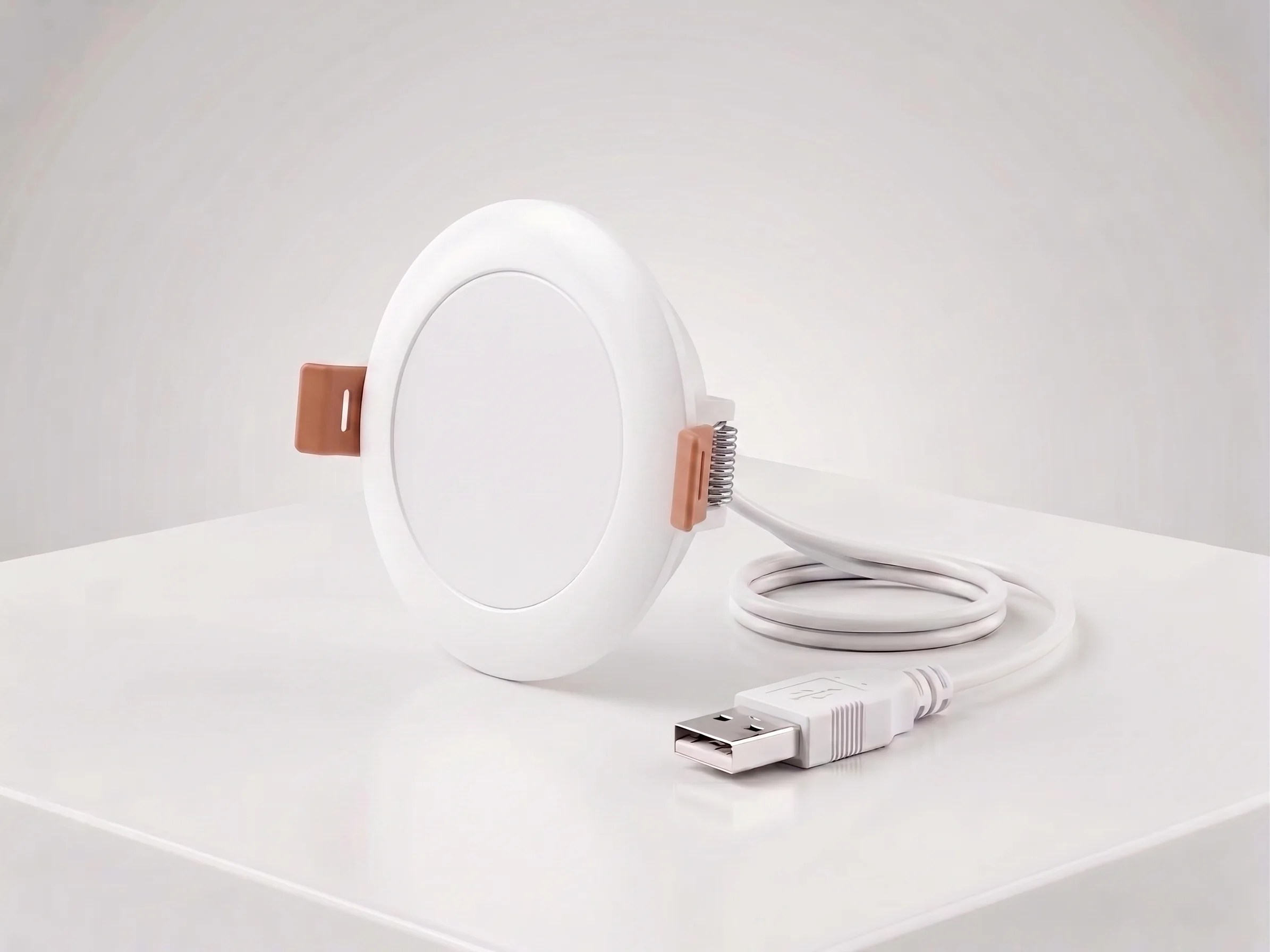
Sensor Kehadiran Manusia mmWave Pasang Plafon — Zigbee
Sensor kehadiran mmWave 24GHz pita lebar untuk plafon: deteksi gerak 10m, mikro-gerak 2,5m, deteksi napas. Sudut 120°, DC5V, Zigbee 3.0, untuk kamar hotel.
contentGraph.reasons.explicit
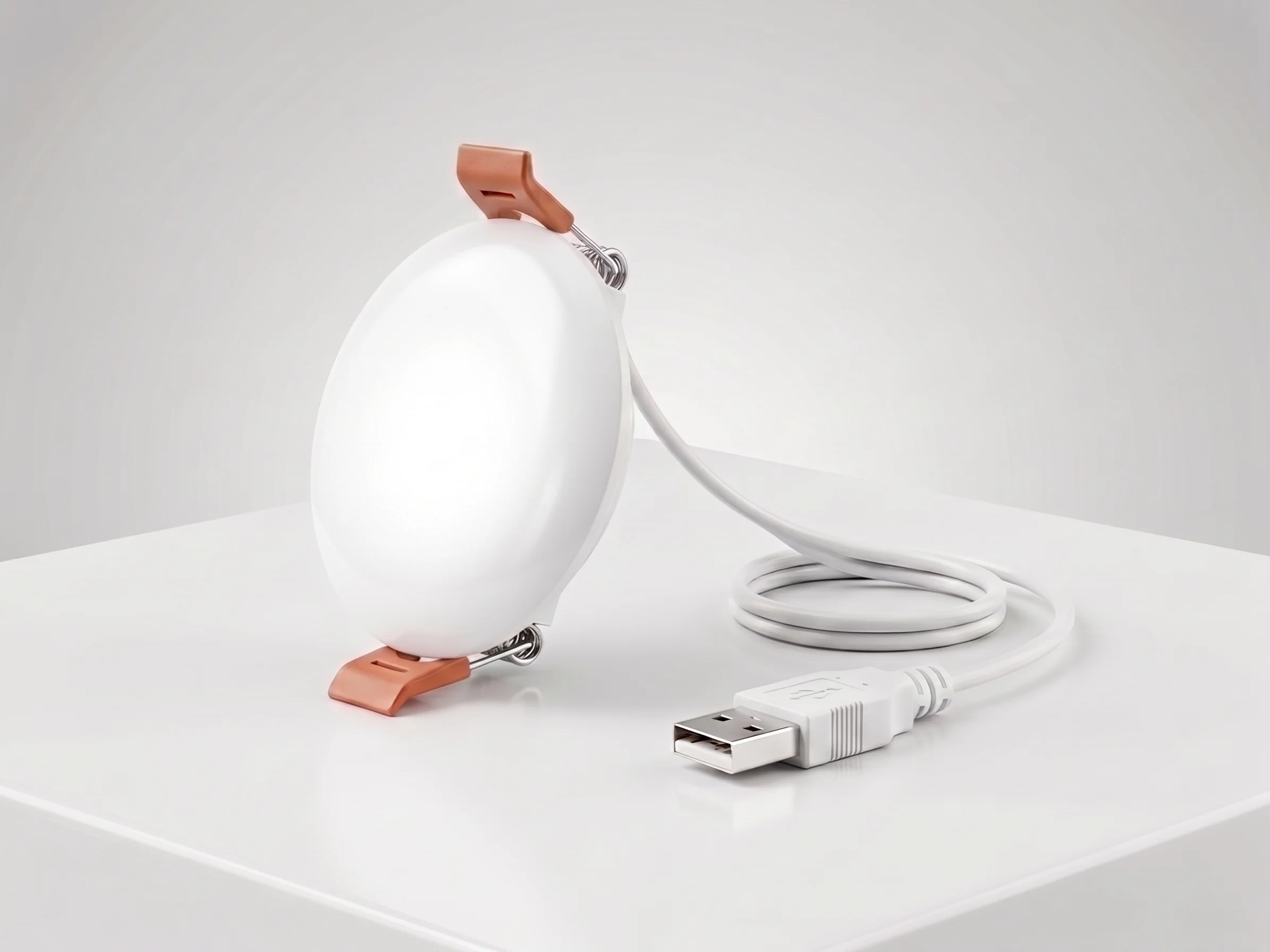
Sensor Kehadiran Manusia mmWave Plafon — WiFi
Sensor kehadiran mmWave 24GHz plafon, deteksi gerak 10m, mikro-gerak 2.5m, pernapasan. Sudut 120°, DC5V, WiFi 2.4GHz. Tanpa gateway, ideal retrofit hotel.
contentGraph.reasons.explicit
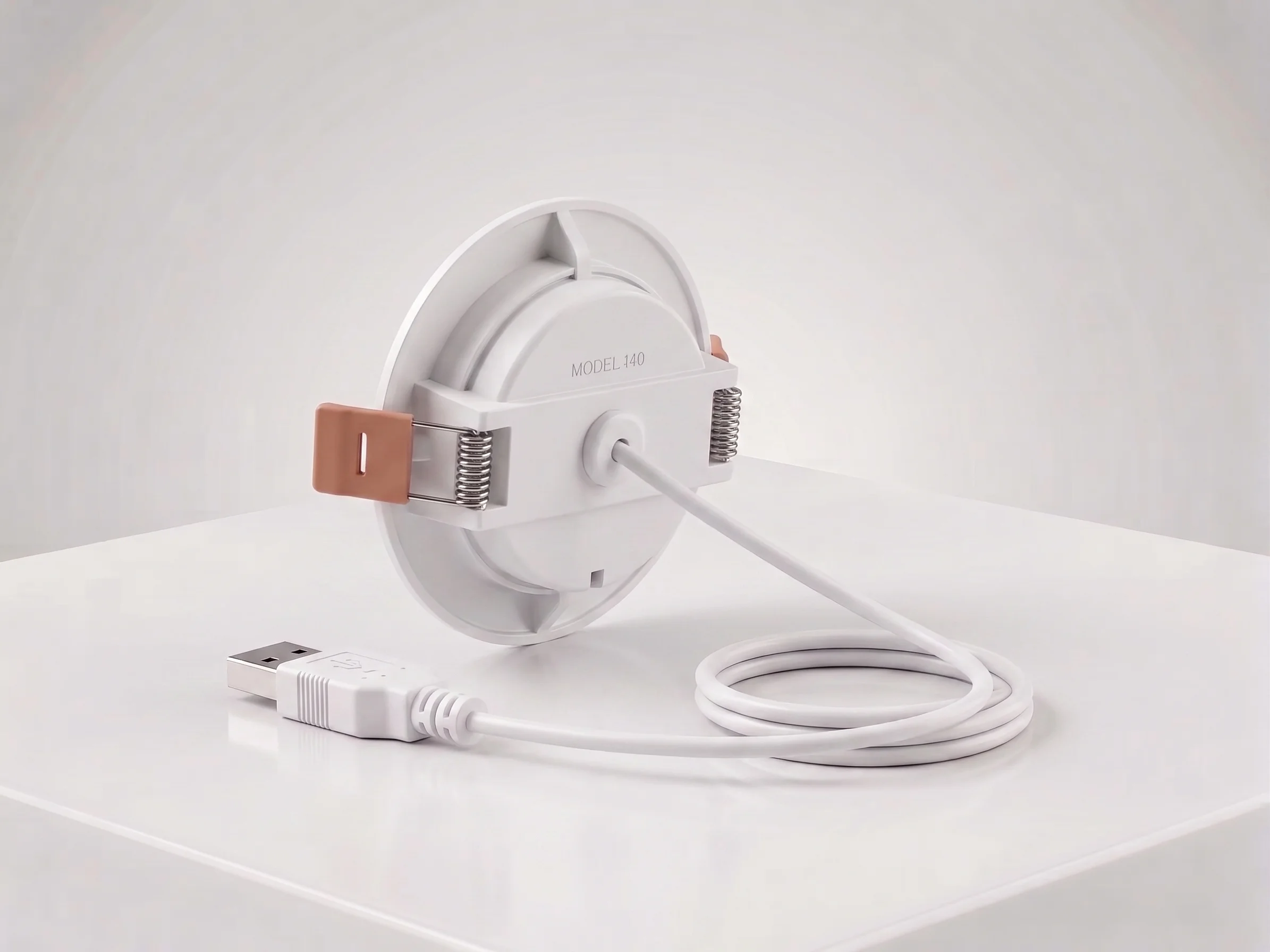
Sensor Kehadiran Manusia mmWave Plafon — Matter over Thread
Sensor kehadiran mmWave plafon 24GHz: gerak 10m, mikro-gerak 2.5m, deteksi napas. 120°, DC5V, Matter over Thread untuk Apple Home, Google Home, dan Alexa.
contentGraph.reasons.explicit
contentGraph.sections.solutions
1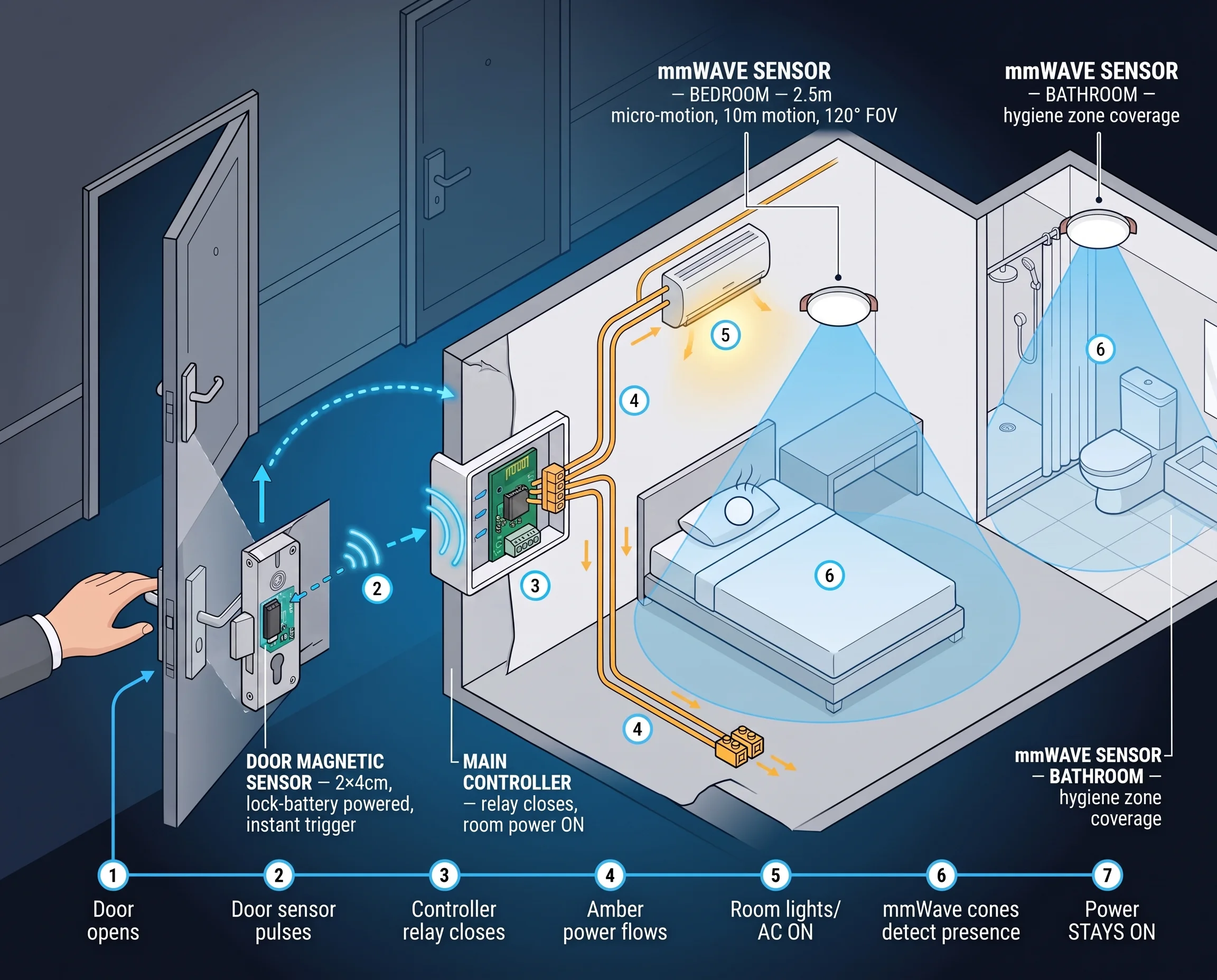
Solusi Sensor Okupansi & Gerak Kamar Hotel
Sensor okupansi radar mmWave untuk kamar hotel: deteksi tamu yang tidur, jadwalkan housekeeping, hemat energi HVAC 20-40% tanpa alarm kosong palsu.
contentGraph.reasons.productContext
contentGraph.sections.blog
3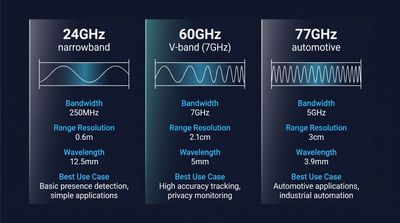
Sensor mmWave 60GHz vs 24GHz vs 77GHz: Memilih Frekuensi yang Tepat untuk Deteksi Kehadiran Komersial
Bandingkan sensor mmWave 60GHz, 24GHz, dan 77GHz untuk deteksi kehadiran komersial. Spesifikasi teknis, jangkauan deteksi, privasi, dan panduan sourcing OEM.
contentGraph.reasons.productContext
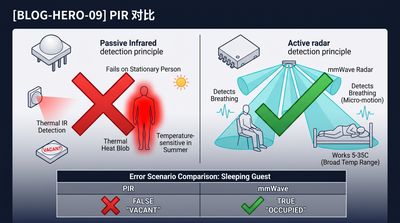
Apa Itu Sensor Kehadiran Elektronik? Teknologi dan Akurasi
Pelajari apa itu sensor kehadiran elektronik, cara mendeteksi manusia diam, dan perbedaannya dengan sensor gerak PIR. Membahas mmWave, akurasi, dan penerapan.
contentGraph.reasons.productContext
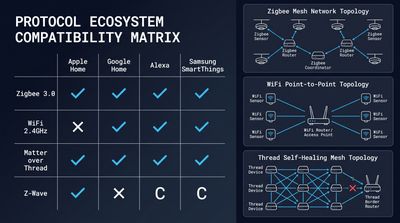
Cara Integrasi Sensor Kehadiran mmWave dengan Home Assistant
Panduan lengkap kontrol lokal perangkat mmWave: konfigurasi MQTT/Matter, skrip otomasi, kalibrasi, dan tips integrasi sensor kehadiran plafon OEM.
contentGraph.reasons.productContext
nextStep.blog.title
nextStep.blog.description
- nextStep.blog.points.one
- nextStep.blog.points.two
- nextStep.blog.points.three