Sensor mmWave Terbaik 2026: Perangkat Deteksi Kehadiran
Panduan perbandingan sensor mmWave terbaik di 2026. Membahas akurasi deteksi, jangkauan, konektivitas, dan cara memilih sensor kehadiran terbaik.
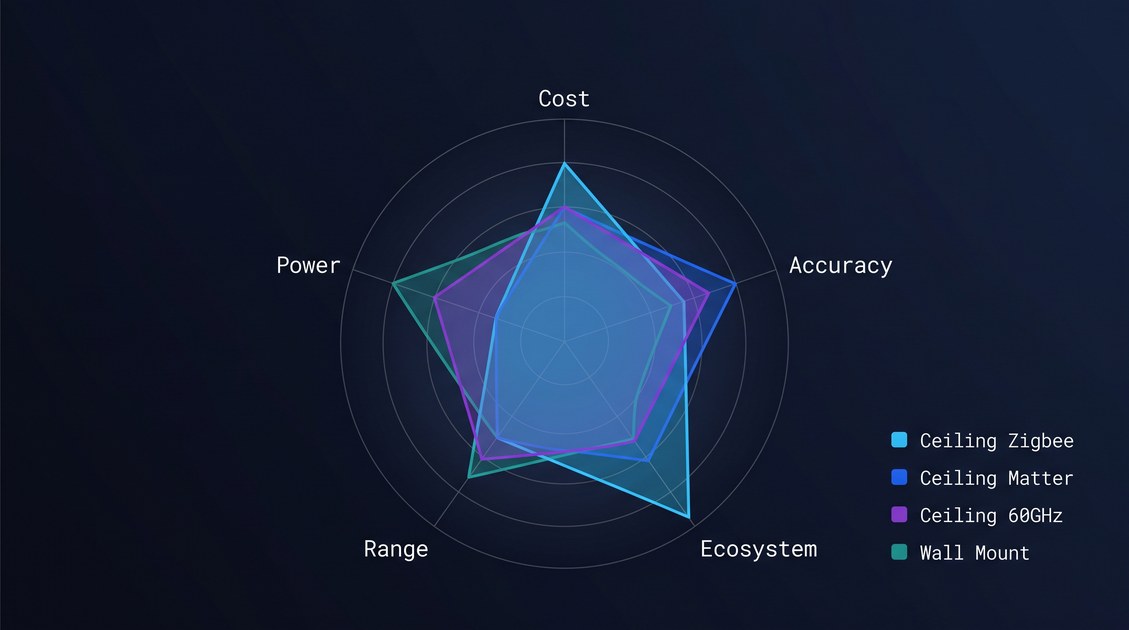
Sensor mmWave terbaik untuk sebuah aplikasi pada tahun 2026 adalah perangkat deteksi kehadiran radar gelombang milimeter 60 GHz yang menggabungkan susunan antena MIMO 3×3 atau 4×4 (untuk resolusi sudut yang halus dan pelacakan multi-target), bandwidth 7 GHz (untuk resolusi jangkauan 2,1 cm dan deteksi mikro-Doppler pernapasan manusia pada 0,2–0,5 Hz), tingkat true positive okupan stasioner di atas 99% dalam pengujian terkontrol dan di atas 95% dalam penerapan di dunia nyata, tingkat false positive di bawah 1% dalam periode 24 jam, jangkauan deteksi 6–8 meter untuk okupan stasioner, serta opsi konektivitas (Zigbee, WiFi, Matter, atau BACnet) yang sesuai dengan kebutuhan integrasi penerapan tersebut. Sensor mmWave terbaik bukanlah satu produk tunggal, melainkan kategori perangkat yang berbagi karakteristik tersebut, dan pilihan spesifiknya bergantung pada aplikasi: deteksi kehadiran kamar hotel menguntungkan sensor terpasang plafon dengan konektivitas Zigbee, penerapan perkantoran menguntungkan sensor terpasang plafon dengan WiFi atau PoE, layanan kesehatan menguntungkan sensor kabel bertenaga listrik dengan deteksi jatuh, dan smart home residensial menguntungkan sensor dengan konektivitas Matter yang terintegrasi dengan platform smart home.
Memilih sensor mmWave terbaik memerlukan pemahaman terhadap karakteristik kinerja yang membedakan sensor berkualitas tinggi dari sensor biasa, serta kebutuhan aplikasi yang menentukan sensor mana yang paling tepat. Panduan ini menyediakan kerangka perbandingan terstruktur untuk mengevaluasi sensor mmWave, menjelaskan metrik kinerja utama, mengidentifikasi produk unggulan di setiap kategori aplikasi, dan menawarkan kerangka keputusan untuk memilih sensor mmWave terbaik bagi penerapan tertentu.
Sensor mmWave Terbaik: Metrik Kinerja Utama
Kinerja sensor mmWave ditandai oleh beberapa metrik utama, dan memahami metrik-metrik ini merupakan fondasi untuk mengidentifikasi sensor mmWave terbaik bagi aplikasi tertentu.
Sensor mmWave Terbaik: Tingkat True Positive Okupan Stasioner
Tingkat true positive okupan stasioner (TPR) adalah metrik terpenting untuk aplikasi apa pun di mana okupan mungkin berdiam dalam waktu lama. Sensor mmWave terbaik mencapai TPR di atas 99% dalam pengujian terkontrol dan di atas 95% dalam penerapan di dunia nyata. Sensor dengan TPR di bawah 95% umumnya tidak cocok untuk aplikasi yang menjadikan deteksi okupan stasioner sebagai kebutuhan utama (kamar hotel, kamar tidur, kantor, ruang pasien layanan kesehatan).
TPR ditentukan oleh sensitivitas mikro-Doppler sensor, yang merupakan fungsi dari bandwidth dan pemrosesan sinyal. Sensor 60 GHz dengan bandwidth 7 GHz memiliki sensitivitas mikro-Doppler terbaik, diikuti sensor 77 GHz dengan bandwidth 5 GHz, dan sensor 24 GHz dengan bandwidth 250 MHz (yang memiliki sensitivitas mikro-Doppler paling buruk).
Sensor mmWave Terbaik: Tingkat False Positive
Tingkat false positive (FPR) adalah persentase waktu sensor melaporkan adanya kehadiran padahal ruangan sebenarnya kosong. Sensor mmWave terbaik mencapai FPR di bawah 1% dalam periode 24 jam di lingkungan dalam ruangan tipikal. Sensor dengan FPR tinggi akan menyebabkan otomatisasi hilir aktif saat ruangan kosong, sehingga memboroskan energi dan menurunkan pengalaman pengguna.
FPR ditentukan oleh penyaringan lingkungan sensor, yang membedakan gerak mikro manusia dari gerakan lingkungan (aliran udara HVAC, pergerakan gorden, gerakan kipas). Sensor dengan penyaringan lingkungan yang tangguh (umumnya berbasis machine learning) memiliki FPR lebih rendah dibandingkan sensor dengan penyaringan berbasis ambang batas sederhana.
Sensor mmWave Terbaik: Jangkauan Deteksi dan Field of View
Jangkauan deteksi dan field of view menentukan area yang dapat dicakup oleh sensor. Sensor mmWave terbaik untuk aplikasi terpasang plafon memiliki jangkauan deteksi 6–8 m untuk okupan stasioner dan field of view ±60° azimut serta ±40° elevasi, yang memberikan cakupan 360 derajat sebuah ruangan saat dipasang di tengah plafon.
Untuk aplikasi yang membutuhkan jangkauan lebih jauh (gudang, venue besar), sensor 77 GHz dengan jangkauan deteksi 15–30 m mungkin menjadi pilihan terbaik. Untuk aplikasi yang membutuhkan field of view lebih sempit (koridor, pintu masuk), sensor dengan field of view lebih sempit mungkin lebih diutamakan.
Sensor mmWave Terbaik: Latensi Deteksi
Latensi deteksi adalah waktu antara okupan memasuki zona deteksi dan sensor melaporkan perubahan tersebut. Sensor mmWave terbaik mencapai latensi deteksi di bawah 3 detik untuk sebagian besar aplikasi, dan di bawah 1 detik untuk aplikasi yang respons cepatnya krusial (keamanan, deteksi jatuh).
Latensi deteksi ditentukan oleh duty cycle sensor (untuk sensor bertenaga baterai) dan jalur pemrosesan sinyal. Sensor dengan duty cycle cepat dan jalur pemrosesan sinyal yang dipercepat perangkat keras memiliki latensi lebih rendah dibandingkan sensor dengan duty cycle lambat dan jalur berbasis perangkat lunak.
Sensor mmWave Terbaik: Konsumsi Daya
Konsumsi daya sensor mmWave menentukan opsi sumber daya dan umur baterai (untuk sensor bertenaga baterai). Sensor mmWave terbaik untuk aplikasi bertenaga listrik memiliki konsumsi daya aktif 0,5–1,0 W, yang cocok untuk operasi berkelanjutan. Sensor mmWave terbaik untuk aplikasi bertenaga baterai memiliki konsumsi daya duty-cycled yang memungkinkan umur baterai 12–18 bulan dengan sel CR123A.
Sensor mmWave Terbaik: Produk Unggulan Berdasarkan Aplikasi
Sensor mmWave terbaik bergantung pada aplikasinya, dan bagian berikut mengidentifikasi produk unggulan di setiap kategori aplikasi utama.
Sensor mmWave Terbaik: Penerapan Kamar Hotel
Untuk penerapan kamar hotel, sensor mmWave terbaik adalah sensor radar mmWave 60 GHz terpasang plafon dengan konektivitas Zigbee, daya listrik, dan integrasi dengan sistem manajemen bangunan. Kebutuhan utamanya adalah:
- Deteksi okupan stasioner (untuk tamu yang tidur)
- Profil privasi (tanpa gambar, sinyal terbatas di dalam ruangan)
- Bentuk puck plafon (diameter 70 mm, tidak mencolok)
- Konektivitas Zigbee (keluaran sinyal okupansi native ke BMS)
- Daya listrik (andal, operasi berkelanjutan)
Produk yang direkomendasikan untuk penerapan kamar hotel adalah ceiling-presence-sensor-zigbee dan produk serupa dari vendor dengan rekam jejak terbukti di vertikal perhotelan.
Sensor mmWave Terbaik: Penerapan Kantor dan Ruang Rapat
Untuk penerapan kantor dan ruang rapat, sensor mmWave terbaik adalah sensor radar mmWave 60 GHz terpasang plafon dengan konektivitas WiFi atau PoE, integrasi dengan sistem manajemen bangunan dan platform penjadwalan, serta kemampuan pelacakan multi-target. Kebutuhan utamanya adalah:
- Deteksi okupan stasioner (untuk pekerja kantor yang duduk)
- Pelacakan multi-target (untuk penghitungan okupansi ruang rapat)
- Integrasi dengan platform penjadwalan (Microsoft 365, Google Workspace, Robin, Envoy)
- Konektivitas PoE atau WiFi
- Pemasangan grid tile (untuk plafon tile gantung)
Produk yang direkomendasikan untuk penerapan kantor adalah ceiling-presence-sensor-wifi dan produk serupa dari vendor dengan integrasi BMS dan platform penjadwalan.
Sensor mmWave Terbaik: Penerapan Layanan Kesehatan
Untuk penerapan layanan kesehatan, sensor mmWave terbaik adalah sensor radar mmWave 60 GHz terpasang plafon dengan daya listrik, konektivitas jaringan kabel, kemampuan deteksi jatuh, dan integrasi dengan sistem nurse call. Kebutuhan utamanya adalah:
- Deteksi jatuh (latensi di bawah 1 detik)
- Peringatan keluar tempat tidur
- Profil privasi (tanpa gambar)
- Daya listrik dan konektivitas kabel (keandalan)
- Integrasi dengan sistem nurse call dan EHR
Produk yang direkomendasikan untuk penerapan layanan kesehatan adalah sensor kelas layanan kesehatan khusus dari vendor dengan kepatuhan HIPAA dan pengalaman integrasi layanan kesehatan.
Sensor mmWave Terbaik: Penerapan Smart Home Residensial
Untuk penerapan smart home residensial, sensor mmWave terbaik adalah sensor radar mmWave 60 GHz terpasang plafon atau dinding dengan konektivitas Matter atau Zigbee, integrasi dengan platform smart home utama, dan harga yang ramah konsumen. Kebutuhan utamanya adalah:
- Deteksi okupan stasioner (untuk menonton TV, membaca, tidur)
- Konektivitas Matter atau Zigbee (kompatibilitas lintas ekosistem)
- Integrasi platform smart home (Apple HomeKit, Amazon Alexa, Google Home)
- Harga ramah konsumen ($50–100)
- Pemasangan mudah
Produk yang direkomendasikan untuk penerapan residensial adalah ceiling-presence-sensor-matter, ceiling-presence-sensor-zigbee, dan produk serupa dari vendor dengan integrasi platform smart home.
Sensor mmWave Terbaik: Kerangka Perbandingan
Kerangka perbandingan berikut membantu mengevaluasi sensor mmWave di berbagai dimensi utama.
Sensor mmWave Terbaik: Perbandingan Teknis
| Atribut | Sensor mmWave terbaik (60 GHz) | Sensor mmWave kelas menengah | Sensor mmWave murah |
|---|---|---|---|
| Frekuensi | 60 GHz (57–64 GHz) | 60 GHz atau 24 GHz | 24 GHz |
| Bandwidth | 7 GHz | 4 GHz atau 250 MHz | 250 MHz |
| Antena | 3×3 atau 4×4 MIMO | 2×2 MIMO | 2×2 MIMO |
| TPR stasioner | 99%+ (terkontrol) | 95–99% | 85–92% |
| Tingkat false positive | <1% | 1–2% | 2–5% |
| Jangkauan deteksi | 6–8 m | 5–7 m | 4–6 m |
| Field of view | ±60° azimut | ±45° azimut | ±40° azimut |
| ML di perangkat | Ya | Terbatas | Tidak |
| Konektivitas | Zigbee, WiFi, Matter, BACnet | Zigbee, WiFi | Zigbee |
| Harga (ritel) | $80–150 | $50–80 | $30–50 |
Sensor mmWave Terbaik: Perbandingan Vendor
Vendor sensor mmWave terkemuka pada tahun 2026 antara lain:
- PresenceSensor: sensor mmWave terpasang plafon dan dinding dengan konektivitas Zigbee, WiFi, dan Matter. Kuat di vertikal hotel, kantor, dan layanan kesehatan.
- Aqara: sensor mmWave berorientasi konsumen (FP2 dan lainnya) dengan integrasi smart home. Kuat di pasar residensial.
- Honeywell, Siemens, Schneider Electric: sensor mmWave otomasi bangunan yang terintegrasi dengan platform BMS. Kuat di penerapan komersial skala besar.
- Vayyar: modul mmWave dengan ML di perangkat, digunakan untuk deteksi jatuh dan otomotif. Kuat di layanan kesehatan dan otomotif.
Sensor mmWave Terbaik: Kerangka Keputusan Pemilihan
Kerangka keputusan berikut membantu memilih sensor mmWave terbaik untuk aplikasi tertentu.
Sensor mmWave Terbaik: Langkah 1 — Tentukan Aplikasinya
Langkah pertama adalah menentukan aplikasinya: kamar hotel, kantor, layanan kesehatan, residensial, industri. Aplikasi menentukan kebutuhan utama (deteksi okupan stasioner, pelacakan multi-target, deteksi jatuh, konektivitas, bentuk fisik).
Sensor mmWave Terbaik: Langkah 2 — Tentukan Pita Frekuensi
Langkah kedua adalah menentukan pita frekuensi. Untuk deteksi kehadiran dalam ruangan, 60 GHz adalah pilihan bawaan. Untuk industri jarak jauh, 77 GHz mungkin sesuai. Untuk gerakan saja yang sensitif biaya, 24 GHz mungkin cukup.
Sensor mmWave Terbaik: Langkah 3 — Tentukan Konektivitas
Langkah ketiga adalah menentukan konektivitas. Untuk hotel, Zigbee. Untuk kantor, WiFi atau PoE dengan BACnet. Untuk residensial, Matter atau Zigbee. Untuk layanan kesehatan, kabel.
Sensor mmWave Terbaik: Langkah 4 — Evaluasi Vendor
Langkah keempat adalah mengevaluasi vendor yang menawarkan produk sesuai kebutuhan aplikasi. Evaluasi harus mencakup permintaan data uji independen, tinjauan sertifikasi, dan pemeriksaan referensi dari pelanggan yang sudah ada.
Sensor mmWave Terbaik: Langkah 5 — Laksanakan Pilot
Langkah kelima adalah melaksanakan proyek percontohan (50–500 unit) sebelum berkomitmen pada penerapan penuh. Pilot memverifikasi kinerja sensor di lingkungan penerapan yang sebenarnya.
Sensor mmWave Terbaik: Jebakan Umum
Beberapa jebakan umum dapat menggagalkan pemilihan sensor mmWave terbaik:
- Memilih hanya berdasarkan harga: sensor termurah mungkin tidak memenuhi kebutuhan aplikasi, sehingga berujung pada kinerja buruk dan ketidakpuasan pelanggan.
- Tidak memverifikasi TPR okupan stasioner: sensor yang mengklaim "akurasi 99%" tanpa menyediakan data uji independen mungkin tidak benar-benar mencapai akurasi tersebut dalam penerapan di dunia nyata.
- Tidak mempertimbangkan penyaringan lingkungan: sensor tanpa penyaringan lingkungan yang tangguh mungkin memiliki tingkat false positive tinggi di lingkungan dengan aliran udara HVAC.
- Tidak merencanakan integrasi: sensor yang tidak dapat berintegrasi dengan sistem hilir (BMS, platform penjadwalan, platform smart home) tidak berguna betapapun baik kinerja deteksinya.
- Tidak melakukan pilot: berkomitmen pada penerapan penuh tanpa terlebih dahulu memverifikasi kinerja sensor merupakan risiko yang signifikan.
Sensor mmWave Terbaik: Tren Masa Depan
Sensor mmWave terbaik di masa depan akan lebih baik daripada yang terbaik saat ini, didorong oleh beberapa tren:
- Integrasi single-chip: menurunkan biaya dan memungkinkan bentuk fisik yang lebih kecil
- Machine learning di perangkat: meningkatkan akurasi dan memungkinkan kemampuan baru (pengenalan aktivitas, deteksi jatuh, analisis pola jalan)
- Konvergensi multi-sensor: menggabungkan mmWave dengan CO₂, cahaya, suhu/kelembapan, dan pencitraan akustik
- Adopsi Matter: menyediakan kompatibilitas lintas ekosistem untuk penerapan residensial
Tren-tren ini menurunkan biaya dan meningkatkan kinerja sensor mmWave, menjadikannya pilihan bawaan untuk cakupan aplikasi yang semakin luas.
Sensor mmWave Terbaik: Rekomendasi Akhir
Sensor mmWave terbaik untuk sebagian besar aplikasi pada tahun 2026 adalah sensor radar mmWave 60 GHz terpasang plafon dengan susunan antena MIMO 3×3, bandwidth 7 GHz, tingkat true positive okupan stasioner di atas 99% dalam pengujian terkontrol, tingkat false positive di bawah 1%, dan opsi konektivitas yang sesuai dengan kebutuhan integrasi penerapan. Produk spesifiknya bergantung pada aplikasi: ceiling-presence-sensor-zigbee untuk penerapan hotel dan residensial, ceiling-presence-sensor-wifi untuk penerapan kantor, dan ceiling-presence-sensor-matter untuk penerapan smart home residensial.
Bagi tim pengadaan atau konsumen yang memilih sensor mmWave terbaik, pendekatan yang tepat adalah memulai dengan definisi kebutuhan aplikasi yang jelas, kemudian mengevaluasi sensor yang tersedia terhadap kebutuhan tersebut, lalu memilih vendor dengan rekam jejak terbukti di vertikal target, dan selanjutnya melaksanakan pilot sebelum berkomitmen pada penerapan penuh. Dengan sensor yang tepat, terpasang dan terintegrasi dengan benar, sensor mmWave terbaik dapat memberikan tingkat kesadaran okupansi yang mustahil dicapai oleh sensor gerak berbasis PIR, serta dapat membenarkan biaya per unit yang lebih tinggi melalui efisiensi energi yang lebih baik, pengalaman okupan yang lebih baik, dan data okupansi yang lebih akurat untuk analitik hilir.
Sebagian konten artikel ini dihasilkan oleh AI dan dioptimalkan untuk akurasi profesional serta keterbacaan. The best mmWave sensor for a given application in 2026 is a 60 GHz millimeter-wave radar presence detection device that combines a 3×3 or 4×4 MIMO antenna array (for fine angular resolution and multi-target tracking), 7 GHz of bandwidth (for 2.1 cm range resolution and micro-Doppler detection of human breathing at 0.2–0.5 Hz), a stationary-occupant true positive rate above 99% in controlled testing and above 95% in real-world deployment, a false positive rate below 1% over a 24-hour period, a detection range of 6–8 meters for stationary occupants, and a connectivity option (Zigbee, WiFi, Matter, or BACnet) that matches the deployment's integration requirements. The best mmWave sensor is not a single product but a category of devices that share these characteristics, and the specific choice depends on the application: hotel room presence detection favors a ceiling-mounted Zigbee-connected sensor, office deployment favors a ceiling-mounted WiFi or PoE-connected sensor, healthcare favors a mains-powered wired sensor with fall detection, and residential smart home favors a Matter-connected sensor with smart home platform integration.
Selecting the best mmWave sensor requires understanding the performance characteristics that distinguish a high-quality sensor from a mediocre one, and the application requirements that determine which sensor is the right fit. This guide provides a structured comparison framework for evaluating mmWave sensors, explains the key performance metrics, identifies the leading products in each application category, and offers a decision framework for selecting the best mmWave sensor for a specific deployment.
Best mmWave Sensor: Key Performance Metrics
The performance of an mmWave sensor is characterized by several key metrics, and understanding these metrics is the foundation for identifying the best mmWave sensor for a given application.
Best mmWave Sensor: Stationary-Occupant True Positive Rate
The stationary-occupant true positive rate (TPR) is the single most important metric for any application where the occupant may be still for extended periods. The best mmWave sensor achieves a TPR above 99% in controlled testing and above 95% in real-world deployment. A sensor with a TPR below 95% is generally not suitable for applications where stationary occupant detection is the primary requirement (hotel rooms, bedrooms, offices, healthcare patient rooms).
The TPR is determined by the sensor's micro-Doppler sensitivity, which is a function of the bandwidth and the signal processing. A 60 GHz sensor with 7 GHz of bandwidth has the best micro-Doppler sensitivity, followed by a 77 GHz sensor with 5 GHz of bandwidth, and a 24 GHz sensor with 250 MHz of bandwidth (which has the poorest micro-Doppler sensitivity).
Best mmWave Sensor: False Positive Rate
The false positive rate (FPR) is the percentage of time the sensor reports presence when the room is actually empty. The best mmWave sensor achieves an FPR below 1% over a 24-hour period in a typical indoor environment. A sensor with a high FPR will cause the downstream automation to activate when the room is empty, wasting energy and degrading the user experience.
The FPR is determined by the sensor's environmental filtering, which distinguishes human micro-motion from environmental motion (HVAC airflow, curtain movement, fan motion). A sensor with robust environmental filtering (typically based on machine learning) has a lower FPR than a sensor with simple threshold-based filtering.
Best mmWave Sensor: Detection Range and Field of View
The detection range and field of view determine the area that the sensor can cover. The best mmWave sensor for a ceiling-mounted application has a detection range of 6–8 m for stationary occupants and a field of view of ±60° azimuth and ±40° elevation, which provides 360-degree coverage of a room when mounted in the center of the ceiling.
For applications that require longer range (warehouses, large venues), a 77 GHz sensor with a detection range of 15–30 m may be the best choice. For applications that require a narrower field of view (corridors, entryways), a sensor with a narrower field of view may be preferred.
Best mmWave Sensor: Detection Latency
The detection latency is the time between an occupant entering the detection zone and the sensor reporting the change. The best mmWave sensor achieves a detection latency below 3 seconds for most applications, and below 1 second for applications where rapid response is critical (security, fall detection).
The detection latency is determined by the sensor's duty cycle (for battery-powered sensors) and by the signal processing pipeline. A sensor with a fast duty cycle and a hardware-accelerated signal processing pipeline has a lower latency than a sensor with a slow duty cycle and a software-based pipeline.
Best mmWave Sensor: Power Consumption
The power consumption of an mmWave sensor determines the power source options and the battery life (for battery-powered sensors). The best mmWave sensor for a mains-powered application has an active power consumption of 0.5–1.0 W, which is suitable for continuous operation. The best mmWave sensor for a battery-powered application has a duty-cycled power consumption that allows 12–18 months of battery life on a CR123A cell.
Best mmWave Sensor: Leading Products by Application
The best mmWave sensor depends on the application, and the following sections identify the leading products in each major application category.
Best mmWave Sensor: Hotel Room Deployment
For hotel room deployment, the best mmWave sensor is a ceiling-mounted 60 GHz mmWave radar sensor with Zigbee connectivity, mains power, and integration with the building management system. The key requirements are:
- Stationary-occupant detection (for sleeping guests)
- Privacy profile (no images, room-confined signal)
- Ceiling puck form factor (70 mm diameter, unobtrusive)
- Zigbee connectivity (native occupancy-signal output to BMS)
- Mains power (reliable, continuous operation)
The recommended products for hotel room deployment are the ceiling-presence-sensor-zigbee and similar products from vendors with a proven track record in the hospitality vertical.
Best mmWave Sensor: Office and Conference Room Deployment
For office and conference room deployment, the best mmWave sensor is a ceiling-mounted 60 GHz mmWave radar sensor with WiFi or PoE connectivity, integration with the building management system and the scheduling platform, and multi-target tracking capability. The key requirements are:
- Stationary-occupant detection (for seated office workers)
- Multi-target tracking (for conference room occupancy counting)
- Integration with scheduling platform (Microsoft 365, Google Workspace, Robin, Envoy)
- PoE or WiFi connectivity
- Tile grid mounting (for suspended tile ceilings)
The recommended products for office deployment are the ceiling-presence-sensor-wifi and similar products from vendors with BMS and scheduling platform integration.
Best mmWave Sensor: Healthcare Deployment
For healthcare deployment, the best mmWave sensor is a ceiling-mounted 60 GHz mmWave radar sensor with mains power, wired network connectivity, fall detection capability, and integration with the nurse call system. The key requirements are:
- Fall detection (sub-1 second latency)
- Bed-exit alerting
- Privacy profile (no images)
- Mains power and wired connectivity (reliability)
- Integration with nurse call system and EHR
The recommended products for healthcare deployment are specialized healthcare-grade sensors from vendors with HIPAA compliance and healthcare integration experience.
Best mmWave Sensor: Residential Smart Home Deployment
For residential smart home deployment, the best mmWave sensor is a ceiling-mounted or wall-mounted 60 GHz mmWave radar sensor with Matter or Zigbee connectivity, integration with the major smart home platforms, and a consumer-friendly price point. The key requirements are:
- Stationary-occupant detection (for watching TV, reading, sleeping)
- Matter or Zigbee connectivity (cross-ecosystem compatibility)
- Smart home platform integration (Apple HomeKit, Amazon Alexa, Google Home)
- Consumer-friendly price ($50–100)
- Easy installation
The recommended products for residential deployment are the ceiling-presence-sensor-matter, ceiling-presence-sensor-zigbee, and similar products from vendors with smart home platform integration.
Best mmWave Sensor: Comparison Framework
The following comparison framework helps evaluate mmWave sensors across the key dimensions.
Best mmWave Sensor: Technical Comparison
| Attribute | Best mmWave sensor (60 GHz) | Mid-range mmWave sensor | Budget mmWave sensor |
|---|---|---|---|
| Frequency | 60 GHz (57–64 GHz) | 60 GHz or 24 GHz | 24 GHz |
| Bandwidth | 7 GHz | 4 GHz or 250 MHz | 250 MHz |
| Antenna | 3×3 or 4×4 MIMO | 2×2 MIMO | 2×2 MIMO |
| Stationary TPR | 99%+ (controlled) | 95–99% | 85–92% |
| False positive rate | <1% | 1–2% | 2–5% |
| Detection range | 6–8 m | 5–7 m | 4–6 m |
| Field of view | ±60° azimuth | ±45° azimuth | ±40° azimuth |
| On-device ML | Yes | Limited | No |
| Connectivity | Zigbee, WiFi, Matter, BACnet | Zigbee, WiFi | Zigbee |
| Price (retail) | $80–150 | $50–80 | $30–50 |
Best mmWave Sensor: Vendor Comparison
The leading mmWave sensor vendors in 2026 include:
- PresenceSensor: ceiling-mounted and wall-mounted mmWave sensors with Zigbee, WiFi, and Matter connectivity. Strong in hotel, office, and healthcare verticals.
- Aqara: consumer-focused mmWave sensors (FP2 and others) with smart home integration. Strong in residential market.
- Honeywell, Siemens, Schneider Electric: building automation mmWave sensors integrated with BMS platforms. Strong in large commercial deployments.
- Vayyar: mmWave modules with on-device ML, used in fall detection and automotive. Strong in healthcare and automotive.
Best mmWave Sensor: Selection Decision Framework
The following decision framework helps select the best mmWave sensor for a specific application.
Best mmWave Sensor: Step 1 — Define the Application
The first step is to define the application: hotel room, office, healthcare, residential, industrial. The application determines the key requirements (stationary-occupant detection, multi-target tracking, fall detection, connectivity, form factor).
Best mmWave Sensor: Step 2 — Determine the Frequency Band
The second step is to determine the frequency band. For indoor presence detection, 60 GHz is the default. For long-range industrial, 77 GHz may be appropriate. For cost-sensitive motion-only, 24 GHz may be sufficient.
Best mmWave Sensor: Step 3 — Determine the Connectivity
The third step is to determine the connectivity. For hotel, Zigbee. For office, WiFi or PoE with BACnet. For residential, Matter or Zigbee. For healthcare, wired.
Best mmWave Sensor: Step 4 — Evaluate the Vendors
The fourth step is to evaluate the vendors that offer products matching the application requirements. The evaluation should include a request for independent test data, a review of certifications, and a check of references from existing customers.
Best mmWave Sensor: Step 5 — Execute a Pilot
The fifth step is to execute a pilot (50–500 units) before committing to a full deployment. The pilot verifies the sensor's performance in the actual deployment environment.
Best mmWave Sensor: Common Pitfalls
Several common pitfalls can undermine the selection of the best mmWave sensor:
- Choosing based on price alone: the cheapest sensor may not meet the application requirements, leading to poor performance and customer dissatisfaction.
- Not verifying the stationary-occupant TPR: a sensor that claims "99% accuracy" without providing independent test data may not actually achieve that accuracy in real-world deployment.
- Not considering the environmental filtering: a sensor without robust environmental filtering may have a high false positive rate in environments with HVAC airflow.
- Not planning the integration: a sensor that cannot integrate with the downstream system (BMS, BMS, scheduling platform, smart home platform) is useless regardless of its detection performance.
- Not conducting a pilot: committing to a full deployment without first verifying the sensor's performance is a significant risk.
Best mmWave Sensor: Future Trends
The best mmWave sensor of tomorrow will be better than the best of today, driven by several trends:
- Single-chip integration: reducing cost and enabling smaller form factors
- On-device machine learning: improving accuracy and enabling new capabilities (activity recognition, fall detection, gait analysis)
- Multi-sensor convergence: combining mmWave with CO₂, light, temperature/humidity, and acoustic sensing
- Matter adoption: providing cross-ecosystem compatibility for residential deployments
These trends are driving down the cost and improving the performance of mmWave sensors, making them the default choice for an increasingly wide range of applications.
Best mmWave Sensor: Final Recommendation
The best mmWave sensor for most applications in 2026 is a 60 GHz ceiling-mounted mmWave radar sensor with a 3×3 MIMO antenna array, 7 GHz of bandwidth, a stationary-occupant true positive rate above 99% in controlled testing, a false positive rate below 1%, and a connectivity option that matches the deployment's integration requirements. The specific product depends on the application: the ceiling-presence-sensor-zigbee for hotel and residential deployments, the ceiling-presence-sensor-wifi for office deployments, and the ceiling-presence-sensor-matter for residential smart home deployments.
For a procurement team or a consumer selecting the best mmWave sensor, the right approach is to start with a clear definition of the application requirements, then evaluate the available sensors against those requirements, then select a vendor with a proven track record in the target vertical, and then execute a pilot before committing to a full deployment. With the right sensor, correctly installed and integrated, the best mmWave sensor can deliver a level of occupancy awareness that is impossible to achieve with PIR-based motion sensors, and can justify the higher unit cost through improved energy efficiency, better occupant experience, and more accurate occupancy data for downstream analytics.
Part of this article content is generated by AI and optimized for professional accuracy and readability.
blog.inArticleCta.title
blog.inArticleCta.description
contentGraph.title
contentGraph.description
contentGraph.sections.products
3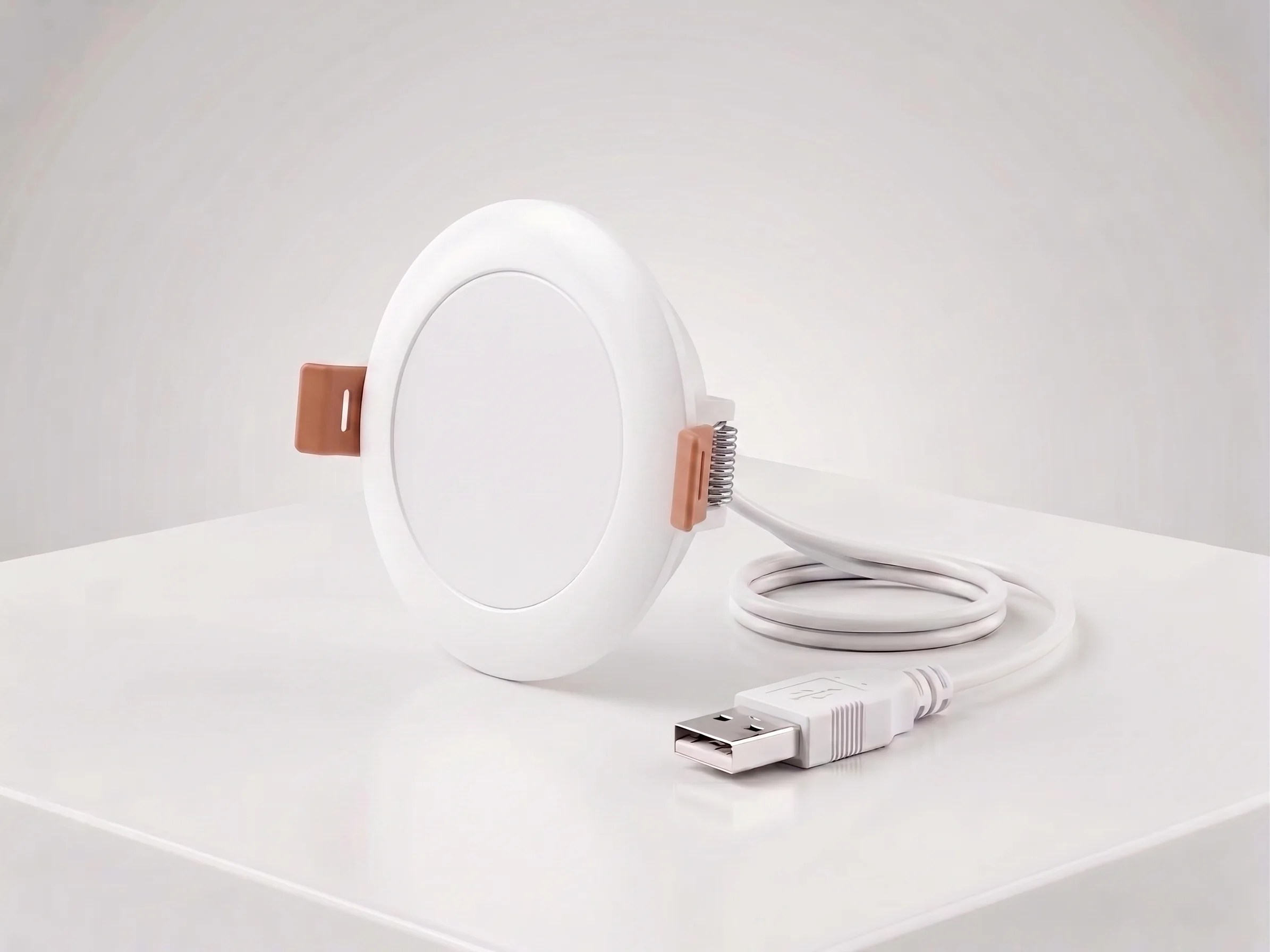
Sensor Kehadiran Manusia mmWave Pasang Plafon — Zigbee
Sensor kehadiran mmWave 24GHz pita lebar untuk plafon: deteksi gerak 10m, mikro-gerak 2,5m, deteksi napas. Sudut 120°, DC5V, Zigbee 3.0, untuk kamar hotel.
contentGraph.reasons.explicit
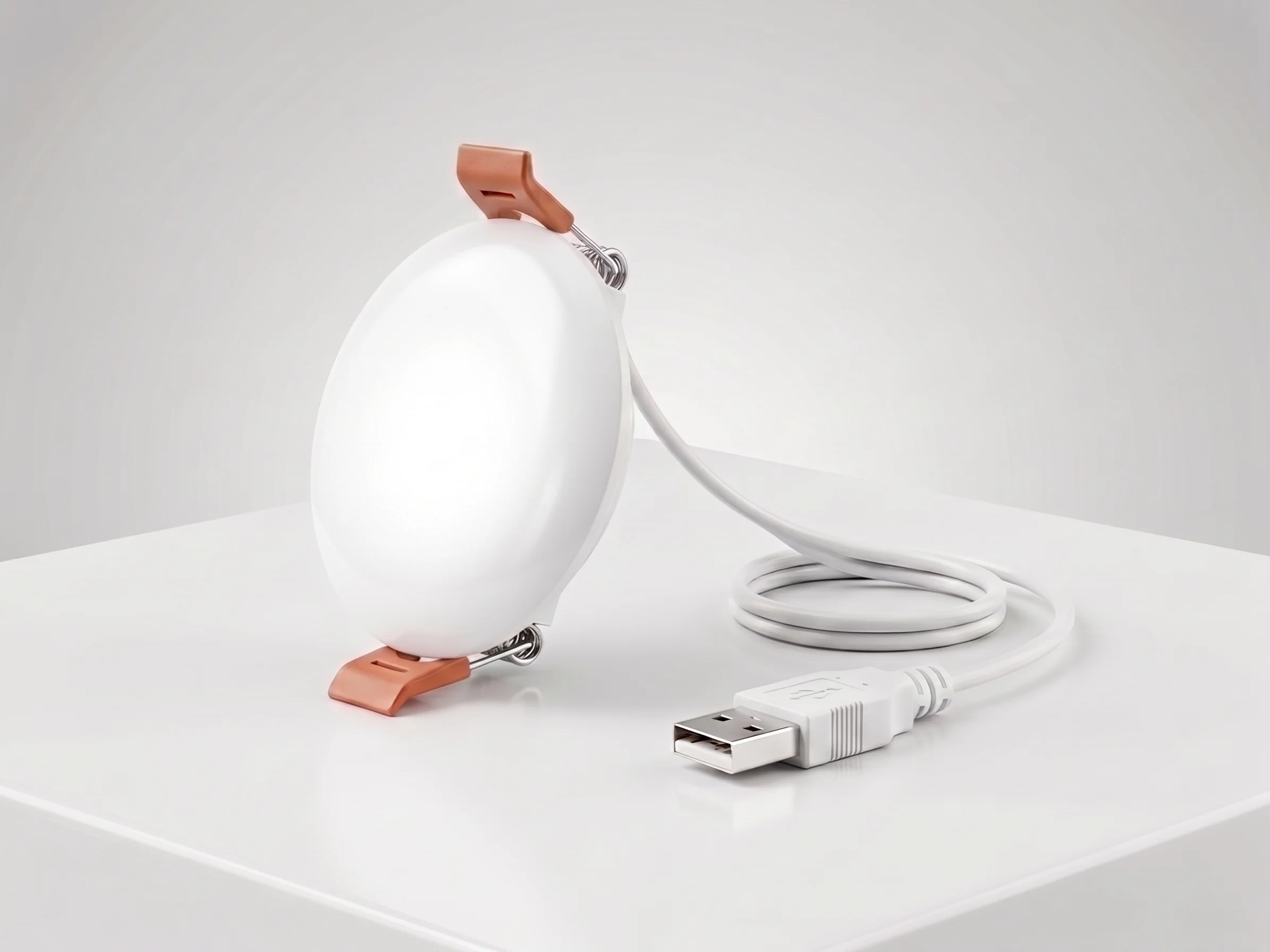
Sensor Kehadiran Manusia mmWave Plafon — WiFi
Sensor kehadiran mmWave 24GHz plafon, deteksi gerak 10m, mikro-gerak 2.5m, pernapasan. Sudut 120°, DC5V, WiFi 2.4GHz. Tanpa gateway, ideal retrofit hotel.
contentGraph.reasons.explicit
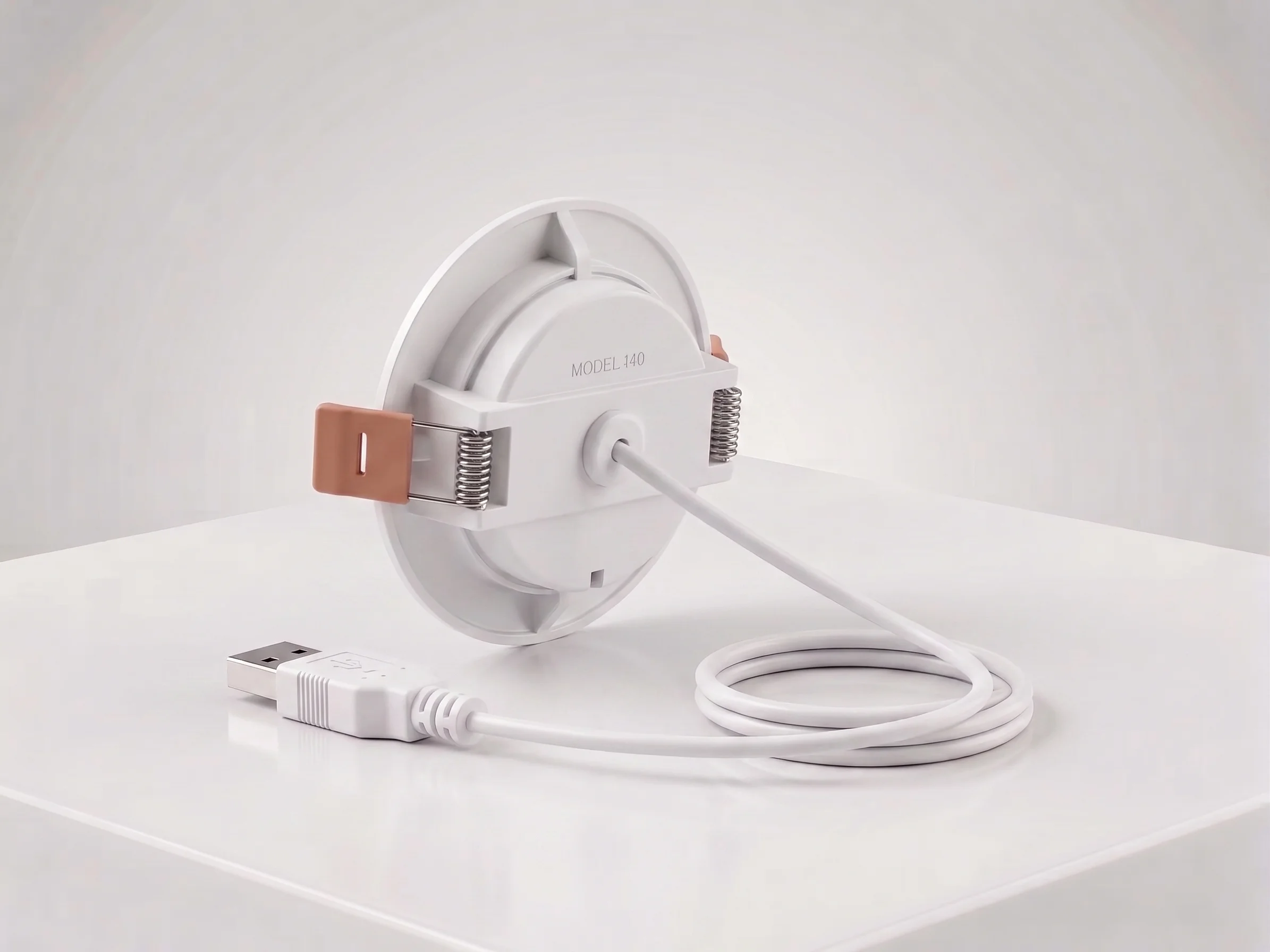
Sensor Kehadiran Manusia mmWave Plafon — Matter over Thread
Sensor kehadiran mmWave plafon 24GHz: gerak 10m, mikro-gerak 2.5m, deteksi napas. 120°, DC5V, Matter over Thread untuk Apple Home, Google Home, dan Alexa.
contentGraph.reasons.explicit
contentGraph.sections.solutions
1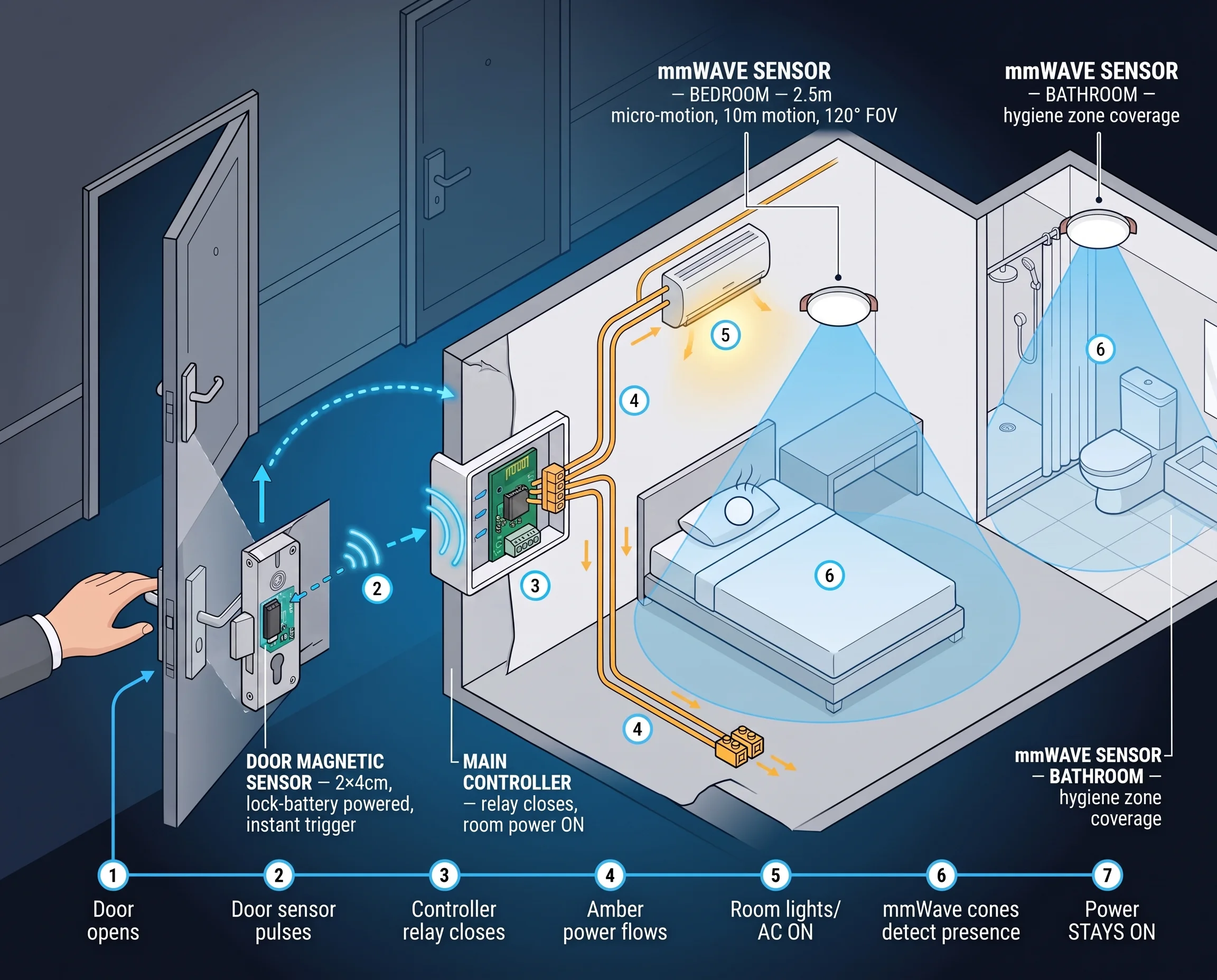
Solusi Sensor Okupansi & Gerak Kamar Hotel
Sensor okupansi radar mmWave untuk kamar hotel: deteksi tamu yang tidur, jadwalkan housekeeping, hemat energi HVAC 20-40% tanpa alarm kosong palsu.
contentGraph.reasons.productContext
contentGraph.sections.blog
3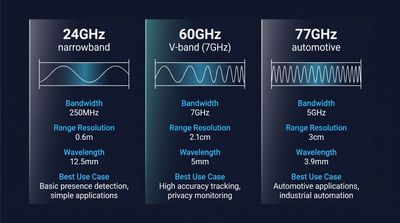
Sensor mmWave 60GHz vs 24GHz vs 77GHz: Memilih Frekuensi yang Tepat untuk Deteksi Kehadiran Komersial
Bandingkan sensor mmWave 60GHz, 24GHz, dan 77GHz untuk deteksi kehadiran komersial. Spesifikasi teknis, jangkauan deteksi, privasi, dan panduan sourcing OEM.
contentGraph.reasons.productContext
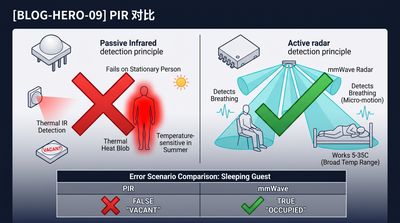
Apa Itu Sensor Kehadiran Elektronik? Teknologi dan Akurasi
Pelajari apa itu sensor kehadiran elektronik, cara mendeteksi manusia diam, dan perbedaannya dengan sensor gerak PIR. Membahas mmWave, akurasi, dan penerapan.
contentGraph.reasons.productContext
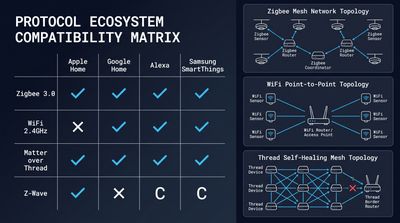
Cara Integrasi Sensor Kehadiran mmWave dengan Home Assistant
Panduan lengkap kontrol lokal perangkat mmWave: konfigurasi MQTT/Matter, skrip otomasi, kalibrasi, dan tips integrasi sensor kehadiran plafon OEM.
contentGraph.reasons.productContext
nextStep.blog.title
nextStep.blog.description
- nextStep.blog.points.one
- nextStep.blog.points.two
- nextStep.blog.points.three