Sensores Presencia: Spanish Guide to Presence Detection Sensors
A guide to sensores presencia. Learn what presence sensors are, how mmWave radar detects stationary occupants, and how to choose the right sensor.
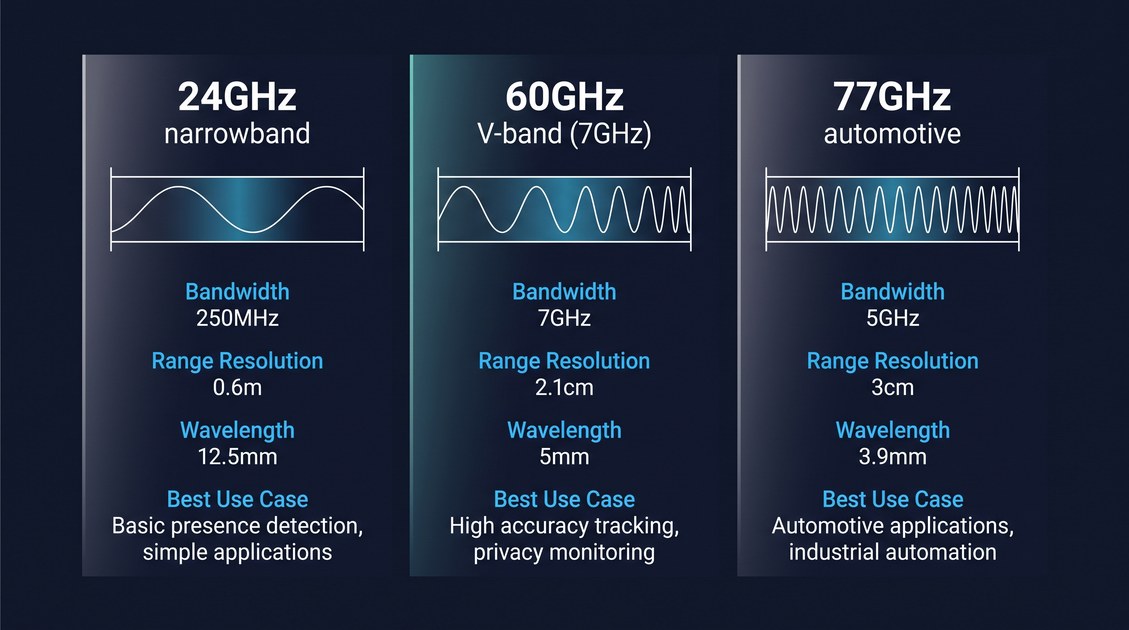
Sensores presencia (Spanish for "presence sensors") are electronic devices that determine whether one or more human occupants are currently present within a defined space, including the case where the person is sitting motionless, lying down, or sleeping with no visible movement, using millimeter-wave (mmWave) radar technology at 60 GHz (57–64 GHz) with 7 GHz of bandwidth to detect the micro-Doppler signature of human breathing at 0.2–0.5 Hz from ranges of 6–8 meters. The sensores presencia is fundamentally different from a passive infrared (PIR) motion sensor (sensor de movimiento), which only fires when a warm body moves across its field of view and is unable to detect a stationary person. A modern 60 GHz mmWave sensores presencia achieves a stationary-occupant true positive rate above 99% in controlled testing and above 95% in real-world deployment, with a false positive rate below 1% over a 24-hour period. The sensores presencia is deployed in hotel rooms (habitaciones de hotel) for housekeeping coordination and energy management, in offices (oficinas) for occupancy-based HVAC and lighting control, in healthcare facilities (centros de salud) for fall detection (detección de caídas) and patient monitoring, and in residential smart homes (hogares inteligentes) for automated lighting and climate control.
This guide provides a comprehensive overview of sensores presencia, covering the technology, the performance characteristics, the use cases, and the selection criteria for choosing the right sensor for a specific application. The guide is written in English to serve the international Spanish-speaking audience that searches for sensores presencia but reads technical content in English.
Sensores Presencia: The Technology
The technology behind modern sensores presencia is millimeter-wave (mmWave) radar.
Sensores Presencia: mmWave Radar Basics
A mmWave radar sensores presencia emits a frequency-modulated continuous wave (FMCW) chirp that sweeps across a defined bandwidth (typically 7 GHz at 60 GHz) over a short period. The reflected signal from objects in the detection zone is mixed with a copy of the transmitted chirp, producing a beat signal whose frequency is proportional to the range of the target. By performing a Fast Fourier Transform (FFT) on the beat signal, the sensor can determine the range of every object in the detection zone with a resolution of approximately 2.1 cm.
The sensor then analyzes the phase of the beat signal across successive chirps to determine the velocity of the targets. A stationary person produces a beat signal with a slowly varying phase (due to the micro-motion of breathing), while a stationary chair produces a beat signal with a constant phase. By analyzing the phase variation (the micro-Doppler signature), the sensores presencia can distinguish a stationary human from a stationary object, enabling true presence detection.
Sensores Presencia: Micro-Doppler and Breathing Detection
The micro-Doppler signature of human breathing is the key to detecting stationary occupants. The periodic motion of the chest wall during breathing (amplitude 5–20 mm, frequency 0.2–0.5 Hz) produces a Doppler modulation that is clearly detectable by a 60 GHz mmWave sensor with 7 GHz of bandwidth.
A well-designed sensores presencia uses signal processing techniques to extract the breathing signature from the radar return, distinguish it from background noise, and use it as a positive indicator of human presence. The result is a sensor that can reliably confirm the presence of a sleeping adult at 4 m with a true positive rate above 99% in controlled testing.
Sensores Presencia: Why PIR Sensors Cannot Detect Stationary Occupants
A passive infrared (PIR) sensor, known in Spanish as sensor de movimiento PIR, cannot detect stationary occupants. The PIR sensor detects changes in infrared radiation across its field of view, and a stationary person does not produce a change in the radiation pattern. The PIR sensor therefore reports "no motion" within 10–30 minutes after the last movement, even if the room is occupied.
Sensores Presencia: Performance Metrics
The performance of a sensores presencia is characterized by several key metrics.
Sensores Presencia: Stationary-Occupant True Positive Rate
The stationary-occupant true positive rate (TPR) is the percentage of time that a stationary human occupant is correctly reported as present. For a 60 GHz sensores presencia, the TPR is above 99% in controlled testing and above 95% in real-world deployment.
Sensores Presencia: False Positive Rate
The false positive rate (FPR) is the percentage of time the sensor reports presence when the room is actually empty. For a well-designed sensores presencia, the FPR is below 1% over a 24-hour period.
Sensores Presencia: Detection Range
The detection range of a 60 GHz sensores presencia is 6–8 m for stationary occupants and 8–12 m for moving occupants when ceiling-mounted at 2.5–3.0 m.
Sensores Presencia: Detection Latency
The detection latency is the time between an occupant entering the detection zone and the sensor reporting the change. For a sensores presencia, the latency is typically 0.5–3 seconds.
Sensores Presencia: Applications
The sensores presencia is deployed in a wide range of applications in Spanish-speaking markets.
Sensores Presencia: Hotel Rooms (Habitaciones de Hotel)
Hotel rooms are the canonical application for the sensores presencia. A 60 GHz ceiling-mounted sensor can reliably detect whether a guest is in the room throughout their stay, including when they are sleeping, and feeds the occupancy data to the building management system for housekeeping coordination and the HVAC system for energy management.
Sensores Presencia: Offices (Oficinas)
Offices use the sensores presencia for per-room HVAC and lighting control, conference room availability detection, and space utilization analytics.
Sensores Presencia: Healthcare (Centros de Salud)
Healthcare facilities use the sensores presencia for fall detection, bed-exit alerting, and occupancy-based environmental control. The privacy profile of mmWave radar makes it suitable for deployment in private spaces.
Sensores Presencia: Residential Smart Home (Hogares Inteligentes)
Residential smart homes use the sensores presencia for occupancy-based lighting, HVAC control, and security monitoring.
Sensores Presencia: Spanish-Speaking Market Considerations
The Spanish-speaking market for sensores presencia has some specific considerations.
Sensores Presencia: Spain Market
The Spanish market is well-integrated into the European Union, with CE marking required. The hotel sector is a major adopter, and the market is served by both international vendors and local distributors.
Sensores Presencia: Mexico and Latin America Markets
The Mexican and Latin American markets are growing, driven by the hospitality sector in tourist destinations and by the smart building industry. The regulatory environments require local certifications (IFETEL in Mexico, ENACOM in Argentina, CRC in Colombia, SUBTEL in Chile).
Sensores Presencia: Selection Criteria
Selecting the right sensores presencia for a specific application requires evaluating several criteria.
Sensores Presencia: Technology
For indoor presence detection, 60 GHz mmWave radar is the default choice, providing reliable stationary-occupant detection with an excellent privacy profile.
Sensores Presencia: Form Factor
For most applications, a ceiling-mounted sensor (70 mm diameter ceiling puck) is the right choice. For corridors and entryways, a wall-mounted sensor may be preferred.
Sensores Presencia: Connectivity
The connectivity should match the existing infrastructure. For hotel deployments, Zigbee is common. For office deployments, WiFi or PoE with BACnet is common. For residential deployments, Matter or Zigbee is common.
Sensores Presencia: Certifications
The sensores presencia should carry the required certifications. In Spain and the EU, CE marking is required. In Mexico, IFETEL is required. In Argentina, ENACOM is required. In Colombia, CRC is required. In Chile, SUBTEL is required.
Sensores Presencia: Final Recommendation
The sensores presencia is a mature, reliable technology that has become the default choice for presence detection in hotel rooms, offices, healthcare facilities, and residential smart homes across Spanish-speaking markets. The 60 GHz mmWave radar is the default technology, providing reliable stationary-occupant detection, an excellent privacy profile, and a compact form factor.
For a procurement team or a consumer selecting a sensores presencia, the right approach is to start with a clear definition of the application requirements, then evaluate the available products from international vendors and local distributors, then select a product that meets the requirements and is supported by a local supplier with the necessary certifications. With the right sensor, correctly installed and integrated, the sensores presencia can deliver a level of occupancy awareness that is impossible to achieve with PIR-based motion sensors, and can justify the higher unit cost through improved energy efficiency, better occupant experience, and more accurate occupancy data for downstream analytics.
Not sure which sensor fits your project?
Talk to our mmWave application engineers for a free consultation.
Find the right presence sensor for your hotel project
Compare the 3 protocols, check hotel-specific case studies, and download the installation guide
Related products
3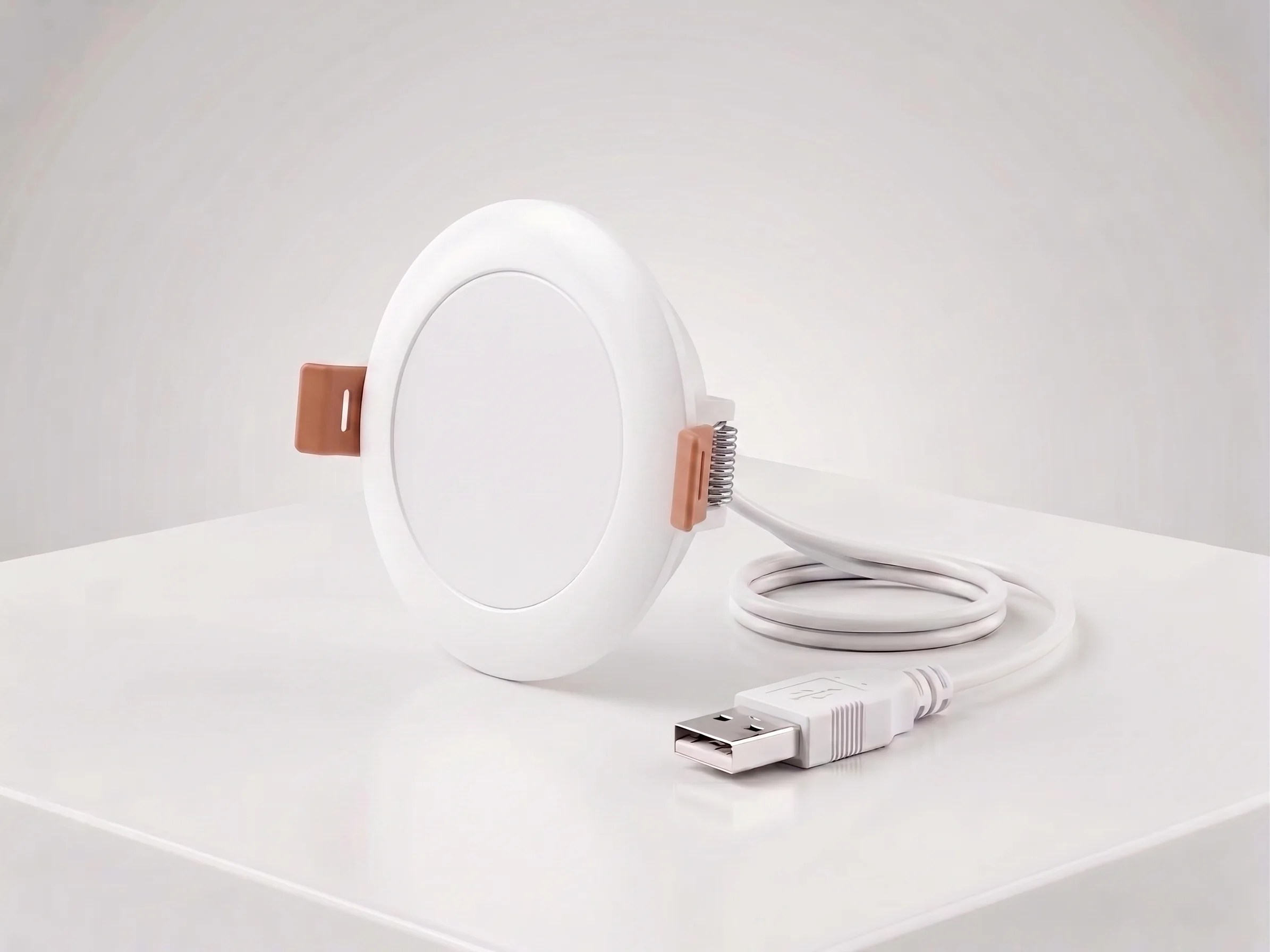
Ceiling Mount mmWave Human Presence Sensor — Zigbee
24GHz wideband mmWave ceiling presence sensor with 10m motion detection, 2.5m micro-motion, and breathing detection. 120° field, DC5V, Zigbee 3.0. For hotel room occupancy and commercial automation.
This page already points to it as the next recommended reference.
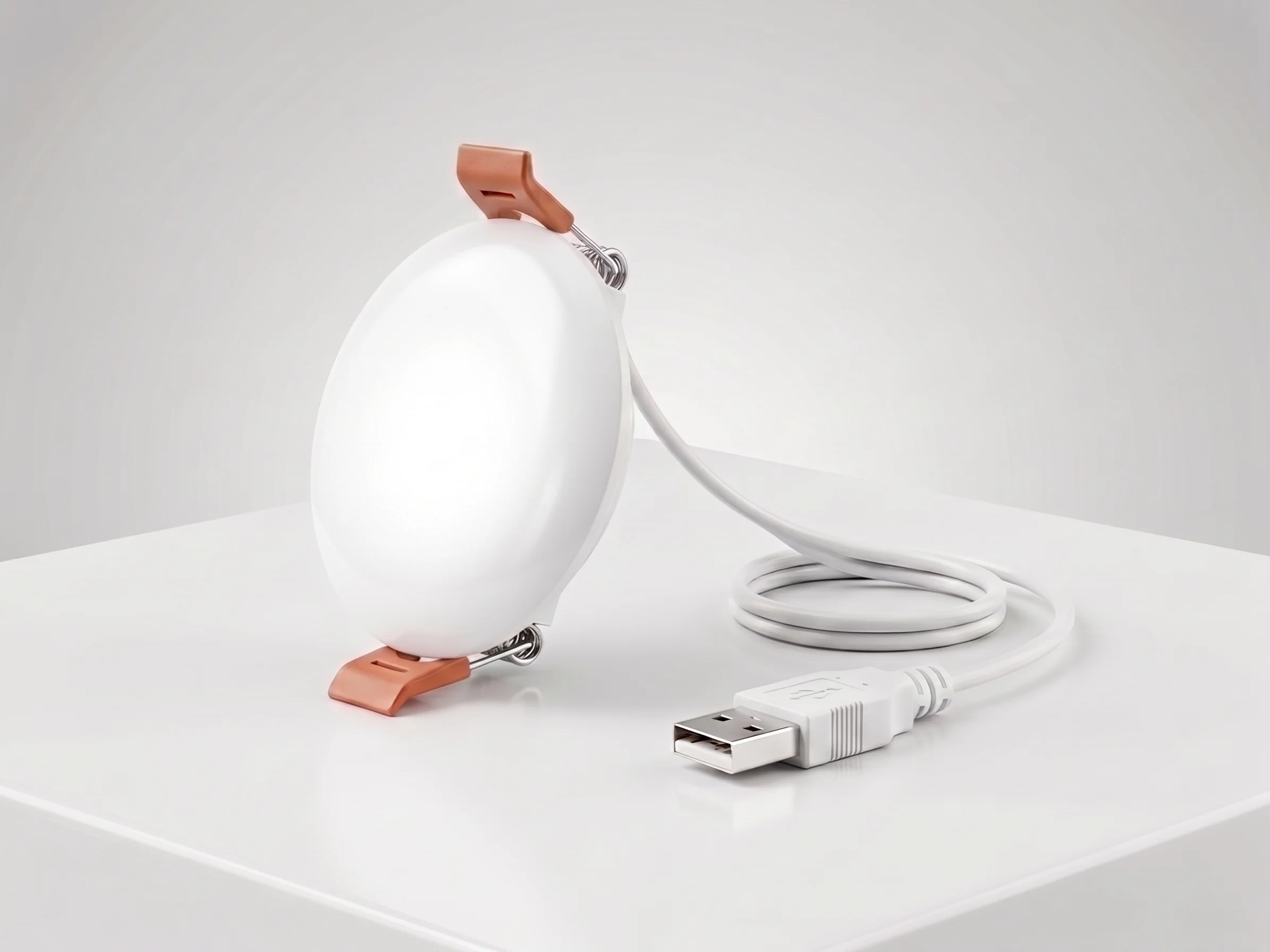
Ceiling Mount mmWave Human Presence Sensor — WiFi
24GHz wideband mmWave ceiling presence sensor with 10m motion detection, 2.5m micro-motion, and breathing detection. 120° field, DC5V, WiFi 2.4GHz. No gateway required for retrofit hotel and apartment projects.
This page already points to it as the next recommended reference.
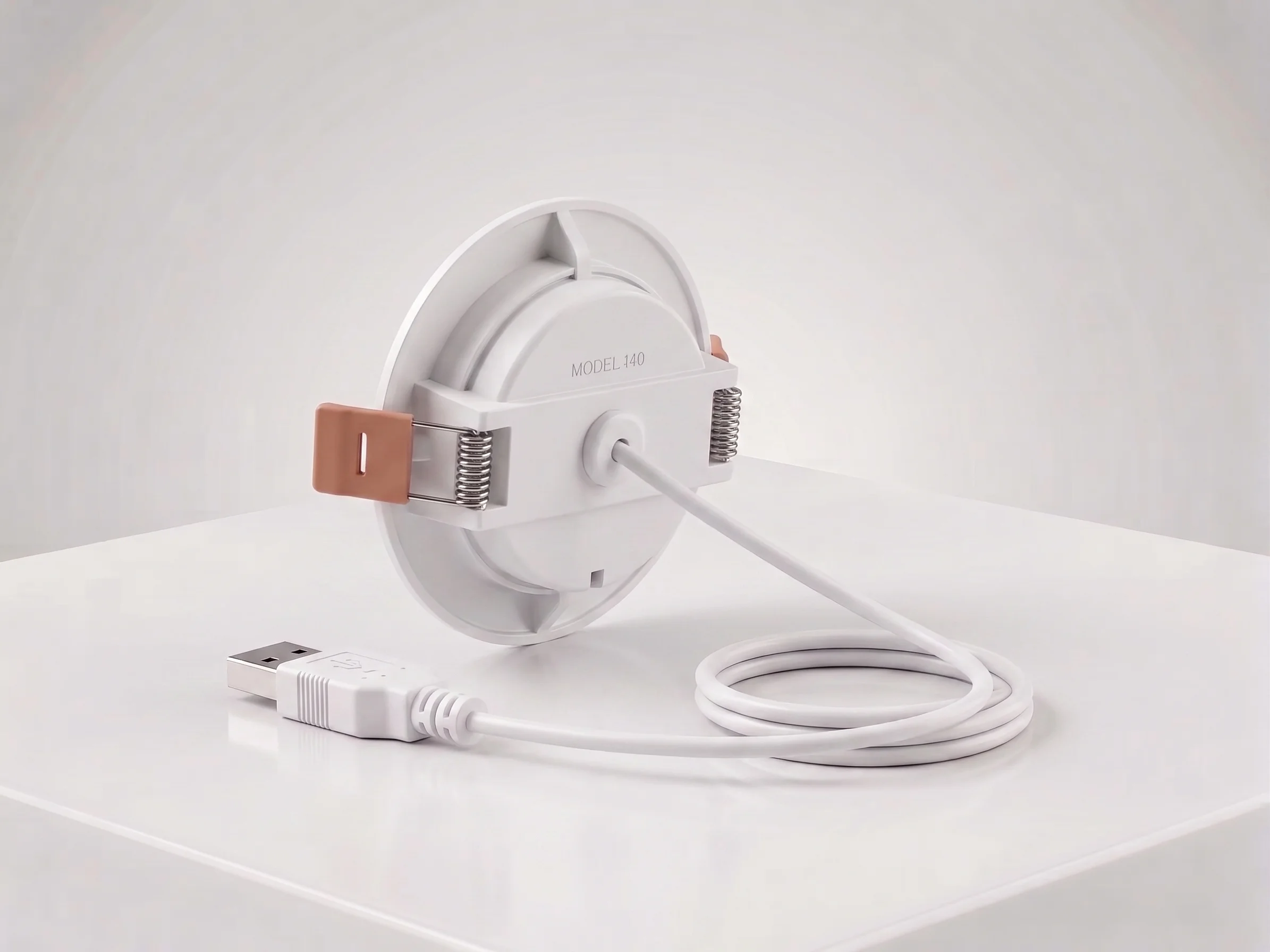
Ceiling Mount mmWave Human Presence Sensor — Matter over Thread
24GHz wideband mmWave ceiling presence sensor with 10m motion, 2.5m micro-motion, and breathing detection. 120° field, DC5V, Matter over Thread. Works natively with Apple Home, Google Home, and Alexa.
This page already points to it as the next recommended reference.
Related solutions
1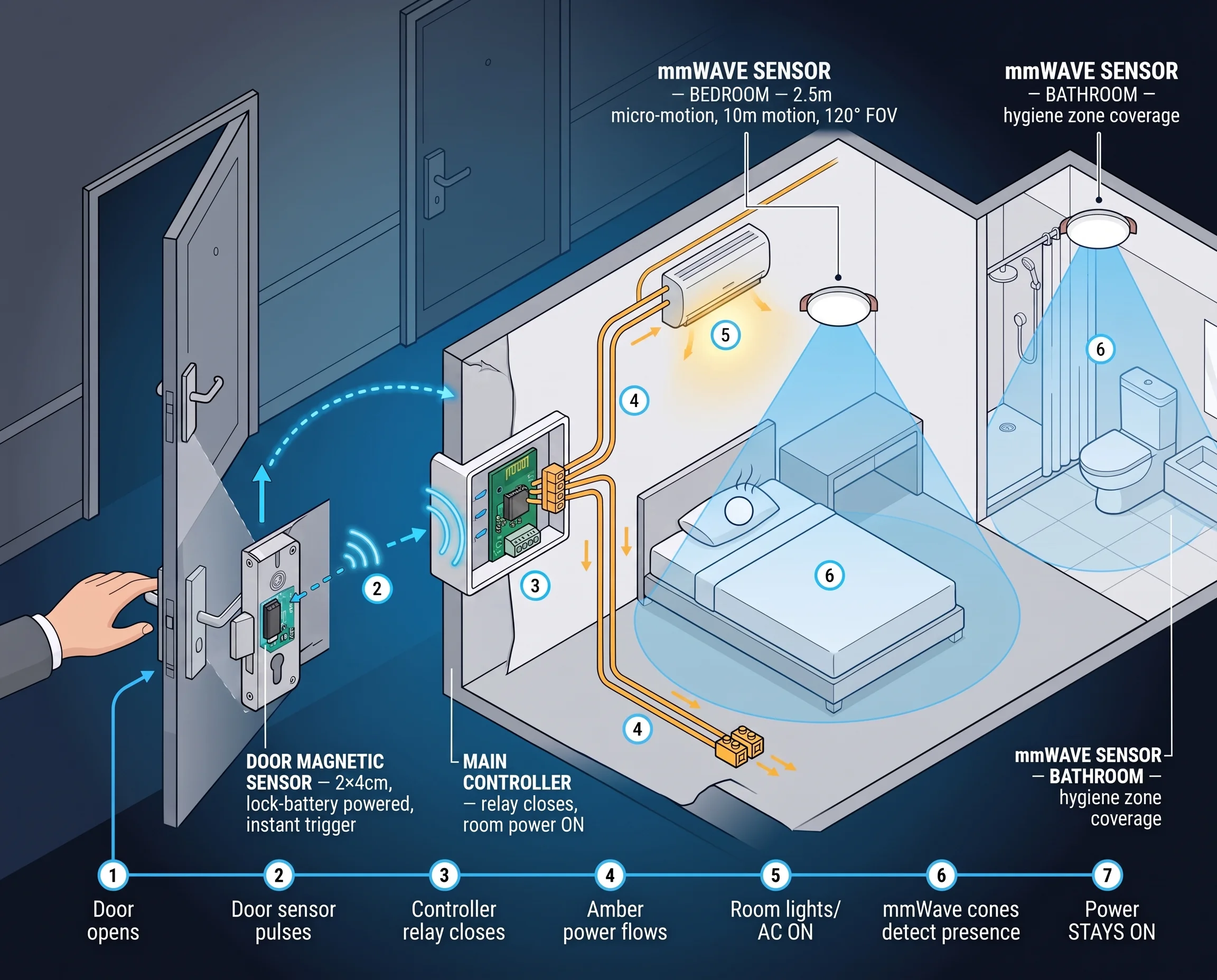
Hotel Room Occupancy & Motion Sensor Solution
mmWave radar presence sensors for hotel room occupancy, housekeeping scheduling, and HVAC energy saving. Detect true occupancy — even when the guest is asleep — with our ceiling-mount hotel room motion sensor.
It supports the same product context: Ceiling Mount mmWave Human Presence Sensor — Zigbee, Ceiling Mount mmWave Human Presence Sensor — WiFi, Ceiling Mount mmWave Human Presence Sensor — Matter over Thread.
Related blog posts
3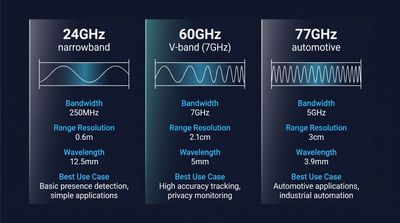
60GHz vs 24GHz vs 77GHz mmWave Sensors: Choosing the Right Frequency for Commercial Presence Detection
Compare 60GHz, 24GHz, and 77GHz mmWave sensors for commercial presence detection. Technical specs, detection range, privacy, and OEM sourcing guidance.
It supports the same product context: Ceiling Mount mmWave Human Presence Sensor — Zigbee, Ceiling Mount mmWave Human Presence Sensor — WiFi.
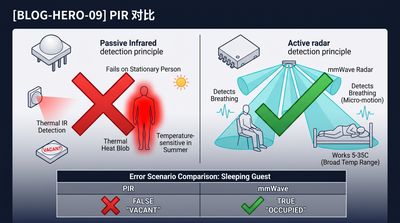
What Is an Electronic Presence Sensor? Technology, Accuracy, and How It Differs From a Motion Sensor
Learn what an electronic presence sensor is, how it detects stationary humans, and how it differs from a PIR motion sensor. Covers mmWave, accuracy, and use cases.
It supports the same product context: Ceiling Mount mmWave Human Presence Sensor — Zigbee, Ceiling Mount mmWave Human Presence Sensor — WiFi, Ceiling Mount mmWave Human Presence Sensor — Matter over Thread.
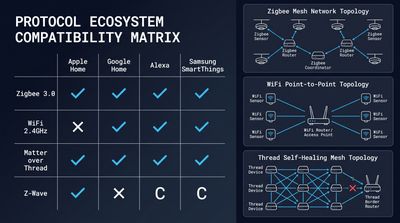
How to Integrate mmWave Presence Sensors With Home Assistant (Local Control Guide)
Step-by-step local control setup guide for mmWave devices, covering MQTT/Matter config, automation scripts, calibration and OEM ceiling presence sensor integration tips.
It supports the same product context: Ceiling Mount mmWave Human Presence Sensor — Matter over Thread, Ceiling Mount mmWave Human Presence Sensor — WiFi, Ceiling Mount mmWave Human Presence Sensor — Zigbee.
Specify your hotel project with our engineers
Send your room count, ceiling type, and protocol preference. We will return a sample plan and quote within 24 business hours.
- Move from general guidance into a product or application discussion.
- Use RFQ when pricing, drawings, MOQ, or launch timing needs structure.
- Keep a direct contact path visible for fast clarifications and handoff.