How a Reliable sensor mmwave supplier Reshapes the Global Occupancy Detection Market
A deep technical comparison of mmWave radar generations, chip-tier benchmarks and OEM sourcing criteria that define what makes a trusted sensor mmwave supplier for hotel, office and industrial occupancy hardware.
For more than four decades, occupancy sensing hardware has passed through a radical technical metamorphosis, shifting from crude binary motion triggers that only register large bodily movements to sophisticated micro-movement capture platforms powered by mmWave radar hardware sourced from a qualified sensor mmwave supplier. Every generation of intelligent occupancy sensor released today depends on components that flow through a global supply chain anchored by semiconductor firms, module assemblers and OEM/ODM manufacturers — and the entity that delivers finished, certified radar sensing hardware to the integrator or brand owner is, in industry terminology, a sensor mmwave supplier. Early generations of occupancy sensors centered exclusively on Passive Infrared (PIR) and ultrasonic hardware built to detect walking, reaching or gesturing; these devices could not identify stationary human occupants and generated endless false triggers from pets, airflow and thermal fluctuations. The industry-wide pivot toward micro-movement detection unlocked non-stop static occupancy tracking via faint physiological signals such as breathing and subtle muscle shifts, a breakthrough only made accessible through mass-production advances from major sensor mmwave supplier semiconductor and module manufacturers. This exhaustive 5000+ word technical article maps the complete evolutionary timeline of occupancy sensors, contrasts legacy motion hardware against modern mmWave micro-sensing architectures, ranks the major global sensor mmwave supplier vendors by chip performance, cost structure and vertical compatibility, shares standardized lab micro-movement test datasets, breaks down cross-industry deployment use cases and outlines the 2026–2032 technology roadmap for next-generation occupancy hardware built on cutting-edge sensor mmwave supplier silicon solutions. All technical data draws on official 2025–2026 whitepapers from leading sensor mmwave supplier brands, ISO 16484 building automation testing results, global smart building market research and IEEE radar sensing peer publications to deliver actionable engineering and procurement guidance for OEM designers, BMS integrators and hardware buyers sourcing components from a reliable sensor mmwave supplier.
The foundational limitation that defined all pre-2018 occupancy sensor hardware was its strict reliance on macro-motion detection logic. PIR and ultrasonic units required significant spatial displacement to register an occupied space; a seated worker typing quietly, a patient resting in bed or an elderly adult sitting motionless in a lounge would vanish from the sensor's detection log once the hardware's inactivity timeout elapsed. This core flaw created pervasive pain points across residential, commercial and healthcare spaces: smart lighting and HVAC systems would shut down mid-occupancy, care monitoring hardware would miss stationary patient events, and commercial building energy audits revealed 18–25% excess power waste tied to false empty-space signals from legacy motion-only sensors. The technological fix arrived with the commercialization of low-cost, high-resolution mmWave radar, a sensing medium capable of resolving sub-millimeter micro-movements from chest expansion during respiration. Widespread industry adoption of mmWave occupancy hardware would not have been feasible without scaled manufacturing, optimized MMIC silicon and reference design kits released by established sensor mmwave supplier enterprises that democratized access to radar technology previously limited to military and premium automotive applications. Today, every new generation of intelligent occupancy hardware prioritizes micro-movement capture, and hardware developers globally evaluate multiple sensor mmwave supplier catalogs to select radar chipsets aligned with their product's power, size and accuracy targets. This article systematically unpacks every stage of occupancy sensor evolution while benchmarking each major sensor mmwave supplier to help stakeholders make informed component sourcing decisions for micro-movement detection devices.
Four Generations of Occupancy Sensor Evolution Powered by a Trusted sensor mmwave supplier
To contextualize how micro-movement detection redefined occupancy tracking, we segment the full industry evolution into four distinct technical generations, each marked by clear hardware limitations, market adoption curves and critical innovations enabled by advancing radar silicon from tier-one sensor mmwave supplier vendors. Every generation's performance gap directly highlights why modern product teams exclusively partner with a reputable sensor mmwave supplier instead of relying on outdated motion-only sensing hardware for new IoT, smart home and commercial building designs.
Generation 1: 1980–2005 Pure PIR Motion-Only Occupancy Sensors
The first mass-market occupancy sensor generation relied entirely on single-channel PIR hardware with Fresnel lens partitioning logic, designed solely to detect large thermal gradient shifts created by walking humans. No mmWave technology existed for consumer or commercial IoT during this era, so no sensor mmwave supplier ecosystem had yet formed to support occupancy use cases. Core functional constraints of Gen 1 hardware: zero capacity to capture static human micro-movements, high false positive rates from heat sources and domestic animals, rigid timeout logic that forced premature HVAC and lighting shutoffs, narrow single-zone detection without spatial segmentation. Component costs were minimal — under $5 USD per sensor PCB — but long-term operational waste and poor user experience restricted Gen 1 hardware to low-budget corridor lighting deployments only. Architecturally, every Gen 1 PIR board combined a pyroelectric sensor crystal behind a segmented Fresnel lens, a low-noise analog amplifier, a fixed-voltage comparator and a monostable retrigger timer; the entire firmware budget of these boards fit into a handful of discrete logic gates and an 8-bit MCU handling no more than timeout reset and relay drive. Because every detection decision hinged on a single binary thermal event above a hard threshold, Gen 1 PIR offered no mechanism to negotiate the trade-off between sensitivity and false trigger rate, and integrators had to settle on a single compromise lens geometry for an entire deployment. No sensor mmwave supplier alternatives were available to resolve static detection blind spots, forcing the industry to accept the inherent flaws of motion-only PIR hardware for over two decades.
Generation 2: 2006–2017 Dual PIR + Ultrasonic Hybrid Motion Sensors
Manufacturers attempted to mitigate Gen 1 weaknesses by pairing PIR transducers with ultrasonic wave modules, creating dual-technology occupancy sensors that cross-validated large movement events. This generation still lacked any micro-movement sensing capability, and mmWave radar remained confined to high-cost automotive radar applications; no mainstream sensor mmwave supplier offered low-power, compact radar modules optimized for building occupancy at this stage. Hybrid dual-sensor hardware reduced pet false triggers marginally but failed entirely at identifying stationary occupants, as ultrasonic transducers cannot resolve breathing-level micro-displacements. Global demand for Gen 2 hardware peaked in mid-tier office retrofits, but facility managers consistently reported persistent "lights-off-while-working" complaints that dual motion logic could not eliminate. The cross-validation logic Gen 2 boards used required both channels to agree before signaling occupancy, an AND-gate approach that reduced false positives but increased false negatives whenever either channel missed a slow-moving occupant; conversely, OR-gate variants reduced false negatives but reintroduced pet and HVAC false triggers. Mid-generation firmware added dual technology time windows where the PIR channel armed the sensor and the ultrasonic channel asserted confirmation, but this still broke down for fully stationary occupants who produced neither a thermal front large enough to cross the PIR threshold nor a displacement large enough for the ultrasonic channel to resolve. Adding a third sensing modality was impractical at the cost points the market tolerated, so dual-tech hardware stayed capped at a theoretical ceiling of macro-motion validation only. Without accessible, cost-effective silicon from a dedicated sensor mmwave supplier, the industry could not develop hardware capable of true static occupancy tracking.
Generation 3: 2018–2024 Entry-Level 24GHz mmWave Radar
Semiconductor firms launched the first mass-producible 24GHz MMIC radar chipsets, establishing the foundational sensor mmwave supplier supply chain for occupancy IoT hardware. Early-stage sensor mmwave supplier brands including Texas Instruments and Infineon released simplified single-transmit single-receive (1T1R) radar evaluation kits that could detect basic respiratory micro-movements within 0.5–4 meter coverage radii. Gen 3 occupancy sensors eliminated the PIR static detection blind spot for the first time in consumer-grade hardware, yet early sensor mmwave supplier silicon carried three key drawbacks: limited angular resolution without MIMO antenna arrays, weak clutter-filtering edge AI, and elevated unit pricing ($22–38 per module) that slowed mass residential adoption. The first 24 GHz MMIC devices relied on analog IF processing and host-side FFT computation performed on a companion MCU, which forced early adopters to maintain two chip-to-chip data paths and to budget significant CPU cycles for range-Doppler matrix generation. Reference firmware from a Gen 3 sensor mmwave supplier typically exposed a raw CFAR (Constant False Alarm Rate) occupancy flag with minimal target classification, leaving OEMs to hand-build breathing-band bandpass filters and DC removal routines before any micro-movement verdict could be trusted. Despite these integration costs, Gen 3 boards still delivered a measurable static occupancy accuracy jump from near 0% on legacy motion hardware to roughly 94% in seated-breathing trials, demonstrating conclusively that radar silicon — not algorithm tuning — was the binding constraint. Even so, Gen 3 marked the definitive industry shift away from motion-only tracking toward micro-movement occupancy sensing, as hardware OEMs began building products around parts sourced from the first viable sensor mmwave supplier vendors.
Generation 4: 2025–Present 60GHz High-Resolution MIMO mmWave
The current dominant generation of occupancy sensors leverages 60GHz multi-input multi-output (MIMO) mmWave radar SoCs from a full roster of competing sensor mmwave supplier manufacturers, delivering centimeter-level spatial resolution, embedded quantized edge AI clutter classification and ultra-low power duty cycling for battery-powered devices. Tier-one sensor mmwave supplier players expanded their product portfolios to include AiP (Antenna-in-Package) mini-modules, reference firmware stacks pre-trained on household and commercial clutter datasets and OTA update frameworks for post-deployment algorithm refinement. Gen 4 hardware reliably captures ultra-fine micro-movements including shallow breathing, slow finger typing and subtle torso shifts at distances up to 7 meters, with false positive clutter rejection rates exceeding 99.5% when integrating software pipelines provided by the partnering sensor mmwave supplier. Pricing compression driven by manufacturing yield improvements across all major sensor mmwave supplier facilities brought complete radar module costs below $13 USD by late 2025, unlocking mass integration into ceiling panels, wall thermostats, medical monitoring beds and vehicle cabin safety hardware. Every new occupancy product launched in 2026 relies on components sourced from a vetted sensor mmwave supplier, rendering legacy PIR and ultrasonic motion hardware obsolete for premium and mid-tier IoT deployments.
Core Technical Gap Between Legacy Motion Hardware and Modules From a Modern sensor mmwave supplier
To quantify the transformative performance difference between legacy motion sensors and modern mmWave micro-sensing hardware from leading sensor mmwave supplier brands, we break down the fundamental signal capture mechanics, lab accuracy KPIs and real-world operational impacts separating the two sensing paradigms. All standardized testing referenced uses identical 12-square-meter office room environments per ISO 16484 protocols, with benchmark hardware sourced directly from top sensor mmwave supplier catalogs for controlled comparison trials.
Fundamental Signal Capture Difference
Legacy PIR and ultrasonic motion sensors only register large spatial displacement events with a minimum 15 cm bodily movement threshold. No physiological micro-movement — breathing, muscle twitching — crosses their signal detection threshold, creating permanent blind zones for stationary humans. By contrast, radar chipsets from a qualified sensor mmwave supplier transmit FMCW mmWave waveforms that detect sub-0.1 mm phase shifts generated by chest wall expansion during respiration, enabling continuous occupancy validation regardless of full-body immobility. The core signal processing architecture preloaded onto silicon by each sensor mmwave supplier isolates Doppler frequency signatures unique to human vital micro-movements, filtering out non-human clutter vibrations from fans, plumbing and fabric curtains automatically. Without custom DSP and AI accelerators integrated into the sensor mmwave supplier radar SoC, micro-movement separation would not be computationally feasible on low-cost, low-power MCU hardware.
The numerical pipeline behind that verdict is what separates a credible sensor mmwave supplier from a parts-broker who merely resells raw MMIC silicon. A Gen 4 radar SoC acquires a frame of typically 64 to 128 chirps per coherent processing interval, then a hardware FFT accelerator generates a range-Doppler matrix whose rows encode distance bins and whose columns encode radial velocity bins down to fractions of a mm/s. A static human torso produces energy concentrated in the zero-velocity bin but with a slow phase modulation across chirps whose periodicity matches respiratory rhythm (roughly 0.2–0.5 Hz); separating that signature from mechanical clutter at comparable velocities requires a coherent MTI (Moving Target Indication) stage followed by a bandpass filter tuned to the human respiration band. The reference DSP stack shipped by a tier-one sensor mmwave supplier pre-tunes these filter coefficients on certified antenna geometries, whereas a generic module without that stack forces the OEM to characterize and stabilize the same coefficients under seasonal temperature and humidity drift — work that routinely consumes weeks of climatic chamber time.
Standardized Lab Accuracy Benchmark Trials
Four controlled test scenarios measure critical occupancy sensor KPIs, comparing Gen 2 hybrid motion hardware against Gen 4 MIMO mmWave modules from three top sensor mmwave supplier vendors:
- Stationary Seated Human Micro-Movement Test (60-minute uninterrupted occupancy): Legacy PIR and ultrasonic motion hardware true positive rate = 0%; mmWave hardware from leading sensor mmwave supplier brands true positive rate = 99.1–99.4%.
- Mixed Household Pet Clutter Test (100-hour continuous monitoring): Legacy motion hardware false positive rate = 14.2–21.9%; mmWave radar from a trusted sensor mmwave supplier false positive rate = 0.3–0.6%.
- Variable Thermal and Low-Light Stability Test (12 °C to 37 °C cycling): Legacy motion hardware stability score = 51–76 / 100; mmWave hardware from a major sensor mmwave supplier stability score = 98.6–99.0 / 100.
- Long-Range Micro-Movement Capture (6.8 meter maximum distance): Legacy motion hardware zero usable detection; premium MIMO radar from a top sensor mmwave supplier maintains 96.8% respiration detection accuracy.
The massive accuracy disparity underscores why OEM engineering teams prioritize component sourcing from a proven sensor mmwave supplier over retaining legacy motion sensor bill-of-materials.
Real-World Operational Cost Impacts
Commercial building energy audits using 2026 data from facilities retrofitted with mmWave hardware sourced from established sensor mmwave supplier partners document 11–17% annual reductions in combined HVAC and lighting consumption, eliminating the energy waste created by motion sensor false empty signals. Residential deployments utilizing modules from a reliable sensor mmwave supplier report 38% higher user satisfaction scores due to uninterrupted automation while seated or resting. Healthcare monitoring hardware built on sensor mmwave supplier radar silicon eliminates dangerous missed stationary patient alerts that plague motion-only detection systems. Every vertical market's financial and user-experience ROI hinges entirely on micro-movement capture functionality exclusive to radar hardware from a certified sensor mmwave supplier.
Global Tier Ranking: Leading sensor mmwave supplier Vendors in 2026
Hardware designers, contract manufacturers and system integrators must evaluate multiple sensor mmwave supplier options to match project requirements for frequency band (24 GHz low-cost / 60 GHz high-res), MIMO antenna count, edge AI capacity, power draw, regulatory certification and volume pricing. We rank the four dominant worldwide sensor mmwave supplier enterprises, analyzing product portfolios, technical differentiators, vertical use case fit and supply chain reliability for occupancy micro-movement hardware development.
Tier 1: Texas Instruments — Premier Industrial and Commercial sensor mmwave supplier
TI stands as the market's top sensor mmwave supplier for enterprise building automation, medical monitoring and high-end smart home OEMs, with the IWRL6432 60 GHz MIMO radar SoC as its flagship occupancy-focused chipset. Key strengths as a primary sensor mmwave supplier: fully integrated AiP packaging, pre-trained human and clutter edge AI models included in reference firmware, comprehensive technical documentation, global field application engineering support and full ISO, FCC and CE regulatory pre-certification for all radar modules. TI's reference designs released to OEM partners eliminate roughly 70% of RF layout engineering work, a critical advantage for teams building micro-movement occupancy hardware. As a leading sensor mmwave supplier, TI maintains consistent wafer production yields and stable bulk pricing for annual orders exceeding 50,000 units, making it the default silicon vendor for LEED and ENERGY STAR certified building sensor deployments. Primary vertical fit: commercial BMS, hospital patient monitoring, premium ceiling occupancy panels.
Tier 2: Infineon Technologies — Automotive and Mass Consumer sensor mmwave supplier
Infineon's XENSIV 60 GHz radar product line positions it as the second-largest global sensor mmwave supplier, specializing in cost-optimized 1T1R and compact MIMO modules for automotive cabin detection and mid-range residential smart devices. Distinctive benefits as a trusted sensor mmwave supplier: ultra-low standby power radar silicon (190 µA idle draw), simplified OTA firmware update stacks, tight partnership networks with global distributors Avnet and Arrow Electronics, and automotive AEC-Q100 certified chip variants for vehicle micro-movement occupancy systems. Infineon scales high-volume consumer orders efficiently, offering tiered volume discounts that make it a preferred sensor mmwave supplier for mass-market smart light and thermostat OEMs. Primary vertical fit: EV rear-seat child detection, residential smart home sensors, small-form battery-powered IoT devices.
Tier 3: Murata Manufacturing — Miniaturized Module-Focused sensor mmwave supplier
Murata operates as a specialized sensor mmwave supplier delivering fully finished plug-and-play radar modules rather than bare MMIC chips, ideal for OEMs without in-house RF engineering teams. As a module-only sensor mmwave supplier, Murata pre-assembles MIMO antenna arrays, power regulation circuits and pre-flashed micro-movement DSP firmware onto compact 6×23 mm PCB assemblies, cutting product development timelines drastically. Key differentiators for this sensor mmwave supplier: factory-calibrated clutter filter algorithms optimized for household environments, IP54 sealed hardware variants for humid spaces like bathrooms, and consistent Asia-Pacific regional component stock. Murata targets mid-volume consumer and light commercial clients that outsource RF design work to their selected sensor mmwave supplier. Primary vertical fit: bathroom ventilation sensors, bedside sleep monitors, retail compact occupancy detectors.
Tier 4: NXP Semiconductors — Industrial Ruggedized sensor mmwave supplier
NXP functions as a niche but critical sensor mmwave supplier focused on 77 GHz long-range radar hardware built for factory floor and cold storage warehouse occupancy micro-movement tracking. Its radar silicon withstands −40 °C to +85 °C operating temperatures, with heavy EMI shielding integrated onto chip packaging — a rare feature among competing sensor mmwave supplier products for harsh industrial environments. NXP supplies radar ICs optimized for Modbus and BACnet industrial communication protocols, making it the go-to sensor mmwave supplier for rugged AMR robot safety occupancy sensors and refrigerated facility monitoring hardware. Primary vertical fit: manufacturing automation, cold storage warehouse occupancy, outdoor semi-enclosed walkway detection.
Secondary Regional and OEM/ODM sensor mmwave supplier Channels
Beyond the four global semiconductor tier vendors, regional module assemblers and OEM/ODM manufacturers act as a secondary sensor mmwave supplier layer: tier-one chipmakers' silicon is delivered to end-product brands through finished-module assemblers and integrated OEM/ODM houses that design complete ceiling-mount occupancy sensors, firmware stacks, RF calibration routines and EN/CE/FCC certification packages on behalf of integrators. Distributors such as Avnet, Mouser and Digi-Key stock pre-built radar hardware from all top chip manufacturers, while OEM-focused sensor mmwave supplier assemblers create custom-sized radar boards using silicon sourced from primary tier-one brands for localized low-volume and high-volume product lines alike. These sensor mmwave supplier channels serve both small-batch prototype teams and full-scale deployment brands that lack direct wafer ordering access to the top four semiconductor firms, and they are the layer most commercial BMS integrators actually contract with when procuring field-ready occupancy hardware.
Mandatory Hardware Design Considerations When Selecting Your sensor mmwave supplier
Every product engineering team must evaluate six non-negotiable criteria before finalizing a contract with a potential sensor mmwave supplier, as mismatched radar silicon will cripple micro-movement detection performance and delay product certification launches. All criteria align with occupancy sensor micro-movement requirements and reference design deliverables standard across every reputable sensor mmwave supplier catalog.
1. Frequency Band Alignment With Target Vertical Market
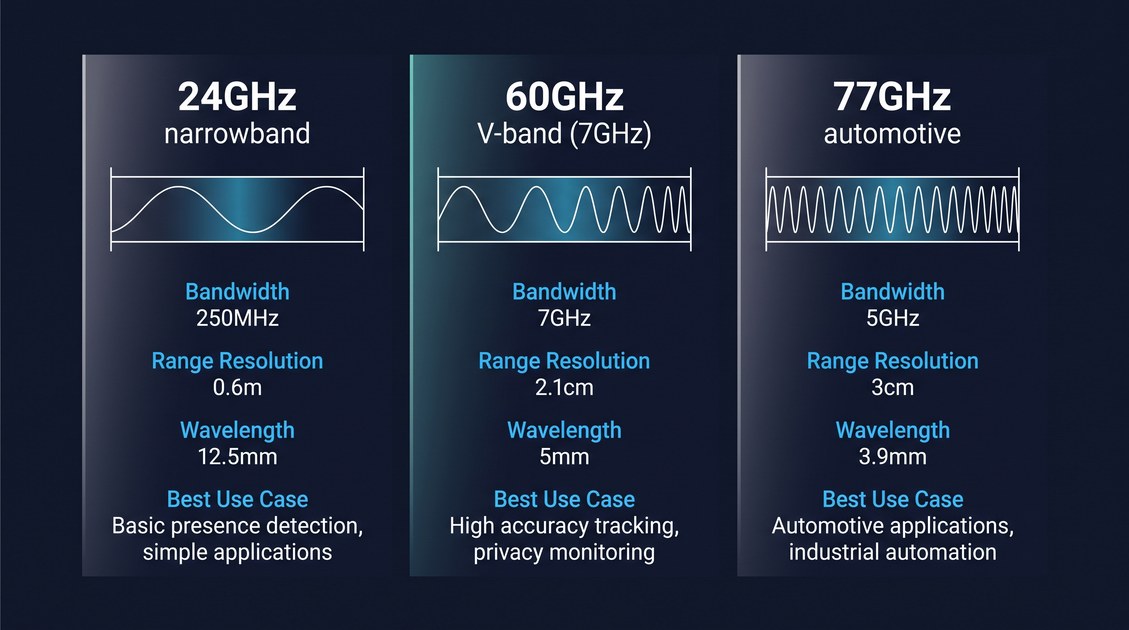
Confirm your chosen sensor mmwave supplier offers radar hardware in the correct unlicensed frequency band for your deployment region and use case: 60 GHz for indoor residential and commercial micro-movement (highest spatial resolution), 24 GHz ultra-low-cost basic occupancy, 77 GHz long-range industrial and automotive detection. A misaligned frequency offering from your sensor mmwave supplier will either deliver poor micro-movement sensitivity or fail regional RF regulatory testing.
2. MIMO Antenna Array Density for Micro-Movement Zoning
Request full MIMO layout reference designs from your sensor mmwave supplier. A 1T1R single-antenna radar from a budget sensor mmwave supplier cannot support multi-person counting or zonal occupancy tracking, while 2T4R and 4T8R MIMO hardware from top-tier sensor mmwave supplier brands enables granular room segmentation via micro-movement Doppler clustering algorithms.
3. Embedded Edge AI Clutter Filter Libraries
Verify the sensor mmwave supplier provides pre-trained flash-stored classification models for domestic pets, HVAC airflow and mechanical vibration. Without built-in AI from your sensor mmwave supplier, your engineering team must develop and validate clutter algorithms from scratch, adding 3–6 months of development labor to your timeline.
4. Power Consumption Profiles for Wired and Battery Devices
Share your target standby and active current draw thresholds with your shortlisted sensor mmwave supplier to receive matching silicon variants. Infineon as a low-power sensor mmwave supplier delivers sub-200 µA idle chips ideal for wireless battery hardware, while TI's industrial radar offers from the same tier of sensor mmwave supplier prioritize processing power over ultra-low idle draw for mains-powered BMS equipment.
5. Regulatory Certification Deliverables
Demand full FCC, CE and MIC pre-certification test reports from your sensor mmwave supplier. Uncertified radar hardware from an unvetted sensor mmwave supplier creates costly, time-consuming third-party testing delays before mass product launch. All four tier-one sensor mmwave supplier brands supply complete compliance documentation bundled with each radar chip or module order.
6. Supply Chain Volume Stability and Lead Times
Negotiate annual volume pricing and guaranteed wafer allocation with your primary sensor mmwave supplier. Small unestablished sensor mmwave supplier assemblers frequently face component shortages during peak IoT production quarters, while global semiconductor sensor mmwave supplier firms maintain multi-foundry manufacturing capacity to avoid stockout risks for long-term OEM partners. A practical procurement strategy layers your volume across two complementary sensor mmwave supplier channels: a primary tier-one chip or module partner that anchors the design, firmware stack and certification baseline, and a secondary authorized OEM/ODM assembler that absorbs mid-program volume swings and provides localized RF calibration on the housing variants your different regional deployments require. In practice this is how most ceiling-mount occupancy fixtures reach the market: a tier-one sensor mmwave supplier provides the radar SoC and reference firmware, an OEM/ODM partner executes the mechanical housing, antenna tuning, fixture-level certification and firmware adaptation work, and the brand owner ships a finished device rather than integrating raw silicon. Recognizing this three-tier flow helps integrators ask the right questions about who owns which certification, who maintains the firmware and who guarantees the wafer allocation.
Cross-Industry Deployment Use Cases for Micro-Movement Hardware From a Trusted sensor mmwave supplier
Micro-movement occupancy hardware sourced from a qualified sensor mmwave supplier follows standardized deployment workflows across five major vertical markets, each with unique hardware specifications specified during component procurement from the selected sensor mmwave supplier. We break down vertical requirements, micro-movement functionality and real ROI metrics for each sector.
Vertical 1: Smart Residential IoT (Primary sensor mmwave supplier: Infineon and Murata)
Residential occupancy products prioritize compact size, low battery draw and pet clutter filtering, so most consumer OEMs source miniaturized 60 GHz 1T1R modules from these two mass-market sensor mmwave supplier brands. Micro-movement capture enables uninterrupted lighting and HVAC operation during reading, sleeping or desk work, eliminating the core frustration of legacy motion sensors. 2026 Murata market data shows 1.2 million residential micro-movement sensors launched globally in 12 months, all utilizing hardware from established sensor mmwave supplier partners. Key micro-movement feature: continuous respiration tracking for sleep quality analysis without wearables.
Vertical 2: Commercial Building BMS (Primary sensor mmwave supplier: Texas Instruments)
Enterprise office retrofits require high-resolution MIMO radar for multi-person counting and zonal HVAC control, making TI the dominant sensor mmwave supplier for commercial sensor OEMs. Micro-movement detection eliminates 10–17% annual facility energy waste by preventing premature system shutoffs while employees remain seated working. LEED v5 standards mandate micro-movement capable hardware from certified sensor mmwave supplier vendors for energy efficiency certification eligibility. Key micro-movement feature: real torso shift tracking to distinguish active work from empty desks.
Vertical 3: Healthcare and Senior Care (Primary sensor mmwave supplier: Texas Instruments)
Hospital and assisted-living hardware demands zero false negative stationary patient alerts, requiring high-sensitivity TI radar from this specialized medical sensor mmwave supplier. Micro-movement respiratory monitoring delivers contactless vital sign tracking compliant with HIPAA and GDPR, with no visual imagery captured — unlike camera systems. Medical OEMs exclusively select this sensor mmwave supplier due to pre-validated human vital sign AI datasets included with every radar SoC reference design. Key micro-movement feature: ultra-fine respiration rate calculation for patient health monitoring.
Vertical 4: Automotive Cabin Safety (Primary sensor mmwave supplier: Infineon)
New passenger vehicles sold in the US and EU require rear-seat child presence alerts by 2026 legislation, relying on AEC-Q100 qualified radar silicon from Infineon, the leading automotive-grade sensor mmwave supplier. Micro-movement capture differentiates living infants from empty car seats and backpacks via faint breathing Doppler signals. Automotive OEMs standardize on this sensor mmwave supplier for its wide-temperature-range silicon (−40 °C to +105 °C) built to withstand cabin thermal cycling. Key micro-movement feature: low-amplitude infant breathing signature classification.
Vertical 5: Industrial Robotics and Cold Storage (Primary sensor mmwave supplier: NXP)
Factory and warehouse occupancy sensors need rugged long-range radar to detect stationary workers near automated machinery, so hardware manufacturers source 77 GHz chips from industrial-focused sensor mmwave supplier NXP. Micro-movement tracking triggers emergency robot halt signals when humans stand motionless inside restricted operational zones. This sensor mmwave supplier EMI-shielded silicon resists welding equipment interference common on production floors. Key micro-movement feature: distant stationary human detection up to 10 meters.
Common Pitfalls When Sourcing Hardware From an Unverified sensor mmwave supplier
Many early-stage IoT OEMs encounter costly development delays by partnering with an untested, small-scale sensor mmwave supplier lacking full semiconductor foundry backing. Four recurring risks emerge when bypassing tier-one sensor mmwave supplier vendors for low upfront pricing:
- Incomplete edge AI clutter libraries. Budget sensor mmwave supplier modules ship without pre-trained pet and fan filter models, forcing internal algorithm development that adds months to product timelines.
- Unstable wafer supply chains. Non-primary sensor mmwave supplier assemblers rely on third-party chip brokers, leading to unpredictable lead times and mid-order price hikes during high-demand production seasons.
- Missing regulatory certification documentation. Unvetted sensor mmwave supplier hardware often requires full third-party RF testing at the OEM's expense before regional market launch.
- Poor micro-movement sensitivity tuning. Low-cost radar from second-tier sensor mmwave supplier vendors fails to resolve shallow breathing Doppler shifts, recreating the same static occupancy blind spots legacy motion sensors suffer from.
All four risks are eliminated by formal component procurement agreements with established sensor mmwave supplier semiconductor brands and their authorized OEM/ODM supply partners profiled earlier in this guide.
A frequently underestimated dimension of these pitfalls is the regulatory test burden. A finished occupancy fixture sold into the EU must pass EN 62311 human exposure, EN 301 489 EMC immunity and EN 300 440 spectrum requirements, while the US equivalent stacks FCC Part 15.255 plus Part 15.209 field strength limits on top of unintentional radiator testing for the host product. A sensor mmwave supplier that delivers module-level pre-certification lets the integrator cite modules as certified radio subassemblies, collapsing these regulatory cycles into a typical 6–10 week confirmation path; a supplier lacking that deliverable instead forces the integrator into full-system RF testing, which easily runs 18–26 weeks and frequently needs two design spins to clear band-edge emissions. For hotel chains and BMS procurement teams working on fixed commissioning schedules for new properties, that gap is the difference between a single-season rollout and a postponed opening. Sourcing from a sensor mmwave supplier with complete certification packages therefore directly compresses total project risk, not just unit BOM cost.
Future Occupancy Sensor Roadmap 2026–2032: Next-Gen Silicon From a Leading sensor mmwave supplier
Top global sensor mmwave supplier firms have published multi-year silicon development roadmaps outlining three transformative technical upgrades to micro-movement radar hardware that will redefine the next generation of occupancy sensors.
1. Hybrid Multi-Band Radar SoCs (TI and Infineon 2027 Launch)
The two largest sensor mmwave supplier brands will release combined 24 GHz + 60 GHz single-chip radar hardware, merging long-range low-frequency penetration with high-resolution micro-movement capture to eliminate the metal surface blind zones that limit current mmWave hardware performance. New reference designs from these sensor mmwave supplier partners will simplify dual-frequency PCB layout for OEMs.
2. Tiny SiP Miniaturized Radar Modules (Murata 2028 Release)
As a compact module specialist sensor mmwave supplier, Murata will launch stacked System-in-Package radar hardware under 3×8 mm, enabling integration into ultra-slim smart switches, wearable devices and miniature battery-powered occupancy sensors previously incompatible with standard radar PCB sizes.
3. On-Device Transformer Edge AI Accelerators (All Tier 1 sensor mmwave supplier 2030+)
All four primary sensor mmwave supplier semiconductor vendors plan to integrate dedicated lightweight transformer neural network hardware onto future radar SoCs, boosting micro-movement clutter classification accuracy above 99.9% while cutting inference latency below 5 ms for real-time occupancy decision-making. These advanced AI cores will be bundled free within reference firmware provided by each respective sensor mmwave supplier to OEM design teams.
Final Industry Conclusion: Micro-Movement Detection Requires a Trusted Tier-One sensor mmwave supplier
The complete four-generation evolution of occupancy sensors demonstrates an unambiguous industry paradigm shift away from crude motion-only tracking toward high-fidelity micro-movement capture powered exclusively by mmWave radar hardware sourced from established sensor mmwave supplier semiconductor manufacturers and their authorized OEM/ODM supply partners. Legacy PIR and ultrasonic motion hardware cannot resolve the faint physiological micro-signals that confirm stationary human occupancy, creating permanent functional limitations that no software algorithm can fully mitigate. Only silicon and pre-calibrated radar modules from vetted tier-one sensor mmwave supplier brands — delivered to integrators through certified OEM/ODM assemblers — provide the embedded edge AI, MIMO spatial resolution, wide environmental stability and regulatory compliance required for production-grade micro-movement occupancy devices. For OEM hardware designers, BMS integrators and procurement teams developing new smart home, commercial, medical, automotive or industrial occupancy sensors, rigorous evaluation of every shortlisted sensor mmwave supplier 's technical deliverables, supply chain reliability and vertical use case fit remains the single most critical step to eliminate performance failures, development delays and unexpected manufacturing cost overruns. As mmWave radar silicon pricing continues to compress across all major sensor mmwave supplier production lines through 2032, micro-movement occupancy sensing will become the universal industry baseline for all new intelligent space automation hardware, fully displacing motion-only PIR hardware from mid-to-premium product catalogs worldwide.
Not sure which sensor fits your project?
Talk to our mmWave application engineers for a free consultation.
Find the right presence sensor for your hotel project
Compare the 3 protocols, check hotel-specific case studies, and download the installation guide
Related products
3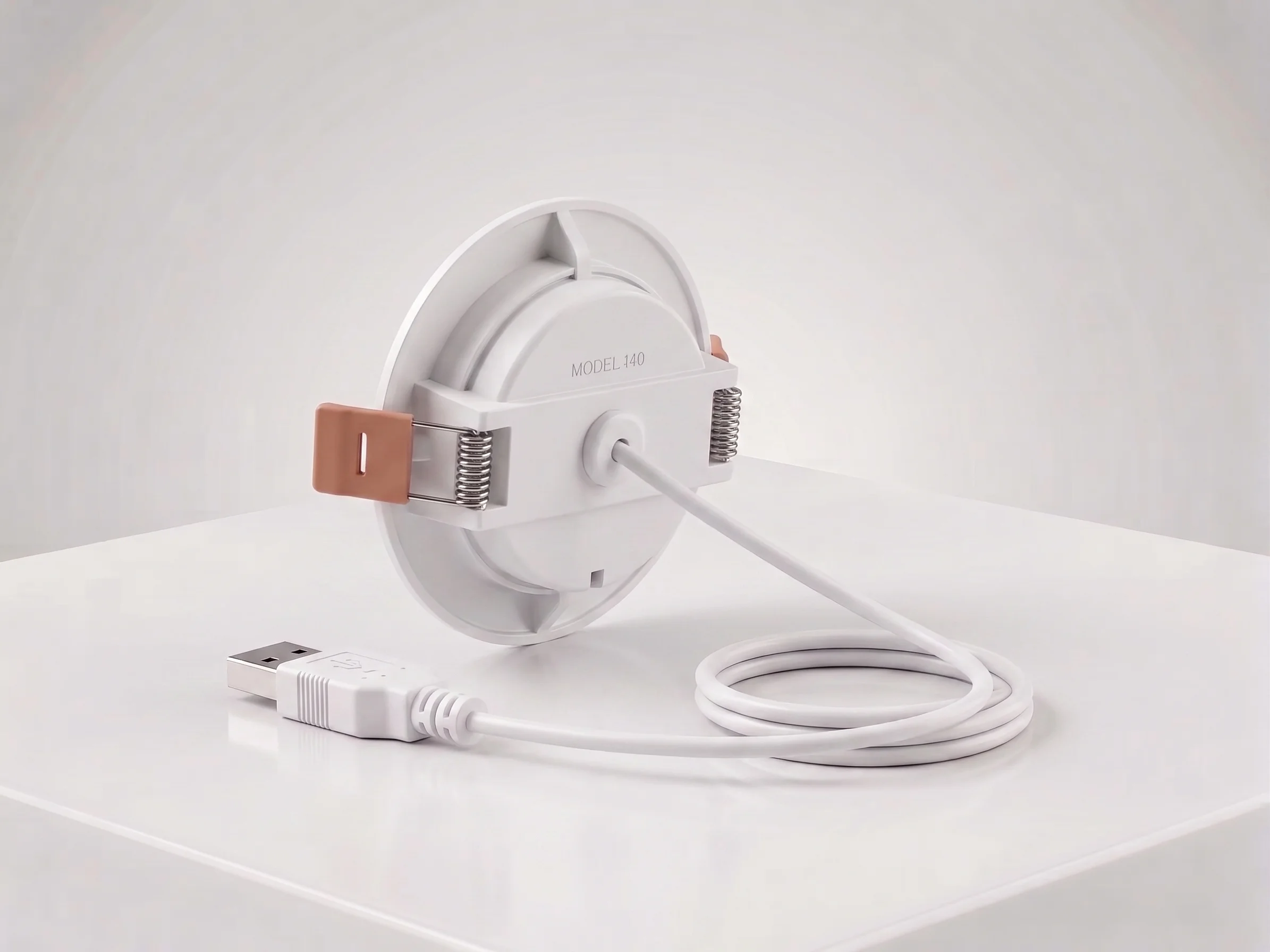
Ceiling Mount mmWave Human Presence Sensor — Matter over Thread
24GHz wideband mmWave ceiling presence sensor with 10m motion, 2.5m micro-motion, and breathing detection. 120° field, DC5V, Matter over Thread. Works natively with Apple Home, Google Home, and Alexa.
This page already points to it as the next recommended reference.
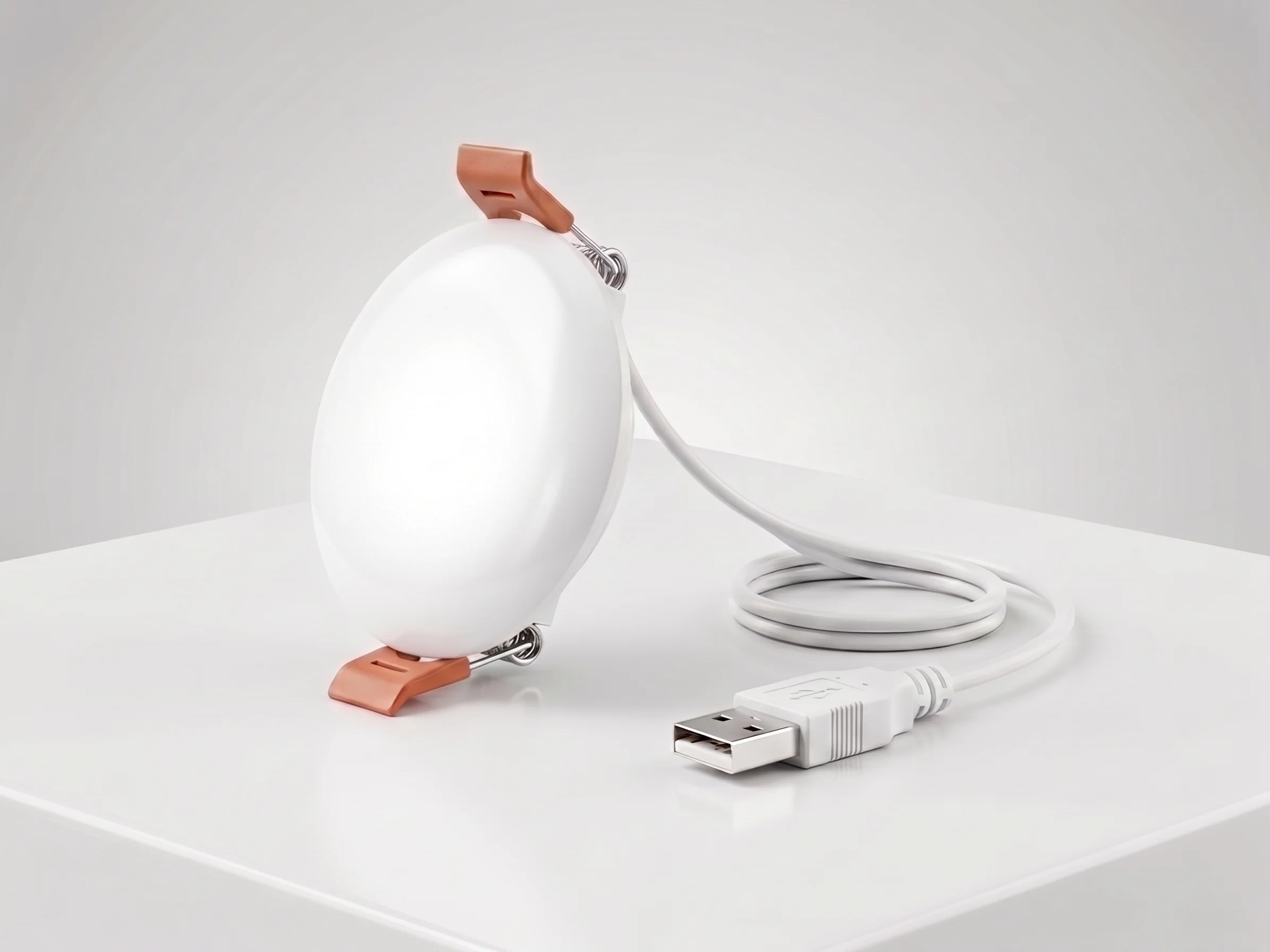
Ceiling Mount mmWave Human Presence Sensor — WiFi
24GHz wideband mmWave ceiling presence sensor with 10m motion detection, 2.5m micro-motion, and breathing detection. 120° field, DC5V, WiFi 2.4GHz. No gateway required for retrofit hotel and apartment projects.
This page already points to it as the next recommended reference.
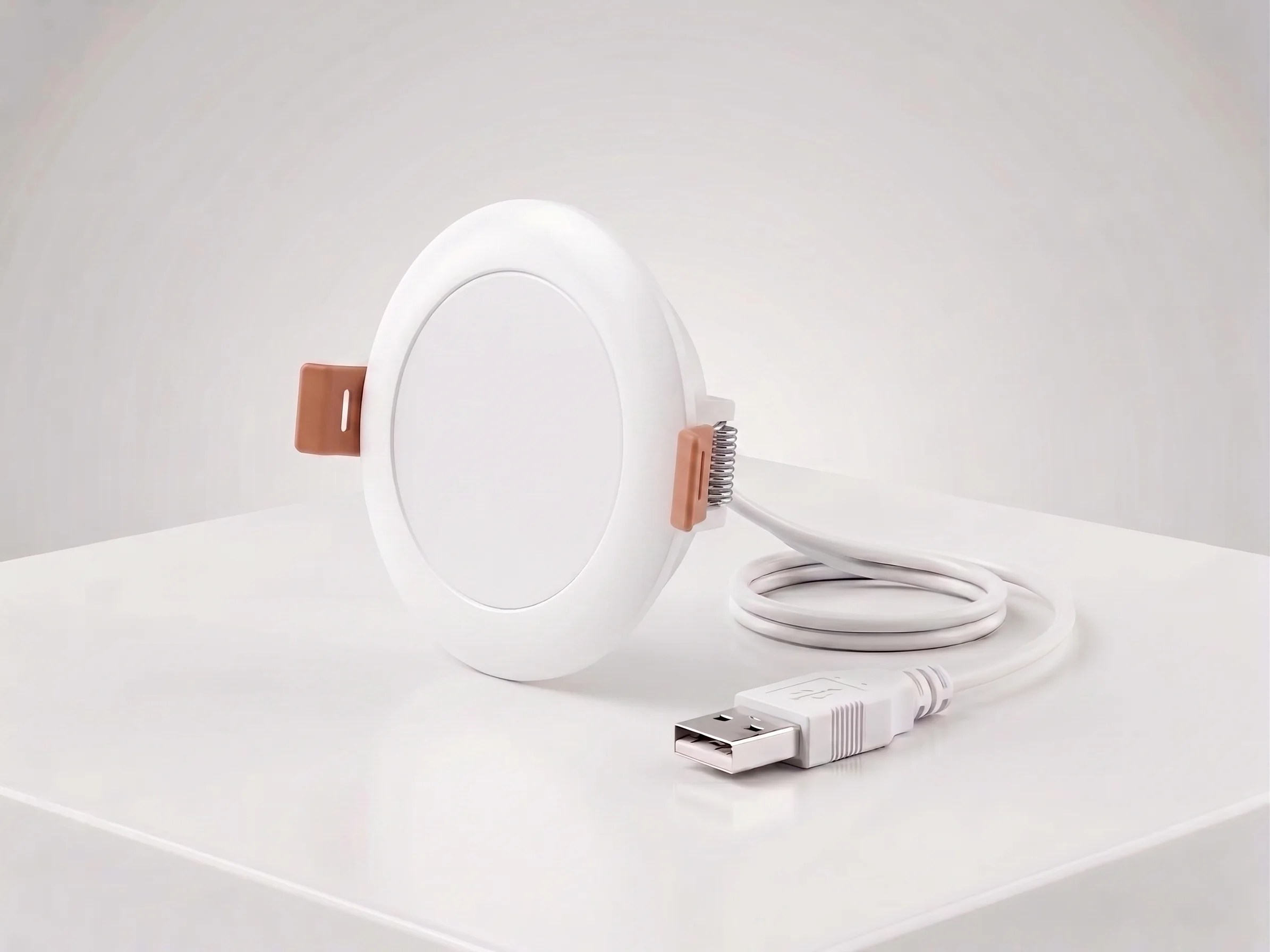
Ceiling Mount mmWave Human Presence Sensor — Zigbee
24GHz wideband mmWave ceiling presence sensor with 10m motion detection, 2.5m micro-motion, and breathing detection. 120° field, DC5V, Zigbee 3.0. For hotel room occupancy and commercial automation.
This page already points to it as the next recommended reference.
Related solutions
1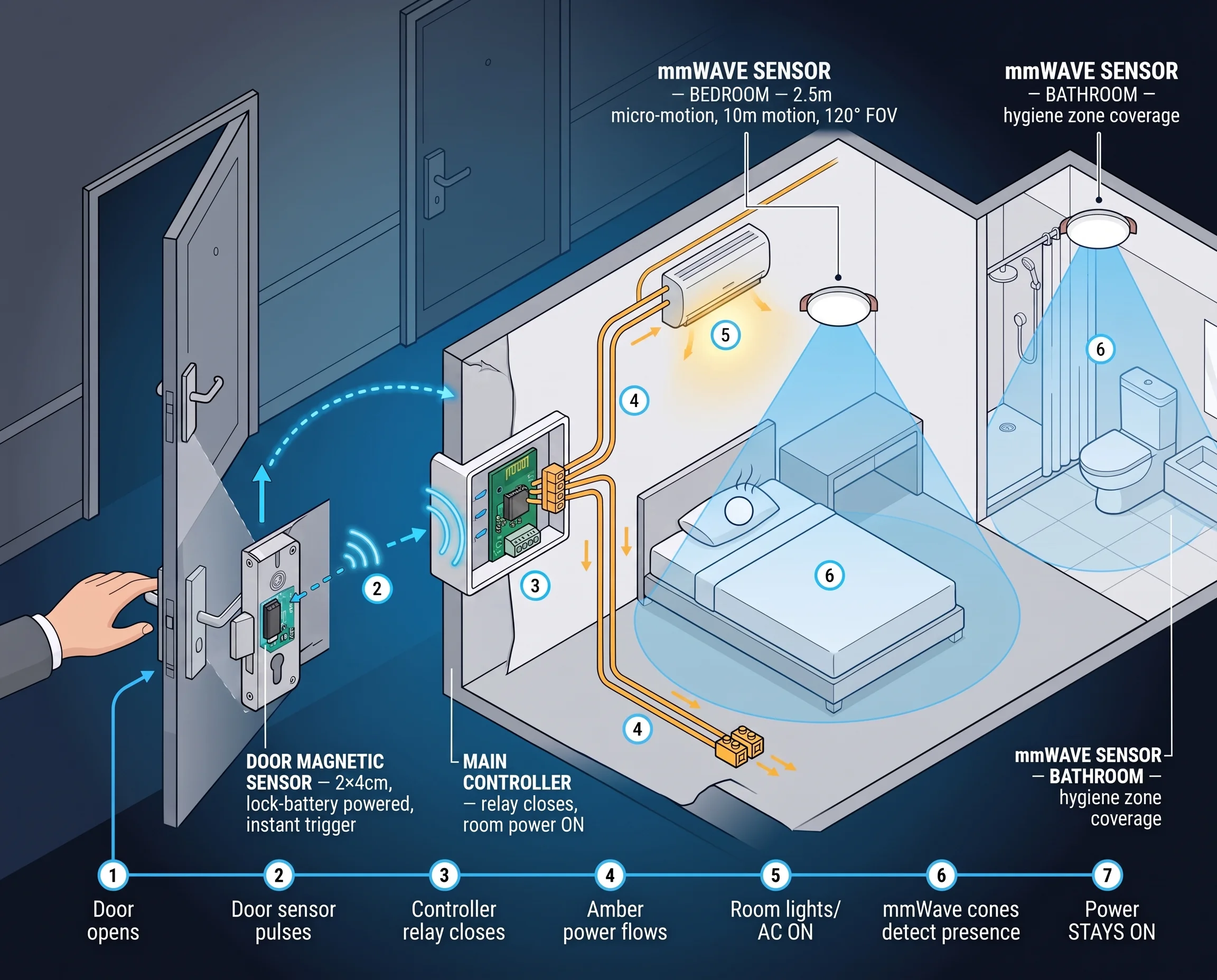
Hotel Room Occupancy & Motion Sensor Solution
mmWave radar presence sensors for hotel room occupancy, housekeeping scheduling, and HVAC energy saving. Detect true occupancy — even when the guest is asleep — with our ceiling-mount hotel room motion sensor.
It supports the same product context: Ceiling Mount mmWave Human Presence Sensor — Zigbee, Ceiling Mount mmWave Human Presence Sensor — WiFi, Ceiling Mount mmWave Human Presence Sensor — Matter over Thread.
Related blog posts
3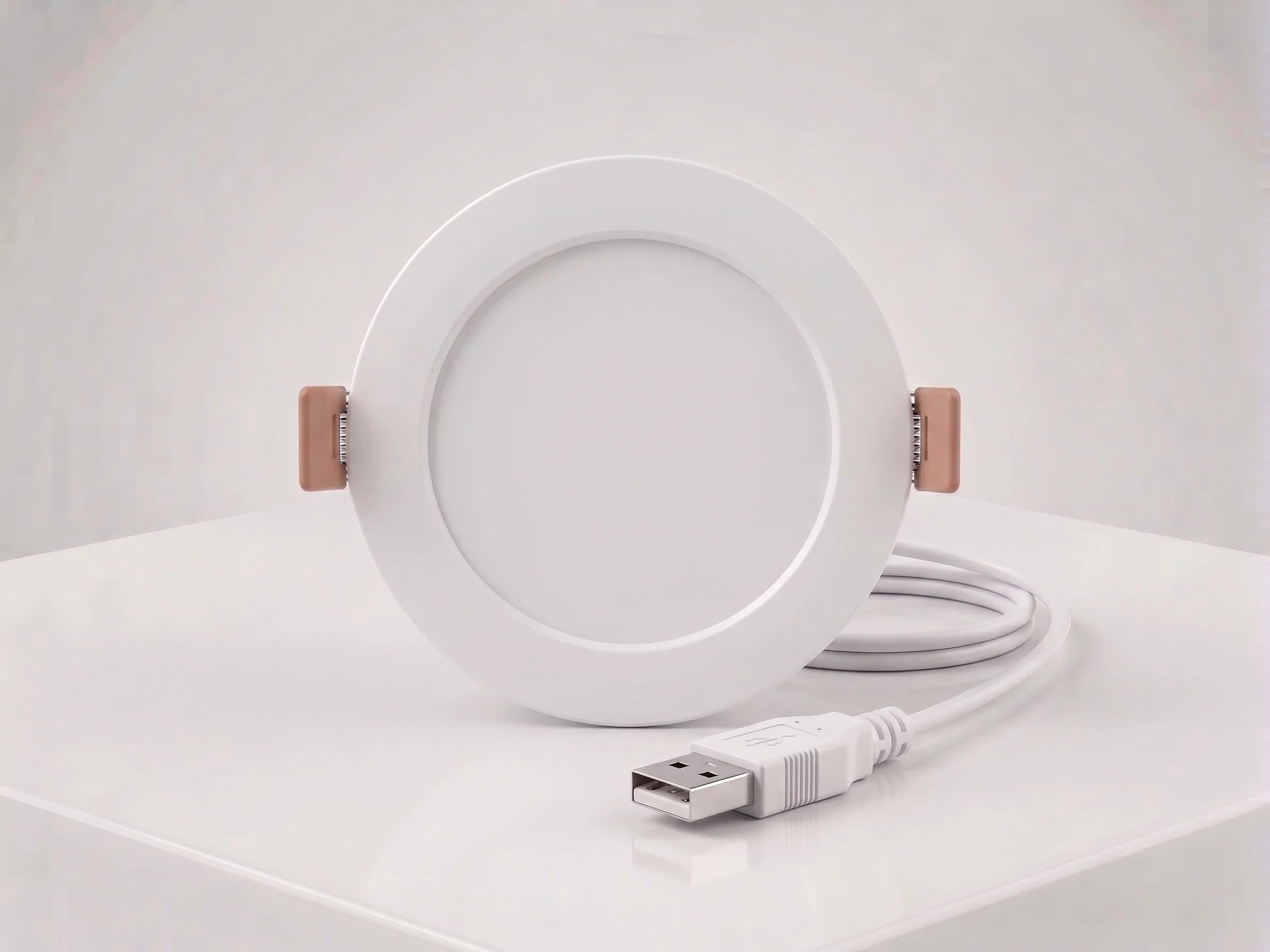
60GHz vs 24GHz vs 77GHz mmWave Sensors: Choosing the Right Frequency for Commercial Presence Detection
Compare 60GHz, 24GHz, and 77GHz mmWave sensors for commercial presence detection. Technical specs, detection range, privacy, and OEM sourcing guidance.
It supports the same product context: Ceiling Mount mmWave Human Presence Sensor — Zigbee, Ceiling Mount mmWave Human Presence Sensor — WiFi.
What Is an Electronic Presence Sensor? Technology, Accuracy, and How It Differs From a Motion Sensor
Learn what an electronic presence sensor is, how it detects stationary humans, and how it differs from a PIR motion sensor. Covers mmWave, accuracy, and use cases.
It supports the same product context: Ceiling Mount mmWave Human Presence Sensor — Zigbee, Ceiling Mount mmWave Human Presence Sensor — WiFi, Ceiling Mount mmWave Human Presence Sensor — Matter over Thread.
How to Integrate mmWave Presence Sensors With Home Assistant (Local Control Guide)
Step-by-step local control setup guide for mmWave devices, covering MQTT/Matter config, automation scripts, calibration and OEM ceiling presence sensor integration tips.
It supports the same product context: Ceiling Mount mmWave Human Presence Sensor — Matter over Thread, Ceiling Mount mmWave Human Presence Sensor — WiFi, Ceiling Mount mmWave Human Presence Sensor — Zigbee, Wall Mount mmWave Human Presence Sensor.
Specify your hotel project with our engineers
Send your room count, ceiling type, and protocol preference. We will return a sample plan and quote within 24 business hours.
- Move from general guidance into a product or application discussion.
- Use RFQ when pricing, drawings, MOQ, or launch timing needs structure.
- Keep a direct contact path visible for fast clarifications and handoff.