Presence Sensor Zigbee: Complete Guide to Zigbee mmWave Presence Detection
A complete guide to presence sensor Zigbee devices. Learn how mmWave radar and Zigbee mesh networking enable scalable hotel and office presence detection.
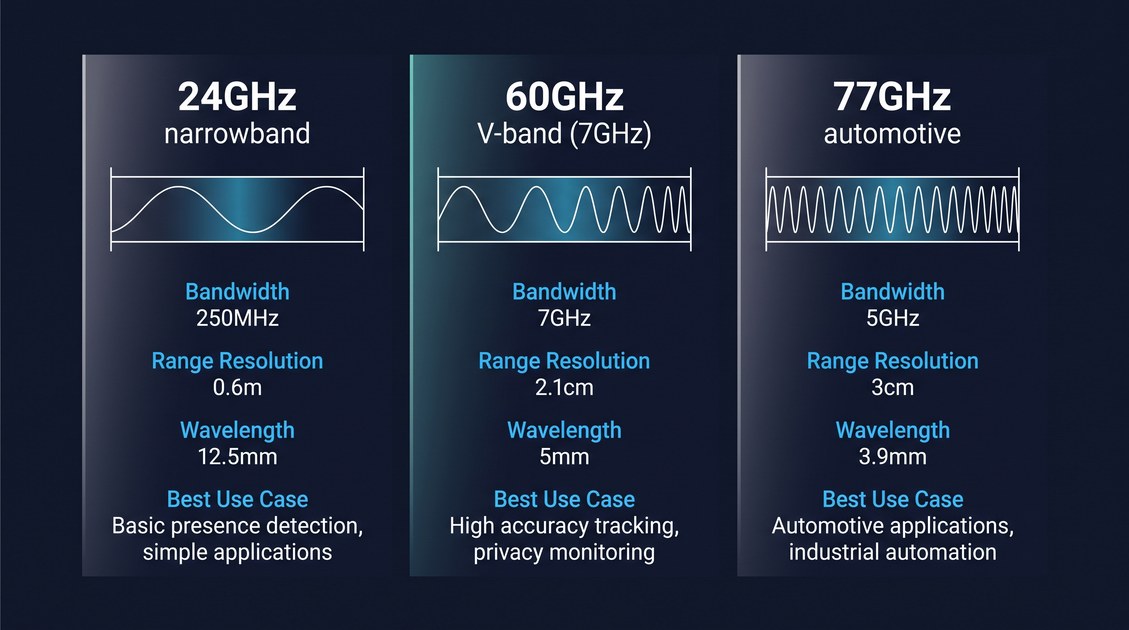
A presence sensor Zigbee is a presence detection device that combines millimeter-wave (mmWave) radar technology — most commonly operating at 60 GHz (57–64 GHz) with 7 GHz of bandwidth — with Zigbee 3.0 wireless mesh networking protocol to create a scalable occupancy sensing system for hotels, offices, and residential buildings. The mmWave radar component detects both moving and stationary human occupants by sensing the micro-Doppler signature of breathing at 0.2–0.5 Hz, achieving a stationary-occupant true positive rate above 99% in controlled testing and above 95% in real-world deployment. The Zigbee 3.0 radio, operating in the 2.4 GHz ISM band, carries the occupancy state from each sensor to a Zigbee coordinator via a self-healing mesh network where each sensor can route messages through its neighbors, extending the effective range and providing redundancy against single-node failures. The combination of mmWave radar for detection and Zigbee for communication has become the default architecture for hotel room presence sensors, office deployment zone sensors, and healthcare facility occupancy monitors because it delivers the accuracy of wired mmWave sensors with the installation flexibility of wireless deployment.
The presence sensor Zigbee architecture has become the dominant choice for commercial presence detection in hotels and offices, and understanding why requires looking at the deployment constraints of these environments and the trade-offs between wireless protocols. This guide provides a comprehensive overview of the presence sensor Zigbee, covering the technology, the network architecture, the installation best practices, and the selection criteria for choosing the right sensor for a specific deployment.
Presence Sensor Zigbee: Technology and Architecture
The architecture of a presence sensor Zigbee device is more than simply gluing a radar module onto a Zigbee radio — the two subsystems must be designed together to balance power consumption, detection latency, and network reliability.
Presence Sensor Zigbee: The mmWave Radar Component
The mmWave radar component of a presence sensor Zigbee device is typically a 60 GHz FMCW (frequency-modulated continuous wave) transceiver with a 2×2 or 3×3 MIMO antenna array. The transceiver consumes approximately 0.5–1.0 W when active and performs the computationally intensive task of extracting the breathing micro-Doppler signature from the radar return.
The 60 GHz frequency band is the default for presence sensor Zigbee devices because it provides:
- 7 GHz of bandwidth, enabling 2.1 cm range resolution and micro-Doppler detection of breathing
- A 5 mm wavelength that allows compact antenna arrays (a 3×3 MIMO array fits in a 20×20 mm PCB area)
- High oxygen absorption that provides a natural privacy barrier (the signal does not propagate between rooms)
- A mature regulatory environment worldwide (FCC Part 15.255, EN 305 550)
Presence Sensor Zigbee: The Zigbee Radio Component
The Zigbee radio component of a presence sensor Zigbee device is based on a 2.4 GHz IEEE 802.15.4 transceiver. The radio consumes approximately 0.02–0.05 W when transmitting and a few microwatts when sleeping in standby. The Zigbee 3.0 protocol provides:
- Low power consumption: suitable for battery-powered deployments
- Mesh networking: each device can route messages through its neighbors, extending the effective range
- Self-healing: if a single device fails, the network automatically finds an alternate path
- Standardized clusters: the "Occupancy Sensing" cluster (0x0406) is the standard way to report occupancy state
- Security: AES-128 encryption, network key distribution, device authentication
Presence Sensor Zigbee: Duty Cycling and Power Management
A key design challenge for a presence sensor Zigbee device, particularly in battery-powered implementations, is duty cycling the radar. The radar cannot run continuously at full power if the device is expected to run for years on a battery, because 1 W of continuous radar consumption would deplete a typical AA cell in weeks.
The solution used in most commercial presence sensor Zigbee devices is a duty cycle that balances power consumption with detection latency: the radar wakes up for a short burst (typically 50–200 milliseconds) every 1–5 seconds, performs a rapid presence check, and then returns to sleep. The Zigbee radio remains in standby (listening for incoming messages from the coordinator) most of the time and only wakes up to transmit when the occupancy state has changed.
In a mains-powered deployment, the duty cycle can be more aggressive (radar wakes every 0.5–1 second) to reduce detection latency. In a battery-powered deployment, the radar typically wakes every 2–3 seconds, resulting in a detection latency of 1–2 seconds, which is acceptable for most hotel and office applications.
Presence Sensor Zigbee: Network Topology and Mesh Behavior
The Zigbee 3.0 protocol supports three network topologies: star, tree, and mesh. In a star topology, every presence sensor Zigbee device communicates directly with the coordinator, which simplifies the network but limits the range. In a mesh topology, every presence sensor Zigbee device can route messages through its neighbors, extending the effective range, filling coverage gaps, and providing redundancy if a single device fails.
Mesh is the default topology for most commercial presence sensor Zigbee deployments because it is more resilient and more scalable.
Presence Sensor Zigbee: Mesh Network Behavior
The mesh behavior of a presence sensor Zigbee network is determined by the Zigbee routing protocol, which is based on AODV (Ad hoc On-Demand Distance Vector). When a presence sensor Zigbee device has an occupancy event to report, it attempts to route the message to the coordinator via the shortest available path, using neighbor sensors as intermediate routers. If the preferred path fails (because a neighbor device is offline or out of range), the device automatically discovers an alternate path, providing self-healing capability.
This mesh behavior is particularly valuable in hotel deployments where presence sensor Zigbee devices are installed in every room and a single failed device should not disrupt the occupancy data for adjacent rooms.
Presence Sensor Zigbee: Network Capacity and Latency
A practical concern in large presence sensor Zigbee deployments is network capacity and latency. Each presence sensor Zigbee device, when it transmits an occupancy event, occupies a small amount of airtime on the 2.4 GHz channel. If hundreds of devices attempt to transmit simultaneously during a building-wide event (such as a shift change in an office building), the network can become congested and messages can be delayed or dropped.
The Zigbee 3.0 protocol includes several mechanisms to manage this: transmission scheduling, message priority, and automatic backoff. In a well-designed presence sensor Zigbee deployment, the network should be configured with enough Zigbee coordinators (typically 1 coordinator per 50–100 sensors) and enough available 2.4 GHz channels (Zigbee 3.0 supports 16 channels, with 11, 15, 20, 25 being commonly used to avoid WiFi interference) to handle peak event rates.
The latency from occupancy event to coordinator receipt in a typical presence sensor Zigbee deployment is between 0.5 and 3 seconds, depending on the network load and the number of hops between the sensor and the coordinator.
Presence Sensor Zigbee: Why It Has Become the Default for Hotel Deployments
The hospitality industry is the single largest deployment vertical for presence sensor Zigbee devices, and the reasons are specific to the operational and economic constraints of hotel properties.
Presence Sensor Zigbee: Installation Without Disrupting Guests
The primary reason presence sensor Zigbee is preferred in hotels over wired sensors is installation without guest disruption. A wired presence sensor requires running cabling from each room to a central distribution point, which means cutting into walls, patching drywall, repainting, and possibly relocating guests during the installation. A presence sensor Zigbee deployment, by contrast, can be installed room-by-room by a single engineer in approximately 15 minutes per room: the sensor is powered from the room's existing mains or from a long-life battery, it is mounted on the ceiling with a few screws or adhesive, it is provisioned into the Zigbee network via the building management system, and then the room is handed back to housekeeping.
A team of two engineers can install presence sensor Zigbee devices in 200 rooms across two weeks without any guest disruption, which is the single most important deployment metric for hotel operators.
Presence Sensor Zigbee: Integration with building management systems
The second major reason presence sensor Zigbee is dominant in hotels is native integration with building management systems. The major hotel BMS vendors (Oracle Hospitality OPERA Cloud, CloudBeds, Mews, RoomKeyPMS) all support Zigbee as a native occupancy-detection protocol, typically through a Zigbee-to-BMS gateway or through direct Zigbee integration with the room control system. A presence sensor Zigbee device installed in a room automatically reports its occupancy state to the BMS, which can then trigger housekeeping automation, energy management, and guest experience automation.
The fact that Zigbee is already the standard protocol for hotel room control (Zigbee-based thermostats, Zigbee-based door locks, Zigbee-based in-room controls) means that a presence sensor Zigbee device can leverage the existing gateway infrastructure without requiring additional hardware.
Presence Sensor Zigbee: Battery-Powered Flexibility
A third advantage of presence sensor Zigbee in hotels is the option for battery-powered deployment. While many hotel presence sensor Zigbee devices are mains-powered, some deployments use battery-powered devices to avoid even the minimal work required to tap into mains power. A battery-powered presence sensor Zigbee device can be installed with adhesive only, with no tools, and with no risk of triggering building fire code inspections.
The battery life of a typical presence sensor Zigbee device, with a 2–3 second radar duty cycle, is 12–18 months on a CR123A cell, which is acceptable for hotel deployments because the housekeeping team can replace batteries during routine room maintenance.
Presence Sensor Zigbee: Office and Commercial Real Estate Deployment
Office buildings and commercial real estate are the second major deployment vertical for presence sensor Zigbee devices.
Presence Sensor Zigbee: Zone-Level Occupancy Analytics
In an office environment, presence sensor Zigbee devices are often used for zone-level occupancy analytics rather than per-room housekeeping coordination. A single presence sensor Zigbee device in an individual office can provide occupancy data for that office's HVAC control, but a network of devices across a floor can provide aggregate data on how the floor is being used.
The Zigbee mesh network is particularly valuable in this context because it can extend coverage across an entire floor or building without requiring every device to have a direct line of sight to a coordinator. The occupancy data from the presence sensor Zigbee network is aggregated at the building management system and exposed through dashboards for the corporate real estate team.
Presence Sensor Zigbee: Integration with Building Management Systems
Office presence sensor Zigbee deployments typically integrate with the building management system (BMS) rather than with a building management system. The major BMS vendors (Siemens, Schneider Electric, Johnson Controls, Honeywell) all support Zigbee as a native protocol for occupancy detection, typically through a Zigbee-to-BACnet gateway or through direct integration.
Presence Sensor Zigbee: Procurement and Installation Checklist
For a procurement team evaluating presence sensor Zigbee devices, the following checklist distills the decision framework above into a actionable procurement process.
Presence Sensor Zigbee: Technical Specifications
- Frequency band: confirm that the sensor operates in the 60 GHz band for optimal micro-motion sensitivity
- Antenna configuration: confirm the MIMO configuration (typically 2×2 or 3×3) and the resulting field of view
- Detection range: confirm the maximum detection range for moving and stationary occupants (typically 6–8 m)
- Power consumption: confirm the active power consumption and the standby power consumption
- Duty cycle: confirm whether the sensor supports configurable duty cycling
Presence Sensor Zigbee: Zigbee Network Specifications
- Zigbee version: confirm that the sensor supports Zigbee 3.0 (the current standard)
- Supported Zigbee clusters: confirm that the sensor implements the "Occupancy Sensing" cluster (0x0406)
- Network topology: confirm whether the sensor supports mesh routing (router capability) or is an end-device only
- Supported channels: confirm which Zigbee channels the sensor supports
- Security: confirm that the sensor supports Zigbee 3.0 security (AES-128 encryption, network key distribution, device authentication)
Presence Sensor Zigbee: Integration and Connectivity
- Gateway requirements: confirm whether the sensor requires a specific Zigbee gateway or whether it can work with any standard Zigbee 3.0 coordinator
- Protocol compatibility: confirm how the sensor integrates with the target system (BMS for hotels, BMS for offices, smart home platform for residential)
- Message format: confirm what data the sensor transmits over Zigbee (binary occupancy state, raw point cloud data, classified events)
- Data retention: confirm whether the sensor retains any historical occupancy data on-device
Presence Sensor Zigbee: Physical and Installation Specifications
- Form factor: confirm the physical dimensions and the mounting method
- Power source: confirm whether the sensor is mains-powered, battery-powered, or supports both
- IP rating: confirm the ingress protection rating
- Certifications: confirm that the sensor carries the required certifications (CE, FCC, RoHS)
Presence Sensor Zigbee: Common Pitfalls
Several common pitfalls can undermine a presence sensor Zigbee deployment:
- Insufficient Zigbee coverage: installing sensors in rooms where the Zigbee signal cannot reach any neighbor sensor
- Interference from WiFi: deploying sensors on a Zigbee channel that overlaps with the building's WiFi channels
- Inadequate battery planning: deploying battery-powered sensors without a clear plan for battery replacement
- Incorrect mounting height or orientation: installing the sensor too close to the ceiling or with the antenna array oriented away from the room
- Overloading a single Zigbee coordinator: connecting more than 100 sensors to a single coordinator
Presence Sensor Zigbee: Future Trends
The presence sensor Zigbee market is evolving rapidly, driven by several trends:
- Matter convergence: the Matter smart home standard, built on the Thread protocol (which is based on IEEE 802.15.4 like Zigbee), is becoming the dominant interoperability protocol for residential devices. Many presence sensor Zigbee vendors are now producing dual-mode devices that support both Zigbee and Matter.
- Chipset integration: the increasing integration of mmWave transceivers and Zigbee radios into single-chip solutions is reducing cost and enabling smaller form factors
- On-device machine learning: modern presence sensor Zigbee devices can run a small neural network locally to classify occupancy events
- Multi-sensor convergence: the convergence of the presence sensor Zigbee device with other in-room sensing modalities (CO₂, light, temperature/humidity, acoustic)
Presence Sensor Zigbee: Final Recommendation
The presence sensor Zigbee architecture has become the default choice for wireless presence detection in hotel rooms, offices, healthcare facilities, and increasingly in residential smart homes because it delivers the best balance of detection accuracy, installation flexibility, and integration maturity among the available wireless options.
For a hotel or office deployment where accurate stationary-occupant detection is required and where new cabling is impractical, a presence sensor Zigbee device is almost always the right technical choice. For a healthcare deployment where fall detection and safety monitoring are required, a presence sensor Zigbee device with mains power and a duty cycle optimized for low latency is the right choice. For a residential deployment where the consumer has chosen a Zigbee-based smart home platform (SmartThings, Home Assistant, Hubitat), a presence sensor Zigbee device is the right choice, and a Zigbee+Matter dual-mode device is the best choice for future-proofing.
The recommended product for most applications is the ceiling-presence-sensor-zigbee, which provides 24GHz wideband mmWave radar detection, Zigbee 3.0 mesh networking, mains or battery power options, and integration with major building management systems and building management systems.
Not sure which sensor fits your project?
Talk to our mmWave application engineers for a free consultation.
Find the right presence sensor for your hotel project
Compare the 3 protocols, check hotel-specific case studies, and download the installation guide
Related products
2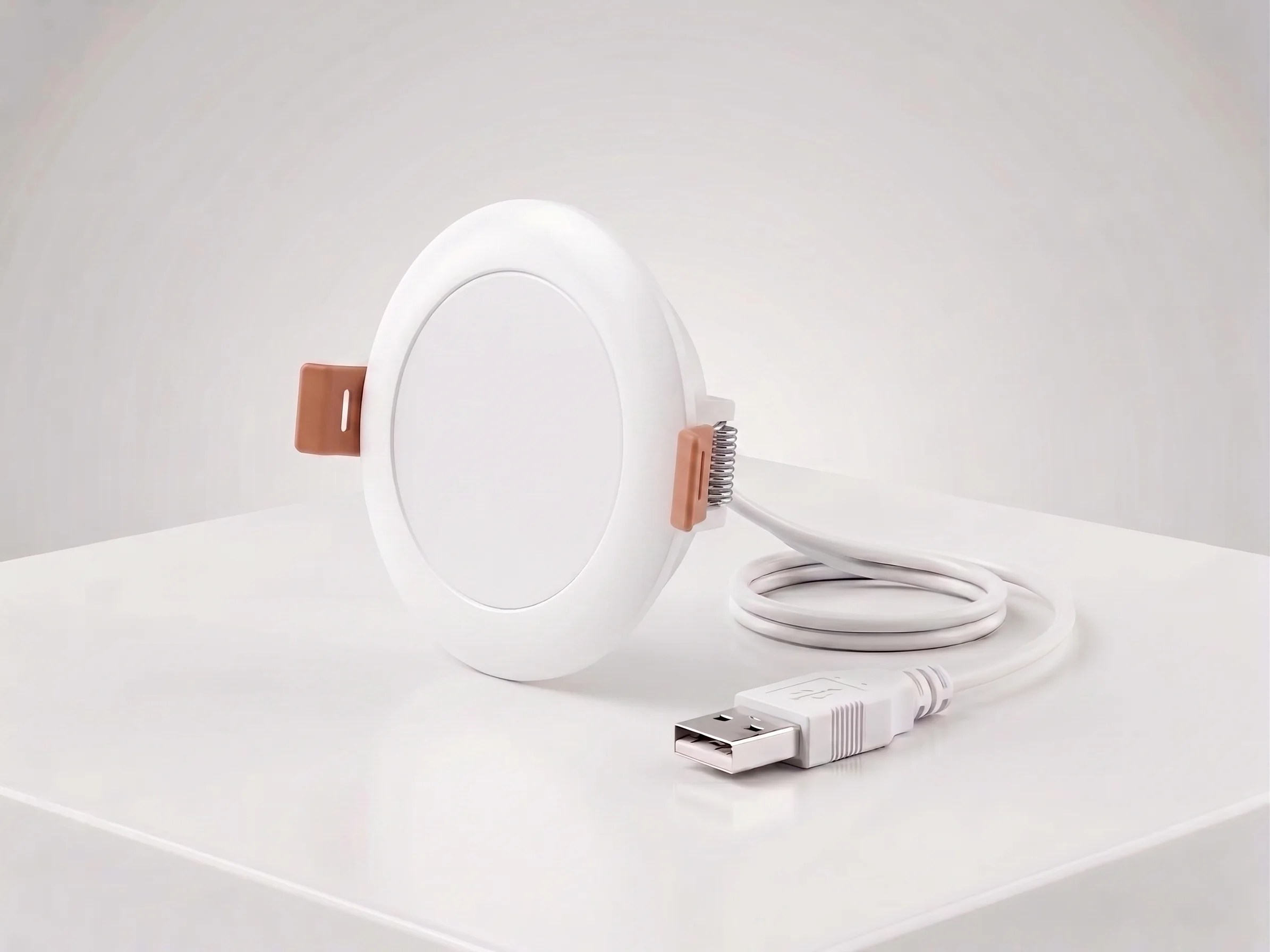
Ceiling Mount mmWave Human Presence Sensor — Zigbee
24GHz wideband mmWave ceiling presence sensor with 10m motion detection, 2.5m micro-motion, and breathing detection. 120° field, DC5V, Zigbee 3.0. For hotel room occupancy and commercial automation.
This page already points to it as the next recommended reference.
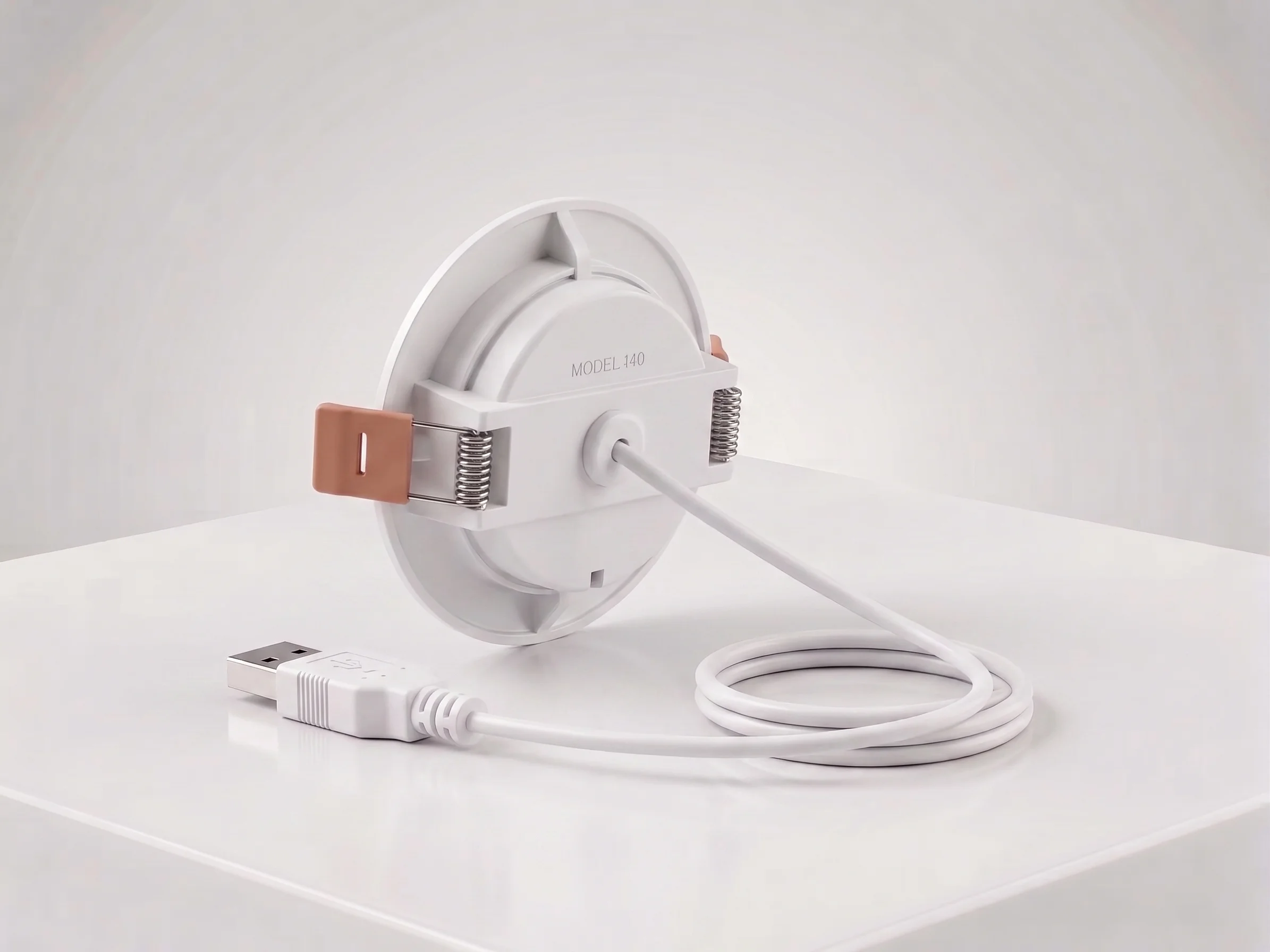
Ceiling Mount mmWave Human Presence Sensor — Matter over Thread
24GHz wideband mmWave ceiling presence sensor with 10m motion, 2.5m micro-motion, and breathing detection. 120° field, DC5V, Matter over Thread. Works natively with Apple Home, Google Home, and Alexa.
This page already points to it as the next recommended reference.
Related solutions
1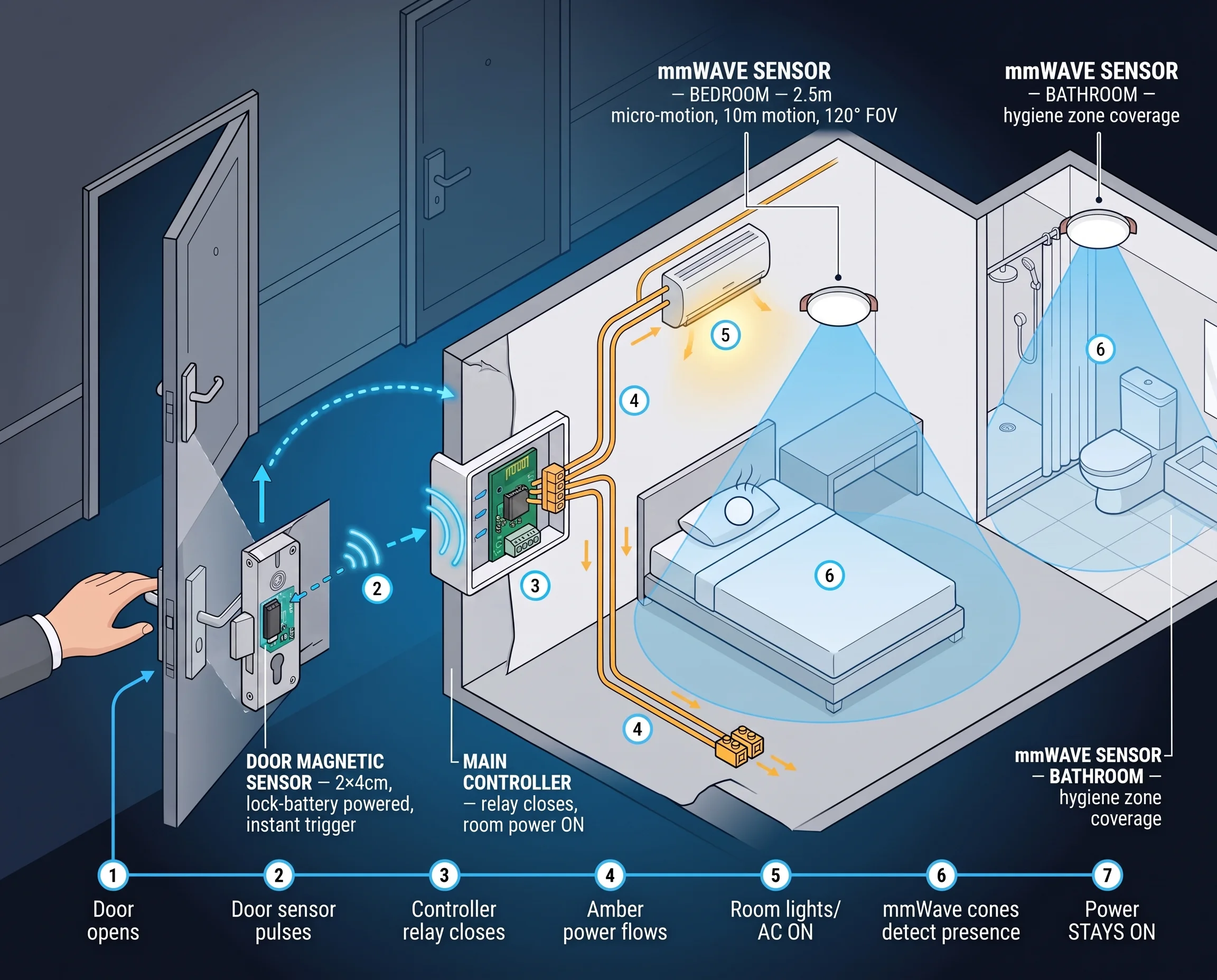
Hotel Room Occupancy & Motion Sensor Solution
mmWave radar presence sensors for hotel room occupancy, housekeeping scheduling, and HVAC energy saving. Detect true occupancy — even when the guest is asleep — with our ceiling-mount hotel room motion sensor.
It supports the same product context: Ceiling Mount mmWave Human Presence Sensor — Zigbee, Ceiling Mount mmWave Human Presence Sensor — Matter over Thread.
Related blog posts
3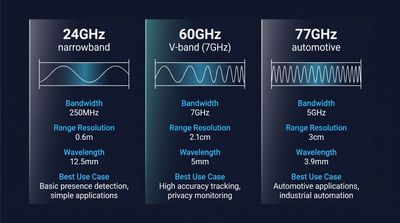
60GHz vs 24GHz vs 77GHz mmWave Sensors: Choosing the Right Frequency for Commercial Presence Detection
Compare 60GHz, 24GHz, and 77GHz mmWave sensors for commercial presence detection. Technical specs, detection range, privacy, and OEM sourcing guidance.
It supports the same product context: Ceiling Mount mmWave Human Presence Sensor — Zigbee.
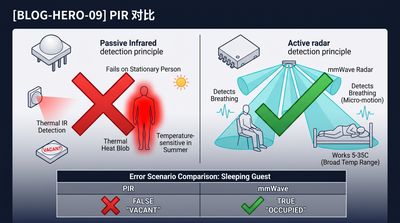
What Is an Electronic Presence Sensor? Technology, Accuracy, and How It Differs From a Motion Sensor
Learn what an electronic presence sensor is, how it detects stationary humans, and how it differs from a PIR motion sensor. Covers mmWave, accuracy, and use cases.
It supports the same product context: Ceiling Mount mmWave Human Presence Sensor — Zigbee, Ceiling Mount mmWave Human Presence Sensor — Matter over Thread.
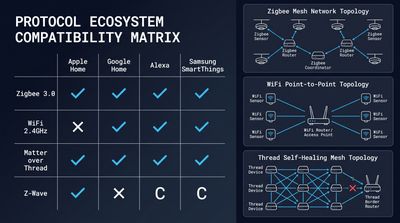
How to Integrate mmWave Presence Sensors With Home Assistant (Local Control Guide)
Step-by-step local control setup guide for mmWave devices, covering MQTT/Matter config, automation scripts, calibration and OEM ceiling presence sensor integration tips.
It supports the same product context: Ceiling Mount mmWave Human Presence Sensor — Matter over Thread, Ceiling Mount mmWave Human Presence Sensor — Zigbee.
Specify your hotel project with our engineers
Send your room count, ceiling type, and protocol preference. We will return a sample plan and quote within 24 business hours.
- Move from general guidance into a product or application discussion.
- Use RFQ when pricing, drawings, MOQ, or launch timing needs structure.
- Keep a direct contact path visible for fast clarifications and handoff.