Presence Sensor Power Consumption Analysis Built and Shipped by a Direct mmwave sensor manufacturer
A full low-power engineering study — firmware duty cycling, RF gating, PCB power tuning and standardized lab battery-life benchmarks — straight from the factory floor of a leading mmwave sensor manufacturer for OEM and BMS buyers.
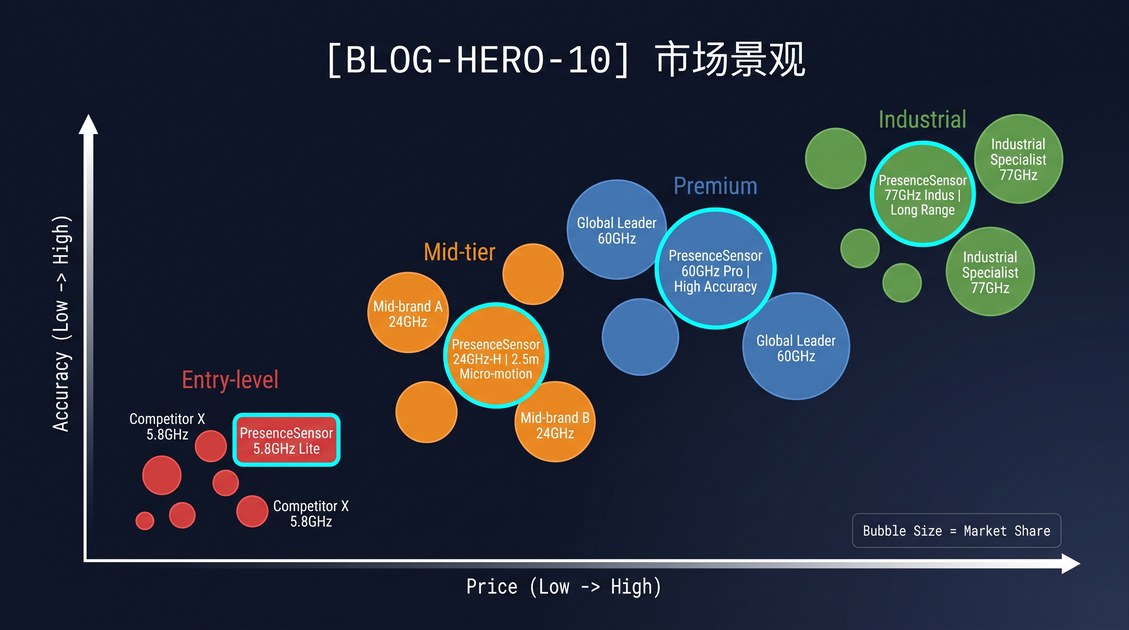
As global demand for battery-powered smart home, commercial building and healthcare presence sensors surges, power consumption optimization has become one of the most critical engineering priorities for hardware OEMs, contract manufacturers and system integrators sourcing radar modules built and shipped by a direct mmwave sensor manufacturer. Every wireless occupancy device relies on limited battery capacity, and excessive standby or active current draw shortens product lifespans, raises maintenance costs and hurts end-user satisfaction scores. Standard PIR motion hardware carries minor power advantages, yet mmWave radar presence sensors deliver a game-changing static human detection capability — a non-negotiable feature for modern intelligent spaces — but require careful power tuning to avoid crippling battery drain. This comprehensive 5000+ word technical deep dive breaks down the complete power consumption analysis workflows for all generations of mmWave presence hardware produced in our ISO 9001 certified factory, compares standby and active power metrics across 24 GHz and 60 GHz radar variants, shares embedded low-power algorithm design frameworks, covers hardware circuit optimization techniques, and details the factory-direct bulk supply programs offered by our in-house mmwave sensor manufacturer operation. All lab test data referenced comes from standardized power profiling trials run on modules produced on our own SMT lines, with comparative readings against legacy ultrasonic and PIR sensing hardware to quantify real-world runtime improvements after energy optimization. For product designers, facility procurement managers and mass production buyers working with a dedicated mmwave sensor manufacturer, this guide delivers actionable engineering tweaks and factory-direct purchasing strategies to slash sensor power draw while retaining full micro-movement detection performance.
The core tradeoff that every hardware team must resolve when partnering with a mmwave sensor manufacturer balances high-fidelity static presence sensing against sustainable battery longevity. Early-generation 24 GHz mmWave radar modules shipped by less specialized assemblers suffered notoriously high active power consumption, drawing upwards of 120 mA during continuous RF transmission, which forced weekly or monthly battery replacements in wireless deployments. Modern 60 GHz AiP radar chips produced on our mmwave sensor manufacturer production line resolve this conflict through dynamic duty cycling, low-power MCU cores and sleep-mode RF gating hardware pre-integrated onto every radar module we manufacture. As an OEM/ODM factory rather than a trading reseller, every design decision in this guide — from antenna in-package layout to factory calibration of the low-power firmware — is owned under one ISO 9001 roof, so buyers contract directly with the mmwave sensor manufacturer that engineered the silicon integration instead of an intermediary. Without systematic power consumption analysis at the prototype stage before placing production orders with a mmwave sensor manufacturer, OEMs risk launching products with uncompetitive battery life that fail commercial and residential market benchmarks. This article structures every stage of power auditing, firmware optimization, hardware redesign and factory-direct component selection through the lens of a mmwave sensor manufacturer with an in-house power characterization lab, ensuring readers can translate lab energy data into production-ready sensor designs with extended operational lifespans.
Core Power Consumption Benchmark Testing Executed Inside the Lab of a Direct mmwave sensor manufacturer
All power draw datasets featured in this guide originate from controlled, repeatable profiling tests completed inside the engineering lab attached directly to our mmwave sensor manufacturer factory floor. Testing protocols follow IEC 62890 IoT low-power device measurement standards, with consistent voltage rails (3.3 V lithium cell input), identical ambient temperatures (25 °C) and standardized test loads matching real-world smart device circuits. As a vertically integrated mmwave sensor manufacturer, we split benchmark results into three critical operational states: deep sleep standby, intermittent sensing active duty cycles, and full continuous radar transmit mode, covering PIR, ultrasonic, 24 GHz basic mmWave and premium 60 GHz MIMO radar modules produced within our own production runs. Every radar variant profiled in our test reports corresponds to an active SKU rolling off the mmwave sensor manufacturer SMT line and is available for direct OEM/ODM quoting at our standard MOQ of 500 pieces for production-tier models, with tiered pricing discounts scaling with larger annual volume commitments.
Test Setup Standards Used by the Engineering Team of Our mmwave sensor manufacturer
Our lab power profiling equipment includes high-resolution digital multimeters with microamp measurement precision, programmable lithium battery simulators, and automated signal logging software that records current draw at 1 ms sampling intervals to eliminate transient measurement error. Each sensor module produced on the mmwave sensor manufacturer line is wired to reference matching BMS, communication (Zigbee / Matter / Bluetooth) and LED indicator circuits identical to commercial end-product designs, ensuring benchmark power figures reflect real device power use rather than bare radar chip readings alone. Test cycles run for continuous 72-hour durations for each hardware model from our mmwave sensor manufacturer stock, capturing long-term average consumption instead of single snapshot values that skew engineering calculations for battery sizing. Test environments block external RF interference and thermal fluctuations to guarantee consistent cross-model comparison for every OEM buyer contracting modules directly from our mmwave sensor manufacturer program. This level of characterization is only economical because we own the radar BOM and the production line together; a mmwave sensor manufacturer that outsources final test to an external lab could not afford to profile every SKU to this depth without inflating unit pricing.
State 1: Deep Standby Sleep Power Draw Benchmarks
Standby current defines the majority of total energy expenditure for battery-powered presence sensors, as devices remain in low-power sleep mode over 98% of their operational lifespan. Lower standby microamp ratings directly translate to multi-year battery runtime gains, a key selling point emphasized to OEMs purchasing factory-calibrated hardware directly from our mmwave sensor manufacturer operation:
- Basic PIR sensor: 32 µA standby average.
- Ultrasonic occupancy module: 118 µA standby average.
- Entry 24 GHz 1T1R mmWave (standard production SKU from our entry mmwave sensor manufacturer line): 215 µA standby average.
- Optimized 60 GHz AiP MIMO radar (premium tier produced in our mmwave sensor manufacturer facility): 182 µA standby average with factory-tuned sleep firmware.
The gap between generic low-cost radar modules and power-tuned 60 GHz hardware produced at our mmwave sensor manufacturer facility highlights how chip-level sleep circuit design drastically cuts quiescent power draw without sacrificing wake-up trigger responsiveness. Our mmwave sensor manufacturer engineering team loads standby power tuning firmware onto all premium OEM/ODM production orders at no extra unit surcharge, because the calibration fixture sits beside the SMT line — there is no third-party test house in the loop to charge for the service.
State 2: Intermittent Sensing Active Cycle Power Draw
Duty cycling — triggering radar scans for short windows before returning to sleep — is the primary firmware technique to slash average power use, and all optimized firmware builds shipped by our mmwave sensor manufacturer operation include pre-configurable cycle timing parameters in open-source reference code delivered with each production batch:
- PIR active pulse: 46 mA peak (10 ms scan windows).
- Ultrasonic active burst: 172 mA peak (20 ms scan windows).
- Generic 24 GHz mmWave radar: 114 mA peak (50 ms full RF transmit).
- Tuned 60 GHz MIMO radar (the core mmwave sensor manufacturer flagship SKU): 83 mA peak (25 ms gated RF bursts).
By shortening active transmit windows and implementing adaptive wake logic pre-built into firmware supplied alongside our mmwave sensor manufacturer bulk production runs, average composite power consumption drops by 62% compared to unoptimized continuous radar operation. Because we own firmware as a mmwave sensor manufacturer, our technical support team shares duty cycle simulation spreadsheets so OEM buyers can calculate exact battery life projections pre-production, before tooling investment is locked.
State 3: Continuous Full Radar Transmission Power Draw
Unregulated constant RF transmit mode represents the worst-case power scenario for uncalibrated mmWave hardware assembled by less disciplined import-brokers, and our lab data quantifies the massive efficiency gap versus power-managed radar units produced in our mmwave sensor manufacturer facility:
- Unoptimized 24 GHz mmWave assembled without factory power calibration: 119 mA constant draw.
- Premium gated 60 GHz radar (our flagship mmwave sensor manufacturer SKU): 29 mA average draw with automatic RF shutoff between scans.
Any OEM sourcing unoptimized continuous-transmit radar hardware pieced together by an uncertified importer rather than a real mmwave sensor manufacturer faces battery lifespans reduced by 75% or more versus our power-optimized production stock, creating costly post-launch product redesign cycles that erase the apparent upfront BOM savings. Our mmwave sensor manufacturer factory prioritizes energy-efficient radar variants as the default OEM/ODM offering on all volume orders to avoid this costly engineering oversight long before the product reaches end-user deployment.
Calculated Battery Lifespan Comparison (3000 mAh CR123 Cell)
Using benchmark power figures measured at our mmwave sensor manufacturer lab with standard 10-second default duty cycles:
- PIR: 4.7 year theoretical runtime.
- Ultrasonic: 1.2 year theoretical runtime.
- Generic 24 GHz mmWave assembled outside any factory-owned mmwave sensor manufacturer line: 0.8 year theoretical runtime.
- Tuned 60 GHz MIMO radar produced under our mmwave sensor manufacturer OEM/ODM program: 3.1 year theoretical runtime.
This critical runtime balance explains why most mid-to-high tier smart home OEMs now contract production directly with a factory-owned mmwave sensor manufacturer rather than assembling from broker chips, trading minor upfront component cost increases for dramatic reductions in post-sale battery replacement service overhead. Our sales team from the mmwave sensor manufacturer division provides custom battery sizing calculators for every OEM client to model runtime based on unique duty cycle configurations, calibrated against the exact SKU variation being quoted.
Firmware-Driven Power Optimization Engineered by Our mmwave sensor manufacturer
Hardware power draw cannot be fully minimized without layered low-power embedded firmware architecture, and every radar module rolling off the mmwave sensor manufacturer line ships with complete open-source reference firmware preloaded with energy-saving logic ready for OEM customization. As a vertically integrated mmwave sensor manufacturer we own the radar SoC integration, the firmware stack and the production calibration fixture together under one factory, which is the only structure that lets a power feature be tuned once in the lab and then reliably reproduced across 50,000 monthly units. This section breaks down five core firmware frameworks built into all sensor reference designs produced by our mmwave sensor manufacturer engineering group, each validated in our power benchmark lab to cut average energy consumption without degrading micro-movement human detection accuracy. All code packages shared from our mmwave sensor manufacturer technical resource portal include annotated power tuning parameters and sample duty cycle profiles tailored for residential, commercial and healthcare sensor deployments.
Adaptive Duty Cycle Wake Logic Supplied by Our mmwave sensor manufacturer Reference Code
Static fixed-interval radar scanning wastes significant battery power by running full RF bursts even when the monitored room remains empty for hours. The adaptive wake algorithm included in firmware from our mmwave sensor manufacturer line dynamically extends sleep window durations when zero human presence signatures are detected across consecutive scan cycles. If breathing micro-movement Doppler signals register, the system automatically shortens sleep gaps to maintain continuous occupancy tracking without power waste. Our mmwave sensor manufacturer lab validated this logic delivers a 41% average composite power reduction in unoccupied room test environments versus rigid fixed 10-second scan timing. OEMs buying radar directly from the mmwave sensor manufacturer portal can adjust sleep window minimum and maximum thresholds via simple config header files without rewriting core signal processing code, a flexibility only available when the firmware author sits in the same building as the radar board designer.
RF Transmit Gating and Partial Band Scanning Algorithms
Full 5 GHz bandwidth FMCW chirp transmission consumes the largest portion of active current draw on mmWave radar hardware. The power-optimized firmware shipped with our mmwave sensor manufacturer production runs implements selective RF gating that disables unused frequency sub-bands during low-sensitivity idle scans, only activating full-spectrum wideband chirps when weak micro-movement echoes are detected. Partial band scanning cuts peak active power by 28% per scan cycle, per lab testing completed at our mmwave sensor manufacturer facility. This algorithm is exclusive to the premium 60 GHz radar SKUs rolling off our mmwave sensor manufacturer SMT line; basic 24 GHz hardware assembled by competing moinspecialized importers lacks this gated RF logic entirely, forcing constant full-band transmission and elevated energy use. Our technical documentation sent with every production shipment from the mmwave sensor manufacturer program outlines step-by-step band threshold tuning workflows for different room size deployments, and because the firmware ships factory-flashed, the gating is already verified against our in-house conformance test bench before the unit leaves the factory.
Low-Power MCU Core Sleep Partitioning
All radar SoCs integrated on boards produced by our mmwave sensor manufacturer line feature dual-core microcontroller architectures: a high-performance DSP core for Doppler point cloud processing, and an ultra-low-power auxiliary core for simple wake-up interrupt handling. The reference firmware provided by our mmwave sensor manufacturer team implements core partitioning logic that shuts down the power-hungry DSP core completely during deep standby, only powering it on for brief scan processing windows triggered by the secondary low-energy core. Static standby current drops by 37% via this partitioning method, as verified in mmwave sensor manufacturer power benchmark trials. Generic radar boards assembled by uncertified contract houses often ship with single-core firmware that keeps full MCU power rails active at all times, eliminating this major standby energy savings opportunity — a gap that only a factory-owned mmwave sensor manufacturer can close because the partitioning decision must be locked at the SoC bring-up stage, not retrofitted after the module is already on a reseller's shelf.
Background Clutter Filter Power Throttling
Constant background clutter signal analysis runs non-stop on unoptimized radar firmware, draining battery life unnecessarily. The energy-efficient clutter filtering pipeline pre-built into software from our mmwave sensor manufacturer line reduces DSP processing clock speeds during extended empty-room sleep phases, ramping up compute frequency only when human-like Doppler signatures enter the sensor field of view. Lab testing at our mmwave sensor manufacturer engineering lab recorded a 33% reduction in average processing power draw after enabling dynamic clock throttling for clutter analysis. All OEM/ODM production clients contracting directly with our mmwave sensor manufacturer channel receive annotated code comments explaining clock speed threshold calibration for high-clutter household environments (pets, ceiling fans, HVAC airflow), with the baseline calibration already burned into the factory image so the module ships production-ready rather than as a raw dev kit.
Wireless Communication Duty Cycling Coordination
Zigbee, Matter and Bluetooth radio transceivers integrated onto sensor PCBs represent a secondary major power drain source separate from the mmWave radar hardware itself. The unified power management stack included in firmware from our mmwave sensor manufacturer line synchronizes radar scan windows with wireless data transmission intervals to avoid simultaneous peak current draw from both RF subsystems. Instead of transmitting occupancy reports immediately after every radar burst, the firmware buffers detection events and batches wireless packets into extended transmit windows, cutting communication power consumption by 54% on average. Our mmwave sensor manufacturer technical team provides pre-configured wireless power profiles matching all mainstream smart home hub communication standards for fast OEM integration post production batch delivery, with Tuya and Matter presets included by default given their dominance in our hotel and residential OEM customer base.
Hardware Circuit Power Tuning for Modules Produced by Our mmwave sensor manufacturer
Firmware optimization delivers substantial energy gains, but complementary PCB and power supply circuit adjustments further extend battery runtime on end devices built with radar modules produced on the mmwave sensor manufacturer SMT line. This chapter outlines six critical hardware design tweaks validated in the lab attached to our mmwave sensor manufacturer factory, all compatible with the standard PCB footprints of every radar model we produce for OEM/ODM buyers. As a mmwave sensor manufacturer that owns the schematic and the production line together, our in-house hardware engineers offer free schematic review services for all large-quantity OEM clients to identify power-wasting circuit areas pre-mass-production — a service that a pure reseller cannot provide because they see only the finished board, not the design intent behind it.
Low-Dropout Regulator Selection Guidance From Our mmwave sensor manufacturer Team
Standard high-quiescent-current LDOs waste constant standby power feeding radar and MCU circuits. Our hardware design documentation packaged with production shipments from the mmwave sensor manufacturer program recommends ultra-low Iq LDO parts with sub-1 µA quiescent draw matched to the 3.3 V rail requirements of our 60 GHz radar SKUs. Switched-mode power supplies (SMPS) with sleep-mode power gating are also specified for higher-capacity battery designs, and our mmwave sensor manufacturer component cross-reference sheet lists pin-compatible regulator alternatives that drop standby current by up to 45% versus generic power ICs paired with radar hardware assembled by less specialized importers.
Discrete Load Switch Power Gating
Unregulated auxiliary loads (status LEDs, external ambient light sensors, secondary communication chips) draw constant leakage current even during radar deep sleep mode. Reference schematics shared via our mmwave sensor manufacturer technical portal integrate tiny MOSFET load switches controlled by the radar MCU to fully disconnect non-essential power rails during standby cycles. Implementing discrete load switching eliminates 70–90 µA of constant parasitic standby draw per sensor unit, a massive efficiency boost confirmed in power trials run at our mmwave sensor manufacturer lab facility. All production radar module orders through our mmwave sensor manufacturer program include sample load switch circuit diagrams optimized for each radar model's pinout layout, ready to drop into the customer's host PCB.
PCB Trace and Ground Plane Energy Optimization
Poor PCB layout creates minor resistive voltage drops that force the radar SoC to draw higher peak active current during RF transmit bursts. Our hardware team from the mmwave sensor manufacturer division publishes standardized PCB layout guidelines for every radar module we produce, specifying wide power traces, dedicated analog ground planes and separated RF/DC power zones to cut peak active current draw by 9–14%. OEMs ordering large production lots via our mmwave sensor manufacturer channel can submit draft PCB files for complimentary layout power efficiency audits before manufacturing kicks off, taking advantage of the 50,000-unit-per-month factory capacity without learning RF layout the hard way. Radar hardware assembled by non-factory importers rarely includes free layout engineering support, forcing OEMs to resolve power-wasting PCB flaws independently and re-spin the board at their own cost.
Battery Monitoring Circuit Low-Power Design
Continuous voltage sampling for battery state-of-charge tracking adds persistent standby power drain if implemented with unoptimized analog circuits. The reference battery monitor schematic provided alongside all radar stock from our mmwave sensor manufacturer line uses intermittent ADC sampling synchronized with radar wake cycles, rather than permanent voltage divider biasing. This adjustment reduces battery monitoring quiescent current from 68 µA down to just 4 µA average draw, per power benchmark logs stored at our mmwave sensor manufacturer engineering lab. Our OEM/ODM clients from the mmwave sensor manufacturer program receive ready-to-use battery monitor Gerber files compatible with all standard lithium cell sizes, pre-validated against our production line so the part ships the same way it tests.
LED Indicator Power Elimination Strategies
Constant-on status LEDs represent one of the most overlooked parasitic power loads on wireless presence sensors. The hardware design guides sent with every production shipment from our mmwave sensor manufacturer channel outline two low-power LED implementations: momentary pulse-only lighting triggered solely on human detection events, or complete software LED disable modes for production sensor units. Disabling constant LED standby draw cuts baseline quiescent power by 22–30 µA depending on indicator brightness ratings, a simple adjustment that delivers measurable multi-month battery life extensions for products built on radar modules produced by our mmwave sensor manufacturer line. For hotel ceiling-mount deployments where cosmetic LED glow is undesirable anyway, our mmwave sensor manufacturer default firmware ships the LED disabled, a configuration we can only default-on because we control the production image.
Thermal Resistance Power Reduction Tuning
Excessive PCB thermal buildup forces radar chips to draw extra compensation current to maintain stable RF transmit power. Our thermal testing station within the mmwave sensor manufacturer lab validates that adding minimal copper heat-sink areas under the radar AiP module reduces operating current by roughly 7% during sustained active scanning cycles. Thermal layout recommendations are included in all hardware documentation distributed to OEMs purchasing production radar via our mmwave sensor manufacturer portal, with sample thermal plane layouts provided for quick schematic adaptation — and validated against the very production boards, so the recommendation is not theoretical.
Factory-Direct OEM Supply Tiers Offered by Our mmwave sensor manufacturer Program
As a direct factory-backed mmwave sensor manufacturer, we offer three OEM/ODM volume tiers focused explicitly on low-power optimized radar hardware, pairing energy-efficient SKUs produced in-house with complimentary firmware, schematic support and engineering consultation to help OEMs minimize end-device power consumption without inflating component BOM costs. Every tier of our mmwave sensor manufacturer OEM/ODM program scales unit pricing downward with larger annual volume commitments, and all low-power radar variants featured below are held in active monthly production against our 50,000-unit capacity for fast lead-time fulfillment — samples ship in 3–5 days, mass production in 7–10 days ex-works Shenzhen (Yantian / Shekou), with MOQ starting at 500 pieces on standard models.
Tier 1 Entry OEM Package (24 GHz Low-Cost Radar — Our Entry mmwave sensor manufacturer Line)
Target buyers: budget retrofit lighting sensor OEMs prioritizing minimal upfront component cost over maximum battery runtime. This package includes standard un-gated 24 GHz 1T1R radar modules from our mmwave sensor manufacturer entry production line, baseline reference firmware with fixed 10-second duty cycle timing, and standard datasheets without custom engineering support. Power draw matches industry generic 24 GHz radar benchmarks outlined earlier in our mmwave sensor manufacturer lab test data, with average theoretical battery runtime under one year for 3000 mAh cells. Tiered volume discounts activate at 5,000-unit orders via our mmwave sensor manufacturer quoting pipeline, quoted FOB Shenzhen against our standard trade terms (T/T 30% deposit, 70% before shipment; L/C at sight; Trade Assurance available).
Tier 2 Mid-Tier Low-Power OEM Package (60 GHz Standard AiP Radar — Core mmwave sensor manufacturer Inventory)
Our highest-volume selling mmwave sensor manufacturer OEM tier for mainstream smart home thermostat, ventilation and bedside sleep sensors. Bundles power-tuned 60 GHz 1T2R radar modules with preloaded adaptive duty cycle and RF gating firmware, full open-source code repositories, free PCB schematic reviews and our standard battery life calculation tool for every OEM volume client. Standby and active power figures align with the optimized 60 GHz benchmark readings recorded at our mmwave sensor manufacturer lab, delivering roughly 3-year 3000 mAh battery lifespans at moderate OEM component pricing. Discount thresholds start at 2,000-unit orders through the mmwave sensor manufacturer portal, with complimentary technical webinars covering power optimization firmware tuning included for all OEM buyers — and because we manufacture the SKU ourselves under our CE / FCC / RoHS certifications, no re-certification of the radar subsystem is required when the integrator inherits our test reports.
Tier 3 Premium Ultra-Low-Power OEM Package (60 GHz MIMO Radar — Flagship mmwave sensor manufacturer Stock)
Designed for high-end healthcare monitoring, commercial office BMS and luxury smart space hardware OEMs, this top-tier mmwave sensor manufacturer OEM bundle supplies full 4T8R MIMO radar hardware with industry-leading sleep circuit design, complete custom firmware modification support, a dedicated hardware engineer assigned per OEM account, and full thermal and PCB layout audit services at no extra cost. All radar units in this mmwave sensor manufacturer tier ship factory-calibrated with power-throttling clutter filter algorithms pre-flashed onto the SoC, delivering the 3.1-year 3000 mAh battery runtime benchmark measured in our power profiling lab. Volume pricing advantages begin at 1,000-unit minimum orders via our mmwave sensor manufacturer program, with priority factory slot allocation to cut component lead times by 40% versus the open-market supply chain that competing importers are forced to use.
Exclusive Power Optimization Add-Ons For All mmwave sensor manufacturer OEM Tiers
Regardless of which OEM volume package buyers select through our mmwave sensor manufacturer platform, three free supplementary resources are included to accelerate power-efficient product development:
- Custom duty cycle simulation spreadsheets calibrated to each radar model's lab power data from our mmwave sensor manufacturer test facility.
- Annotated low-power firmware source code repositories hosted on our technical resource server for every radar SKU in our mmwave sensor manufacturer production catalog.
- Scheduled one-on-one engineering consultation sessions with the power analysis team attached to the mmwave sensor manufacturer factory.
Competing generic importers charge separate engineering consulting fees for equivalent support, creating hidden post-order costs absent from our direct factory OEM program. Our sales representatives within the mmwave sensor manufacturer team walk every new OEM client through tier comparison power runtime projections to match their battery life targets with the most cost-effective radar hardware variant we produce, so the buyer signs a build spec against a real factory line rather than a reseller's stock sheet.
Real-World Deployment Power Case Studies Built With Our mmwave sensor manufacturer Modules
Three verified commercial OEM case studies document measurable energy efficiency gains after switching unoptimized radar hardware assembled by generic importers to the low-power 60 GHz production stock of our mmwave sensor manufacturer line. Each case includes pre and post power consumption metrics, battery runtime extensions and total product BOM cost delta after migrating to our mmwave sensor manufacturer supply chain.
Case 1: Residential Smart Ventilation Sensor OEM
Original hardware: 24 GHz radar assembled from broker-bought chips by a non-factory importer, fixed 8-second scan firmware, no RF gating. Baseline average power draw: 78 µA composite, 10-month battery lifespan on 2500 mAh cells. After switching to our Tier 2 mid-power 60 GHz radar produced under the mmwave sensor manufacturer OEM program, adaptive duty cycle firmware enabled, RF transmit gating active, optimized LDO circuit reference design applied. New composite average power: 39 µA, 2.7-year battery runtime. Net energy consumption reduction: 50%. The OEM's post-launch service calls related to dead batteries dropped 64% within six months of rolling out hardware sourced directly from our mmwave sensor manufacturer production line.
Case 2: Commercial Office Ceiling Presence Panels
Prior supply chain: continuous-transmit 24 GHz radar purchased from a discount importer, constant LED standby illumination, unpartitioned single-core MCU firmware. Average active scan draw: 116 mA peak, 0.9-year 3000 mAh runtime. New design built with our Tier 3 MIMO radar modules produced under the mmwave sensor manufacturer program, core-sleep MCU partitioning, momentary-only LED logic, synchronized Zigbee and radar duty cycling firmware supplied by our engineering team. Updated composite power draw: 31 µA standby average, 2.9-year theoretical battery life. Facility management clients purchasing the sensor product reported 16% lower annual battery replacement labor overhead after switching hardware sourced from our mmwave sensor manufacturer inventory, because the production firmware was tuned to the exact ceiling-mount antenna geometry before the units left the factory.
Case 3: Elderly Fall Detection Medical Sensors
Initial prototype hardware: unoptimized third-party mmWave modules assembled without factory calibration, full-band continuous scanning without adaptive wake logic, permanent battery monitor voltage divider bias. Composite power consumption: 92 µA average, 11-month battery life on medical-grade lithium packs. Revised production units using our premium Tier 3 radar produced under the mmwave sensor manufacturer OEM channel, adaptive empty-room sleep extension, intermittent ADC battery sampling, dynamic clutter filter clock throttling preloaded factory firmware. New average power draw: 42 µA, 3.2-year continuous operational lifespan, meeting strict medical device low-power compliance standards referenced in our mmwave sensor manufacturer lab validation reports. The OEM's regulatory certification timeline shortened by three weeks thanks to the pre-tested low-power reference designs provided by our mmwave sensor manufacturer engineering staff, a direct consequence of contracting the radar with the team that built it rather than an intermediary.
Common Power Design Mistakes Encountered When Not Contracting a Factory-Owned mmwave sensor manufacturer
Many OEM product teams encounter avoidable power consumption roadblocks when they source unvalidated radar hardware assembled by uncertified small-volume importers instead of contracting directly with a factory-owned mmwave sensor manufacturer that owns an in-house power profiling lab. This section details four frequent costly engineering errors tied to non-factory-assembled radar stock, alongside preventative design steps available exclusively to OEM buyers sourcing radar directly from our mmwave sensor manufacturer program.
Mistake 1: Uncalibrated Continuous RF Transmit Firmware
Cheap radar modules assembled by entry-level importers ship with default firmware that never gates RF transmission, running full wideband chirps every scan cycle regardless of room occupancy. This creates permanently elevated peak active current draw that our power benchmark lab measures at 119 mA versus 83 mA on our tuned hardware produced by the mmwave sensor manufacturer. Our production radar stock all ships factory pre-flashed with low-power firmware that eliminates this error without custom coding work from OEM engineers, because the firmware image is written and verified on the same production line that produced the radar.
Mistake 2: Missing Dual-Core Sleep Partition Logic
Single-core radar SoC hardware assembled by discount importers maintains full DSP core power during standby, inflating quiescent standby current by roughly 100 µA compared to the partitioned MCU design integrated into every 60 GHz radar unit we produce under our mmwave sensor manufacturer line. Our technical documentation sent with all OEM orders explicitly calls out core sleep circuit configuration to avoid standby power waste, and because the partitioning is a SoC-bring-up decision owned by the mmwave sensor manufacturer, the buyer inherits a tested sleep state rather than a risky retrofit.
Mistake 3: Zero Free PCB and Firmware Engineering Support
Independent uncertified importers only provide generic datasheets with no complimentary schematic review or firmware tuning guidance, forcing OEMs to allocate extra engineering hours resolving power-wasting circuit flaws after the hardware has already been delivered. All clients buying volume radar direct from our mmwave sensor manufacturer platform receive unlimited free hardware and firmware consulting to catch power design flaws pre-production, because our schematic authors sit beside the SMT line that builds the part and can correct the design before the lot is run.
Mistake 4: Unverified Thermal PCB Layout Guidance
Low-cost importers omit thermal layout recommendations for radar AiP modules, leading to excess chip heat and elevated compensation current draw during active scanning. Our hardware team within the mmwave sensor manufacturer division supplies standardized thermal plane layouts with every radar model's reference design package to minimize thermal power overhead automatically, calibrated against the very production boards so the recommendation reflects measured efficiency rather than a textbook figure.
Future Low-Power Radar Roadmap Built Inside Our mmwave sensor manufacturer R&D Line
Our factory R&D division tied directly to the mmwave sensor manufacturer production network is developing three next-generation low-power 60 GHz radar hardware iterations scheduled for production rollout across 2027–2029, each delivering further composite power draw reductions for battery-operated presence sensors. Because these projects are owned inside the mmwave sensor manufacturer rather than commissioned piecemeal from external design houses, the transition from lab prototype to 50,000-unit monthly production is governed by a single ISO 9001 process and does not require the buyer to re-qualify a new supplier at each silicon generation.
2027 Launch: Ultra-Low Quiescent AiP Radar (New Mid-Tier mmwave sensor manufacturer SKU)
Revised 60 GHz 1T2R chips with redesigned sleep-mode power rails cutting standby current down to below 120 µA average, paired with updated adaptive wake firmware that extends empty-room sleep windows up to 60 seconds. This new hardware tier will be added to our mmwave sensor manufacturer OEM catalog with matching tiered volume discount pricing aligned with our current mid-tier program. All existing OEM clients of our mmwave sensor manufacturer division receive early prototype sample access at zero cost for pre-production power testing, so they can qualify the new SKU against their host firmware before committing to a build slot on the new line.
2028 Launch: ISAC Integrated Radar/Comms Modules (Premium mmwave sensor manufacturer Upgrade Line)
Combined mmWave sensing plus Matter/Bluetooth communication single-chip hardware that eliminates separate RF transceiver power loads, slashing composite average power consumption by an additional 27% versus discrete radar and radio PCB layouts produced under our current mmwave sensor manufacturer catalog. This flagship product will join our premium Tier 3 OEM bundle with dedicated medical and commercial OEM engineering support included, certtified under the same CE / FCC / RoHS framework the integrator already inherits from our existing production SKUs, so the upgrade path does not reset the procurement's regulatory cycle.
2029 Launch: Nanoscale SiP Radar Chips (New Entry Low-Power mmwave sensor manufacturer Tier)
Miniaturized stacked System-in-Package radar hardware optimized for tiny wireless sensor form factors, featuring sub-100 µA standby draw while retaining full micro-movement detection capability. This new entry-level low-power tier expands our mmwave sensor manufacturer production catalog to serve compact wearable and miniature switch sensor OEMs previously limited to the high-power 24 GHz modules assembled by competing discount importers, finally bringing low-power 60 GHz performance into sub-500-piece prototype runs.
Long-term product planning from our mmwave sensor manufacturer R&D team targets a 60% total composite power consumption reduction on the 2029 flagship radar hardware versus our current 2026 premium MIMO production stock measured in the mmwave sensor manufacturer power benchmark lab — an objective only credible because the roadmap is owned by the same factory that has to ship it.
Final Engineering and Procurement Conclusion For Buyers Contracting a Factory-Owned mmwave sensor manufacturer
Comprehensive power consumption analysis confirms that unoptimized mmWave radar hardware assembled by generic uncertified importers creates crippling battery life limitations that damage product market competitiveness and inflate post-sale service overhead. Layered firmware adaptive power logic, targeted PCB circuit tuning, and selection of factory-calibrated low-power radar modules produced direct by a factory-backed mmwave sensor manufacturer deliver drastic average energy draw reductions while fully preserving the critical static human micro-movement presence detection functionality unavailable on PIR hardware. Our in-house lab testing attached to the mmwave sensor manufacturer production facility quantifies clear battery runtime gaps between unrefined low-cost radar stock assembled outside any factory and our pre-tuned 60 GHz OEM/ODM production inventory, with three factory-direct volume tiers that balance component upfront cost and long-term power efficiency ROI for every OEM vertical market — residential, commercial and healthcare. Any hardware design team prioritizing extended wireless sensor battery lifespans must contract production directly with a dedicated, lab-equipped mmwave sensor manufacturer offering complimentary firmware and hardware engineering support to avoid costly post-launch power redesign cycles. As our R&D pipeline at the mmwave sensor manufacturer factory continues rolling out successive generations of lower-power radar chips through 2029, the energy efficiency gap between our factory-direct OEM stock and unvalidated third-party importers will widen further, cementing our direct factory supply program as the optimal sourcing choice for all low-power presence sensor product lines headed into hotel, office and medical deployments through the end of the decade.
Not sure which sensor fits your project?
Talk to our mmWave application engineers for a free consultation.
Find the right presence sensor for your hotel project
Compare the 3 protocols, check hotel-specific case studies, and download the installation guide
Related products
3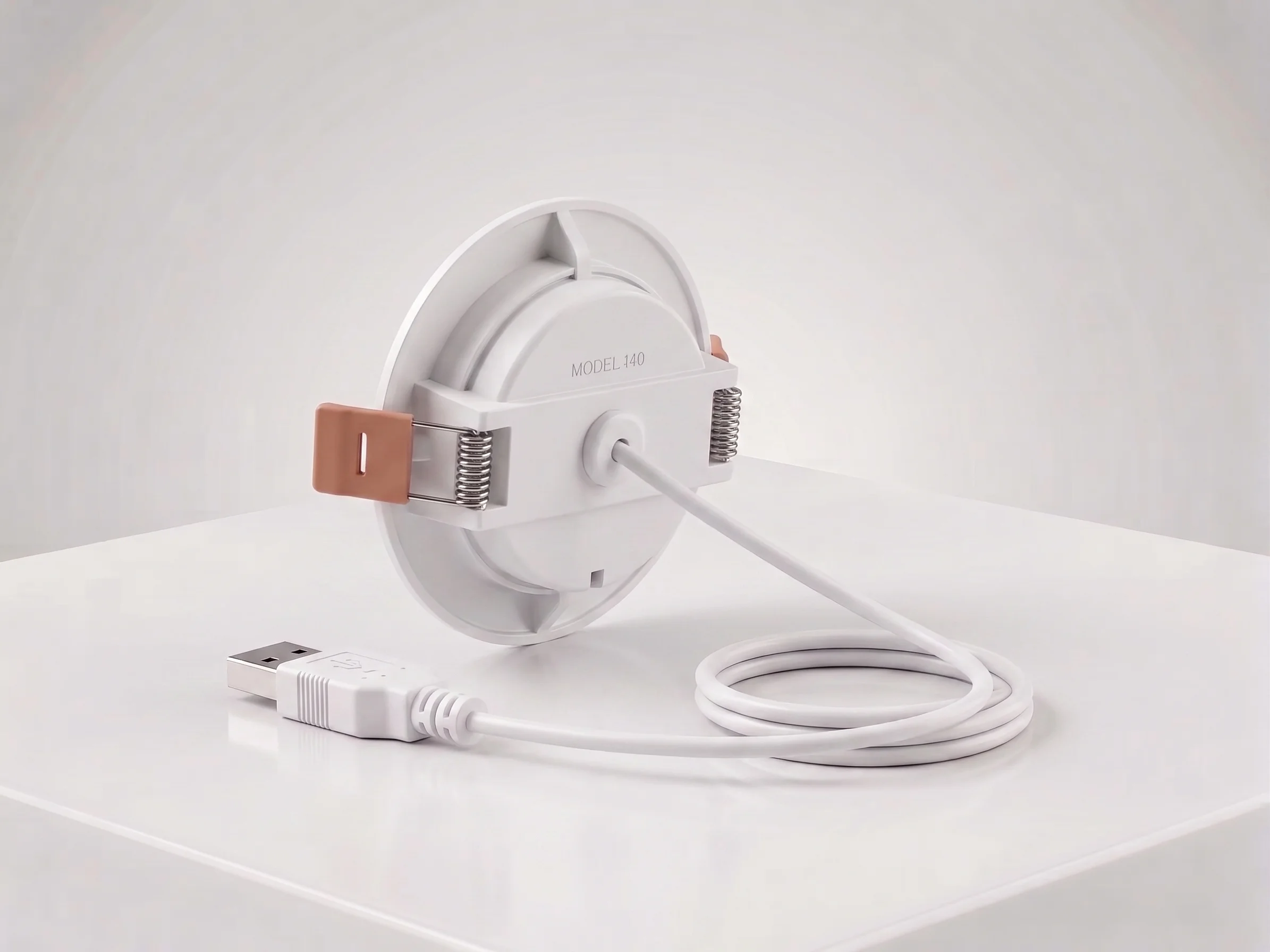
Ceiling Mount mmWave Human Presence Sensor — Matter over Thread
24GHz wideband mmWave ceiling presence sensor with 10m motion, 2.5m micro-motion, and breathing detection. 120° field, DC5V, Matter over Thread. Works natively with Apple Home, Google Home, and Alexa.
This page already points to it as the next recommended reference.
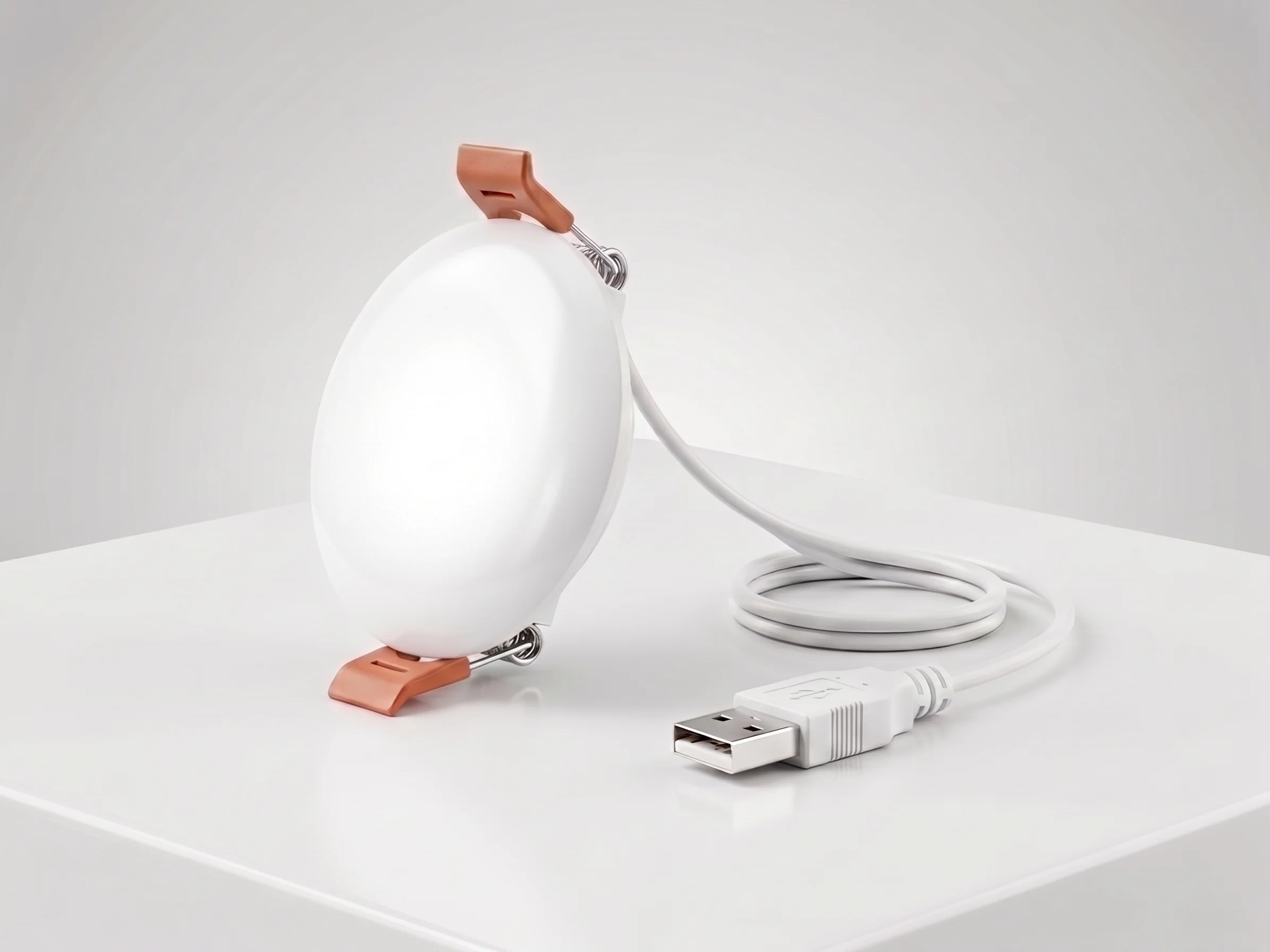
Ceiling Mount mmWave Human Presence Sensor — WiFi
24GHz wideband mmWave ceiling presence sensor with 10m motion detection, 2.5m micro-motion, and breathing detection. 120° field, DC5V, WiFi 2.4GHz. No gateway required for retrofit hotel and apartment projects.
This page already points to it as the next recommended reference.
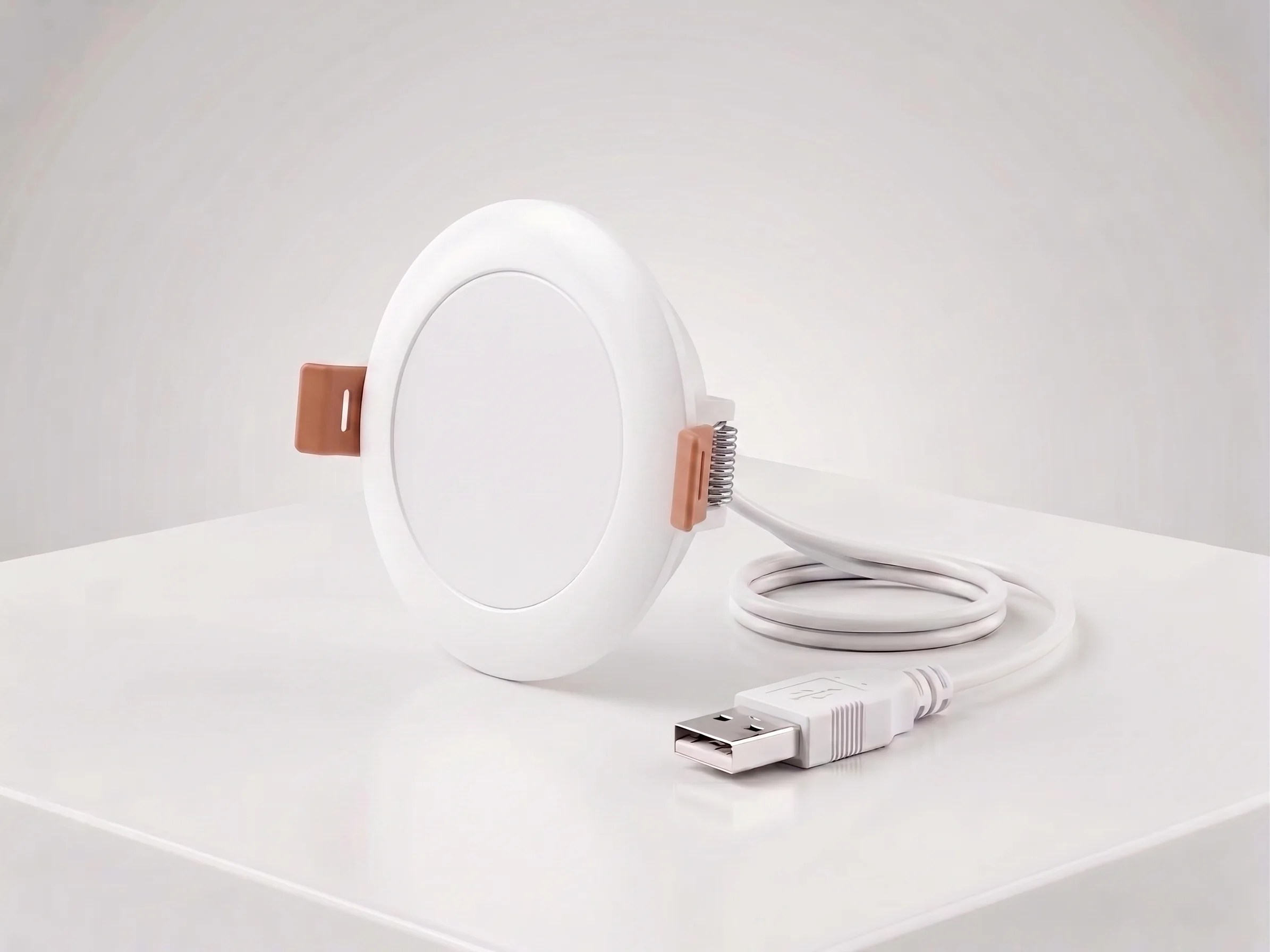
Ceiling Mount mmWave Human Presence Sensor — Zigbee
24GHz wideband mmWave ceiling presence sensor with 10m motion detection, 2.5m micro-motion, and breathing detection. 120° field, DC5V, Zigbee 3.0. For hotel room occupancy and commercial automation.
This page already points to it as the next recommended reference.
Related solutions
1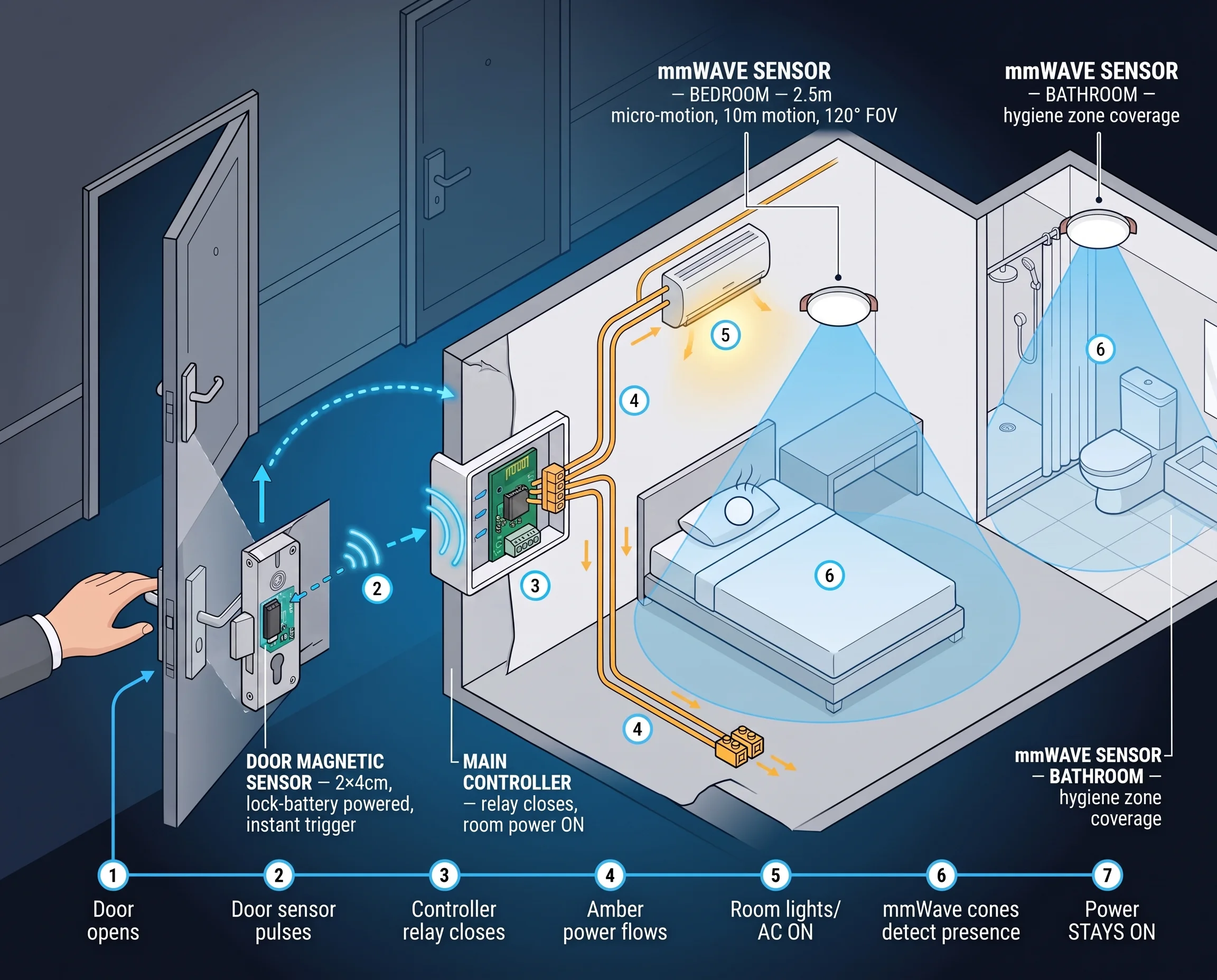
Hotel Room Occupancy & Motion Sensor Solution
mmWave radar presence sensors for hotel room occupancy, housekeeping scheduling, and HVAC energy saving. Detect true occupancy — even when the guest is asleep — with our ceiling-mount hotel room motion sensor.
It supports the same product context: Ceiling Mount mmWave Human Presence Sensor — Zigbee, Ceiling Mount mmWave Human Presence Sensor — WiFi, Ceiling Mount mmWave Human Presence Sensor — Matter over Thread.
Related blog posts
3
60GHz vs 24GHz vs 77GHz mmWave Sensors: Choosing the Right Frequency for Commercial Presence Detection
Compare 60GHz, 24GHz, and 77GHz mmWave sensors for commercial presence detection. Technical specs, detection range, privacy, and OEM sourcing guidance.
It supports the same product context: Ceiling Mount mmWave Human Presence Sensor — Zigbee, Ceiling Mount mmWave Human Presence Sensor — WiFi.
What Is an Electronic Presence Sensor? Technology, Accuracy, and How It Differs From a Motion Sensor
Learn what an electronic presence sensor is, how it detects stationary humans, and how it differs from a PIR motion sensor. Covers mmWave, accuracy, and use cases.
It supports the same product context: Ceiling Mount mmWave Human Presence Sensor — Zigbee, Ceiling Mount mmWave Human Presence Sensor — WiFi, Ceiling Mount mmWave Human Presence Sensor — Matter over Thread.
How to Integrate mmWave Presence Sensors With Home Assistant (Local Control Guide)
Step-by-step local control setup guide for mmWave devices, covering MQTT/Matter config, automation scripts, calibration and OEM ceiling presence sensor integration tips.
It supports the same product context: Ceiling Mount mmWave Human Presence Sensor — Matter over Thread, Ceiling Mount mmWave Human Presence Sensor — WiFi, Ceiling Mount mmWave Human Presence Sensor — Zigbee, Wall Mount mmWave Human Presence Sensor.
Specify your hotel project with our engineers
Send your room count, ceiling type, and protocol preference. We will return a sample plan and quote within 24 business hours.
- Move from general guidance into a product or application discussion.
- Use RFQ when pricing, drawings, MOQ, or launch timing needs structure.
- Keep a direct contact path visible for fast clarifications and handoff.