Presence Sensor Buying Guide: How to Choose the Right Sensor in 2026
A practical presence sensor buying guide covering PIR vs mmWave technology, detection specs, pricing tiers, procurement channels, and supplier selection.
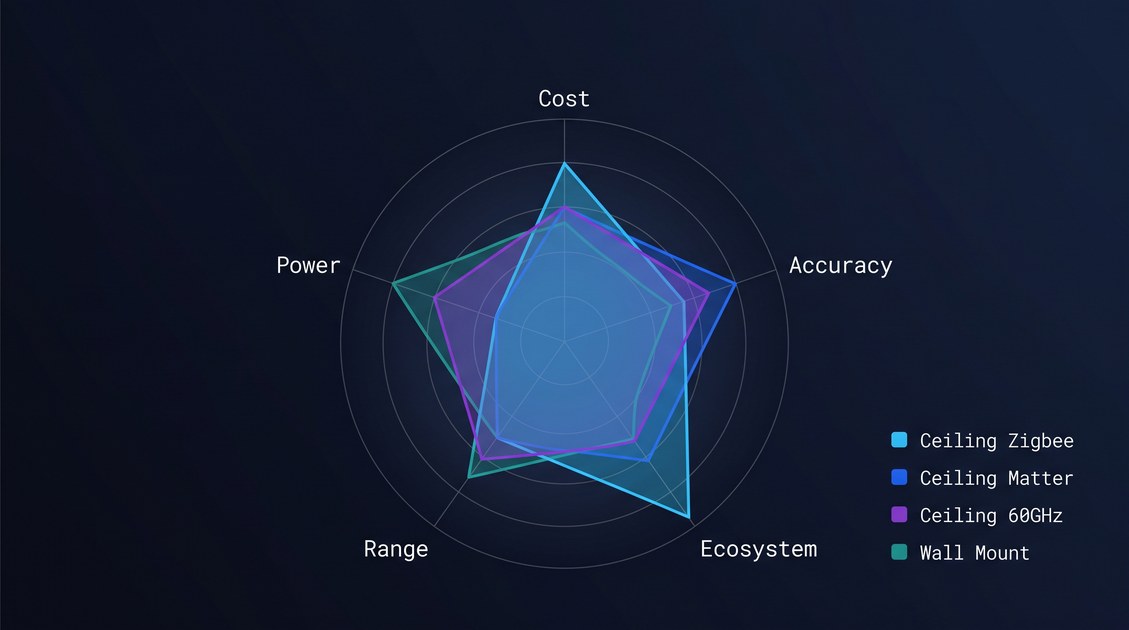
A presence sensor buying guide is a structured decision framework for purchasing an occupancy-detection device, covering sensing technology selection, performance specifications, pricing tiers, procurement channels, and supplier-vetting criteria. The market for presence sensors spans consumer devices under $40 sold through e-commerce marketplaces, mid-market products from $50 to $150 sold through specialized distributors, and OEM-grade modules priced from $3 to $12 per unit at volume, with finished commercial sensors typically costing $50 to $200 per unit. The two dominant sensing technologies are passive infrared (PIR), which detects large body movement at typical ranges of 3 to 6 meters and reacts only to motion, and millimeter-wave radar (mmWave), which detects micro-motion such as breathing at ranges of 6 to 8 meters and reports true occupancy, not merely movement. This guide is written for facility managers, system integrators, procurement professionals, and smart-home buyers who need to buy a presence sensor that matches their detection goals, integration environment, and budget.
The cost of choosing the wrong sensor is rarely the hardware price. A PIR sensor that cannot detect a sleeping person or a seated worker produces the exact failure that presence detection is meant to prevent: rooms left powered or heated when empty, or sensors that switch everything off while a person is still present. A structured buying process based on detection requirements, verified specifications, and channel selection reduces this risk far more than price comparison alone.
Presence Sensor Buying Guide: Understand the Sensing Technologies
The sensing technology determines what the device can and cannot detect, and it is the first decision in any presence sensor buying guide exercise.
Passive Infrared (PIR) Sensors
PIR sensors detect infrared radiation changes caused by a body moving across their field of view. They are energy-efficient, inexpensive, and widely used in lighting and security applications. Their limitation is fundamental: a PIR device detects an infrared event only when a person moves, so a person who is seated, sleeping, or working quietly becomes invisible to the sensor. This is acceptable for walk-through areas such as corridors and stairwells, but it fails precisely where presence detection matters most — hotel rooms, offices, meeting rooms, and bathrooms where occupants are often still.
In a commercial or hospitality setting, choosing PIR because it is cheap usually leads to rework: false-off events that interrupt heating, ventilation, and lighting control, and complaints from occupants who must wave to reactivate a system.
Millimeter-Wave (mmWave) Radar Sensors
mmWave presence sensors transmit radio waves in the 24 GHz or 60 GHz band and analyze the reflected signal to detect both gross movement and micro-motion such as breathing and heartbeat. Because they do not rely on thermal contrast, they can detect a stationary person whether the person is moving, sleeping, or sitting still. A 60 GHz ceiling-mounted mmWave sensor typically detects stationary occupants at 6 to 8 meters with a true-positive rate above 99% in controlled testing and a false-positive rate below 1% over a 24-hour period.
mmWave sensors are the appropriate choice for presence detection in occupied spaces. They support room-occupancy status rather than merely motion-triggered events, which makes them suitable for hotel room power control, office and meeting-room automation, HVAC demand control, elderly-care monitoring, and bathroom occupancy detection. The main trade-offs are higher unit cost than PIR and the need to configure detection zones so that moving objects outside the space do not produce false positives.
Other Technologies in the Market
Several other sensing approaches appear in presence sensor product catalogs. Ultrasonic sensors detect movement through reflected sound waves and function in darkness, but they are sensitive to temperature and air currents. Camera-based sensors analyze video frames to count people; they offer high accuracy but introduce privacy concerns and higher processing cost. Time-of-flight (ToF) sensors measure the distance to objects and work well for short-range counting, but their coverage is narrow and they struggle with larger rooms when a single sensor must cover a full space.
| Technology | Detects stationary person | Range | Privacy | Typical unit price |
|---|---|---|---|---|
| PIR | No | 3–6 m | High | $5–30 |
| mmWave radar | Yes | 6–8 m | High | $30–200 |
| Ultrasonic | Sometimes | 4–7 m | High | $20–80 |
| Camera vision | Yes | 4–10 m | Low | $60–300 |
| Time-of-flight | Yes (short range) | 1–4 m | Medium | $15–60 |
For most buying decisions, the practical choice is between PIR and mmWave. If the requirement is presence detection — knowing whether a person is in the space — mmWave is the technology that meets the requirement. If the requirement is simply walk-through motion triggering in a corridor, PIR remains cost-effective.
Presence Sensor Buying Guide: Define Your Detection Requirements
Before comparing products, define the detection scenario, because every downstream decision — technology, antenna pattern, mounting, and budget — follows from it. This section walks through the requirement questions that matter.
What, Where, and When Must the Sensor Detect?
List the physical reality of the space. What is being detected: a person in a hotel room, an employee at a desk, a patient in a care bed, a visitor in a restroom? Where is the sensor mounted: ceiling, wall, or above a doorway? What is the room geometry: 15 square meters or 80 square meters, with furniture that blocks line of sight? When must detection be reliable: during business hours, overnight, or continuously?
Critically, Must the Sensor Detect a Stationary Person?
This single question determines the technology. If the occupant can be still or asleep — hotel rooms, offices, meeting rooms, bathrooms, hospital rooms — the sensor must detect micro-motion, and PIR is disqualified regardless of price. If the space only ever sees people moving through (corridors, stairwells, storage aisles), PIR may be sufficient.
What Happens on a False Positive or False Negative?
Presence sensors normally control something: power, lighting, HVAC, or security. Assign a consequence to each error mode. A false off in a hotel bathroom leaves a guest in darkness and triggers a support call. A false positive in a conference room wastes energy on an empty space but is usually invisible. The cost of the error determines how much detection accuracy is worth paying for.
What Is the Deployment Scale?
A single-room test differs from a 200-room hotel rollout. Deployment scale affects the channel (retail versus distributor versus direct manufacturer), the required support level (documentation, integration help, spare units), and the pricing tier. Volume requirements of 500 units or more generally justify negotiating directly with a manufacturer rather than buying through a reseller.
Once these questions are answered, the requirement profile becomes a short specification: technology (mmWave for stationary occupancy), detection range, mounting, connectivity, and error tolerance. This specification is what you use to evaluate every candidate product.
Presence Sensor Buying Guide: Evaluate Key Technical Specifications
With the requirement profile defined, evaluate candidate products against concrete numbers rather than marketing language. The following specifications matter most.
Detection Performance Metrics
The core metrics for a presence sensor are its true-positive rate (TPR) for stationary occupancy, its false-positive rate (FPR), its detection range, and its detection latency. Ask the manufacturer for test methodology, not just claimed numbers. A credible supplier reports how TPR was measured: room size, mounting height, body position, and number of test subjects. A claim of 99% TPR without a test protocol is a marketing number, not a specification.
Frequency Band and Coverage
For mmWave sensors, the frequency band shapes the detection physics. A 24 GHz sensor consumes less power and is adequate for basic presence in small spaces, with detection range typically 4 to 6 meters. A 60 GHz sensor offers a narrower beam with better resolution for stationary detection and multi-zone presence, typically reaching 6 to 8 meters for a ceiling-mounted unit. A 77 GHz sensor is used for long-range industrial applications. For indoor occupancy, 60 GHz is the common default; 24 GHz suits cost-sensitive or battery-driven applications.
Coverage also depends on the antenna pattern. A ceiling-mounted sensor with a broad azimuth pattern covers more floor area but may require zone configuration to exclude motion behind doors or outside windows. Verify the field of view specification (typical values are ±60° azimuth and ±40° elevation for a ceiling-mounted presence sensor) and compare it against the room dimensions.
Connectivity and Integration
Choose connectivity to match the existing control infrastructure. Common options in this product category include:
- Zigbee: low-power mesh networking, well suited to hotel and building automation integration
- WiFi: direct connection to an existing office or building network
- Matter: an emerging standard aimed at smart-home interoperability
- BACnet or Modbus: for integration with building management systems
- Dry contact or relay output: for retrofitting simple power and lighting circuits without a network
A sensor outputting only a proprietary status to a phone app is not a presence sensor you can integrate into a building system. Confirm in writing that the device publishes occupancy state to the protocol your project uses.
Certifications and Compliance
The product must carry the certifications required by the target market, commonly FCC (United States), CE (European Union), and RoHS (hazardous-substance compliance). Regional markets may add requirements such as UKCA or market-specific radio approvals. Ask for the certificate copies before committing to a purchase, and confirm the certificate is held for the specific model being purchased, not for an unspecified variant.
Presence Sensor Buying Guide: Understand Pricing and Total Cost
Presence sensor prices span a wide range, and unit price is only the first line of total cost. This section provides realistic reference points and shows what drives the differences.
Realistic Price Reference Points
Pricing varies by channel, technology, and volume. Typical reference points for mmWave-based presence sensors:
| Volume tier | Consumer-grade | Commercial-grade | OEM module |
|---|---|---|---|
| Retail (1–10 units) | $30–80 | $80–200 | $50–300 |
| Wholesale (100–1,000 units) | $20–60 | $50–150 | $20–100 |
| High volume (10,000+ units) | n/a | $30–60 | $3–12 |
PIR-based devices are typically 40–60% cheaper than the mmWave equivalents in the same tier, which is the price difference that buys stationary-occupant detection.
Beyond the Unit Price
Four cost items are routinely forgotten. Integration engineering time is the largest: wiring, configuration, and commissioning hours exceed hardware cost for mid-size projects. Connectivity infrastructure matters if the deployment requires gateways, repeaters, or a new network segment that did not exist before. Compliance and shipping include customs, duties, and the cost of certificates if the product must be re-tested for a market. Finally, spare units and support: a hotel that deploys 200 sensors should budget 3–5% spares and a support agreement, because a single failed unit in a room is an urgent call.
A disciplined buying process compares total cost of ownership, not unit price. A $60 sensor that is configured and commissioned in 10 minutes may be cheaper overall than a $35 sensor that requires two hours of integration per room.
Presence Sensor Buying Guide: Choose the Right Procurement Channel
Where you buy determines price, support, and the reliability of what you receive. Match the channel to project scale and technical capability.
Retail and E-Commerce Marketplaces
Retail channels such as Amazon, AliExpress, and local electronics stores are appropriate for single-unit purchases, home use, and evaluation of a device before scaling. The advantages are fast delivery and low commitment; the limitations are thin technical documentation, no integration assistance, and the risk of counterfeit or un-certified units in the consumer electronics gray market. Treat a retail purchase as an evaluation step, not the sourcing model for a commercial deployment.
Specialized Distributors and Integrators
For projects deploying tens to hundreds of sensors, specialized distributors in building automation, lighting control, security, and IoT supply chains offer verified product lines, volume pricing typically 10–20% below retail, documented integration paths, and local support. The distributor relationship is the right vehicle for a first commercial rollout, especially when installation is handled by electrical contractors who need engineering support.
Direct Manufacturer Sourcing
For OEM integration, hotel chains standardizing on a platform, and high-volume deployments (hundreds to thousands of units), buying directly from the manufacturer yields the lowest unit price, full technical documentation, engineering support, and the option of custom firmware or packaging. Manufacturer-direct sourcing also provides the clearest visibility into production and lead times, which matters when a project schedule depends on delivery. The trade-off is that the buyer carries the integration work that a distributor would otherwise absorb.
Whichever channel is chosen, buy from an entity that can document the product: datasheet, test report, certification, and firmware version. A purchase with no documentation is a liability regardless of channel.
Presence Sensor Buying Guide: Vet Suppliers and Manufacturers
Supplier verification separates a working deployment from a recurring problem. Even with the right product, a supplier that cannot answer technical questions or deliver on schedule will sink the project. Run candidates through a structured checklist.
What to Verify Before Buying
Before committing, verify five things. Company substance: check how long the supplier has operated, where the products are manufactured, and whether the company answers technical questions directly. Product documentation: request the datasheet, mounting guide, integration documentation, and firmware release notes before purchase. Test evidence: ask for the independent test report behind the true-positive rate claim, and note whether the supplier can produce one. Certification copies: request current FCC, CE, and RoHS documents in the name of the model you will buy. Reference projects: ask for deployments in the same vertical (hotels, offices, healthcare) with the same scale as yours, and check whether the references are contactable.
A practical test beats documents: buy a sample, install it in your real environment, and measure the results against the requirement profile. A sample order of one to five units is standard in this market and is the most reliable vetting step available.
Red Flags to Avoid
Walk away from suppliers who cannot produce a datasheet in a standard format, who quote detection performance without a test methodology, who are vague about the country or facility of manufacture, who ask for full payment before offering any sample or contract, or who do not answer technical questions within a stated response time. These signals predict integration and support problems far more reliably than any marketing comparison.
Presence Sensor Buying Guide: Avoid Common Purchase Mistakes
The following mistakes account for most failed presence sensor projects, and each is avoidable with the earlier steps of this guide.
- Buying PIR where stationary occupancy is the requirement. This is the most expensive mistake in the category, because the failure appears only after installation and rework is charged twice.
- Comparing unit prices instead of total cost. Integration time, gateways, spares, and support routinely exceed the hardware price.
- Trusting performance claims without a test protocol. If the supplier cannot describe how a 99% TPR was measured, treat the number as unverified.
- Ignoring the field of view. A sensor with a narrow pattern covering only part of a room produces false-off events at the edges of the space.
- Skipping the sample order. Deployment-scale buying without a real-environment test converts a solvable specification problem into an unmanaged field problem.
- Overlooking integration output. A sensor whose status cannot reach the control system you use is a sensor that cannot serve the project.
- Ignoring documentation. Products without datasheets and firmware versioning are maintenance risks over the life of the deployment.
Presence Sensor Buying Guide: Make Your Final Decision
A sound buying process ends with a side-by-side comparison of the shortlisted products against the requirement profile, followed by a sample-based pilot.
The Decision Checklist
Score each shortlisted product on six dimensions: technology fit (does it detect what must be detected?), verified performance (is the TPR backed by test data?), integration fit (does the output reach the control system?), total cost (all-in per deployed unit), supplier substance (documentation, references, support), and compliance (certificates for the target market). Weight the dimensions by the project's priorities; for a hotel deployment, integration fit and false-positive behavior outweigh unit price, while for a cost-constrained office rollout, total deployed cost may dominate.
The Pilot Deployment
Commit to a pilot before the volume order. Install the sample in the real space, configure the detection zones, run it for at least one week, and measure false positives, false negatives, latency, and integration reliability against the requirement profile. Use the pilot results to renegotiate price and delivery with the chosen supplier. A pilot of five units is proportionate for a project of hundreds; for larger rollouts, run the pilot across several room types.
Where Each Buyer Should Land
A residential buyer with a smart-home protocol in place should buy a consumer-grade mmWave sensor with Matter, Zigbee, or WiFi support from a retail channel, starting with one unit to validate the integration. A facility manager deploying 50 to 500 sensors should buy commercial-grade mmWave sensors through a specialized distributor or directly from a manufacturer, negotiate a support agreement, and allocate spares. An OEM embedding presence detection should source OEM-grade modules directly from manufacturers, negotiate custom firmware and lead times, and validate the module against the target product's requirements. In every case, the presence sensor buying guide conclusion is the same: specify the requirement, verify the claim, sample before you scale, and buy from a supplier who documents the product.
A presence sensor is a control input, not a commodity. The right sensor stays invisible to occupants and earns its cost in energy and operating efficiency; the wrong sensor generates complaints and rework. Working through technology selection, specification, channel, and supplier verification before spending money is the difference between the two outcomes.
Not sure which sensor fits your project?
Talk to our mmWave application engineers for a free consultation.
Find the right presence sensor for your hotel project
Compare the 3 protocols, check hotel-specific case studies, and download the installation guide
Related products
3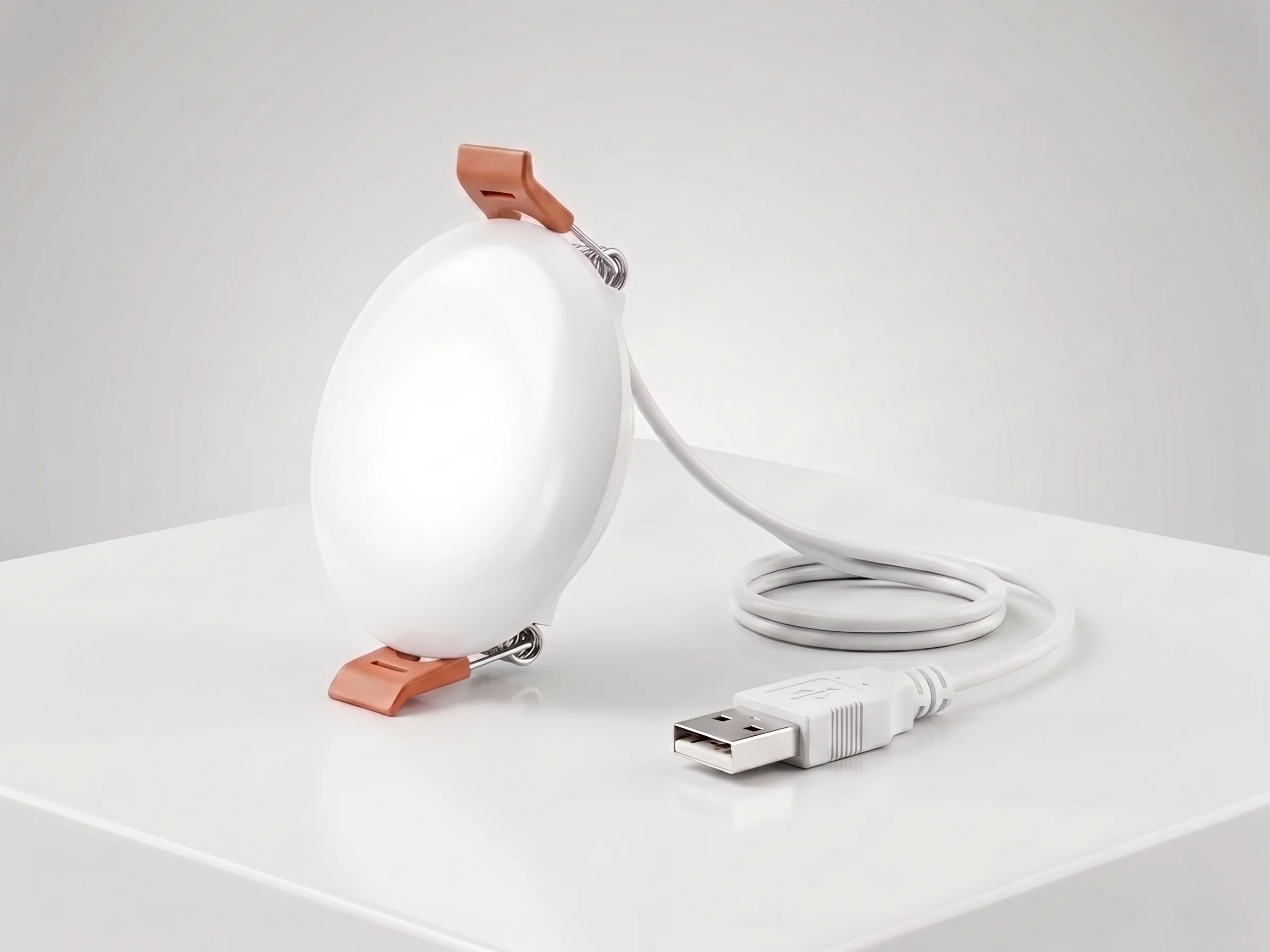
Ceiling Mount mmWave Human Presence Sensor — WiFi
24GHz wideband mmWave ceiling presence sensor with 10m motion detection, 2.5m micro-motion, and breathing detection. 120° field, DC5V, WiFi 2.4GHz. No gateway required for retrofit hotel and apartment projects.
This page already points to it as the next recommended reference.
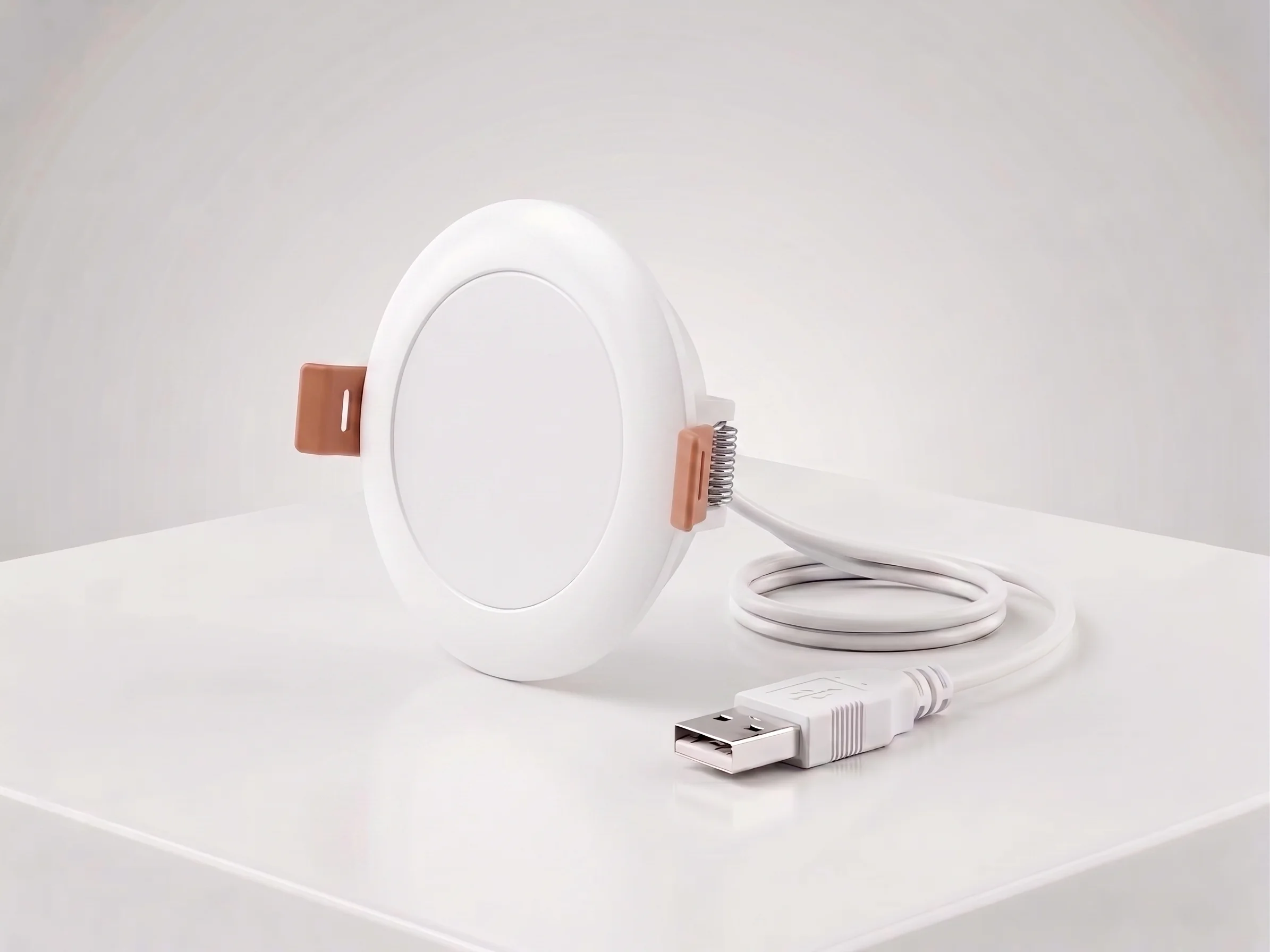
Ceiling Mount mmWave Human Presence Sensor — Zigbee
24GHz wideband mmWave ceiling presence sensor with 10m motion detection, 2.5m micro-motion, and breathing detection. 120° field, DC5V, Zigbee 3.0. For hotel room occupancy and commercial automation.
This page already points to it as the next recommended reference.
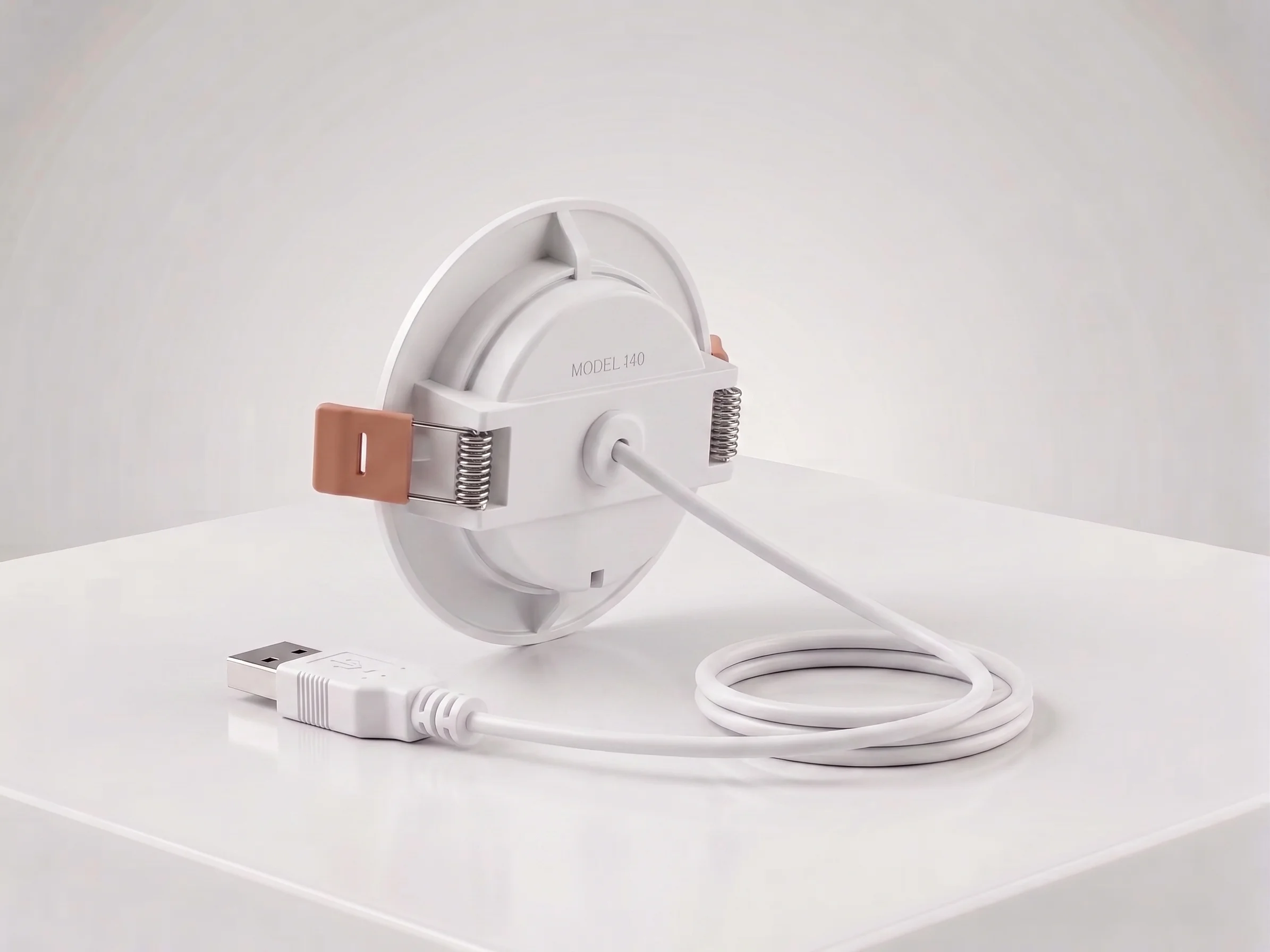
Ceiling Mount mmWave Human Presence Sensor — Matter over Thread
24GHz wideband mmWave ceiling presence sensor with 10m motion, 2.5m micro-motion, and breathing detection. 120° field, DC5V, Matter over Thread. Works natively with Apple Home, Google Home, and Alexa.
This page already points to it as the next recommended reference.
Related solutions
1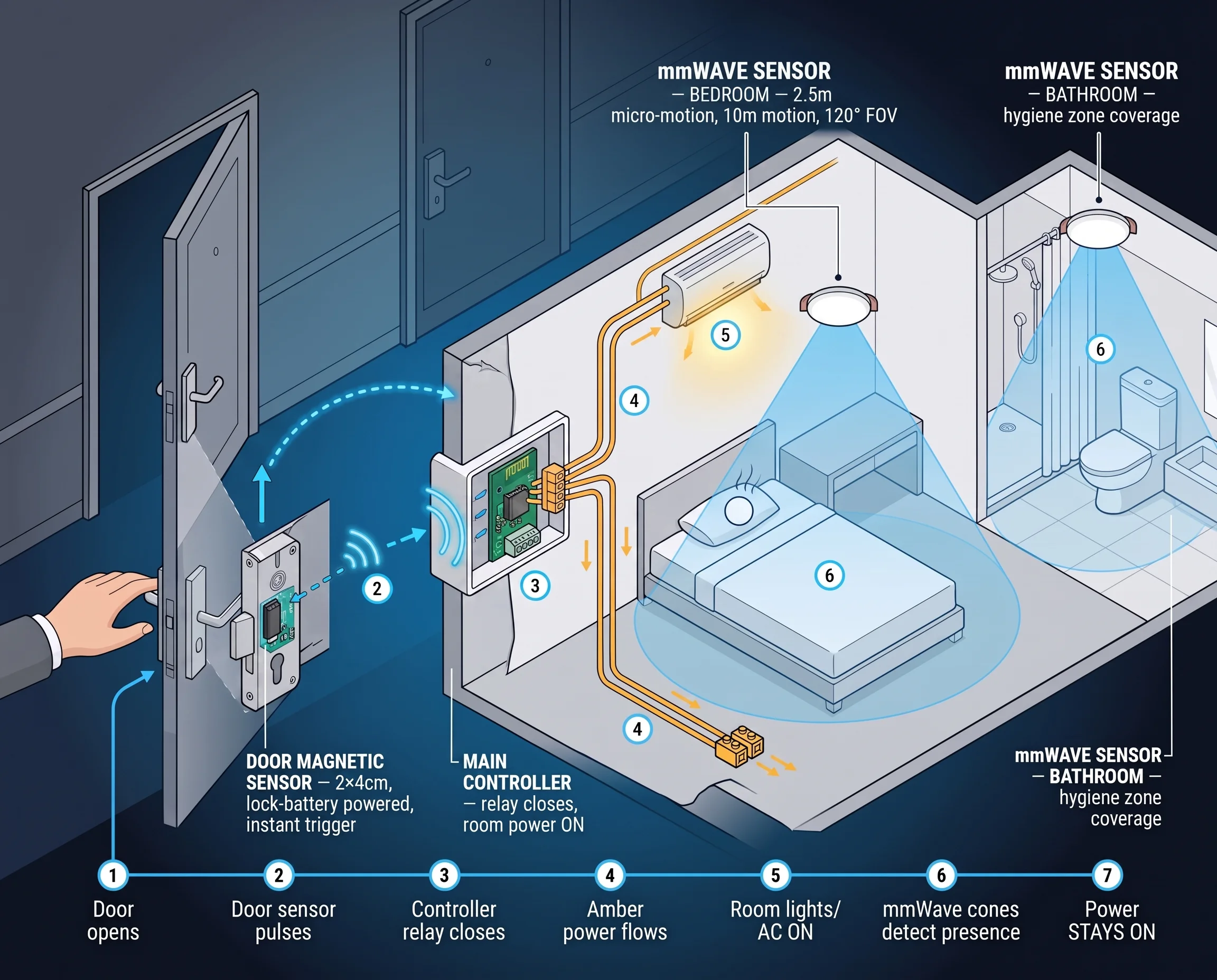
Hotel Room Occupancy & Motion Sensor Solution
mmWave radar presence sensors for hotel room occupancy, housekeeping scheduling, and HVAC energy saving. Detect true occupancy — even when the guest is asleep — with our ceiling-mount hotel room motion sensor.
It supports the same product context: Ceiling Mount mmWave Human Presence Sensor — Zigbee, Ceiling Mount mmWave Human Presence Sensor — WiFi, Ceiling Mount mmWave Human Presence Sensor — Matter over Thread.
Related blog posts
3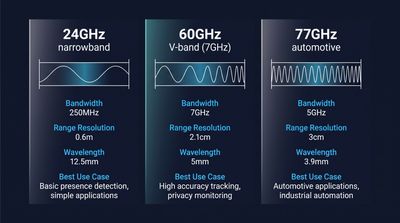
60GHz vs 24GHz vs 77GHz mmWave Sensors: Choosing the Right Frequency for Commercial Presence Detection
Compare 60GHz, 24GHz, and 77GHz mmWave sensors for commercial presence detection. Technical specs, detection range, privacy, and OEM sourcing guidance.
It supports the same product context: Ceiling Mount mmWave Human Presence Sensor — Zigbee, Ceiling Mount mmWave Human Presence Sensor — WiFi.
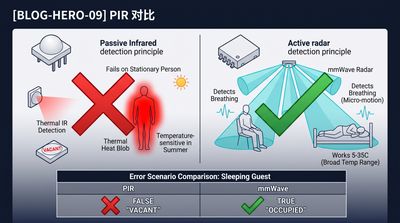
What Is an Electronic Presence Sensor? Technology, Accuracy, and How It Differs From a Motion Sensor
Learn what an electronic presence sensor is, how it detects stationary humans, and how it differs from a PIR motion sensor. Covers mmWave, accuracy, and use cases.
It supports the same product context: Ceiling Mount mmWave Human Presence Sensor — Zigbee, Ceiling Mount mmWave Human Presence Sensor — WiFi, Ceiling Mount mmWave Human Presence Sensor — Matter over Thread.
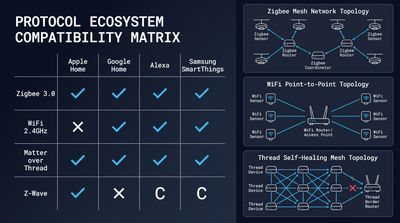
How to Integrate mmWave Presence Sensors With Home Assistant (Local Control Guide)
Step-by-step local control setup guide for mmWave devices, covering MQTT/Matter config, automation scripts, calibration and OEM ceiling presence sensor integration tips.
It supports the same product context: Ceiling Mount mmWave Human Presence Sensor — Matter over Thread, Ceiling Mount mmWave Human Presence Sensor — WiFi, Ceiling Mount mmWave Human Presence Sensor — Zigbee.
Specify your hotel project with our engineers
Send your room count, ceiling type, and protocol preference. We will return a sample plan and quote within 24 business hours.
- Move from general guidance into a product or application discussion.
- Use RFQ when pricing, drawings, MOQ, or launch timing needs structure.
- Keep a direct contact path visible for fast clarifications and handoff.