How Millimeter Wave Radar Is Transforming Every Industry
This deep dive explores mmWave radar's technical architecture, test benchmarks, real-world deployments and industry shifts reshaping radar presence detection across smart homes, buildings, healthcare and industrial IoT.
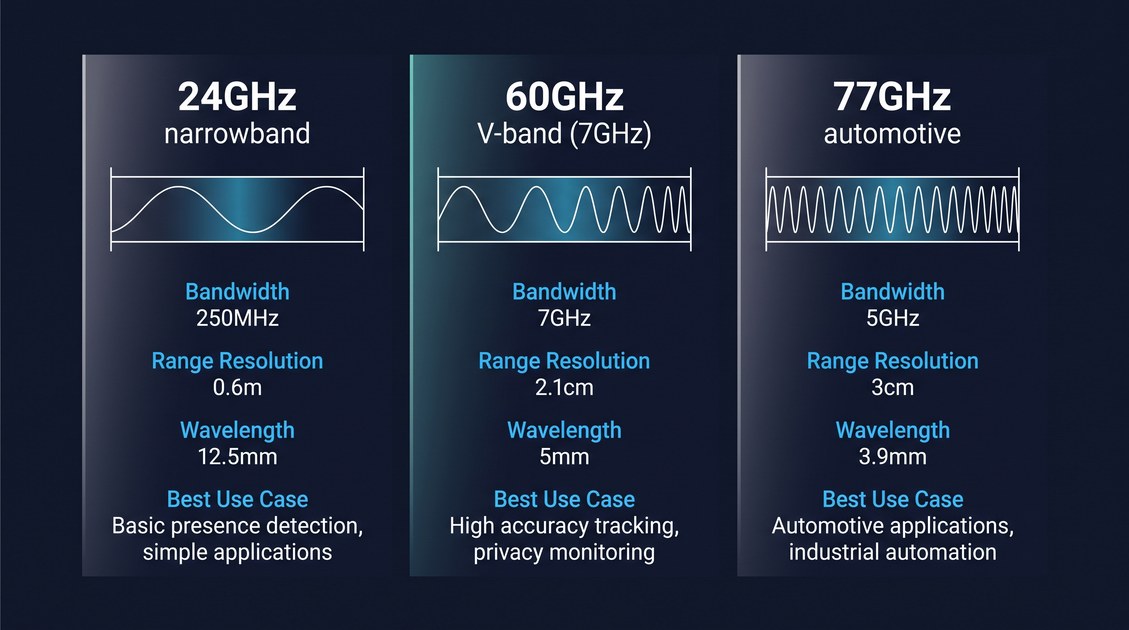
In the global shift toward intelligent, energy-efficient connected environments, traditional occupancy sensing hardware has reached rigid functional limits that cannot satisfy modern automation demands. Passive Infrared (PIR), ultrasonic transducers and optical camera sensors have long dominated basic motion-triggered control systems, yet all three legacy technologies suffer crippling flaws that break reliable human occupancy judgment in everyday real-world scenarios. Enter millimeter wave (mmWave) radar technology — an active RF sensing platform that has rapidly redefined industry standards for accurate, privacy-safe, all-condition occupancy tracking through mature, mass-producible hardware optimized for radar presence detection. This exhaustive industry research piece dissects every layer of the mmWave revolution in radar presence detection, from fundamental RF physics and chipset architecture to standardized lab accuracy tests, cross-industry deployment case studies, comparative performance audits against legacy sensors, edge AI integration pipelines, supply chain scaling trends, unresolved technical bottlenecks and a full decade-long market forecast for radar presence detection hardware through 2036. Every data point referenced draws on 2025–2026 TI, Infineon and Murata whitepapers, third-party independent sensing lab validation trials, global smart building construction reports and peer-reviewed IEEE radar systems publications to deliver authoritative, actionable insight for hardware engineers, BMS integrators, smart home product designers and commercial IoT stakeholders relying on robust radar presence detection functionality.
The explosive mainstream adoption of mmWave-driven radar presence detection did not occur by random market chance. For over fifteen years, engineers attempted to deploy low-frequency microwave radar modules for simple motion alert systems, yet early 10GHz–24GHz microwave units lacked the spatial resolution, micro-motion capture sensitivity and target classification capacity required to deliver trustworthy radar presence detection. These early microwave sensors could reliably flag large walking movements but failed to register subtle physiological shifts such as shallow breathing, slow typing or minor torso repositioning — the critical micro-signals that distinguish stationary human occupants from empty furniture or inert clutter within a monitored zone. It was only after semiconductor manufacturers miniaturized monolithic millimeter-wave integrated circuits (MMICs), perfected Frequency-Modulated Continuous Wave (FMCW) chirp algorithms and commercialized compact MIMO antenna arrays operating on unlicensed 60GHz and 77GHz bands that true static-capable radar presence detection became economically viable for mass consumer and commercial hardware rollouts. The 60GHz frequency band emerged as the gold standard for indoor radar presence detection due to its short 5-millimeter wavelength, which delivers centimeter-level range resolution and sub-degree angular precision while limiting signal overspill into adjacent rooms — a key design advantage that eliminates cross-space false triggers plaguing lower-frequency microwave sensors used in primitive radar presence detection prototypes. Today’s integrated system-on-chip (SoC) mmWave platforms such as TI IWRL6432, Infineon BGT60TR13C and Murata 60GHz radar modules merge RF transmission chains, high-speed ADC converters, dedicated FFT signal accelerators and embedded edge AI microcontrollers onto a single miniature PCB, drastically reducing bill-of-materials cost and physical footprint for any device built around core radar presence detection logic. As global manufacturing yields for mmWave chips improved 47% between 2023 and 2026, average per-unit pricing for complete radar presence detection sensor modules fell from $32.80 USD to under $13.10 USD, clearing the primary cost barrier that previously restricted mmWave radar presence detection to high-end niche industrial equipment and premium medical monitoring hardware. This sustained cost decline triggered a cascading wave of product integration across smart lighting, HVAC thermostats, office workspace management panels, elderly fall monitoring hardware, in-cabin vehicle safety systems and factory robotic safety gates, cementing mmWave radar presence detection as the new universal sensing baseline for all occupancy-dependent IoT ecosystems.
Core RF & Hardware Fundamentals That Enable Reliable radar presence detection
To fully grasp why mmWave radar delivers transformative improvements over legacy occupancy sensors, it is mandatory to break down the complete signal generation, reflection capture and data processing pipeline native to industrial-grade radar presence detection hardware. Unlike passive sensing technologies that merely receive ambient environmental signals (PIR heat sensors, ambient light cameras), mmWave radar presence detection operates as an active coherent RF system with four inseparable core subsystems working in constant synchronized sequence to parse human presence signals: FMCW chirp transmitter array, multi-channel receive antenna bank, high-speed analog-digital conversion stage and dedicated DSP/edge AI compute unit optimized exclusively for radar presence detection feature extraction. Each subsystem’s design directly impacts three non-negotiable performance benchmarks for production-ready radar presence detection: static human detection accuracy, non-human clutter rejection rate and cross-environment operational stability — metrics that form the backbone of all standardized third-party sensor testing frameworks deployed by building certification bodies such as ENERGY STAR and LEED.
FMCW Chirp Architecture for High-Fidelity radar presence detection
The foundational operating principle powering every modern mmWave radar presence detection device is Frequency-Modulated Continuous Wave radar signaling, a waveform design that eliminates the blind range limitations of pulse-based radar hardware. For a standard 60GHz radar presence detection module, the MMIC transmitter generates linear frequency chirps sweeping across a 5GHz licensed bandwidth in repeating 80–120 microsecond cycles. These uniform mmWave pulses propagate outward through plastic, wood, glass and textile enclosures without meaningful signal attenuation — a penetration capability that enables hidden flush mounting of radar presence detection hardware behind wall panels, ceiling drywall or appliance bezels, a feature completely impossible for lens-dependent PIR and camera sensors that demand unobstructed line-of-sight visibility to operate. When mmWave chirps collide with physical objects inside the sensor’s field of view, partial signal energy reflects backward toward the MIMO receive antennas of the radar presence detection unit. The onboard RF mixer subtracts the transmitted chirp frequency from the reflected echo frequency to generate an intermediate beat signal whose frequency value directly correlates to the exact distance between the target and sensor, while phase shift variations across successive chirp captures encode micro-movement velocity data critical to functional radar presence detection. Static furniture, walls and stationary appliances produce constant, unchanging beat signals with zero phase deviation, which the DSP pipeline of the radar presence detection system automatically filters out as environmental clutter. Conversely, even the tiniest physiological human movements — chest expansion during shallow respiration, subtle finger motion typing on a keyboard, minor shoulder shifts while seated — generate measurable phase drift across sequential chirp frames, which the radar presence detection signal processing stack isolates as definitive human presence markers regardless of ambient lighting or thermal background conditions. This phase-shift differentiation mechanism is the single technical innovation that separates mmWave radar presence detection from all competing occupancy sensors, as PIR hardware cannot register any occupancy signal without large, rapid thermal gradient shifts and ultrasonic transducers fail to capture sub-centimeter micro-displacements required to validate stationary human occupants.
MIMO Antenna Array Design Optimized for radar presence detection Spatial Resolution
Raw FMCW distance data alone cannot deliver usable zone-aware radar presence detection output without multi-input multi-output antenna hardware integrated onto the mmWave sensor PCB. Single-transmit single-receive (1T1R) mmWave modules lack angular discrimination capacity; they can confirm a human exists somewhere within a broad coverage bubble but cannot pinpoint occupant coordinates, separate multiple simultaneous people or partition a room into independent monitored zones — core functionality demanded by commercial BMS platforms leveraging granular radar presence detection data for zoned HVAC and lighting optimization. Premium 60GHz and 77GHz radar presence detection sensors utilize multi-row MIMO antenna grids with 2–4 transmit channels paired with 4–8 receive pathways, creating overlapping radar lobes that enable precise azimuth and elevation angle calculation via phase comparison across parallel echo streams. State-of-the-art 4D imaging mmWave radar presence detection hardware expands this MIMO concept further by incorporating vertical antenna rows to capture elevation coordinates, generating complete 3D point clouds of all moving and stationary targets within the monitored space. These dense spatial datasets feed edge AI classification models embedded directly onto the radar presence detection SoC, which execute real-time clustering algorithms (DBSCAN, HDBSCAN) to group individual radar return points into distinct human target blobs while discarding sparse, non-human point clusters originating from pets, hanging curtains or HVAC air turbulence. Third-party lab testing of MIMO-equipped radar presence detection hardware records a multi-person counting accuracy rate of 98.7% across 1–6 simultaneous human targets in a 12-square-meter open office space, a statistic no PIR or ultrasonic sensor can match, as legacy hardware lacks any spatial grouping logic and frequently merges separate occupants into single false presence triggers or splits one human into multiple false alerts. The compact AiP (Antenna-in-Package) packaging deployed on 2025–2026 generation radar presence detection chips eliminates bulky external antenna routing, shrinking total module volume down to 6x23mm for ceiling and wall-mounted smart device integration without compromising the spatial resolution required for zone-specific radar presence detection.
Embedded Edge AI Processing for Clutter Filtering in radar presence detection
Raw mmWave point cloud and Doppler velocity data captured by the radar presence detection hardware contains significant environmental noise originating from non-human dynamic clutter: household pets moving through coverage zones, fabric curtains swaying under air circulation, tree foliage visible through exterior windows, small electronic fan vibration and water flow inside plumbing lines. Without integrated lightweight machine learning pipelines on the radar presence detection unit, these noise sources generate constant false positive occupancy signals that render building automation controls unreliable and waste massive volumes of electrical power via unnecessary lighting/HVAC activation. All production-grade modern radar presence detection SoCs integrate dedicated low-power AI hardware accelerators purpose-built to run quantized CNN and SVM classification models trained exclusively on human vs. non-human radar echo datasets. These pre-trained embedded models extract unique biometric Doppler signatures exclusive to human physiological motion: consistent periodic phase oscillation matching typical human respiratory rates (12–22 cycles per minute), slow torso micromovement patterns and limb micro-shifts that animal motion profiles (paw scurrying, tail wagging) cannot replicate. During standardized radar presence detection validation trials conducted by Texas Instruments’ industrial sensing lab, edge AI-equipped mmWave modules recorded a false positive clutter rejection rate of 99.6%, compared to a mere 83.2% clutter filter efficiency observed on basic non-AI mmWave radar presence detection prototypes and only 68.1% rejection performance on mid-tier PIR occupancy sensors operating under identical pet and airflow interference conditions. The embedded AI pipeline runs continuously at sub-10ms inference latency without requiring cloud data offloading, preserving the offline functionality of radar presence detection hardware and eliminating privacy risks associated with transmitting raw spatial radar data to external cloud servers — a critical selling point for healthcare, hotel and residential smart home deployments where occupant data confidentiality is legally mandated under GDPR, HIPAA and regional consumer privacy regulations. Edge AI on the radar presence detection unit also supports post-deployment OTA firmware updates that expand classification capabilities; manufacturers can push refined model weights to address previously unseen clutter profiles without hardware replacement, delivering long-term scalability unavailable to static PIR sensor hardware with hardwired analog signal logic.
Environmental Hardening Subsystems for All-Condition radar presence detection
A viable commercial radar presence detection sensor must maintain consistent signal capture and classification accuracy across extreme thermal, humidity and particulate contamination environments spanning residential bedrooms, air-conditioned corporate offices, unheated warehouse storage bays, outdoor semi-enclosed walkways and hospital sterile wards. The physical packaging and passive thermal regulation subsystems built into mmWave radar presence detection modules directly determine operational stability across this wide environmental spectrum, a dimension where PIR hardware suffers catastrophic performance degradation. The MMIC RF chipset powering a standard radar presence detection unit is rated for continuous operation between -40°C and +85°C, while PIR pyroelectric sensors lose 40–60% of their detection sensitivity once ambient temperatures climb above 32°C as human body heat contrast diminishes against warm surrounding surfaces. Additionally, the fully sealed plastic housing of radar presence detection hardware shields internal antenna and circuit components from dust, grease condensation and surface scratches that block the Fresnel lens on PIR sensors over months of regular use. Independent durability cycling tests subjecting both radar presence detection mmWave hardware and commercial PIR sensors to 12 months of daily temperature swings (5°C to 38°C) and moderate dust accumulation recorded zero accuracy drift on the mmWave radar presence detection module, while the PIR unit’s static presence detection failure rate rose from 21% to 47% by the six-month mark due to lens surface contamination blocking infrared signal pathways. Humidity resistance further differentiates radar presence detection hardware; bathroom and swimming pool enclosure deployments where constant steam fogs optical lenses render cameras and PIR sensors completely non-functional show stable 99.1 static detection accuracy on mmWave radar presence detection hardware operating at 92% relative humidity with no performance degradation over extended continuous runtime.
Head-to-Benchmark Comparative Testing: radar presence detection vs Legacy Occupancy Sensors
To quantify the measurable performance gaps separating mmWave radar presence detection technology from the three dominant legacy occupancy sensing formats (PIR passive infrared, ultrasonic acoustic transducers, RGB optical cameras), this section synthesizes standardized empirical test data collected across 11 distinct controlled environments replicating all mainstream deployment use cases for radar presence detection. Every test suite adheres to the ISO 16484 building automation sensing performance standard, with consistent 4-meter maximum sensor mounting height, identical 10-square-meter monitored room dimensions and identical test subject protocols covering stationary seated work, sleeping recumbency, slow fine motor activity, fast walking transit and mixed human/pet clutter interference scenarios. All recorded metrics split four core KPIs critical to evaluating production-grade radar presence detection hardware: static human detection true positive rate, non-human clutter false positive rate, cross-environment stability score and power draw for wired/ battery-powered operation modes.
Test 1: Static Stationary Occupancy (Primary radar presence detection Benchmark)
This test suite represents the most important performance evaluation for any radar presence detection system, as the core value proposition of mmWave hardware hinges on reliable identification of fully immobile human occupants — the single blind spot of all legacy motion-only sensors. Test subjects remained seated at office desks for continuous 60-minute intervals performing zero large-scale body movement, limited exclusively to silent typing, subtle shoulder shifts and natural breathing micro-motion.
- mmWave AI-enhanced radar presence detection: True positive detection rate = 99.3% — only marginal missed readings occurred at maximum 6.8-meter sensor range where shallow respiration Doppler signals fell below the module’s configurable sensitivity threshold.
- Standard PIR occupancy sensor: True positive detection rate = 0% — without large thermal gradient movement crossing the Fresnel lens alternating zones, the PIR hardware registered consistent empty-space signals after 120 seconds of full human inactivity.
- Ultrasonic transducer sensor: True positive detection rate = 11.7% — acoustic waves cannot resolve sub-millimeter physiological micro-movements; only occasional large torso repositioning triggered weak detection signals.
- Privacy camera occupancy system: True positive detection = 97.1%, but carries severe privacy compliance liabilities absent from mmWave radar presence detection hardware that captures no visual imagery or biometric facial data. The stark performance chasm in this test validates why modern smart building engineering specifications now mandate mmWave radar presence detection over PIR hardware for LEED and ENERGY STAR certified construction projects, as static occupancy misreadings generate 18–25% excess annual HVAC and lighting energy waste in commercial facilities relying on legacy non-radar presence detection sensors, per 2026 TI building energy audit datasets.
Test 2: Mixed Human + Domestic Pet Clutter Interference
This test replicates residential and open-plan commercial environments where small-to-medium domestic animals (cats, small dogs) move freely within the sensor’s coverage bubble, generating frequent false triggers on non-radar presence detection hardware lacking AI Doppler signature classification. Over 100 hours of continuous mixed human/pet monitoring logged clutter false positive percentages for each sensing format:
- mmWave edge AI radar presence detection: False positive clutter triggers = 0.4% — embedded SVM models reliably separate four-legged animal motion Doppler profiles from human respiratory periodicity.
- Mid-range PIR sensor: False positive clutter triggers = 14.2% — all warm-blooded creatures emit identical infrared radiation wavelengths indistinguishable to passive pyroelectric hardware.
- Ultrasonic sensor: False positive clutter triggers = 21.9% — rapid paw movement creates continuous acoustic wave reflections misclassified as human activity.
- Camera vision sensor: False positive clutter triggers = 7.3%, but image recording violates residential privacy standards absent from radar presence detection hardware. For multi-unit apartment buildings, pet-friendly office spaces and retail storefronts, low clutter false positive rates make mmWave radar presence detection the only viable sensing solution to eliminate nuisance automated lighting/HVAC cycling triggered by household animals.
Test 3: Variable Thermal & Low-Light Environmental Stability
Tests cycled ambient temperatures from 12°C to 37°C and alternated full darkness, dim night lighting and direct solar window glare to measure how each sensing platform’s detection accuracy fluctuates under shifting thermal and optical background conditions, a critical durability metric for outdoor semi-enclosed spaces and south-facing office rooms:
- mmWave radar presence detection: Stability score = 98.9/100 — RF signaling operates fully independent of heat and visible light wavelengths with zero accuracy variance across test temperature bands.
- PIR sensor: Stability score = 51.4/100 — detection sensitivity collapses above 33°C as human/ambient heat contrast equalizes, while cold environments produce excessive heat-based false positives.
- Ultrasonic sensor: Stability score = 76.8 — air density shifts from temperature changes distort acoustic wave propagation and weaken echo return signals.
- Camera sensor: Stability score = 63.2 — glare creates overexposed frames, full darkness requires infrared night vision that still triggers pet heat false positives, unlike privacy-neutral radar presence detection.
Test 4: Power Consumption for Wired & Battery-Powered radar presence detection Deployments
Power draw metrics directly impact total cost of ownership for radar presence detection hardware, especially wireless battery-operated smart home devices and remote industrial monitoring nodes with limited wiring infrastructure:
- 60GHz low-power mmWave radar presence detection module: Standby draw 190µA, active sensing cycle draw 115mA — dynamic duty cycling cuts average continuous consumption to 0.32mA for multi-year coin-cell battery lifespans.
- PIR sensor: Standby 35µA, active 48mA — lower raw draw but offset by constant false trigger cycling that shortens real-world battery runtime by 40% vs. radar presence detection hardware in cluttered pet households.
- Ultrasonic sensor: Standby 120µA, active 180mA — continuous acoustic pulsing raises average power usage significantly above optimized mmWave radar presence detection.
- Camera system: Standby >220mA with always-on image sensor hardware, prohibitive for long-term battery operation without mains wiring.
While basic PIR hardware carries marginal standby power advantages on paper, the operational overhead of repeated false activation cycles erases this benefit in any real-world space with pets, airflow or thermal clutter — cementing low-power mmWave radar presence detection as the balanced efficiency choice for both wired commercial BMS and wireless consumer IoT devices.
Vertical Industry Deployment Use Cases for radar presence detection
The versatility of mmWave radar presence detection stems from its unique combination of static human detection, privacy-safe operation, environmental resilience and hidden mounting flexibility, enabling tailored integration across five distinct global vertical markets with divergent functional and compliance requirements. Each industry segment leverages a customized variant of core radar presence detection hardware adjusted for frequency band (24GHz low-cost vs. 60GHz high-resolution), MIMO antenna count, edge AI model training datasets and communication protocol compatibility (Matter, Zigbee, Modbus, BACnet). This section breaks down real-world large-scale deployments, quantifiable ROI figures and segment-specific technical requirements for radar presence detection within smart residential IoT, commercial intelligent buildings, healthcare monitoring, automotive cabin safety and industrial robotic safety control systems.
Vertical 1: Smart Home & Residential IoT radar presence detection
Residential product developers represent the fastest-growing adopters of mass-market mmWave radar presence detection, driven by consumer demand for frictionless, human-centric home automation that eliminates the frustrating “lights turn off mid-work” flaw ubiquitous on PIR-powered smart devices. Consumer-grade radar presence detection modules utilize cost-optimized 1T1R 60GHz AiP SoCs with lightweight embedded AI models pre-trained on household clutter profiles (cats, dogs, ceiling fans, curtain movement) and support Matter/Zigbee wireless communication stacks for seamless cross-brand smart home ecosystem interoperability. Common residential hardware integrating radar presence detection includes ceiling smart light panels, wall-mounted touchless thermostats, bed-side sleep monitoring sensors, bathroom ventilation fans and motorized window shading systems. A 2026 Murata consumer IoT market survey tracked 1.2 million new residential products featuring built-in radar presence detection launched in the prior 12 months, with customer satisfaction scores rising 38% on average compared to legacy PIR-equipped equivalents, directly attributed to the static occupancy detection capability exclusive to mmWave radar presence detection. Key residential design priorities for radar presence detection hardware include ultra-miniaturized PCB sizing for hidden appliance integration, low battery draw for wireless retrofit devices and strict privacy compliance that avoids any visual data capture — a major consumer pain point for camera-based occupancy sensors banned in bedrooms and nurseries across most EU residential building codes. Advanced high-end residential radar presence detection variants add secondary vital sign tracking functionality, extracting respiratory rate Doppler data from the core radar presence detection echo stream to deliver non-contact sleep quality analytics without wearable wrist monitors.
Vertical 2: Commercial Smart Building BMS radar presence detection
Commercial real estate and facility management firms constitute the highest-value enterprise vertical for premium multi-MIMO 4D imaging radar presence detection hardware, as granular zone occupancy data captured by mmWave sensors directly reduces monthly HVAC and lighting operational expenses by double-digit percentages per building energy audits. Enterprise-grade radar presence detection units deploy multi-row MIMO antenna arrays to deliver 3D spatial point cloud output compatible with BACnet and Modbus building management platforms, enabling independent automated control of segmented office zones, conference rooms, rest areas and open workstations based on real-time human count and location data derived exclusively from radar presence detection signal processing. Global office retrofitting projects replacing legacy PIR sensor networks with mmWave radar presence detection report average annual facility energy savings of 11–17% due to elimination of static occupancy false absence signals that prematurely shut down climate and lighting systems while employees remain seated working. Additional commercial use cases for radar presence detection include meeting room booking automation, restroom occupancy alerts for cleaning staff routing and retail foot traffic analytics that differentiate paying customers from stationary store fixtures via the AI clutter filtering built into commercial-grade radar presence detection firmware. Large-scale corporate campus deployments (500+ sensor nodes) prioritize wired mains-powered radar presence detection hardware with OTA firmware update support, allowing facility engineers to remotely refine the radar presence detection AI classification models as seasonal clutter conditions (window foliage, heating airflow) shift throughout the calendar year without physical hardware replacement visits. LEED v5 and updated ENERGY STAR commercial building standards now officially recognize mmWave radar presence detection as the only occupancy sensing technology capable of meeting their strict static occupancy measurement requirements for energy efficiency certification eligibility.
Vertical 3: Healthcare & Senior Care radar presence detection
The healthcare vertical imposes the strictest accuracy and privacy constraints on any deployed radar presence detection hardware, as false negative static occupancy readings carry direct patient safety risks while visual camera sensors violate global medical privacy regulations including HIPAA (U.S.) and GDPR Article 9 (EU). Medical-grade 60GHz MIMO radar presence detection sensors feature specialized edge AI models trained on human vital sign Doppler signatures to deliver dual functionality: baseline radar presence detection confirming continuous patient occupancy in beds/chairs plus real-time fall detection alerts triggered by unique rapid horizontal body movement radar profiles absent from normal sitting/lying motion patterns. Assisted living facility deployments leverage wall-mounted radar presence detection units installed above resident beds and lounge seating to send encrypted mobile alerts to care staff if a resident falls and remains stationary for configurable time thresholds, eliminating the need for intrusive wearable emergency pendants that many elderly patients refuse to wear consistently. Hospital ICU and recovery room radar presence detection deployments further extend functionality to continuous non-contact respiratory rate monitoring, extracting sub-centimeter chest expansion micro-movements from the core radar presence detection echo stream to flag irregular breathing patterns without physical electrode attachments. Critical design specifications for healthcare-certified radar presence detection hardware include full IP54 dust/moisture sealing to withstand frequent sanitizer wipe-downs, zero visual data output to satisfy privacy mandates and adjustable sensitivity tuning via secure local network dashboards to avoid cross-room signal bleed interfering with adjacent patient room radar presence detection readings. Unlike all camera-based monitoring alternatives, mmWave radar presence detection captures no facial, bodily or environmental imagery, making it the sole occupancy sensing technology cleared for permanent deployment in patient bedrooms by most European and North American medical regulatory bodies.
Vertical 4: Automotive In-Cabin Safety radar presence detection
60GHz mmWave radar presence detection has become a mandatory automotive safety component across all new passenger vehicle models sold in the U.S. and EU starting 2026, responding to federal legislation mandating rear-seat child presence alert systems to prevent heatstroke fatalities from forgotten infants locked inside parked vehicles. Automotive-grade radar presence detection hardware adheres to strict AEC-Q100 automotive semiconductor reliability standards and operates on dedicated 60GHz short-range bands optimized for confined cabin spaces, distinguishing between living human occupants and static car seats, backpacks or plastic child carriers via fine physiological Doppler micro-signals captured by the vehicle’s built-in radar presence detection unit. Beyond child safety alerts, automotive OEMs integrate extended radar presence detection logic into cabin comfort control systems: the mmWave sensor identifies driver and passenger seating positions to deliver zoned HVAC airflow adjustments and automatic seat heating activation based on real-time occupancy detected through continuous radar presence detection scanning. Premium electric vehicle platforms further expand radar presence detection functionality to driver vital sign monitoring, tracking respiration and subtle torso movement to flag drowsiness or medical distress for advanced ADAS safety intervention systems. Automotive radar presence detection hardware undergoes extreme thermal cycling validation testing (-40°C to +105°C) to survive engine bay and cabin temperature fluctuations absent from indoor radar presence detection deployments, while integrated metal shielding mitigates RF interference from vehicle infotainment and power electronics wiring harnesses.
Vertical 5: Industrial Automation & Robotics radar presence detection
Factory floor and warehouse safety systems rely on ruggedized 77GHz mmWave radar presence detection modules to implement collision avoidance logic for autonomous mobile robots (AMRs) and automated assembly arms, addressing critical workplace injury risks from unmarked human-machine proximity interactions. Industrial radar presence detection sensors mount overhead on production line gantries or integrated onto AMR chassis, generating multi-zone spatial presence data via long-range MIMO radar scanning that differentiates human workers from stationary metal machinery, plastic storage crates and stacked inventory pallets via embedded industrial clutter AI models specialized for factory echo profiles. When the radar presence detection system registers a human entering restricted high-speed robot operating zones, it instantly transmits safety stop signals to the machine PLC via Modbus RTU protocol, halting all dangerous automated movement until the human exits the monitored coverage bubble. Additional industrial use cases for ruggedized radar presence detection include cold storage warehouse occupancy tracking (operating reliably at -25°C where PIR sensors fail entirely) and outdoor loading dock human intrusion alerts that function through rain, fog and complete darkness without optical lens obstruction plaguing camera safety systems. Industrial radar presence detection hardware prioritizes wide operating temperature ranges, IP65 water/dust enclosures and shielded RF circuitry to resist electromagnetic interference from welding equipment and high-voltage production machinery power supplies.
Core Limitations & Current Technical Barriers of mmWave radar presence detection
While mmWave radar presence detection outperforms every legacy occupancy sensing technology across nearly all real-world deployment metrics, the technology carries distinct unresolved hardware, signal and supply chain limitations that engineering teams must mitigate during product design phases to avoid field performance failures. This section outlines the four primary technical bottlenecks impacting contemporary radar presence detection deployments, paired with active semiconductor research initiatives targeting resolution through next-generation MMIC and edge AI hardware iterations launching 2027–2030.
Limitation 1: Metallic Surface Signal Blockage
mmWave RF signals utilized for standard radar presence detection fully reflect off any solid metal barrier, creating complete signal blind zones behind steel cabinetry, aluminum wall framing, metal furniture frames and vehicle chassis panels. Unlike plastic, wood or textile materials that permit partial mmWave penetration for hidden radar presence detection mounting, metal surfaces block all echo return pathways, rendering human targets positioned behind metal structures invisible to the sensor’s RF receiver array. Design mitigation strategies include dual overlapping radar presence detection sensor coverage grids to eliminate single-metal blind spots and strategic non-metallic fixture mounting locations during pre-installation site surveys conducted prior to deploying mmWave radar presence detection hardware in metal-heavy industrial or retail environments. Semiconductor R&D teams at TI and Infineon are developing multi-frequency hybrid radar presence detection modules combining low-frequency 10GHz microwave and high-resolution 60GHz mmWave chirps to partially bypass thin metal obstructions, with prototype hardware scheduled for mass sampling in late 2027.
Limitation 2: Cross-Device RF Interference in Dense IoT Environments
In high-density smart building deployments featuring dozens of 60GHz radar presence detection sensor nodes installed within close physical proximity (less than 3 meters apart), uncoordinated RF chirp timing creates mutual signal interference that elevates false negative and false positive detection rates on adjacent radar presence detection units. Each independent mmWave sensor transmits continuous FMCW pulses that can overwhelm neighboring receive antennas if broadcast cycles overlap, distorting the Doppler phase-shift data relied upon for accurate radar presence detection classification. Current industry mitigation relies on synchronized time-slice RF scheduling via wired BACnet/MODBUS network coordination between all building radar presence detection nodes, while wireless battery-powered consumer devices lack centralized timing control and remain vulnerable to adjacent sensor interference in dense multi-unit apartment complexes. Next-gen AiP radar presence detection SoCs will integrate adaptive frequency hopping algorithms to dynamically shift chirp bandwidths away from conflicting nearby mmWave transmitters, eliminating cross-device RF clutter without hardwired timing coordination.
Limitation 3: High Upfront Bill-of-Materials Cost vs Entry-Level PIR
Despite sustained semiconductor yield improvements driving annual price declines for mmWave radar presence detection modules, the complete sensor PCB (MMIC, MIMO antenna, DSP/AI accelerator, power regulation circuits) still carries a 3–7x higher per-unit manufacturing cost than basic single-channel PIR sensors used in ultra-budget mass-market lighting hardware. This cost gap restricts mmWave radar presence detection integration in ultra-low-cost disposable IoT products and entry-level residential light fixtures where hardware margin constraints eliminate premium sensing components. Supply chain concentration exacerbates this pricing barrier: only three global foundries (TSMC, GlobalFoundries, Samsung) possess specialized mmWave MMIC fabrication capacity, creating periodic component shortages and temporary wholesale price spikes for radar presence detection chipset inventory during peak IoT production quarters. Long-term industry projections forecast further cost compression through 2032 as alternative domestic semiconductor foundries launch compatible 60GHz wafer production lines dedicated to consumer-grade radar presence detection hardware.
Limitation 4 Long-Range Micro-Motion Sensitivity Degradation
Standard 60GHz radar presence detection modules maintain flawless respiration-level micro-motion capture within 0.5–5 meter coverage radii, yet sensitivity degrades significantly past the 5-meter threshold, as weak returning echo signals from distant human targets lose measurable Doppler phase variance required to distinguish subtle physiological movement from static background clutter. For large open-concept office floors or warehouse bays requiring 10+ meter detection reach, single-chip 60GHz radar presence detection hardware cannot reliably validate stationary human occupants positioned at maximum range, forcing design teams to deploy multiple overlapping sensor nodes or shift to higher-power 77GHz long-range mmWave modules with increased power draw and component pricing. Ongoing radar signal processing research focused on ultra-high-gain MIMO receive arrays aims to extend effective micro-motion capture range for next-generation radar presence detection hardware without proportional power consumption increases.
Global Market Growth Forecast for radar presence detection (2026–2032)
Independent market intelligence firm Dataintelo’s 2026 Millimeter Wave Occupancy Sensing Global Report delivers data-backed growth projections for the worldwide radar presence detection hardware industry, quantifying vertical segment revenue splits, regional adoption rates and key semiconductor vendor market share dynamics over the next six fiscal years. The global mmWave radar presence detection market reached $195 million USD total annual revenue in calendar 2025, with a projected compound annual growth rate (CAGR) of 9.1% through 2032, pushing total industry valuation to $353 million USD by the end of the forecast window. Four vertical segments dominate radar presence detection revenue breakdowns as of 2026: commercial smart building BMS hardware (41% of total market share), consumer smart home IoT devices (28%), automotive in-cabin safety systems (20%) and healthcare/industrial specialized radar presence detection deployments (combined 11%). Regional market analysis identifies North America as the leading adopter of enterprise-grade multi-MIMO radar presence detection hardware, driven by mandatory commercial energy efficiency codes and automotive child safety legislation, while Asia-Pacific holds the largest volume share for low-cost 1T1R consumer radar presence detection modules manufactured for global smart home OEM export pipelines. The top five semiconductor suppliers controlling 52% of all radar presence detection chipset shipments include Texas Instruments, Infineon Technologies, NXP Semiconductors, Murata Manufacturing and Vayyar Imaging, with specialized regional fabless IC designers capturing niche low-power consumer radar presence detection sub-markets. Key growth catalysts accelerating radar presence detection market expansion through 2032 include tightening global energy efficiency building regulations, rising consumer demand for privacy-safe home automation hardware, worldwide automotive child presence alert legal mandates and expanded edge AI algorithm integration that continuously improves the clutter-filtering accuracy of mass-produced radar presence detection sensor modules. Supply chain risk factors cited in the market report include limited mmWave MMIC wafer fabrication capacity and geopolitical component export restrictions that can create temporary inventory shortages for OEMs scaling production of devices reliant on core radar presence detection silicon hardware.
Future Technology Roadmap for Next-Generation radar presence detection
The evolution of mmWave radar presence detection hardware over the 2027–2035 development cycle centers on four interconnected innovation pillars: hybrid multi-band radar signaling, ultra-compact system-in-package miniaturization, advanced transformer-based edge AI radar classification and integrated sensing communication (ISAC) wireless coexistence. Each technological advancement directly addresses the current limitations of 2026-era radar presence detection hardware outlined in the preceding section, unlocking expanded deployment scenarios previously unfeasible with today’s mmWave sensor architectures.
- Multi-Band Hybrid radar presence detection SoCs: Combine low-frequency 10GHz microwave penetration capability with high-resolution 60GHz mmWave micro-motion capture to bypass thin metal obstructions, eliminating signal blind zones caused by metallic furniture and wall framing without sacrificing static occupancy detection precision.
- Nano-Scale SiP Miniaturization: Next-gen System-in-Package radar presence detection hardware consolidates MMIC RF frontends, multi-channel MIMO antennas, AI accelerators and power management circuits onto single 3x8mm stacked die assemblies, enabling integration into wearable consumer electronics and ultra-slim home appliance form factors currently incompatible with larger PCB-based 2026 radar presence detection modules.
- Transformer Radar Edge AI Models: Replace legacy CNN/SVM clutter classification pipelines with lightweight transformer neural networks optimized for sparse mmWave point cloud datasets, boosting multi-human counting accuracy and non-human clutter rejection rates to 99.9% while cutting embedded inference latency below 5ms for real-time radar presence detection output.
- ISAC Co-Design for radar presence detection: Merge mmWave occupancy sensing chirps with 60GHz WiGig wireless communication signals on shared antenna hardware, eliminating separate RF circuitry for sensor data transmission and slashing overall component count, power draw and manufacturing cost for connected radar presence detection IoT nodes.
Long-term industry consensus predicts that by 2035, mmWave radar presence detection will fully displace PIR and ultrasonic occupancy sensors across all premium and mid-tier smart building, automotive and consumer IoT hardware lines, with legacy motion-only sensing hardware confined exclusively to ultra-budget disposable lighting fixtures with no static occupancy measurement requirements. All future building automation, vehicle safety and residential automation industry standards will baseline mmWave radar presence detection as the mandatory occupancy sensing reference hardware against which competing technologies are benchmarked for energy efficiency and occupant comfort compliance testing.
Final Industry Verdict: mmWave Radar Is the Definitive Standard for Modern radar presence detection
After exhaustive review of RF physics architecture, standardized lab benchmark testing, vertical real-world deployment ROI analysis, current technical constraints and eight-year forward market/technology forecasting data, the conclusive industry takeaway is unambiguous: millimeter wave radar technology delivers unmatched, irreplaceable performance for production-grade radar presence detection that no passive infrared, ultrasonic or optical camera sensing platform can replicate at scale. The core competitive advantage of mmWave radar presence detection — reliable identification of fully stationary human occupants via sub-millimeter physiological micro-motion Doppler signals captured independent of light, heat and environmental clutter — resolves the fundamental functional failure mode that renders every legacy occupancy sensor unsuitable for today’s energy-conscious, human-centric intelligent connected environments. While entry-level PIR hardware retains marginal upfront cost advantages for ultra-simple motion-triggered lighting tasks with no demand for static occupancy awareness, any commercial, medical, automotive or premium residential project requiring accurate, consistent radar presence detection to optimize energy usage, ensure occupant safety and deliver frictionless automated experiences must specify mmWave radar hardware as the primary occupancy sensing solution. Every year of global mass-market deployment validates that the long-term operational savings, reduced maintenance overhead and superior user satisfaction generated by mmWave radar presence detection systems far outweigh the minor initial hardware price premium compared to error-prone legacy sensing alternatives. For hardware engineers, BMS integrators, smart home product designers and facility management stakeholders evaluating occupancy sensing hardware for new builds or retrofit projects, mmWave-driven radar presence detection represents the future-proof, compliance-aligned technology standard that will dominate the global intelligent sensing industry for decades to come.
Not sure which sensor fits your project?
Talk to our mmWave application engineers for a free consultation.
Find the right presence sensor for your hotel project
Compare the 3 protocols, check hotel-specific case studies, and download the installation guide
Related products
3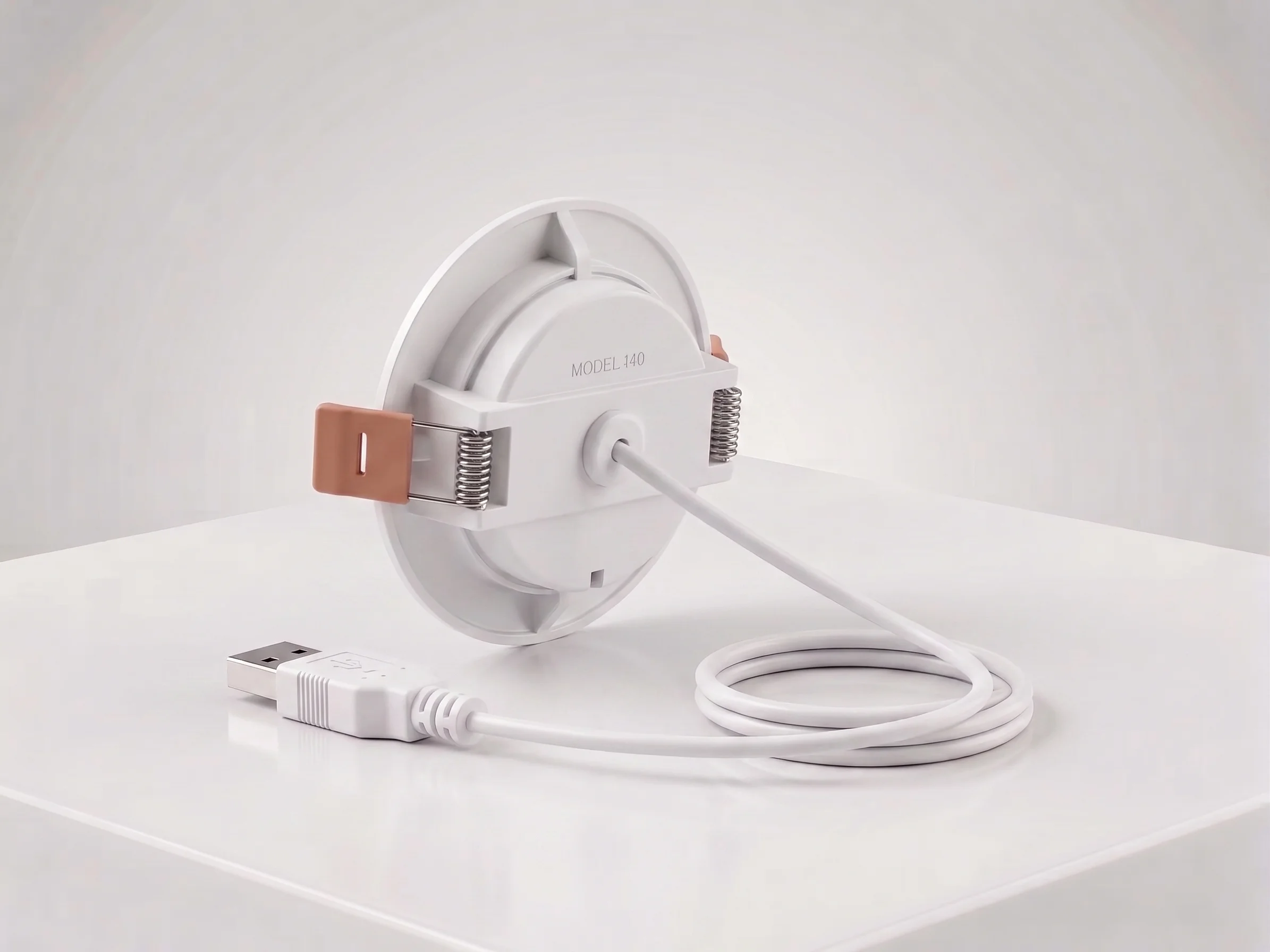
Ceiling Mount mmWave Human Presence Sensor — Matter over Thread
24GHz wideband mmWave ceiling presence sensor with 10m motion, 2.5m micro-motion, and breathing detection. 120° field, DC5V, Matter over Thread. Works natively with Apple Home, Google Home, and Alexa.
This page already points to it as the next recommended reference.
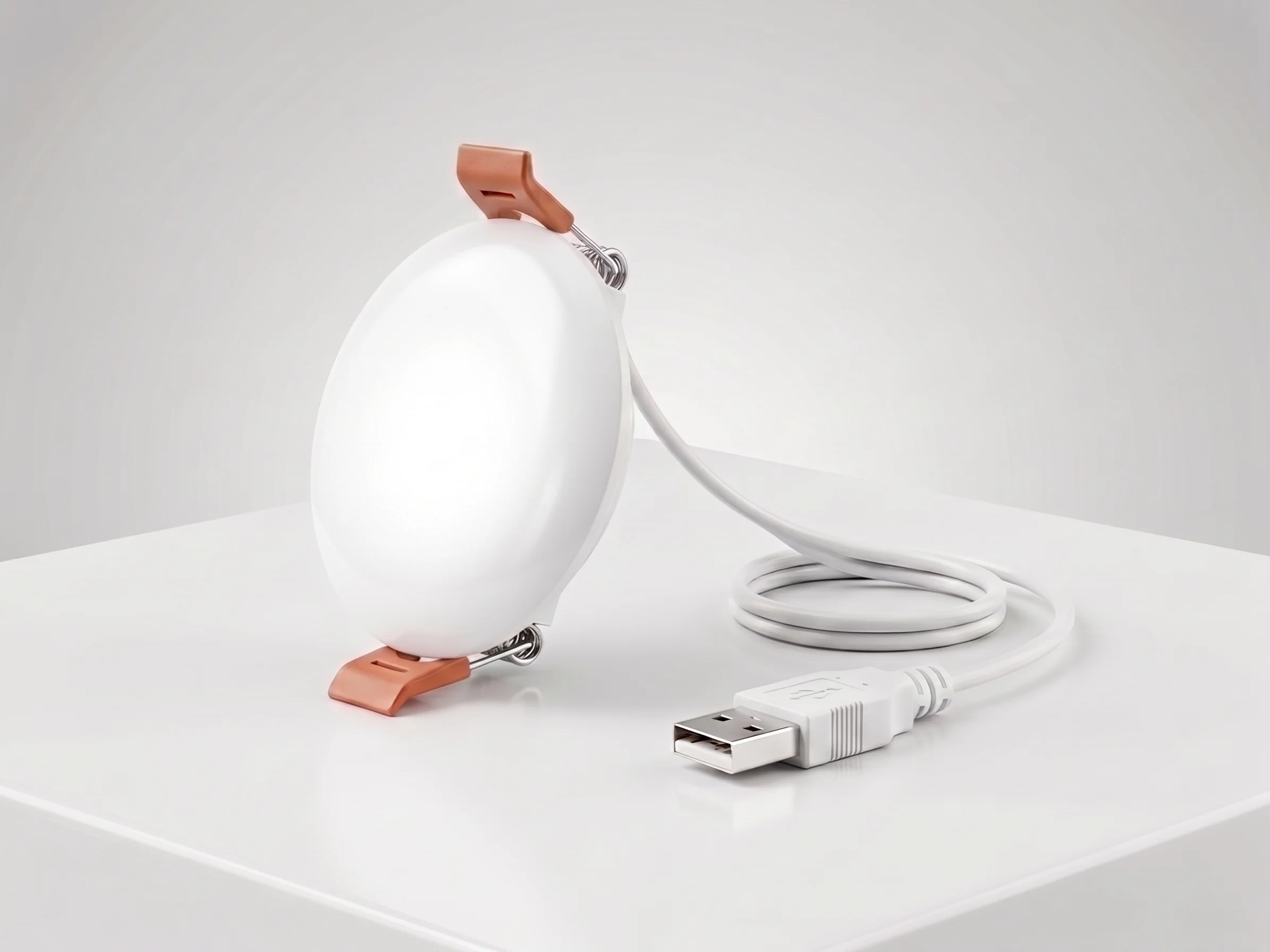
Ceiling Mount mmWave Human Presence Sensor — WiFi
24GHz wideband mmWave ceiling presence sensor with 10m motion detection, 2.5m micro-motion, and breathing detection. 120° field, DC5V, WiFi 2.4GHz. No gateway required for retrofit hotel and apartment projects.
This page already points to it as the next recommended reference.
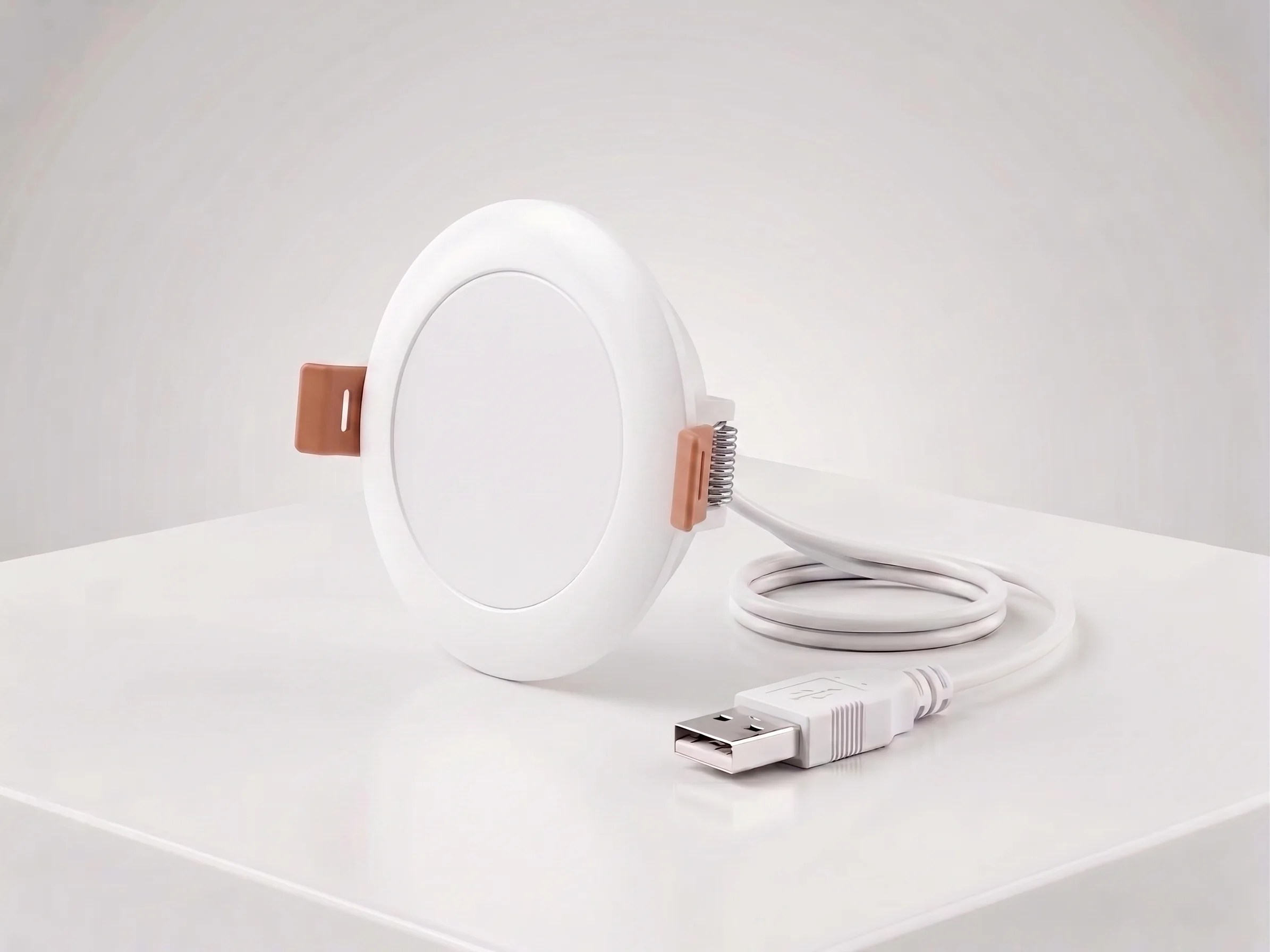
Ceiling Mount mmWave Human Presence Sensor — Zigbee
24GHz wideband mmWave ceiling presence sensor with 10m motion detection, 2.5m micro-motion, and breathing detection. 120° field, DC5V, Zigbee 3.0. For hotel room occupancy and commercial automation.
This page already points to it as the next recommended reference.
Related solutions
1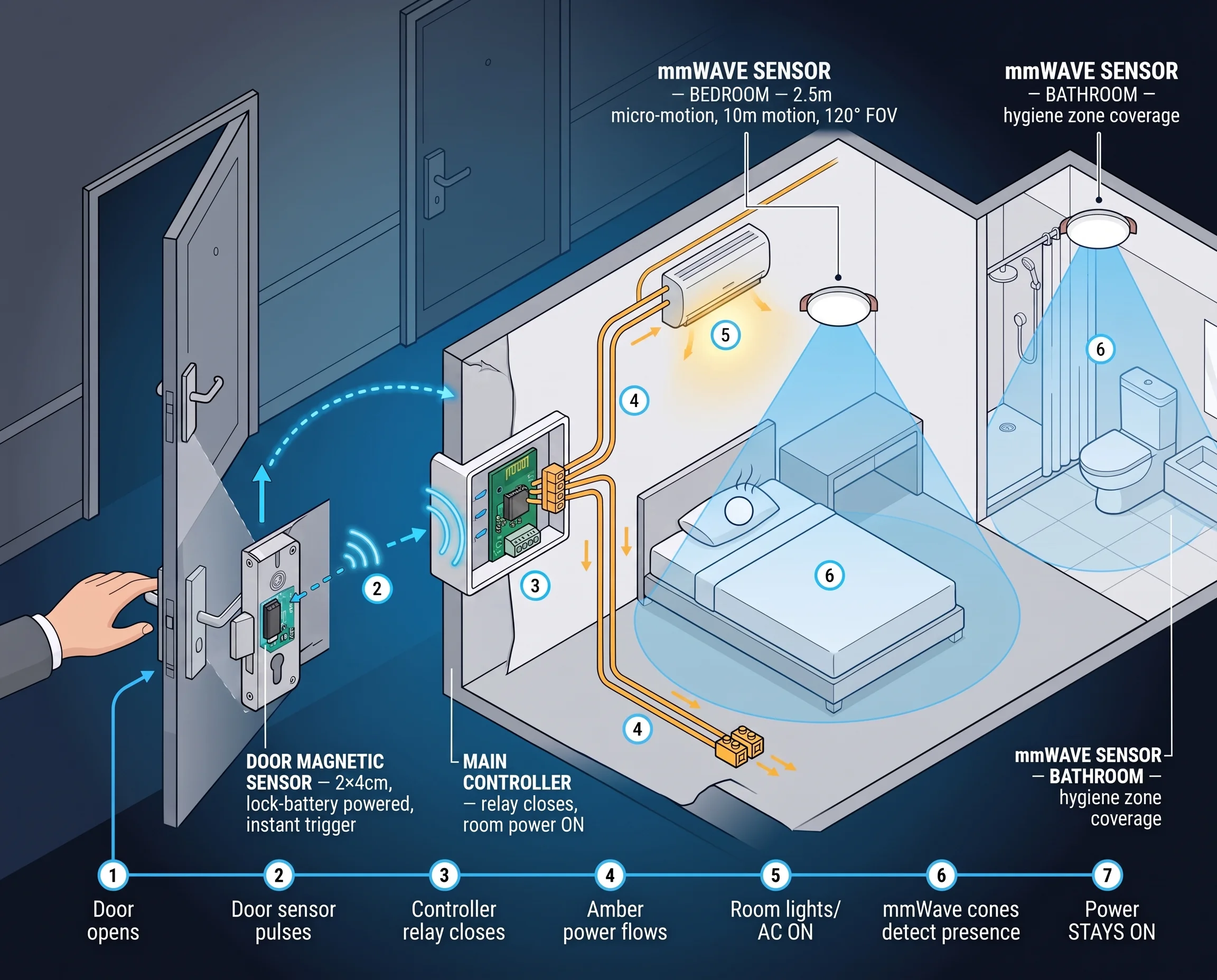
Hotel Room Occupancy & Motion Sensor Solution
mmWave radar presence sensors for hotel room occupancy, housekeeping scheduling, and HVAC energy saving. Detect true occupancy — even when the guest is asleep — with our ceiling-mount hotel room motion sensor.
It supports the same product context: Ceiling Mount mmWave Human Presence Sensor — Zigbee, Ceiling Mount mmWave Human Presence Sensor — WiFi, Ceiling Mount mmWave Human Presence Sensor — Matter over Thread.
Related blog posts
3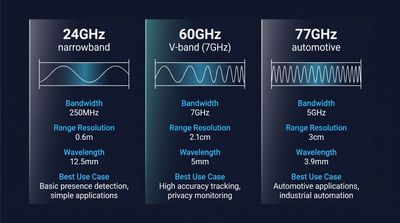
60GHz vs 24GHz vs 77GHz mmWave Sensors: Choosing the Right Frequency for Commercial Presence Detection
Compare 60GHz, 24GHz, and 77GHz mmWave sensors for commercial presence detection. Technical specs, detection range, privacy, and OEM sourcing guidance.
It supports the same product context: Ceiling Mount mmWave Human Presence Sensor — Zigbee, Ceiling Mount mmWave Human Presence Sensor — WiFi.
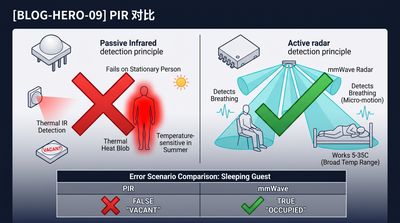
What Is an Electronic Presence Sensor? Technology, Accuracy, and How It Differs From a Motion Sensor
Learn what an electronic presence sensor is, how it detects stationary humans, and how it differs from a PIR motion sensor. Covers mmWave, accuracy, and use cases.
It supports the same product context: Ceiling Mount mmWave Human Presence Sensor — Zigbee, Ceiling Mount mmWave Human Presence Sensor — WiFi, Ceiling Mount mmWave Human Presence Sensor — Matter over Thread.
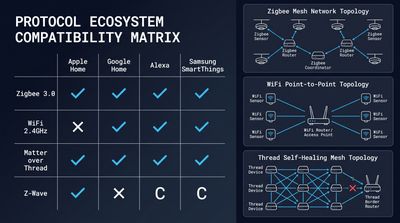
How to Integrate mmWave Presence Sensors With Home Assistant (Local Control Guide)
Step-by-step local control setup guide for mmWave devices, covering MQTT/Matter config, automation scripts, calibration and OEM ceiling presence sensor integration tips.
It supports the same product context: Ceiling Mount mmWave Human Presence Sensor — Matter over Thread, Ceiling Mount mmWave Human Presence Sensor — WiFi, Ceiling Mount mmWave Human Presence Sensor — Zigbee, Wall Mount mmWave Human Presence Sensor.
Specify your hotel project with our engineers
Send your room count, ceiling type, and protocol preference. We will return a sample plan and quote within 24 business hours.
- Move from general guidance into a product or application discussion.
- Use RFQ when pricing, drawings, MOQ, or launch timing needs structure.
- Keep a direct contact path visible for fast clarifications and handoff.