mmWave: Complete Guide to Millimeter-Wave Technology and Applications 2026
A complete guide to mmWave technology. Learn the physics, frequency bands, FMCW processing, applications, and how mmWave is used in presence detection.
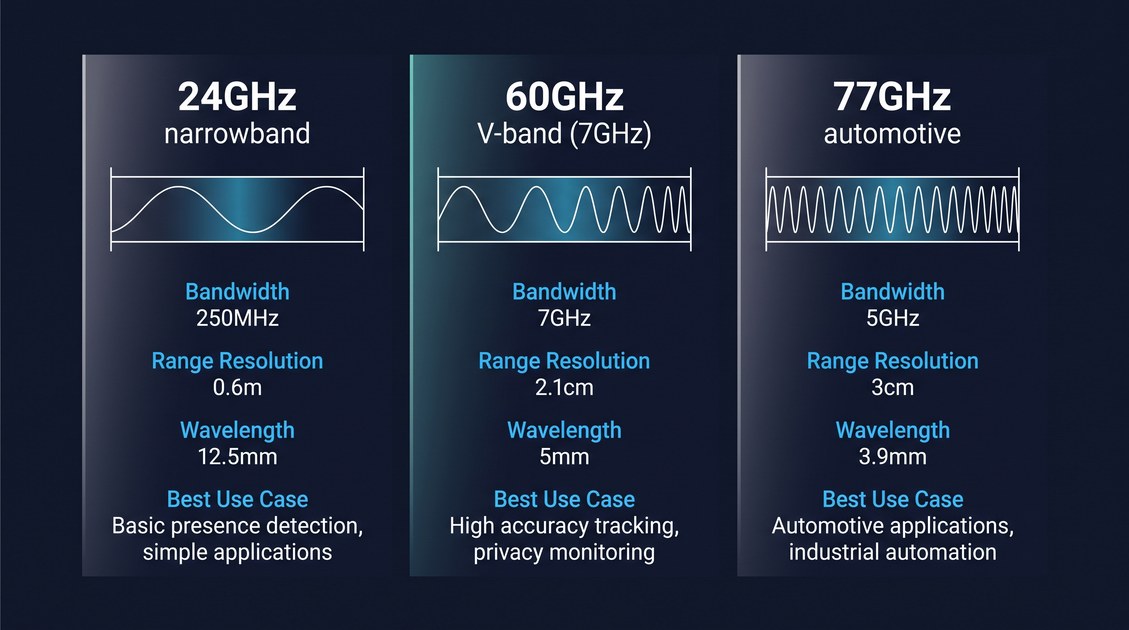
mmWave (millimeter wave) refers to electromagnetic waves with wavelengths of 1–10 mm, corresponding to frequencies of 30–300 GHz, used in a wide range of applications including radar, telecommunications, and sensing. In the radar and sensing context, the most common commercial mmWave bands are 24 GHz (24.0–24.25 GHz, used for motion detection and basic radar applications), 60 GHz (57–64 GHz, used for indoor presence detection with micro-Doppler breathing detection), and 77 GHz (76–81 GHz, used for automotive radar and long-range industrial applications). The mmWave technology has become the dominant sensing modality for human presence detection in hotel rooms, offices, healthcare facilities, and residential smart homes, displacing the legacy passive infrared (PIR) motion sensor in any application where the occupant may be still for extended periods.
This guide provides a comprehensive overview of mmWave technology, covering the physics, the frequency bands, the key performance characteristics, the major applications, and the selection criteria for choosing the right mmWave product for a specific application. Whether you are an engineer new to the technology, a procurement specialist evaluating sensors, or a consumer trying to understand why a mmWave sensor is more accurate than a PIR sensor, this guide will give you a clear foundation.
mmWave: The Basic Concept
mmWave is a type of electromagnetic radiation with wavelengths in the millimeter range (1–10 mm), which corresponds to frequencies in the 30–300 GHz range. The name "millimeter wave" comes from the wavelength being measured in millimeters, as opposed to longer-wavelength radio waves (centimeter range for WiFi, meter range for AM radio).
The mmWave frequency range is part of the microwave spectrum, which spans from 1 GHz to 300 GHz. The mmWave range is the higher-frequency end of the microwave spectrum, where the wavelengths are short enough to be measured in millimeters.
The mmWave frequency range is divided into several bands, each with different characteristics and different regulatory allocations:
- V-band (40–75 GHz): includes the 60 GHz band (57–64 GHz), which is the dominant band for indoor sensing
- W-band (75–110 GHz): includes the 77 GHz band (76–81 GHz), which is the dominant band for automotive radar
mmWave: Why It Is Used for Sensing
The mmWave frequency range is particularly well-suited for sensing applications because of three key physical properties: the short wavelength, the wide bandwidth, and the unique propagation characteristics.
mmWave: Short Wavelength
The short wavelength at mmWave frequencies (1–10 mm) allows for compact antennas. A 60 GHz antenna array with a 3×3 MIMO configuration fits in a 20×20 mm PCB area, which is much smaller than an equivalent 2.4 GHz antenna array (which would be 500×500 mm or larger).
The compact antenna size is a critical advantage for sensing applications, because it enables small form factors (70 mm diameter ceiling puck) that can be deployed unobtrusively in indoor environments.
mmWave: Wide Bandwidth
The wide bandwidth available at mmWave frequencies (7 GHz at 60 GHz, 5 GHz at 77 GHz, 250 MHz at 24 GHz) enables fine range resolution. The range resolution is c / (2 × B), where c is the speed of light and B is the bandwidth. For a 60 GHz sensor with 7 GHz of bandwidth, the range resolution is approximately 2.1 cm, which is more than sufficient to resolve a person from the bed, the floor, and the walls in a typical hotel room.
The wide bandwidth also enables the micro-Doppler detection of human breathing, which is the key capability that distinguishes a mmWave sensor from a PIR sensor.
mmWave: Unique Propagation Characteristics
The propagation characteristics of mmWave signals are significantly different from those of lower-frequency radio systems. At 60 GHz, the atmospheric attenuation is approximately 15 dB/km due to the oxygen absorption resonance at this frequency, which provides a natural privacy barrier (the signal does not propagate between rooms).
At 24 GHz and 77 GHz, the atmospheric attenuation is much lower (0.5–1 dB/km), which makes these bands more suitable for long-range applications.
mmWave: Frequency Bands for Commercial Applications
The three major commercial mmWave bands are 24 GHz, 60 GHz, and 77 GHz. Each band has different characteristics that make it suitable for different applications.
mmWave: 24 GHz Band
The 24 GHz band (24.0–24.25 GHz narrowband ISM) is the oldest and most mature mmWave band for commercial applications. The narrowband ISM allocation provides 250 MHz of bandwidth, which is sufficient for motion detection and basic range resolution.
The 24 GHz mmWave band is suitable for cost-sensitive applications where stationary-occupant detection is not required, such as automatic door openers, security motion sensors, and basic occupancy-based lighting control.
mmWave: 60 GHz Band
The 60 GHz band (57–64 GHz) is now the dominant band for indoor presence detection. The 7 GHz of bandwidth enables 2.1 cm range resolution and micro-Doppler detection of human breathing at 0.2–0.5 Hz from ranges of 6–8 meters.
The 60 GHz mmWave band is the default choice for hotel rooms, offices, healthcare facilities, and residential smart homes, where the ability to detect stationary occupants is essential.
mmWave: 77 GHz Band
The 77 GHz band (76–81 GHz) is primarily an automotive radar band, used for adaptive cruise control, collision avoidance, and other advanced driver assistance systems. The 5 GHz of bandwidth enables 3 cm range resolution, and the 3.9 mm wavelength allows for very compact antennas.
The 77 GHz mmWave band is suitable for long-range applications (20–30 m) that require fine angular resolution, such as warehouse zone detection and large-venue occupancy tracking.
| Band | Frequency | Bandwidth | Range resolution | Wavelength | Primary use |
|---|---|---|---|---|---|
| 24 GHz narrowband | 24.0–24.25 GHz | 250 MHz | 0.6 m | 12.5 mm | Motion-only, cost-sensitive |
| 60 GHz | 57–64 GHz | 7 GHz | 2.1 cm | 5.0 mm | Indoor presence detection (default) |
| 77 GHz | 76–81 GHz | 5 GHz | 3 cm | 3.9 mm | Automotive, industrial long-range |
mmWave: How It Detects Stationary Occupants
The most important capability of a mmWave sensor — and the capability that distinguishes it from a PIR motion sensor — is the ability to detect stationary occupants, including people who are sleeping, sitting motionless, or reading without significant movement.
This capability is based on the micro-Doppler signature of human breathing. When a person is sitting still or sleeping, their body produces a Doppler return that is dominated by the periodic motion of the chest wall during breathing. The amplitude of this motion is on the order of 5–20 mm, and the frequency is 0.2–0.5 Hz (12–30 breaths per minute).
A well-designed 60 GHz mmWave sensor uses signal processing techniques to extract the breathing signature from the radar return, distinguish it from background noise (HVAC airflow, building vibration, fan motion), and use it as a positive indicator of human presence. The result is a sensor that can reliably confirm the presence of a sleeping adult at 4 m with a true positive rate above 99% in controlled testing.
A PIR sensor, by contrast, cannot detect this micro-motion. A PIR sensor detects changes in infrared radiation across its field of view, and a stationary person does not produce a change in the radiation pattern. The PIR sensor therefore reports "no motion" within 10–30 minutes after the last movement, even if the room is occupied.
mmWave: Major Applications
mmWave technology is deployed in a wide range of applications.
mmWave: Hotel Room Presence Detection
Hotel rooms are the canonical application for 60 GHz mmWave sensors. A ceiling-mounted 60 GHz mmWave sensor can reliably detect whether a guest is in the room throughout their stay, including when they are sleeping, and feeds the occupancy data to the building management system for housekeeping coordination and the HVAC system for energy management.
mmWave: Office and Conference Room Sensing
Offices use 60 GHz mmWave sensors for per-room HVAC and lighting control, conference room availability detection, and space utilization analytics.
mmWave: Healthcare and Patient Room Sensing
Healthcare facilities use 60 GHz mmWave sensors for fall detection, bed-exit alerting, and occupancy-based environmental control. The privacy profile of mmWave radar (no images, non-invasive) makes it suitable for deployment in private spaces.
mmWave: Residential Smart Home Sensing
Residential smart homes use 60 GHz mmWave sensors for occupancy-based lighting, HVAC control, and security monitoring.
mmWave: Automotive Radar
The 77 GHz band is the primary frequency for automotive radar, used for adaptive cruise control, collision avoidance, and other advanced driver assistance systems.
mmWave: Industrial Sensing
mmWave sensors are used in industrial applications for level sensing, conveyor monitoring, and robotic collision avoidance.
mmWave: 5G and Beyond
The mmWave frequency range is also used for 5G telecommunications, with 28 GHz and 39 GHz bands used for high-capacity 5G networks. The next generation of wireless networks (6G) is expected to extend the use of mmWave frequencies further.
mmWave: How It Differs From Other Technologies
mmWave sensors are one of several sensing technologies used for presence detection.
mmWave vs PIR
PIR sensors are cheaper and consume less power, but they cannot detect stationary occupants. For applications where the occupant may be still for extended periods, mmWave sensors are the right choice.
mmWave vs Ultrasonic
Ultrasonic sensors are less expensive than mmWave sensors but have limited accuracy in distinguishing humans from other objects, and they cannot reliably detect stationary humans.
mmWave vs Computer Vision
Computer vision sensors offer the highest person-counting accuracy but raise significant privacy concerns in hotel rooms, restrooms, healthcare facilities, and other private spaces. mmWave sensors are the right choice for privacy-sensitive deployments.
mmWave vs WiFi Sensing
WiFi sensing uses the existing WiFi infrastructure to detect presence by analyzing the changes in the WiFi signal. It is a low-cost option for some applications but has limited accuracy and is sensitive to environmental changes. mmWave sensors are the right choice when accuracy is essential.
mmWave: Privacy and Safety
The privacy and safety profile of a 60 GHz mmWave sensor is excellent.
mmWave: Privacy
A 60 GHz mmWave sensor produces only point cloud data, not images. The 60 GHz signal does not propagate between rooms (due to the high oxygen absorption and the strong attenuation by drywall), which provides a natural privacy barrier.
For deployments under GDPR or CCPA, a properly configured 60 GHz mmWave sensor that processes all radar data on-device and only transmits the classified occupancy state is generally outside the scope of personal data.
mmWave: Safety
A 60 GHz mmWave sensor operates at very low radiated power (typically less than 10 mW, well below the output power of a WiFi router). The international safety standards for radio frequency exposure (IEEE C95.1, ICNIRP guidelines) are satisfied by all commercial mmWave sensor products on the market.
mmWave: Future Trends
The mmWave market is evolving rapidly, driven by several trends:
- Single-chip integration: the integration of mmWave transceivers into single-chip solutions is reducing cost and enabling smaller form factors
- On-device machine learning: the increasing sophistication of on-device ML is improving detection accuracy and enabling new capabilities
- Multi-sensor convergence: the convergence of mmWave with other sensing modalities is enabling new applications
- 5G and 6G: the next generation of wireless networks will drive new mmWave applications
- Matter adoption: the emergence of the Matter smart home standard is creating new product opportunities
- AI at the edge: machine learning inference on the radar chip itself is enabling sophisticated classification without requiring a powerful external processor
mmWave: Final Recommendation
mmWave is a mature, reliable, and widely deployed technology that has become the default choice for presence detection in hotel rooms, offices, healthcare facilities, and residential smart homes. The 60 GHz band is the default frequency for most indoor applications, providing reliable stationary-occupant detection, an excellent privacy profile, and a compact form factor.
For a procurement team or a consumer selecting a mmWave product, the right approach is to start with a clear definition of the application requirements, then evaluate the available products against those requirements, then select a vendor with a proven track record in the target vertical, and then execute a pilot before committing to a full deployment. The recommended products for most applications are the ceiling-presence-sensor-zigbee, ceiling-presence-sensor-wifi, and ceiling-presence-sensor-matter from vendors with strong product portfolios and proven deployment track records.
With the right mmWave product, correctly installed and integrated, the sensor can deliver a level of occupancy awareness that is impossible to achieve with PIR-based motion sensors, and can justify the higher unit cost through improved energy efficiency, better occupant experience, and more accurate occupancy data for downstream analytics.
Part of this article content is generated by AI and optimized for professional accuracy and readability.
Not sure which sensor fits your project?
Talk to our mmWave application engineers for a free consultation.
Find the right presence sensor for your hotel project
Compare the 3 protocols, check hotel-specific case studies, and download the installation guide
Related products
3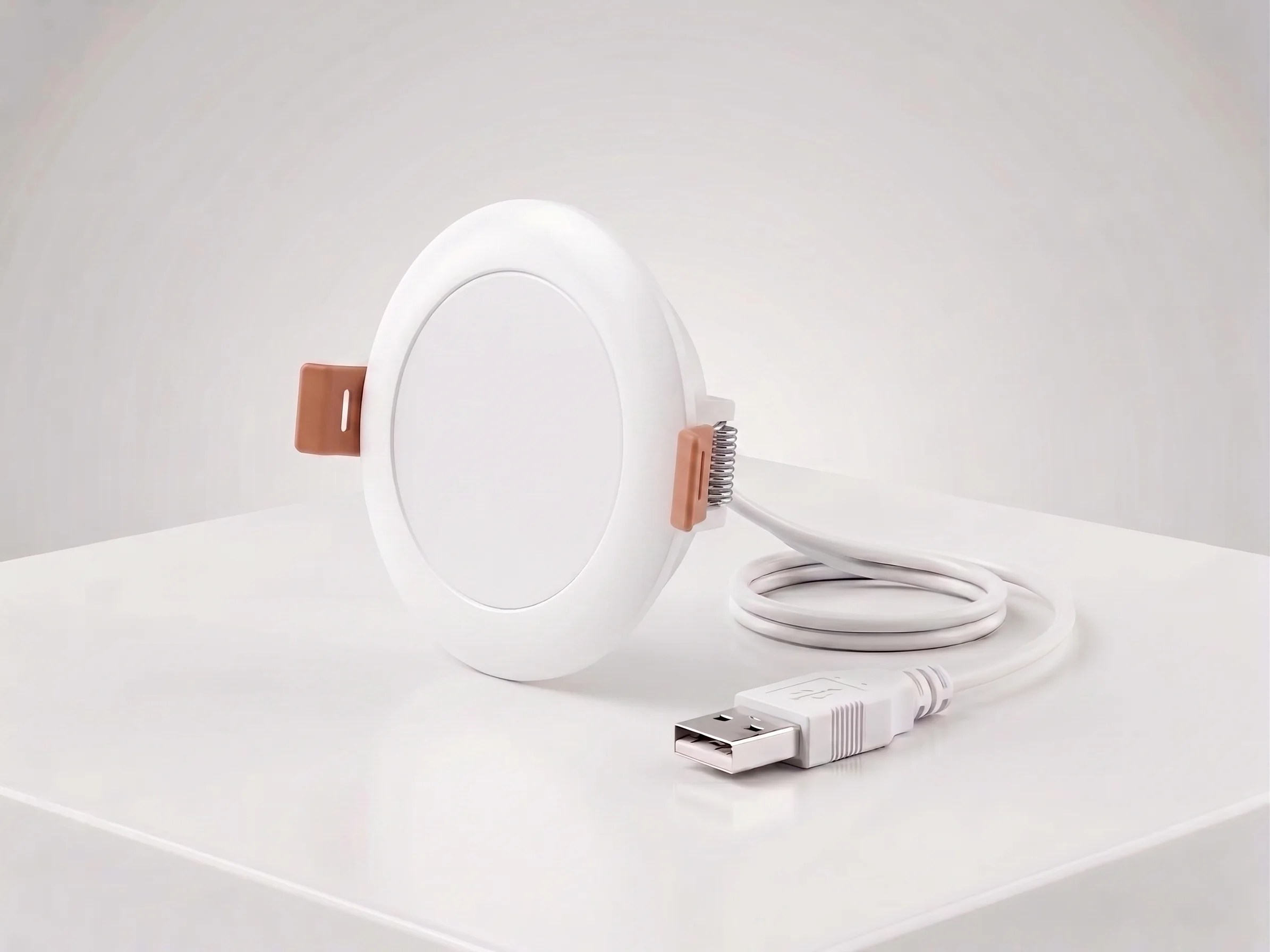
Ceiling Mount mmWave Human Presence Sensor — Zigbee
24GHz wideband mmWave ceiling presence sensor with 10m motion detection, 2.5m micro-motion, and breathing detection. 120° field, DC5V, Zigbee 3.0. For hotel room occupancy and commercial automation.
This page already points to it as the next recommended reference.
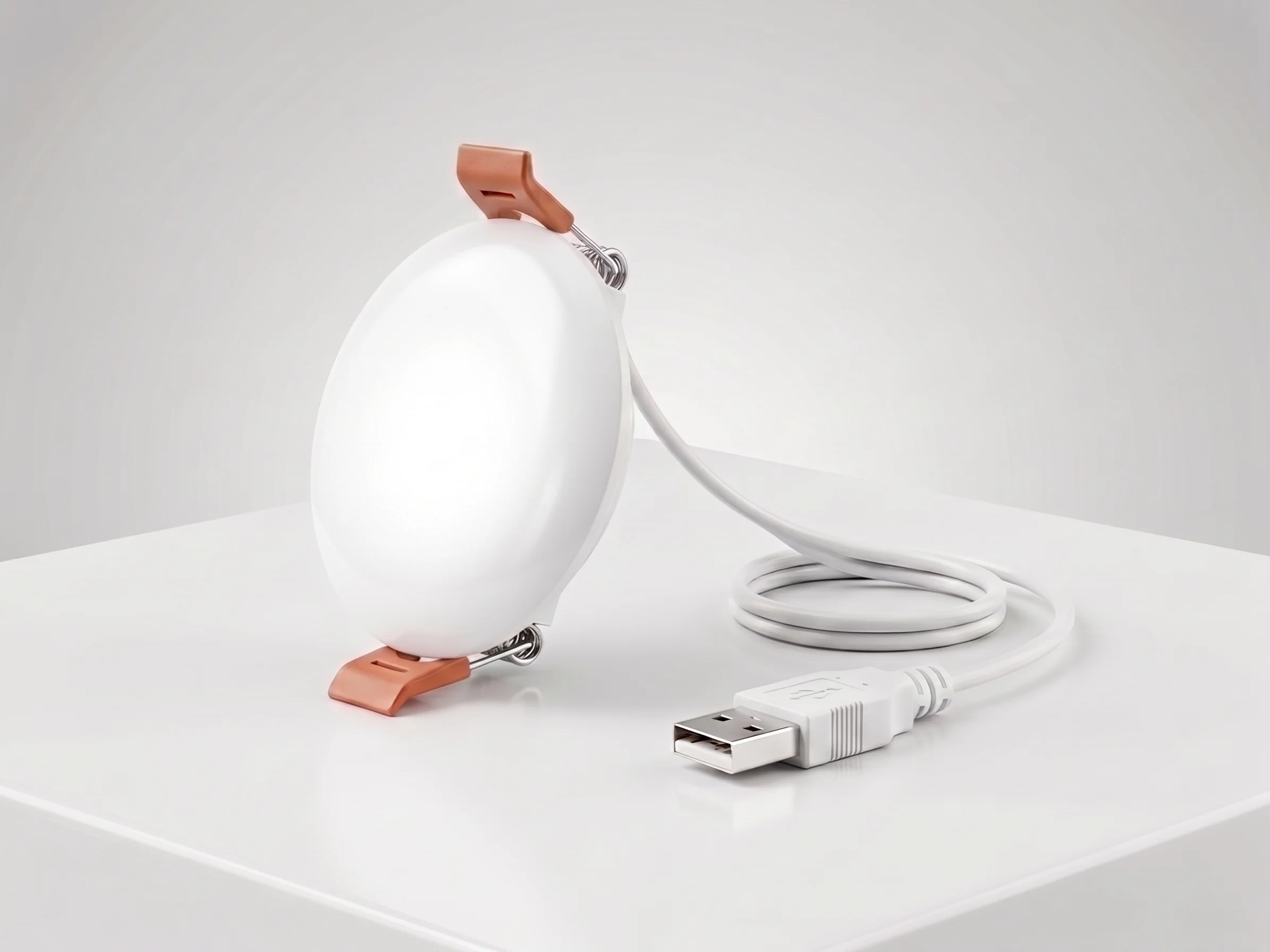
Ceiling Mount mmWave Human Presence Sensor — WiFi
24GHz wideband mmWave ceiling presence sensor with 10m motion detection, 2.5m micro-motion, and breathing detection. 120° field, DC5V, WiFi 2.4GHz. No gateway required for retrofit hotel and apartment projects.
This page already points to it as the next recommended reference.
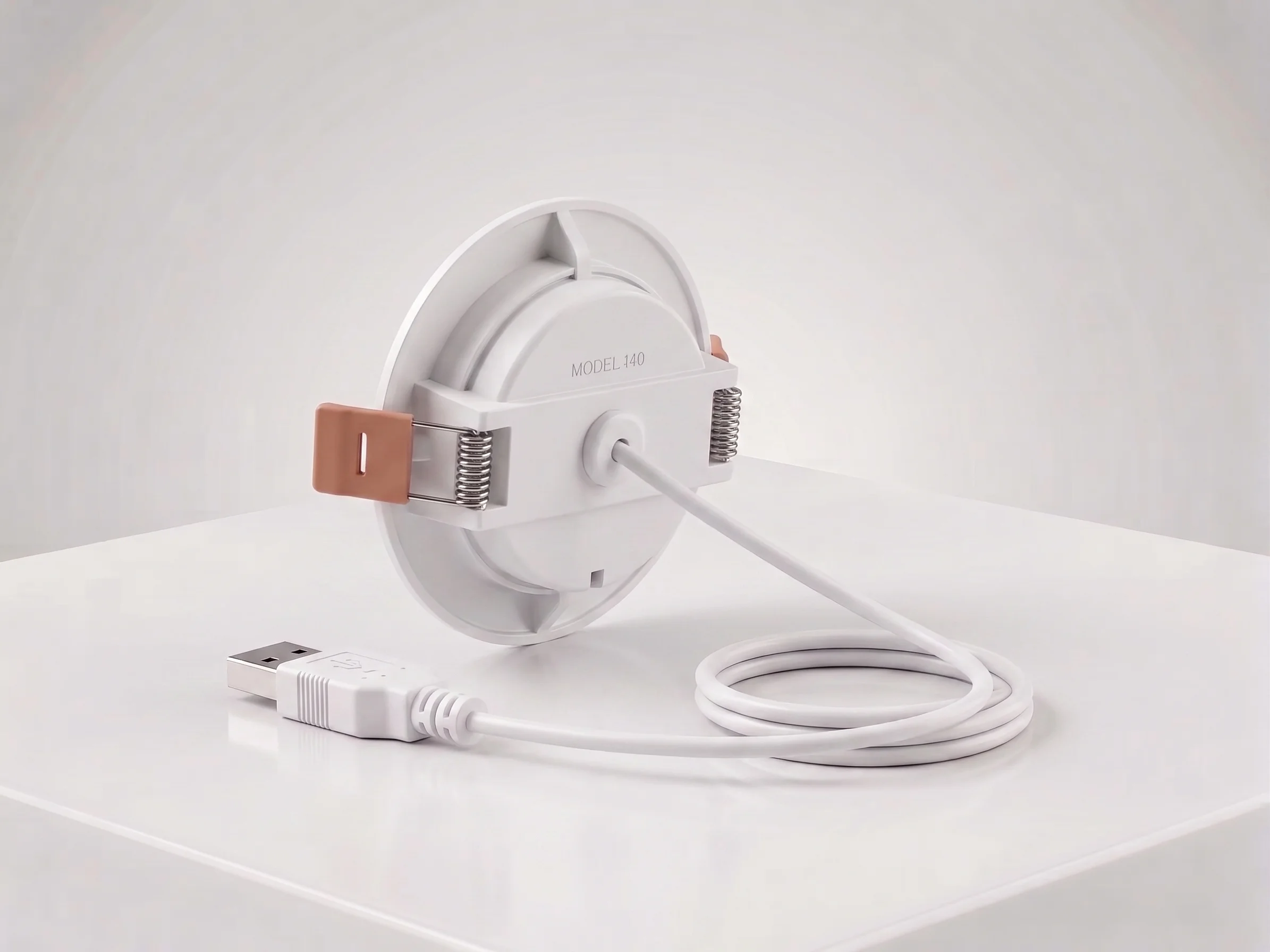
Ceiling Mount mmWave Human Presence Sensor — Matter over Thread
24GHz wideband mmWave ceiling presence sensor with 10m motion, 2.5m micro-motion, and breathing detection. 120° field, DC5V, Matter over Thread. Works natively with Apple Home, Google Home, and Alexa.
This page already points to it as the next recommended reference.
Related solutions
1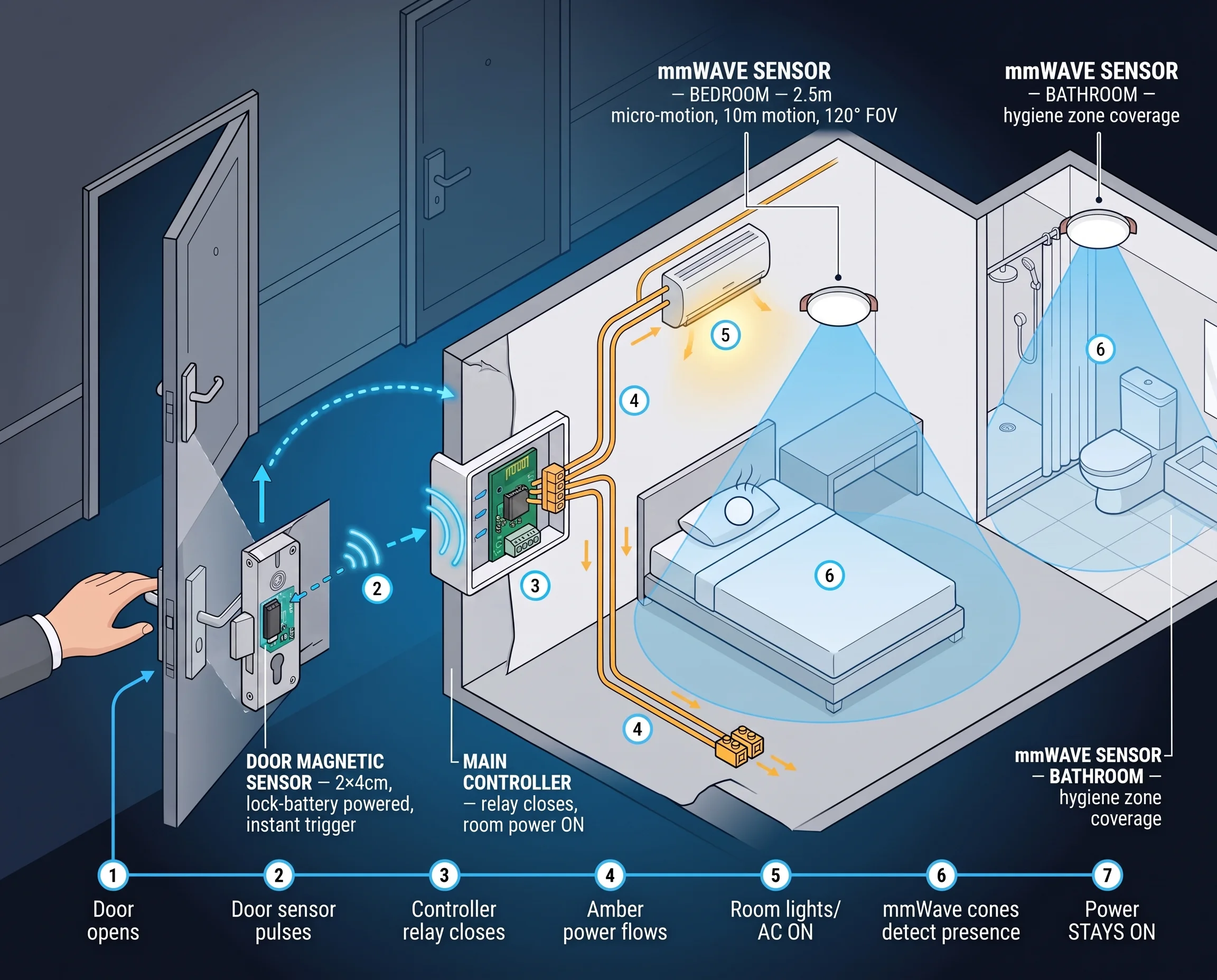
Hotel Room Occupancy & Motion Sensor Solution
mmWave radar presence sensors for hotel room occupancy, housekeeping scheduling, and HVAC energy saving. Detect true occupancy — even when the guest is asleep — with our ceiling-mount hotel room motion sensor.
It supports the same product context: Ceiling Mount mmWave Human Presence Sensor — Zigbee, Ceiling Mount mmWave Human Presence Sensor — WiFi, Ceiling Mount mmWave Human Presence Sensor — Matter over Thread.
Related blog posts
3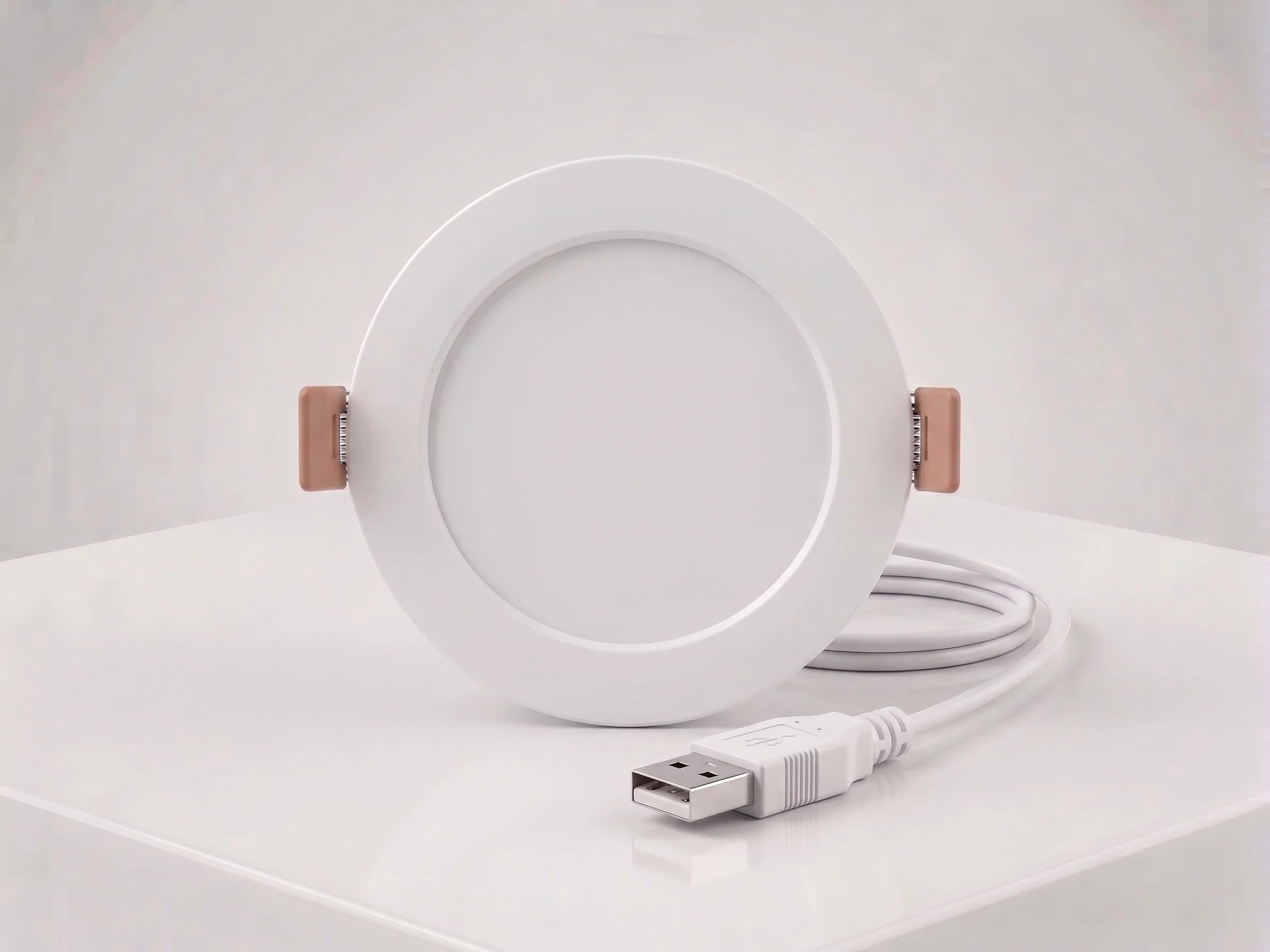
60GHz vs 24GHz vs 77GHz mmWave Sensors: Choosing the Right Frequency for Commercial Presence Detection
Compare 60GHz, 24GHz, and 77GHz mmWave sensors for commercial presence detection. Technical specs, detection range, privacy, and OEM sourcing guidance.
It supports the same product context: Ceiling Mount mmWave Human Presence Sensor — Zigbee, Ceiling Mount mmWave Human Presence Sensor — WiFi.
What Is an Electronic Presence Sensor? Technology, Accuracy, and How It Differs From a Motion Sensor
Learn what an electronic presence sensor is, how it detects stationary humans, and how it differs from a PIR motion sensor. Covers mmWave, accuracy, and use cases.
It supports the same product context: Ceiling Mount mmWave Human Presence Sensor — Zigbee, Ceiling Mount mmWave Human Presence Sensor — WiFi, Ceiling Mount mmWave Human Presence Sensor — Matter over Thread.
How to Integrate mmWave Presence Sensors With Home Assistant (Local Control Guide)
Step-by-step local control setup guide for mmWave devices, covering MQTT/Matter config, automation scripts, calibration and OEM ceiling presence sensor integration tips.
It supports the same product context: Ceiling Mount mmWave Human Presence Sensor — Matter over Thread, Ceiling Mount mmWave Human Presence Sensor — WiFi, Ceiling Mount mmWave Human Presence Sensor — Zigbee.
Specify your hotel project with our engineers
Send your room count, ceiling type, and protocol preference. We will return a sample plan and quote within 24 business hours.
- Move from general guidance into a product or application discussion.
- Use RFQ when pricing, drawings, MOQ, or launch timing needs structure.
- Keep a direct contact path visible for fast clarifications and handoff.