Label Presence Sensor: Industrial Labeling and Compliance Guide 2026
A guide to label presence sensor products, including FCC/CE/RoHS labeling requirements, compliance marks, and what to look for when buying.
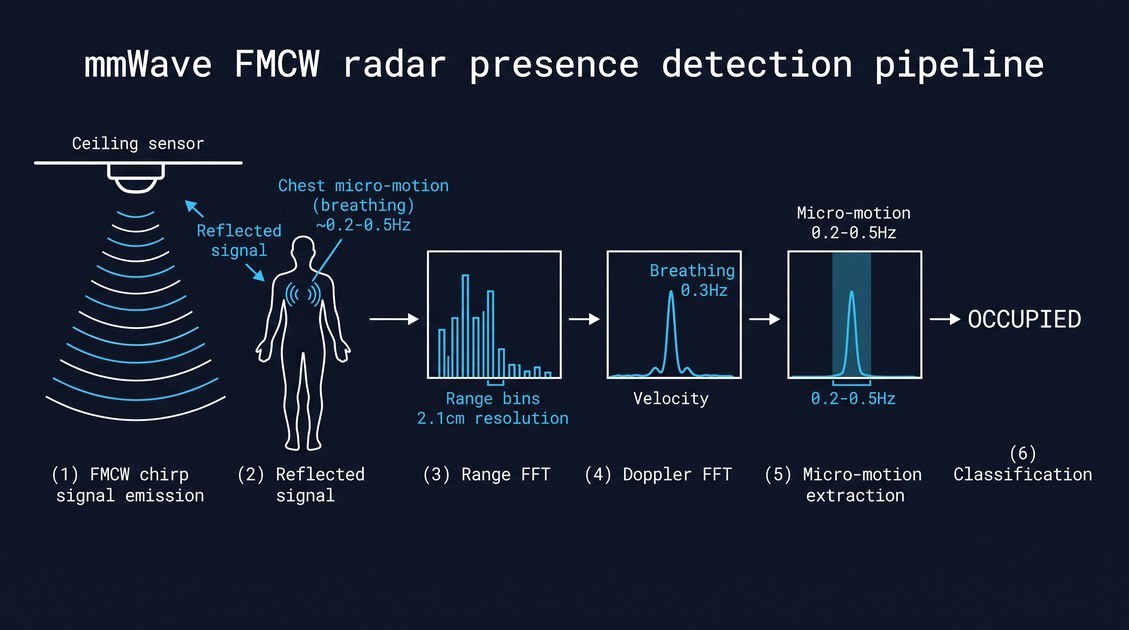
A label presence sensor refers to a presence detection device with specific labeling and compliance requirements, including the FCC ID label (required for all radio frequency devices sold in the US), the CE marking (required for all radio frequency devices sold in the EU), the RoHS marking (required for electronic products sold in the EU and California), and various regional compliance marks (IC for Canada, MIC for Japan, SRRC for China, KC for South Korea, NCC for Taiwan, RCM for Australia). The label presence sensor market is the same as the broader presence sensor market — the keyword "label" reflects the buyer's interest in the regulatory labels and compliance marks on the product, which are essential for legal sale in the target market. The labeling and compliance requirements for a presence sensor depend on the target market (US, EU, China, etc.), the connectivity (WiFi, Zigbee, Matter, etc.), and the specific features of the product (battery-powered, mains-powered, with fall detection, etc.).
This guide provides a comprehensive overview of the labeling and compliance requirements for presence sensors, covering the major regional requirements, the specific compliance marks, and what to look for when buying a labeled and compliant presence sensor.
Label Presence Sensor: Major Regional Compliance Requirements
The label presence sensor must carry the appropriate compliance marks for the target market.
Label Presence Sensor: FCC (United States)
The Federal Communications Commission (FCC) requires all radio frequency devices sold in the United States to carry an FCC ID, which is a unique identifier assigned by the FCC to the specific device model. The FCC ID is typically printed on a label affixed to the device or its packaging, and the corresponding test report and certification are filed with the FCC.
For presence sensors with WiFi, Zigbee, or other 2.4 GHz wireless connectivity, the applicable FCC rule is FCC Part 15.249 (for 24 GHz) or FCC Part 15.255 (for 60 GHz). The test report must verify that the device complies with the radiated emission limits and the conducted emission limits specified in the rule.
Label Presence Sensor: CE (European Union)
The European Union requires all radio frequency devices sold in the EU to carry the CE marking, which is a declaration by the manufacturer that the device complies with the applicable EU directives. The applicable directives for a presence sensor are:
- Radio Equipment Directive (RED) 2014/53/EU: covers the radio frequency aspects of the device
- EMC Directive 2014/30/EU: covers the electromagnetic compatibility aspects
- Low Voltage Directive (LVD) 2014/35/EU: covers the electrical safety aspects (for mains-powered devices)
- RoHS Directive 2011/65/EU: covers the restriction of hazardous substances
The CE marking must be accompanied by a Declaration of Conformity (DoC) and a Technical File, which the manufacturer must maintain and make available to the regulatory authorities on request.
For 60 GHz presence sensors, the relevant harmonized standard is EN 305 550, which specifies the technical requirements for unlicensed 60 GHz devices.
Label Presence Sensor: IC (Canada)
Innovation, Science and Economic Development Canada (ISED) requires all radio frequency devices sold in Canada to carry an IC ID, which is a unique identifier assigned by ISED to the specific device model. The IC ID is printed on a label affixed to the device, and the corresponding test report and certification are filed with ISED.
For presence sensors, the applicable ISED rule is RSS-247 (for 24 GHz) or RSS-210 (for 60 GHz).
Label Presence Sensor: MIC (Japan)
The Ministry of Internal Affairs and Communications (MIC) requires all radio frequency devices sold in Japan to carry a MIC ID (also known as a "giteki mark" or "技適マーク"). The MIC ID is printed on a label affixed to the device, and the corresponding test report and certification are filed with MIC.
For presence sensors, the applicable MIC rule depends on the frequency band and the specific application.
Label Presence Sensor: SRRC (China)
The State Radio Regulation Committee (SRRC) requires all radio frequency devices sold in China to carry an SRRC ID (also known as a "CMIIT ID"). The SRRC ID is printed on a label affixed to the device, and the corresponding test report and certification are filed with SRRC.
For presence sensors, the applicable SRRC rule depends on the frequency band and the specific application.
Label Presence Sensor: KC (South Korea)
The Korea Communications Commission (KCC) requires all radio frequency devices sold in South Korea to carry a KC mark. The KC mark is printed on a label affixed to the device, and the corresponding test report and certification are filed with KCC.
Label Presence Sensor: NCC (Taiwan)
The National Communications Commission (NCC) requires all radio frequency devices sold in Taiwan to carry an NCC mark. The NCC mark is printed on a label affixed to the device.
Label Presence Sensor: RCM (Australia/New Zealand)
The Australian Communications and Media Authority (ACMA) requires all radio frequency devices sold in Australia or New Zealand to carry the RCM mark. The RCM mark is printed on a label affixed to the device, and the corresponding Declaration of Conformity is filed with ACMA.
Label Presence Sensor: Other Compliance Marks
In addition to the regional compliance marks, the label presence sensor may also need to carry the following marks, depending on the application.
Label Presence Sensor: RoHS
The Restriction of Hazardous Substances (RoHS) Directive restricts the use of certain hazardous substances in electrical and electronic equipment. The RoHS compliance mark is required for products sold in the EU, China, California, and several other jurisdictions.
Label Presence Sensor: WEEE
The Waste Electrical and Electronic Equipment (WEEE) Directive requires manufacturers to provide for the recycling and recovery of waste electronic equipment. The WEEE mark (a crossed-out wheeled bin) is required for products sold in the EU.
Label Presence Sensor: REACH
The Registration, Evaluation, Authorisation and Restriction of Chemicals (REACH) regulation restricts the use of certain chemicals in products. The REACH compliance is required for products sold in the EU.
Label Presence Sensor: Prop 65
The California Safe Drinking Water and Toxic Enforcement Act (Proposition 65) requires warnings for products that contain chemicals on the Prop 65 list. The Prop 65 warning is required for products sold in California.
Label Presence Sensor: SB-327
The California IoT security law (SB-327) requires manufacturers of connected devices (including presence sensors) to implement "reasonable security features" appropriate to the device. The manufacturer must provide documentation of SB-327 compliance.
Label Presence Sensor: HIPAA
The Health Insurance Portability and Accountability Act (HIPAA) does not require a specific mark, but the manufacturer of a presence sensor used in a healthcare facility must implement appropriate technical safeguards to protect patient data. The manufacturer must provide documentation of HIPAA compliance.
Label Presence Sensor: What to Look for When Buying
When buying a labeled and compliant presence sensor, the buyer should look for the following.
Label Presence Sensor: Regional Compliance Marks
The presence sensor should carry the appropriate compliance marks for the target market: FCC (US), CE (EU), IC (Canada), MIC (Japan), SRRC (China), KC (South Korea), NCC (Taiwan), RCM (Australia/New Zealand), and any other regional marks.
Label Presence Sensor: Product Certifications
The presence sensor should carry the appropriate product certifications: RoHS, WEEE, REACH, Prop 65, SB-327, and any other product-specific certifications.
Label Presence Sensor: Manufacturer Documentation
The manufacturer should provide comprehensive documentation, including the Declaration of Conformity (DoC), the Technical File, the test reports, and the compliance certificates.
Label Presence Sensor: Label Quality
The label on the presence sensor should be durable, legible, and properly affixed to the device or its packaging. The label should include the compliance marks, the model number, the serial number, and any required warnings.
Label Presence Sensor: Importance of Compliance
The labeling and compliance of a presence sensor are not just formalities — they are essential for the legal sale of the product in the target market. Selling a non-compliant product in a regulated market can result in:
- Regulatory action: the regulatory authority can order the product to be removed from the market
- Fines and penalties: the manufacturer can be fined for selling non-compliant products
- Product recalls: the manufacturer may be required to recall the non-compliant product
- Reputation damage: the manufacturer's reputation can be damaged by selling non-compliant products
- Customer complaints: customers may complain about the lack of compliance, leading to returns and lost sales
A reputable presence sensor manufacturer will invest in the necessary compliance testing and documentation, and will provide the resulting compliance marks on the product label.
Label Presence Sensor: Recommended Products
The recommended products for label presence sensor deployments are the ceiling-presence-sensor-zigbee, ceiling-presence-sensor-wifi, and ceiling-presence-sensor-matter, which carry the appropriate compliance marks for the target markets (FCC, CE, RoHS, and others), and which are supported by comprehensive manufacturer documentation.
Label Presence Sensor: Final Recommendation
The label presence sensor market is the same as the broader presence sensor market, with the keyword "label" reflecting the buyer's interest in the regulatory labels and compliance marks on the product. The labeling and compliance requirements for a presence sensor depend on the target market, the connectivity, and the specific features of the product.
For a buyer selecting a labeled and compliant presence sensor, the right approach is to verify that the product carries the appropriate compliance marks for the target market, that the manufacturer provides comprehensive documentation (DoC, Technical File, test reports), and that the label is durable and legible. A reputable manufacturer will invest in the necessary compliance testing and documentation, and will provide the resulting compliance marks on the product label.
The recommended products for most applications are the ceiling-presence-sensor-zigbee, ceiling-presence-sensor-wifi, and ceiling-presence-sensor-matter from vendors with strong product portfolios and proven deployment track records, and with the appropriate compliance marks for the target market.
Not sure which sensor fits your project?
Talk to our mmWave application engineers for a free consultation.
Find the right presence sensor for your hotel project
Compare the 3 protocols, check hotel-specific case studies, and download the installation guide
Related products
2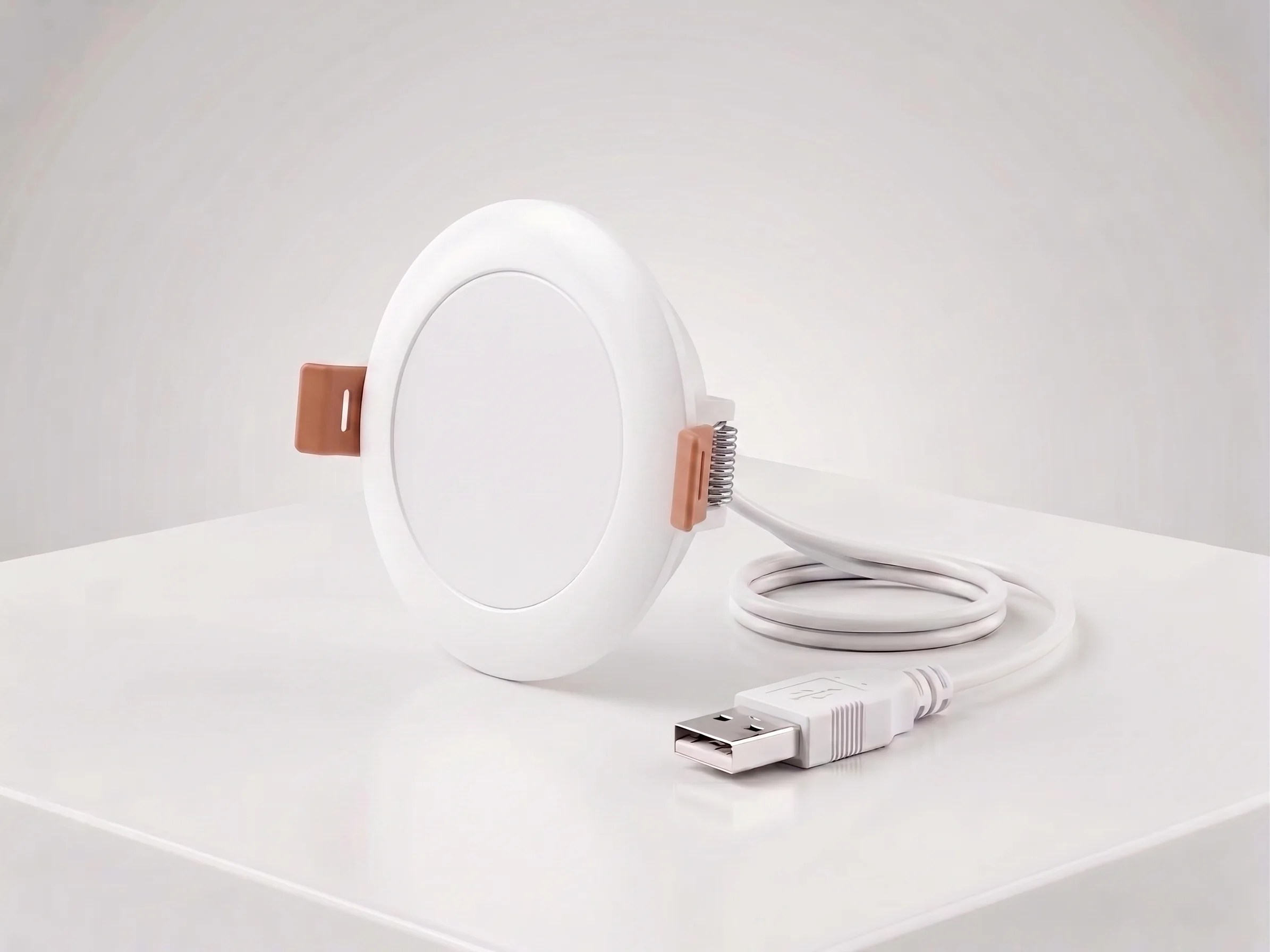
Ceiling Mount mmWave Human Presence Sensor — Zigbee
24GHz wideband mmWave ceiling presence sensor with 10m motion detection, 2.5m micro-motion, and breathing detection. 120° field, DC5V, Zigbee 3.0. For hotel room occupancy and commercial automation.
This page already points to it as the next recommended reference.
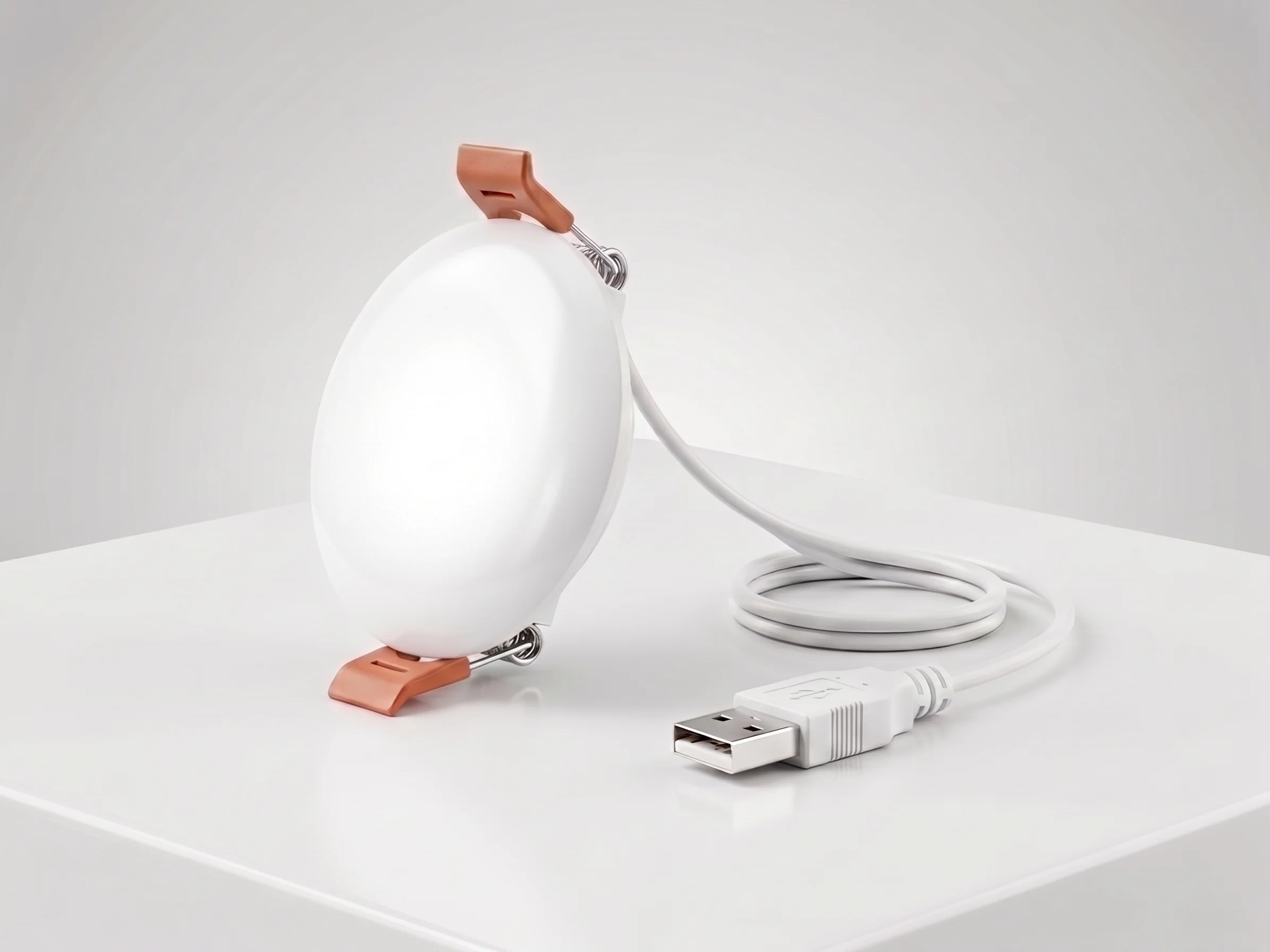
Ceiling Mount mmWave Human Presence Sensor — WiFi
24GHz wideband mmWave ceiling presence sensor with 10m motion detection, 2.5m micro-motion, and breathing detection. 120° field, DC5V, WiFi 2.4GHz. No gateway required for retrofit hotel and apartment projects.
This page already points to it as the next recommended reference.
Related solutions
1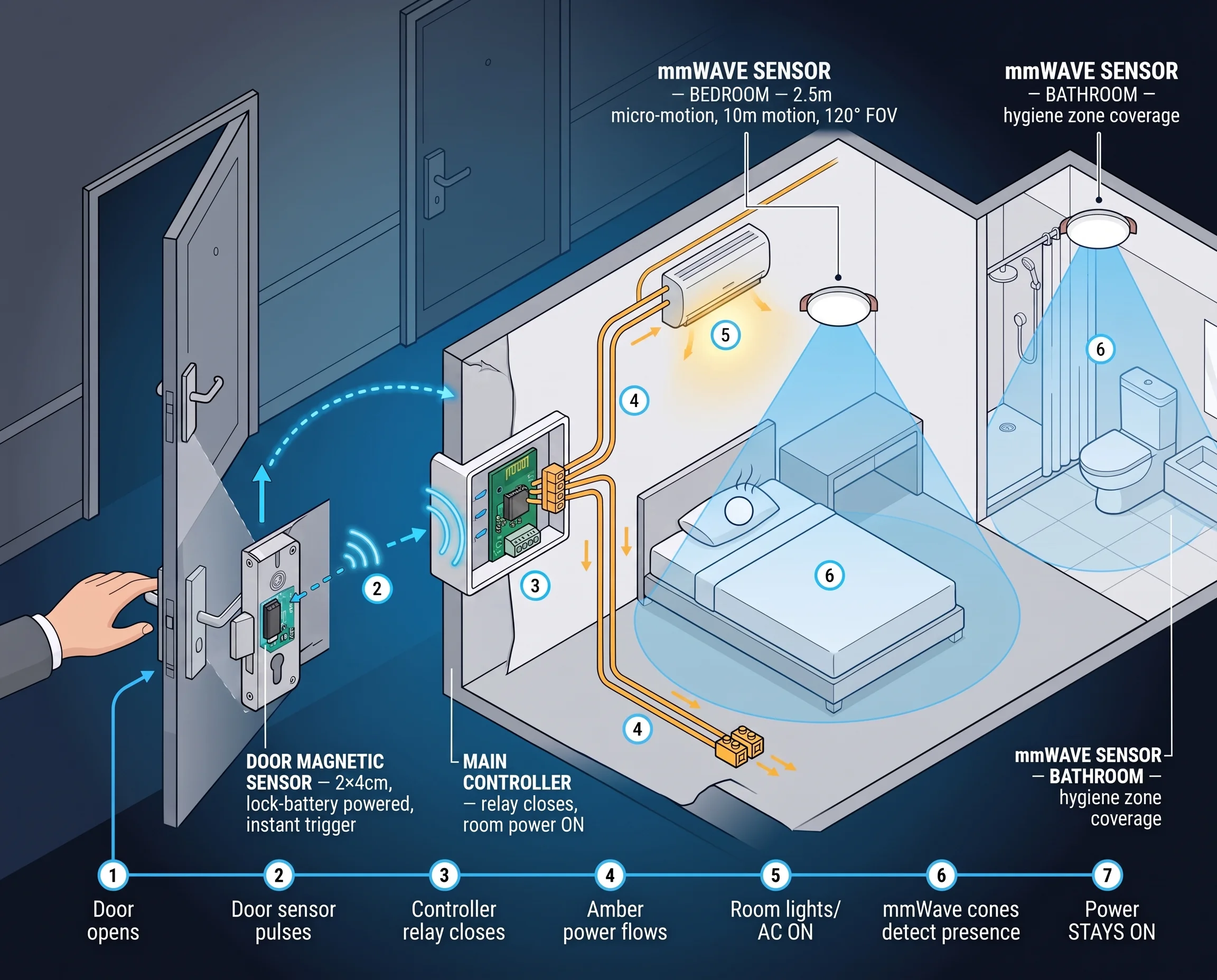
Hotel Room Occupancy & Motion Sensor Solution
mmWave radar presence sensors for hotel room occupancy, housekeeping scheduling, and HVAC energy saving. Detect true occupancy — even when the guest is asleep — with our ceiling-mount hotel room motion sensor.
It supports the same product context: Ceiling Mount mmWave Human Presence Sensor — Zigbee, Ceiling Mount mmWave Human Presence Sensor — WiFi.
Related blog posts
3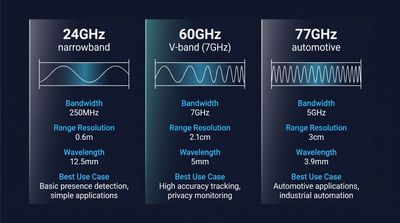
60GHz vs 24GHz vs 77GHz mmWave Sensors: Choosing the Right Frequency for Commercial Presence Detection
Compare 60GHz, 24GHz, and 77GHz mmWave sensors for commercial presence detection. Technical specs, detection range, privacy, and OEM sourcing guidance.
It supports the same product context: Ceiling Mount mmWave Human Presence Sensor — Zigbee, Ceiling Mount mmWave Human Presence Sensor — WiFi.
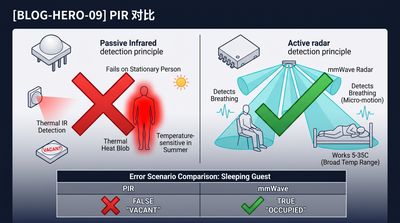
What Is an Electronic Presence Sensor? Technology, Accuracy, and How It Differs From a Motion Sensor
Learn what an electronic presence sensor is, how it detects stationary humans, and how it differs from a PIR motion sensor. Covers mmWave, accuracy, and use cases.
It supports the same product context: Ceiling Mount mmWave Human Presence Sensor — Zigbee, Ceiling Mount mmWave Human Presence Sensor — WiFi.
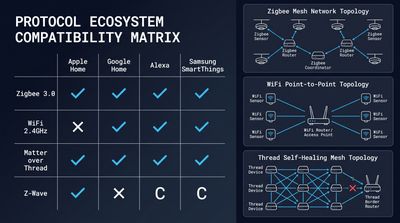
How to Integrate mmWave Presence Sensors With Home Assistant (Local Control Guide)
Step-by-step local control setup guide for mmWave devices, covering MQTT/Matter config, automation scripts, calibration and OEM ceiling presence sensor integration tips.
It supports the same product context: Ceiling Mount mmWave Human Presence Sensor — WiFi, Ceiling Mount mmWave Human Presence Sensor — Zigbee.
Specify your hotel project with our engineers
Send your room count, ceiling type, and protocol preference. We will return a sample plan and quote within 24 business hours.
- Move from general guidance into a product or application discussion.
- Use RFQ when pricing, drawings, MOQ, or launch timing needs structure.
- Keep a direct contact path visible for fast clarifications and handoff.