Human Radar Sensor Supplier: How to Choose a Reliable Vendor for Bulk Procurement
A procurement guide for selecting a human radar sensor supplier. Covers technical capabilities, certifications, lead times, pricing, and supplier evaluation framework.
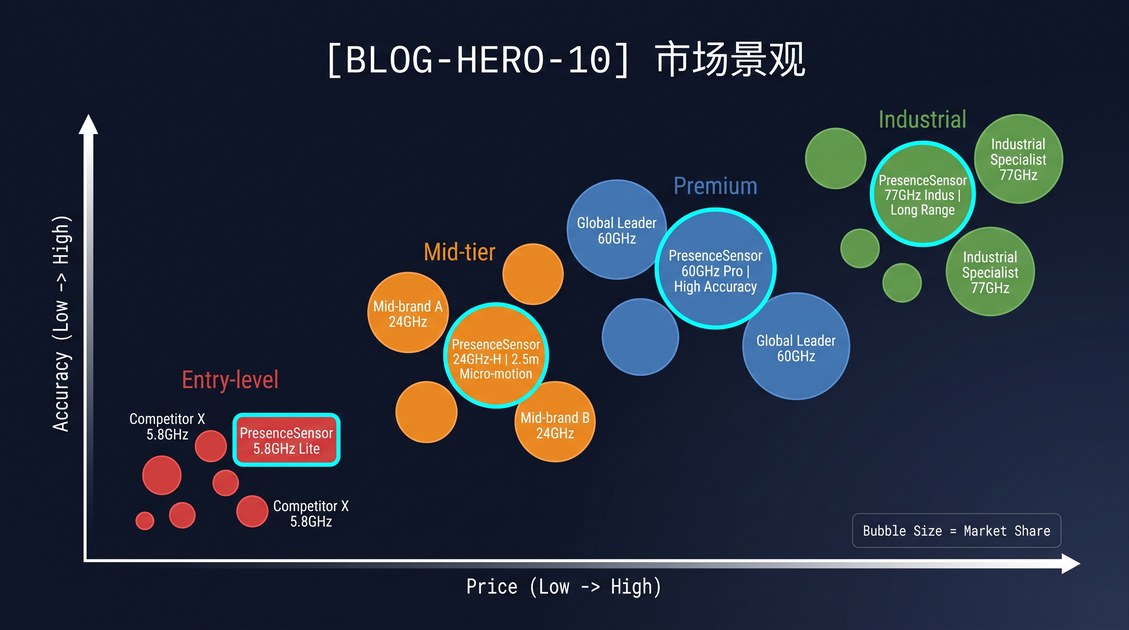
A human radar sensor supplier is a vendor that designs, manufactures, and sells millimeter-wave (mmWave) radar sensors specifically designed to detect human presence, motion, and micro-motion (including breathing) in indoor environments such as hotel rooms, offices, healthcare facilities, and residential homes. The leading human radar sensor suppliers as of 2026 include Tier 1 chip vendors (Texas Instruments, Infineon) that sell mmWave transceiver chips, Tier 1 module vendors (Vayyar, Calterah, SGR) that sell integrated mmWave modules, and Tier 2 product vendors (PresenceSensor, Aqara, and several hospitality-focused vendors) that sell complete, certified mmWave presence sensor products for direct deployment. The supplier selection process for a procurement team must evaluate four major dimensions: technical capability (does the supplier's sensor meet the application requirements for detection range, accuracy, and field of view), manufacturing quality and reliability (what certifications does the supplier hold, what is the field failure rate), supply chain resilience (what is the lead time, is the chipset dual-sourced, what is the geographic risk), and commercial terms (what is the pricing tier, what are the payment terms, what is the warranty policy). A reliable human radar sensor supplier is one that scores well across all four dimensions and can demonstrate a track record of successful deployments in the target vertical.
Selecting the right human radar sensor supplier is one of the most consequential decisions in any presence detection deployment, because the supplier's product will determine the quality of the occupancy data that drives every downstream application (HVAC control, lighting control, housekeeping coordination, security monitoring, and analytics). A poor supplier choice can result in high false positive rates (lights and HVAC activating when the room is empty), high false negative rates (guests detected as absent when they are actually present, triggering intrusion by housekeeping), unreliable connectivity (sensors going offline unexpectedly), or a short operational life (sensors failing after 12–18 months in the field). This guide provides a structured framework for evaluating human radar sensor suppliers, including the technical specifications to verify, the certifications to require, the questions to ask during the procurement process, and the red flags to watch for that indicate a supplier may not be reliable for a long-term bulk procurement relationship.
Human Radar Sensor Supplier: Understanding the Supplier Tiers
The human radar sensor market is structured into three distinct supplier tiers, each with different capabilities, pricing, and target customers. Understanding these tiers is the first step in supplier selection, because a procurement team that needs a finished product for direct deployment will end up at a different tier than a procurement team that needs a mmWave module for integration into a custom product.
Human Radar Sensor Supplier: Tier 1 — Chip Vendors
Tier 1 suppliers are the semiconductor vendors that design and manufacture the mmWave transceiver chips that are the core of every human radar sensor. The leading Tier 1 vendors as of 2026 are:
- Texas Instruments: IWR6843, IWR6443, and IWR1843 (60 GHz FMCW transceivers); AWR2243, AWR1843, AWR1642 (77/79 GHz automotive transceivers). TI is the dominant player in 60 GHz for commercial applications and has the largest market share.
- Infineon: XENSIV 60 GHz FMCW transceivers (BGT60 series, BGT61 series); XENSIV 24 GHz FMCW transceivers. Infineon has a strong position in the automotive 77 GHz market (with the RXS816xPL and similar) and is expanding in 60 GHz for commercial.
- Calterah: CAL60 series (60 GHz FMCW transceivers). Calterah is a Chinese fabless vendor with a strong position in the Asian commercial market.
- SGR: SGR series mmWave transceivers. SGR is another Chinese fabless vendor with growing market share in Asia.
- NXP: TEF82xx, SAF85xx (77/79 GHz automotive transceivers). NXP is the dominant player in the automotive 77 GHz market but is also entering the 60 GHz commercial market.
Procurement teams do not typically buy directly from Tier 1 chip vendors for bulk deployment. Instead, the Tier 1 chip vendors sell their chips to Tier 1 module vendors, who integrate the chips with antennas, RF front-end, and baseband processing into a complete module. A procurement team that needs a finished product for direct deployment would typically source from a Tier 2 product vendor, not from a Tier 1 chip vendor.
Human Radar Sensor Supplier: Tier 1.5 — Module Vendors
Tier 1.5 suppliers are the module vendors that integrate the mmWave chips from Tier 1 with antennas, RF front-end, and baseband processing into a complete mmWave module. The leading Tier 1.5 module vendors include:
- Vayyar: 60 GHz mmWave modules with on-module processing, used in fall detection, presence detection, and automotive applications.
- Calterah: also produces integrated mmWave modules (in addition to chips).
- SGR: also produces integrated mmWave modules.
- Infineon: also offers pre-integrated reference modules based on its XENSIV chips.
Module vendors are the right source for OEMs that want to integrate a mmWave sensor into their own product (a smart thermostat, a lighting fixture, a security panel) without doing the full RF design. A module from a Tier 1.5 vendor typically includes a documented interface (SPI, I2C, GPIO), reference firmware, and application notes, allowing the OEM's engineering team to integrate the mmWave module with their existing product.
Human Radar Sensor Supplier: Tier 2 — Product Vendors
Tier 2 suppliers are the product vendors that design, manufacture, and sell complete, certified mmWave presence sensor products for direct deployment. The leading Tier 2 product vendors include:
- PresenceSensor: ceiling-mounted and wall-mounted mmWave presence sensors with Zigbee, WiFi, and Matter connectivity. The company's product line includes the ceiling-presence-sensor-zigbee, ceiling-presence-sensor-wifi, and ceiling-presence-sensor-matter SKUs.
- Aqara: consumer-focused mmWave presence sensors (FP2 and others) with smart home integration.
- Honeywell: building automation mmWave presence sensors, integrated with the larger Honeywell BMS portfolio.
- Siemens: building automation presence sensors, integrated with the Siemens Desigo BMS.
- Verdant (Copeland): hospitality-focused energy management with integrated occupancy sensing.
For a procurement team that needs a finished product for direct deployment (a hotel chain installing sensors in 200 rooms, an office building installing sensors in 1,000 offices, a healthcare facility installing sensors in 50 patient rooms), the Tier 2 product vendors are the right source. The product is already certified (FCC, CE, RoHS, and possibly regional certifications), the firmware is production-ready, and the supplier provides technical support and warranty.
Human Radar Sensor Supplier: Technical Evaluation Framework
The technical evaluation of a human radar sensor supplier should be based on a structured scorecard that covers the key technical parameters. The following framework is derived from industry best practices and is intended to be used as a template for supplier evaluation.
Human Radar Sensor Supplier: Detection Performance Metrics
The single most important set of technical parameters is detection performance. A procurement team should request independent test data (not just marketing claims) for the following metrics:
- Stationary-occupant true positive rate: the percentage of time that a stationary human occupant is correctly reported as present. The target is above 99% in controlled testing and above 95% in real-world deployment.
- Stationary-occupant false negative rate: the percentage of time that a stationary human occupant is incorrectly reported as absent. The target is below 1% in controlled testing and below 5% in real-world deployment.
- Moving-occupant detection latency: the time between an occupant entering the detection zone and the sensor reporting the change. The target is below 1 second.
- False positive rate: the percentage of time the sensor reports presence when the room is empty. The target is below 1% over a 24-hour period.
- Detection range: the maximum range at which a human occupant (stationary or moving) is reliably detected. The target depends on the application (typically 6–8 m for a ceiling-mounted hotel room sensor).
- Field of view: the angular coverage of the sensor (azimuth and elevation). The target depends on the application (typically ±60° azimuth, ±40° elevation for a ceiling-mounted sensor).
A human radar sensor supplier that cannot provide independent test data for these metrics (or that provides data only for a subset) should be considered higher risk than a supplier that can provide comprehensive data. The test conditions should also be examined: a stationary-occupant true positive rate of 99% achieved in a 5m×5m test room with no HVAC airflow is not the same as a 99% rate achieved in a 4m×6m hotel room with active HVAC, and the supplier should be transparent about the test conditions.
Human Radar Sensor Supplier: Hardware Specifications
The hardware specifications of the sensor are also important. Key hardware parameters to verify include:
- Frequency band and bandwidth: confirm the exact frequency (24 GHz, 60 GHz, or 77 GHz) and the available bandwidth. For stationary-occupant detection, 60 GHz with 7 GHz bandwidth is the minimum acceptable.
- Antenna configuration: confirm the MIMO configuration (2×2, 3×3, 4×4) and the field of view.
- Power consumption: confirm the active and standby power consumption, and the power source (mains, battery, PoE).
- Form factor: confirm the physical dimensions and the mounting method.
- IP rating: confirm the ingress protection rating for the target environment.
- Operating temperature range: confirm the operating temperature range, which is particularly important for outdoor or industrial applications.
- Connectivity: confirm the wireless protocol (Zigbee, WiFi, Matter, Bluetooth, BACnet) and the network capabilities (mesh, end device, router).
Human Radar Sensor Supplier: Firmware and Software
The firmware and software capabilities of the sensor determine how easily it can be integrated with the target system. Key firmware/software parameters to verify include:
- Configuration interface: how is the sensor configured (web UI, mobile app, cloud platform, on-device buttons)? A sensor with multiple configuration options is more flexible than one with a single option.
- API and integration: does the sensor expose an API for integration with third-party systems? What protocols are supported (REST, MQTT, BACnet, Modbus)?
- Firmware update mechanism: how are firmware updates delivered (over-the-air, wired, factory)? How frequently are updates released?
- Data format: what data does the sensor output (binary occupancy, raw point cloud, classified events, zone-level occupancy)? This is particularly important for privacy-sensitive deployments.
- On-device processing: what processing is done on-device (FFT, classification, ML inference)? A sensor that does all processing on-device is more privacy-friendly than one that sends raw data to the cloud.
- Event reporting: what events are reported (occupancy change, motion event, fall event, anomaly)? How is the event reported (push, polling, on-change)?
Human Radar Sensor Supplier: Certifications and Compliance
Certifications are a critical component of supplier evaluation, because they determine whether the sensor can be legally deployed in the target market and whether the sensor meets industry-specific compliance requirements. A procurement team should require the following certifications from a human radar sensor supplier.
Human Radar Sensor Supplier: Regional Wireless Certifications
The following regional wireless certifications are required for any mmWave sensor sold in the corresponding market:
- FCC (United States): required for any radio frequency device sold in the US. The specific FCC rule depends on the frequency band (FCC Part 15.249 for 24 GHz, FCC Part 15.255 for 60 GHz, FCC Part 15.253 for 77 GHz). The supplier should provide an FCC ID for the sensor.
- CE (European Union): required for any radio frequency device sold in the EU. The CE marking covers the Radio Equipment Directive (RED, 2014/53/EU), the Low Voltage Directive (LVD, 2014/35/EU), and the EMC Directive (2014/30/EU). For 60 GHz, EN 305 550 is the relevant harmonized standard. The supplier should provide a Declaration of Conformity (DoC) and a CE Technical File.
- IC (Canada): required for any radio frequency device sold in Canada, administered by Innovation, Science and Economic Development Canada (ISED). The supplier should provide an IC ID.
- MIC (Japan): required for any radio frequency device sold in Japan, administered by the Ministry of Internal Affairs and Communications. The supplier should provide a MIC ID.
- SRRC (China): required for any radio frequency device sold in China, administered by the State Radio Regulation Committee. The supplier should provide a SRRC ID.
- KC (South Korea): required for any radio frequency device sold in South Korea, administered by the Korea Communications Commission. The supplier should provide a KC ID.
- NCC (Taiwan): required for any radio frequency device sold in Taiwan, administered by the National Communications Commission. The supplier should provide a NCC ID.
- RCM (Australia/New Zealand): required for any radio frequency device sold in Australia or New Zealand, administered by the Australian Communications and Media Authority (ACMA). The supplier should provide an RCM mark.
A human radar sensor supplier that does not hold the certifications required for the target market is not a viable source, because the procurement team would be responsible for obtaining the certifications themselves, which adds significant cost and time to the deployment.
Human Radar Sensor Supplier: Safety and Environmental Certifications
The following safety and environmental certifications are typically required for any electronic product sold in major markets:
- UL (United States): safety certification for electrical products. UL listing is required for many commercial and residential electrical installations.
- RoHS (global): restriction of hazardous substances. RoHS compliance is required for any electronic product sold in the EU, China, California, and several other jurisdictions.
- REACH (European Union): registration, evaluation, authorization, and restriction of chemicals. REACH compliance is required for any product sold in the EU.
- WEEE (European Union): waste electrical and electronic equipment directive. WEEE compliance is required for any electronic product sold in the EU.
- Prop 65 (California): California Safe Drinking Water and Toxic Enforcement Act. Prop 65 compliance is required for any product sold in California that contains chemicals on the Prop 65 list.
A human radar sensor supplier that does not hold these certifications may be a low-cost source for prototyping but is not a viable source for production deployment in regulated markets.
Human Radar Sensor Supplier: Industry-Specific Certifications
Some deployment verticals require additional industry-specific certifications:
- HIPAA (United States healthcare): the Health Insurance Portability and Accountability Act does not technically require certification, but a healthcare deployment that involves the processing of patient data must implement appropriate technical safeguards. A human radar sensor supplier that targets the healthcare market should have a documented HIPAA compliance program and should be willing to sign a Business Associate Agreement (BAA).
- GDPR (European Union): the General Data Protection Regulation does not require certification, but a deployment that involves the processing of personal data of EU residents must implement appropriate technical and organizational measures. A supplier that targets the EU market should have a documented GDPR compliance program and should provide data processing agreements.
- CCPA (California): the California Consumer Privacy Act does not require certification, but a deployment that involves the processing of personal data of California residents must implement appropriate consumer rights. A supplier that targets the California market should have a documented CCPA compliance program.
- SB-327 (California): the California IoT security law requires "reasonable security features" for connected devices sold in California. A supplier that targets the California market should provide documentation of SB-327 compliance.
- NIST CSF (United States): the NIST Cybersecurity Framework is a voluntary framework, but a supplier that targets the US enterprise market should align with the framework.
- PCI DSS: not typically applicable to presence sensors, but if the sensor is integrated with a payment processing system, PCI DSS compliance is required.
- ISO 27001: an information security management system certification that is increasingly required for enterprise deployments.
Human Radar Sensor Supplier: Supply Chain Resilience
The supply chain resilience of a human radar sensor supplier is a critical evaluation criterion, especially for large-scale deployments where a supply disruption could delay the entire project. The following supply chain parameters should be evaluated.
Human Radar Sensor Supplier: Chipset Sourcing
The first supply chain parameter to evaluate is chipset sourcing. A human radar sensor supplier that is single-sourced on a specific mmWave chipset is exposed to supply disruptions if that chipset vendor has production issues, allocation events, or end-of-life announcements. A supplier that is dual-sourced on mmWave chipsets (using chips from two different chipset vendors) is more resilient. The supplier should be transparent about their chipset sourcing strategy and should have a documented plan for migrating to an alternate chipset if the primary chipset is disrupted.
For a 60 GHz human radar sensor, dual-sourcing is feasible (Texas Instruments, Infineon, Calterah, SGR, and others all offer 60 GHz chips), and a well-managed supplier should have qualified at least two sources. For 77 GHz, dual-sourcing is more challenging because the chipset market is dominated by a smaller number of automotive vendors.
Human Radar Sensor Supplier: Lead Time
The standard lead time for a human radar sensor is typically 4–12 weeks at 10K volume, depending on the supplier and the complexity of the product. A lead time longer than 12 weeks at 10K volume should be questioned, as it may indicate that the supplier is running close to capacity or that they have supply chain bottlenecks. A lead time shorter than 4 weeks at 10K volume may indicate that the supplier is keeping finished goods inventory, which is a positive sign of supply chain maturity but also means the supplier has working capital tied up in inventory.
A procurement team planning a large deployment should negotiate a guaranteed lead time as part of the supply agreement, with penalty clauses if the supplier fails to meet the lead time. The penalty clauses can be financial (a discount on late deliveries) or operational (a right of first refusal on alternative supply).
Human Radar Sensor Supplier: Capacity Headroom
The supplier's capacity headroom is the difference between their current production volume and their maximum production volume. A supplier running at 95%+ capacity has limited flexibility to handle forecast increases or surge orders. A supplier running at 60–80% capacity has more flexibility and is generally a more reliable long-term partner. The supplier should be willing to share their capacity utilization (and their future capacity expansion plans) with the procurement team.
For a procurement team planning a multi-year deployment with growing volume, the supplier's capacity expansion plan is particularly important. A supplier with a clear plan to expand capacity in line with the procurement team's forecast is a more reliable partner than a supplier whose capacity is constrained.
Human Radar Sensor Supplier: Geographic Risk
The geographic location of the supplier's manufacturing facility affects supply chain resilience. A supplier with manufacturing concentrated in a single country (especially a country with geopolitical risk) is more vulnerable to disruptions than a supplier with manufacturing in multiple countries. The COVID-19 pandemic of 2020–2022 highlighted this risk, with many single-country suppliers experiencing significant disruptions while multi-country suppliers were able to shift production.
A human radar sensor supplier that manufactures in multiple countries (e.g., China and Vietnam, or China and Mexico) is generally a more reliable long-term partner than a supplier that manufactures in a single country. The multi-country manufacturing strategy may increase the unit cost slightly (due to the complexity of running multiple facilities), but the supply chain resilience benefit often outweighs the cost premium.
Human Radar Sensor Supplier: Commercial Terms
The commercial terms of a human radar sensor supplier are the final evaluation dimension. The following commercial parameters should be evaluated.
Human Radar Sensor Supplier: Pricing Structure
The pricing structure of a human radar sensor supplier should be transparent and should provide clear volume discounts across the relevant volume tiers. The standard pricing structure is:
- 1,000-unit lot: highest per-unit price, reflects setup cost amortization
- 10,000-unit lot: 20–40% lower per-unit price, reflects volume discount
- 100,000-unit lot: 30–60% lower per-unit price, reflects high-volume discount
The supplier should provide price quotes for all three tiers (and possibly intermediate tiers like 2,500 and 25,000), with clear MOQs and lead times for each tier. The supplier should also be willing to negotiate volume-based rebates, where the supplier returns a percentage of the annual spend to the procurement team if certain volume thresholds are met.
Human Radar Sensor Supplier: Payment Terms
The standard payment terms for a human radar sensor supplier are net 30 days (payment due 30 days after invoice). A procurement team with a strong balance sheet can often negotiate net 60 or net 90 days, which improves cash flow. For high-volume orders, some suppliers offer early payment discounts (e.g., 2% discount for payment in 10 days), which can reduce the effective per-unit cost by 2–3%.
The procurement team should also clarify whether the supplier accepts letters of credit (for international transactions), wire transfers, or other payment methods. For international procurement, the choice of payment method can affect the total cost (wire transfer fees, foreign exchange risk, letter of credit fees) and should be considered in the landed cost calculation.
Human Radar Sensor Supplier: Warranty and Returns
The standard warranty for a human radar sensor is 12–24 months from delivery. A procurement team should negotiate a longer warranty (24–36 months) for large deployments, especially for sensors that are difficult to replace (e.g., ceiling-mounted sensors in a hotel room that requires scaffolding for replacement).
The return process for defective units should also be clarified. A supplier with a clear and fast return process (advance replacement, return material authorization within 5 business days) is more reliable than a supplier with a slow and bureaucratic process.
Human Radar Sensor Supplier: Minimum Order Quantity and Lead Time
The MOQ for a human radar sensor is typically 500–1,000 units, depending on the supplier and the product complexity. A supplier with an MOQ below 500 units is suitable for small deployments and pilot projects. A supplier with an MOQ above 1,000 units is more focused on large deployments and may not be a good fit for small or pilot projects.
The lead time should be confirmed at each volume tier, and should be tracked against the procurement team's deployment timeline. A procurement team that needs 5,000 sensors in 8 weeks but a supplier with a 12-week lead time at 5,000 volume would need to either accept a delayed deployment, negotiate a faster lead time (possibly at a higher cost), or find an alternate supplier.
Human Radar Sensor Supplier: Red Flags to Watch For
Several red flags can indicate that a human radar sensor supplier is not a reliable long-term partner. The procurement team should be alert to these red flags and should ask clarifying questions when they appear.
Human Radar Sensor Supplier: Marketing Claims Without Independent Test Data
A supplier that makes aggressive performance claims (e.g., "99.9% accuracy," "zero false positives," "10-year battery life") without providing independent test data is a red flag. Independent test data is data collected by a third-party testing organization (or by the supplier under a documented test methodology) that the procurement team can review and verify. A supplier that provides only marketing claims and refuses to provide test data is hiding something — either the data does not exist (the product has not been independently tested) or the data is worse than the marketing claims.
A reasonable request is to ask for the test methodology and a redacted version of the test report, with the actual numerical results. A supplier that provides a complete test methodology and full numerical data is more credible than one that provides only summary claims.
Human Radar Sensor Supplier: Missing Certifications
A supplier that does not hold the certifications required for the target market (FCC, CE, IC, MIC, etc.) is not a viable source for production deployment. A supplier that is "in the process of obtaining" the certifications is a higher risk than a supplier that already holds the certifications. The procurement team should ask for the actual certification documents (FCC ID, CE DoC, IC ID) and should verify the documents by looking up the FCC ID on the FCC website and the IC ID on the ISED website.
Human Radar Sensor Supplier: Vague Production Capacity Information
A supplier that cannot provide clear information about their production capacity, their lead time, or their chipset sourcing is a higher risk than a supplier that is transparent. The supplier should be willing to share their production capacity (in units per month or per year), their current capacity utilization, and their future capacity expansion plans. A supplier that deflects these questions or provides vague answers is hiding capacity constraints or supply chain issues.
Human Radar Sensor Supplier: Unwillingness to Provide References
A supplier that is unwilling to provide references from existing customers is a red flag, especially for a Tier 2 product vendor. The procurement team should ask for at least 2–3 references from existing customers in the target vertical (hotel, office, healthcare, residential) and should follow up with the references to verify the supplier's claims. A supplier that has happy customers will be eager to provide references; a supplier with unhappy customers may be reluctant to provide references.
Human Radar Sensor Supplier: Unreasonable Payment Terms
A supplier that demands 100% payment in advance (before delivery) is a high-risk source, especially for first-time orders. Standard payment terms for established suppliers are net 30 to net 90 days, with a deposit of 30% being common for custom orders. A supplier that demands 100% advance payment may be in financial distress, may be a new entrant without established credit, or may be fraudulent. The procurement team should verify the supplier's business credentials (company registration, banking references, business credit rating) before making any advance payment.
Human Radar Sensor Supplier: Final Recommendation
Selecting the right human radar sensor supplier is a structured, multi-dimensional evaluation that should be approached as a strategic sourcing decision rather than a simple procurement transaction. The procurement team should start by defining the application requirements (detection range, stationary-occupant detection, field of view, connectivity, certifications), then identify a shortlist of 3–5 suppliers that meet the basic requirements, then evaluate each supplier across the four dimensions (technical capability, certifications, supply chain resilience, commercial terms), and then select the supplier that scores best across all dimensions.
For a procurement team that needs a finished product for direct deployment, a Tier 2 product vendor is the right source. The supplier should hold the required certifications for the target market, should provide independent test data for the key performance metrics, should have a transparent supply chain with a reasonable lead time, and should offer commercial terms that are fair and flexible. The procurement team should request a pilot order (50–500 units) before committing to a full bulk order, and should verify the supplier's claims during the pilot.
For a procurement team that needs a mmWave module for integration into a custom product, a Tier 1.5 module vendor is the right source. The supplier should provide a documented module interface, reference firmware, and application notes, and should support the OEM through the integration process. The procurement team should request evaluation units (typically 5–10 units at no charge) before committing to a bulk order.
Regardless of the supplier tier, the procurement team should always request a pilot order before committing to a full bulk order, and should verify the supplier's claims during the pilot. A pilot order is the most reliable way to identify supplier issues that may not be apparent from marketing materials or from a single phone call. With a structured evaluation framework and a disciplined pilot process, a procurement team can identify a reliable human radar sensor supplier that will deliver a high-quality product for a long-term bulk deployment.
Part of this article content is generated by AI and optimized for professional accuracy and readability.
Not sure which sensor fits your project?
Talk to our mmWave application engineers for a free consultation.
Find the right presence sensor for your hotel project
Compare the 3 protocols, check hotel-specific case studies, and download the installation guide
Related products
2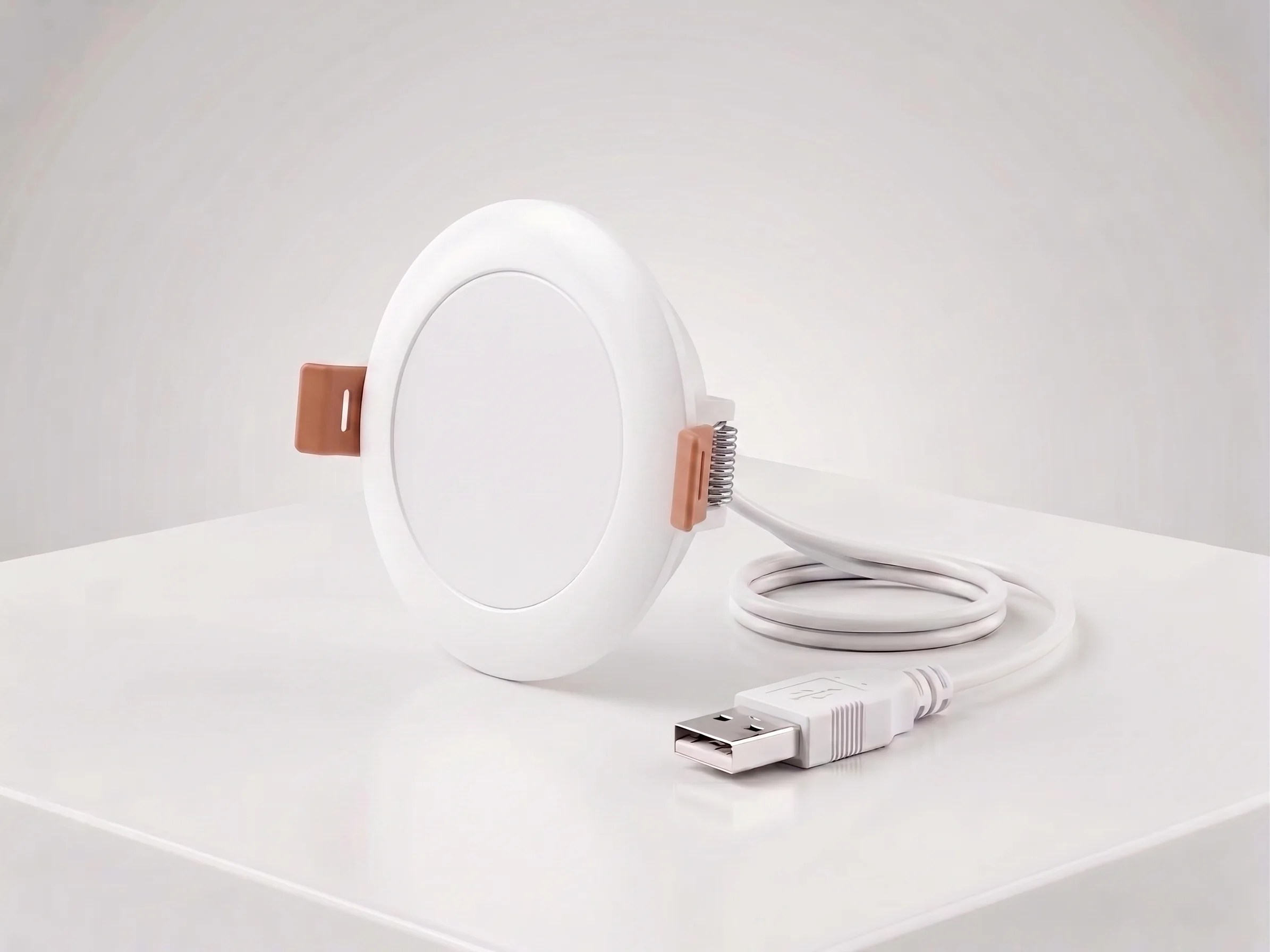
Ceiling Mount mmWave Human Presence Sensor — Zigbee
24GHz wideband mmWave ceiling presence sensor with 10m motion detection, 2.5m micro-motion, and breathing detection. 120° field, DC5V, Zigbee 3.0. For hotel room occupancy and commercial automation.
This page already points to it as the next recommended reference.
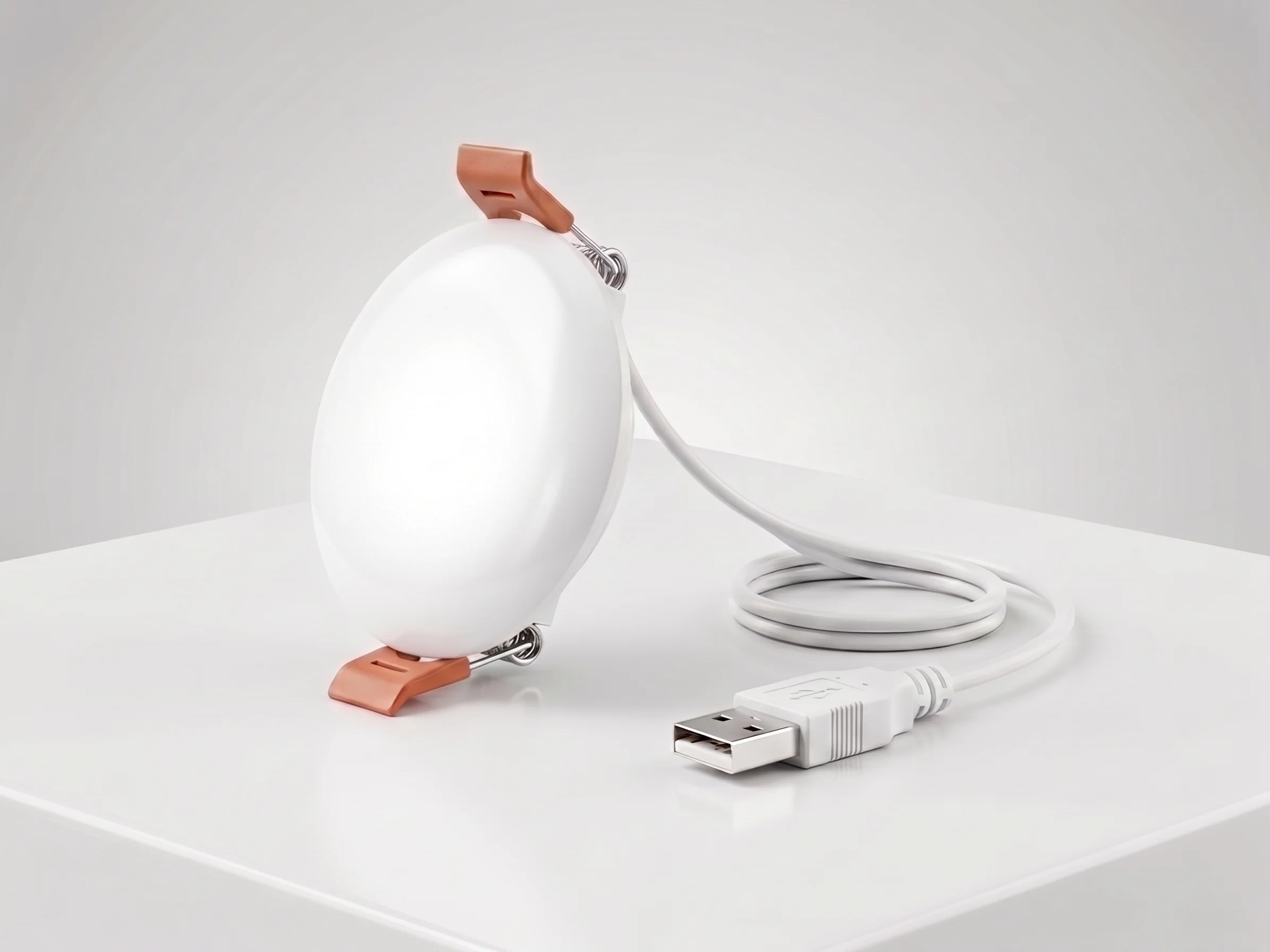
Ceiling Mount mmWave Human Presence Sensor — WiFi
24GHz wideband mmWave ceiling presence sensor with 10m motion detection, 2.5m micro-motion, and breathing detection. 120° field, DC5V, WiFi 2.4GHz. No gateway required for retrofit hotel and apartment projects.
This page already points to it as the next recommended reference.
Related solutions
1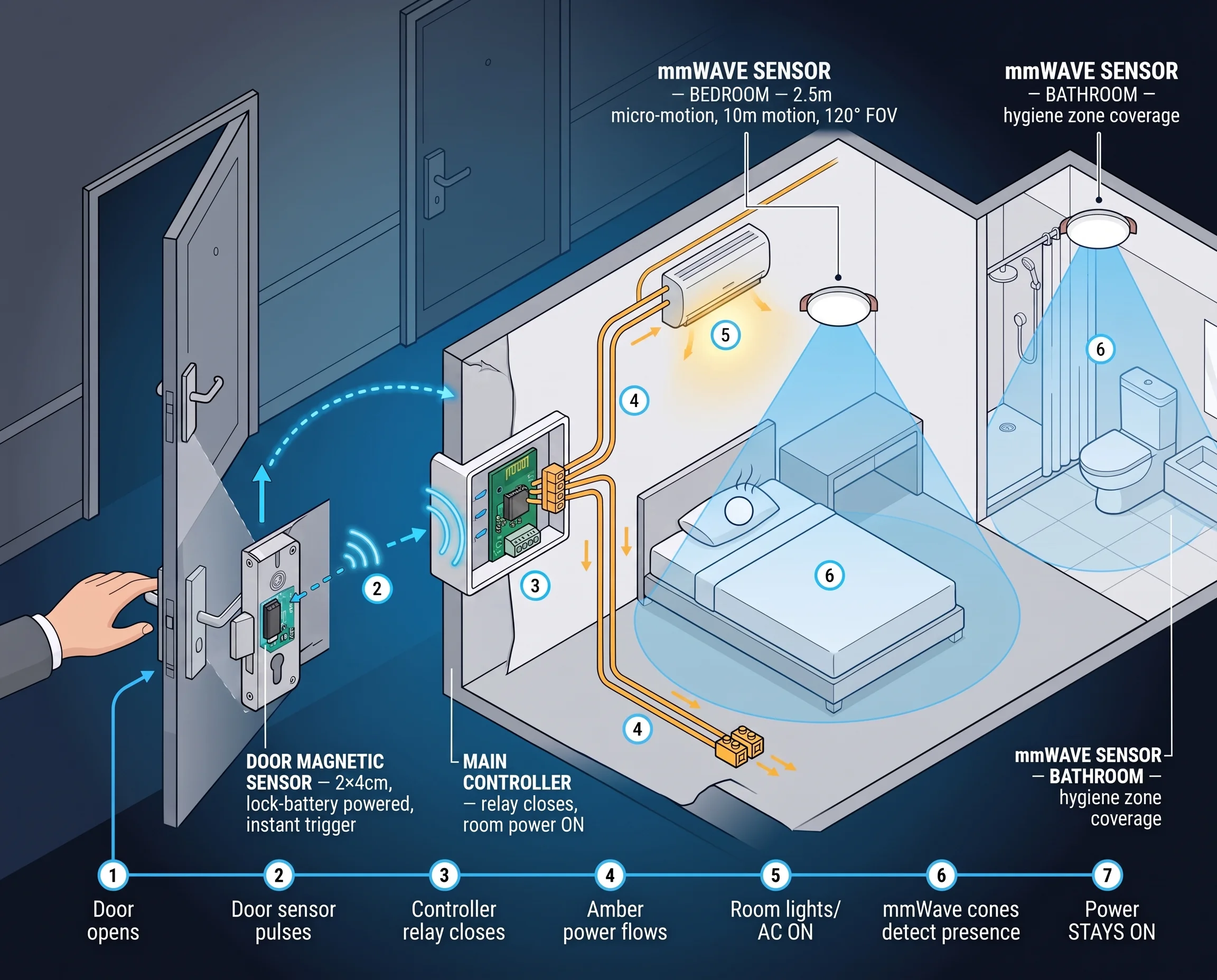
Hotel Room Occupancy & Motion Sensor Solution
mmWave radar presence sensors for hotel room occupancy, housekeeping scheduling, and HVAC energy saving. Detect true occupancy — even when the guest is asleep — with our ceiling-mount hotel room motion sensor.
It supports the same product context: Ceiling Mount mmWave Human Presence Sensor — Zigbee, Ceiling Mount mmWave Human Presence Sensor — WiFi.
Related blog posts
3
60GHz vs 24GHz vs 77GHz mmWave Sensors: Choosing the Right Frequency for Commercial Presence Detection
Compare 60GHz, 24GHz, and 77GHz mmWave sensors for commercial presence detection. Technical specs, detection range, privacy, and OEM sourcing guidance.
It supports the same product context: Ceiling Mount mmWave Human Presence Sensor — Zigbee, Ceiling Mount mmWave Human Presence Sensor — WiFi.
What Is an Electronic Presence Sensor? Technology, Accuracy, and How It Differs From a Motion Sensor
Learn what an electronic presence sensor is, how it detects stationary humans, and how it differs from a PIR motion sensor. Covers mmWave, accuracy, and use cases.
It supports the same product context: Ceiling Mount mmWave Human Presence Sensor — Zigbee, Ceiling Mount mmWave Human Presence Sensor — WiFi.
How to Integrate mmWave Presence Sensors With Home Assistant (Local Control Guide)
Step-by-step local control setup guide for mmWave devices, covering MQTT/Matter config, automation scripts, calibration and OEM ceiling presence sensor integration tips.
It supports the same product context: Ceiling Mount mmWave Human Presence Sensor — WiFi, Ceiling Mount mmWave Human Presence Sensor — Zigbee.
Specify your hotel project with our engineers
Send your room count, ceiling type, and protocol preference. We will return a sample plan and quote within 24 business hours.
- Move from general guidance into a product or application discussion.
- Use RFQ when pricing, drawings, MOQ, or launch timing needs structure.
- Keep a direct contact path visible for fast clarifications and handoff.