Ceiling mmWave Sensor: Complete Guide to mmWave Ceiling Presence Detection 2026
A complete guide to ceiling mmWave sensors. Learn about mmWave radar technology, ceiling mounting best practices, and how to choose the right sensor for your application.
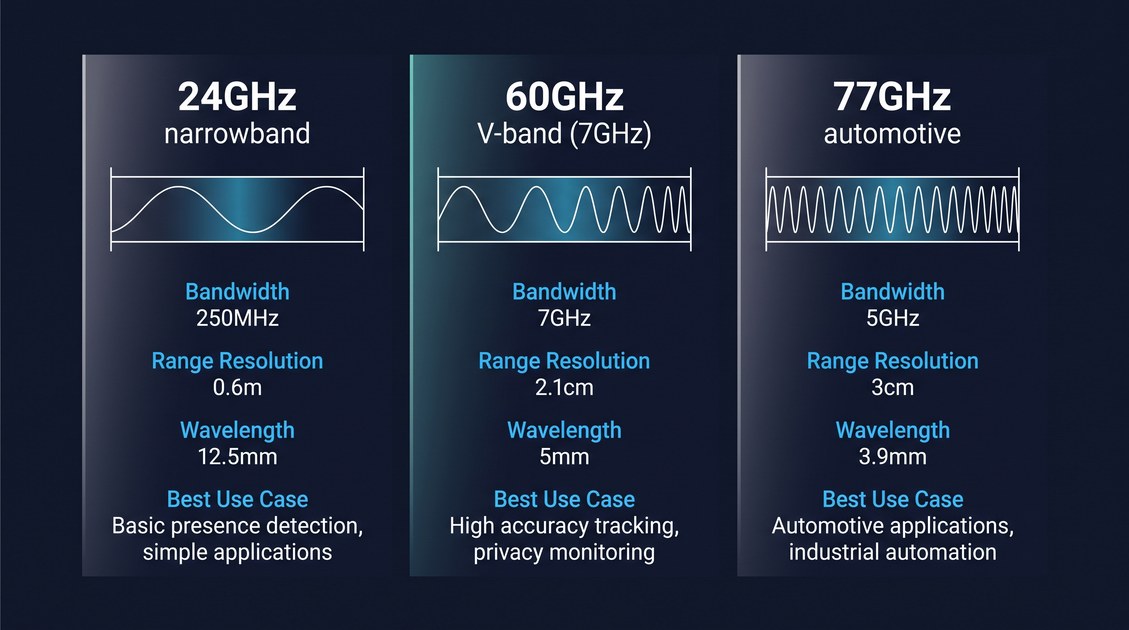
A ceiling mmWave sensor is a presence detection device mounted on the ceiling of a room that uses millimeter-wave (mmWave) radar technology — most commonly operating at 60 GHz (57–64 GHz) with 7 GHz of bandwidth — to detect both moving and stationary human occupants, including those who are sleeping, sitting motionless, or reading without significant movement, by sensing the micro-Doppler signature of human breathing at 0.2–0.5 Hz from a typical ceiling mounting height of 2.5–3.0 meters with a stationary-occupant true positive rate above 99% in controlled testing. The ceiling-mounted form factor is the dominant choice for commercial presence detection in hotel rooms, office conference rooms, healthcare patient rooms, and residential living spaces, where it provides a 360-degree field of view of the room, a detection range of 6–8 meters for stationary occupants, and a compact 70 mm diameter ceiling puck form factor that is visually unobtrusive. A modern ceiling mmWave sensor integrates a 3×3 or 4×4 MIMO antenna array (for fine angular resolution and multi-target tracking), 7 GHz of FMCW bandwidth (for 2.1 cm range resolution), on-chip FFT processing (for real-time signal analysis), and machine learning classification (for distinguishing human presence from environmental noise), with a stationary-occupant detection accuracy that significantly exceeds the legacy passive infrared (PIR) motion sensor in any application where the occupant may be still for extended periods.
Selecting and installing a ceiling mmWave sensor requires understanding the technology options, the installation best practices, and the application-specific requirements. This guide provides a comprehensive overview of ceiling mmWave sensors, covering the technology and form factor, the installation best practices that determine real-world performance, the performance benchmarks that distinguish a high-quality sensor from a mediocre one, and the selection criteria for choosing the right sensor for a specific application.
Ceiling mmWave Sensor: Technology and Form Factor
The technology and form factor of a ceiling mmWave sensor are determined by the mmWave frequency band, the antenna array configuration, the on-board signal processing, and the integration with the downstream automation system.
Ceiling mmWave Sensor: The 60 GHz Frequency Band
The 60 GHz ISM band (57–64 GHz) is the default frequency for ceiling mmWave sensors in 2026, providing 7 GHz of bandwidth that enables 2.1 cm range resolution and micro-Doppler detection of human breathing. The 5 mm wavelength at 60 GHz allows a compact 3×3 MIMO antenna array to fit in a 20×20 mm PCB area, enabling the 70 mm diameter ceiling puck form factor that is the standard for commercial deployments.
The 60 GHz band has three key advantages for ceiling-mounted presence detection:
- Wide bandwidth: 7 GHz of bandwidth enables fine range resolution and micro-Doppler sensitivity
- Compact antennas: the 5 mm wavelength allows small antenna arrays, enabling a compact form factor
- Privacy barrier: the high oxygen absorption at 60 GHz (~15 dB/km) and the strong attenuation by drywall prevent the signal from propagating between rooms, providing a natural privacy barrier for hotel and residential deployments
The regulatory environment for 60 GHz sensors is mature worldwide (FCC Part 15.255 in the US, EN 305 550 in the EU), and the chipset ecosystem is competitive (Texas Instruments, Infineon, Calterah, SGR, and others).
Ceiling mmWave Sensor: MIMO Antenna Array Configuration
The antenna array configuration determines the angular resolution and the multi-target tracking capability of the ceiling mmWave sensor. The common configurations are:
- 1×1 (single antenna pair): provides basic presence detection with no angular resolution. Suitable for the simplest applications.
- 2×2 MIMO: provides basic angular resolution in one dimension (azimuth), with the ability to localize the occupant to within 1–2 m at typical room distances. Suitable for hotel rooms and small offices.
- 3×3 MIMO: provides fine angular resolution in two dimensions (azimuth and elevation), with the ability to localize the occupant to within 0.5–1 m. Suitable for larger hotel rooms, conference rooms, and applications that require multi-target tracking.
- 4×4 MIMO: provides the finest angular resolution and the best multi-target tracking capability. Suitable for large conference rooms and applications that require precise localization.
For most hotel, office, and residential applications, a 3×3 MIMO antenna array is the right balance of performance and cost.
Ceiling mmWave Sensor: On-Board Signal Processing
Modern ceiling mmWave sensors integrate significant on-board signal processing, including:
- FMCW chirp generation and reception
- Range FFT and Doppler FFT (typically hardware-accelerated)
- Range-Doppler map generation
- Micro-motion extraction (breathing detection)
- Machine learning classification (human vs. non-human)
The on-board processing enables the sensor to report a simple occupancy state (and optionally the number of occupants, the activity, or the location) without requiring a powerful external processor.
Ceiling mmWave Sensor: Performance Benchmarks
The performance of a ceiling mmWave sensor is characterized by several key metrics, and understanding these metrics is essential for selecting a high-quality sensor.
Ceiling mmWave Sensor: Stationary-Occupant True Positive Rate
The stationary-occupant true positive rate (TPR) is the single most important metric for a ceiling mmWave sensor. A high-quality 60 GHz sensor achieves a TPR above 99% in controlled testing and above 95% in real-world deployment. A sensor with a TPR below 95% is generally not suitable for applications where stationary occupant detection is the primary requirement (hotel rooms, bedrooms, offices, healthcare patient rooms).
Ceiling mmWave Sensor: False Positive Rate
The false positive rate (FPR) is the percentage of time the sensor reports presence when the room is actually empty. A high-quality ceiling mmWave sensor achieves an FPR below 1% over a 24-hour period in a typical indoor environment. A sensor with a high FPR will cause the downstream automation to activate when the room is empty, wasting energy and degrading the user experience.
Ceiling mmWave Sensor: Detection Range and Field of View
The detection range of a 60 GHz ceiling mmWave sensor is 6–8 m for stationary occupants and 8–12 m for moving occupants when mounted at 2.5–3.0 m. The field of view is typically ±60° azimuth and ±40° elevation, which provides 360-degree coverage of a room when mounted in the center of the ceiling.
Ceiling mmWave Sensor: Detection Latency
The detection latency is the time between an occupant entering the detection zone and the sensor reporting the change. For a ceiling mmWave sensor, the latency is typically 0.5–3 seconds, depending on the duty cycle and the signal processing pipeline. For applications that require sub-second latency (security, fall detection), a sensor with a fast duty cycle is required.
Ceiling mmWave Sensor: Power Consumption
The power consumption of a ceiling mmWave sensor is typically 0.5–1.0 W when active, with a few milliwatts in standby (for duty-cycled configurations). For mains-powered deployments, the power consumption is not a concern. For battery-powered deployments, the power consumption determines the battery life, with a typical CR123A cell providing 12–18 months of operation at a 2–3 second radar duty cycle.
Ceiling mmWave Sensor: Installation Best Practices
The installation of a ceiling mmWave sensor is critical to its performance, and several best practices must be followed to achieve the high accuracy levels that justify the higher cost compared to a PIR motion sensor.
Ceiling mmWave Sensor: Mounting Height
The recommended mounting height for a ceiling mmWave sensor is 2.5–3.0 m, which is the standard ceiling height in most commercial buildings. At this height, a sensor with a ±60° azimuth field of view can cover a room of up to 5×5 m, and a sensor with a ±40° elevation field of view can cover a floor area of up to 4×4 m.
Mounting the sensor too high (above 3.5 m) reduces the field of view at floor level and may create dead zones. Mounting the sensor too low (below 2.0 m) makes the sensor vulnerable to tampering and may create a less aesthetically pleasing installation.
Ceiling mmWave Sensor: Mounting Location
The recommended mounting location is the center of the ceiling, directly above the main activity area. For a hotel room, the main activity area is the bed, so the sensor should be mounted above the center of the bed. For an office, the main activity area is the desk, so the sensor should be mounted above the center of the desk. For a meeting room, the main activity area is the conference table, so the sensor should be mounted above the center of the table.
The sensor should be mounted at least 0.5 m from any wall, 0.5 m from any metal object, and 0.5 m from any HVAC diffuser. These minimum distances prevent the sensor from being affected by reflections, occlusions, or HVAC-induced air currents.
Ceiling mmWave Sensor: Orientation
The sensor's antenna array should be oriented to provide full coverage of the room, with the broad axis of the field of view aligned with the longest dimension of the room. For a rectangular room, the sensor should be oriented so that the broad axis of the field of view is aligned with the long axis of the room, providing wider coverage along the long axis.
Ceiling mmWave Sensor: Power and Connectivity
A ceiling mmWave sensor can be powered by mains (via a power adapter or a junction box), by Power over Ethernet (PoE), or by battery. Mains power is the most common for hotel and office deployments, while PoE is preferred for office deployments where Ethernet cabling is available. Battery power is used in some retrofit deployments where mains power is not readily available.
The connectivity can be Zigbee, WiFi, Matter, BACnet, or a wired protocol. The choice depends on the existing infrastructure and the integration requirements. For hotel deployments, Zigbee is the most common. For office deployments, WiFi or PoE with BACnet is common. For residential smart home deployments, Matter or Zigbee is the most common.
Ceiling mmWave Sensor: Use Cases
The ceiling mmWave sensor is the dominant form factor for several major application verticals.
Ceiling mmWave Sensor: Hotel Room Deployment
Hotel rooms are the canonical application for the ceiling mmWave sensor. A 60 GHz sensor mounted in the center of the ceiling at 2.5–3.0 m provides full coverage of the room, including the bed, the desk, the bathroom entry, and the seating area. The sensor detects the guest throughout the stay, including when they are sleeping, and feeds the occupancy data to the building management system for housekeeping coordination and the HVAC system for energy management.
Ceiling mmWave Sensor: Office and Conference Room Deployment
Office buildings use ceiling mmWave sensors for per-room HVAC and lighting control, conference room availability detection, and space utilization analytics. A ceiling mmWave sensor in an individual office detects whether the office is occupied and adjusts the HVAC and lighting accordingly. In a conference room, the sensor detects whether the room is occupied and provides the data to the scheduling system for real-time room availability.
Ceiling mmWave Sensor: Healthcare and Patient Room Deployment
Healthcare facilities use ceiling mmWave sensors in patient rooms for fall detection, bed-exit alerting, and occupancy-based environmental control. The privacy profile of mmWave radar (no images, non-invasive) makes it suitable for deployment in private spaces where camera-based sensing would be inappropriate.
Ceiling mmWave Sensor: Residential Smart Home Deployment
Residential smart homes use ceiling mmWave sensors for occupancy-based lighting, HVAC control, and security monitoring. The most compelling use case for residential sensors is the prevention of the "light turned off while reading" problem that plagues PIR-based motion sensors.
Ceiling mmWave Sensor: Selection Criteria
Selecting the right ceiling mmWave sensor for a specific application requires evaluating several criteria.
Ceiling mmWave Sensor: Detection Performance
The detection performance is the most important criterion. Key metrics include stationary-occupant TPR, FPR, detection range, and field of view. The sensor vendor should provide independent test data for these metrics.
Ceiling mmWave Sensor: Form Factor
The form factor should be appropriate for the installation. For most applications, a 70 mm diameter ceiling puck is the right choice. For premium installations, a recessed mounting option may be preferred.
Ceiling mmWave Sensor: Connectivity
The connectivity should match the existing infrastructure and the integration requirements. For hotel deployments, Zigbee is the most common. For office deployments, WiFi or PoE with BACnet is common. For residential deployments, Matter or Zigbee is the most common.
Ceiling mmWave Sensor: Certifications
The sensor should carry the required certifications for the target market: FCC, CE, RoHS, and any regional certifications. For healthcare deployments, additional certifications may be required.
Ceiling mmWave Sensor: Final Recommendation
The ceiling mmWave sensor is the default form factor for commercial presence detection in 2026, with the 60 GHz mmWave radar being the default technology. The technology provides reliable stationary-occupant detection, an excellent privacy profile, and a compact form factor, making it suitable for hotel rooms, offices, healthcare facilities, and residential smart homes.
For a procurement team or a consumer selecting a ceiling mmWave sensor, the right approach is to start with a clear definition of the application requirements, then evaluate the available sensors against those requirements, then select a vendor with a proven track record in the target vertical. The recommended products for most applications are the ceiling-presence-sensor-zigbee, ceiling-presence-sensor-wifi, and ceiling-presence-sensor-matter from vendors with strong product portfolios and proven deployment track records.
With the right ceiling mmWave sensor, correctly installed and integrated, the sensor can deliver a level of occupancy awareness that is impossible to achieve with PIR-based motion sensors, and can justify the higher unit cost through improved energy efficiency, better occupant experience, and more accurate occupancy data for downstream analytics.
Part of this article content is generated by AI and optimized for professional accuracy and readability.
Not sure which sensor fits your project?
Talk to our mmWave application engineers for a free consultation.
Find the right presence sensor for your hotel project
Compare the 3 protocols, check hotel-specific case studies, and download the installation guide
Related products
3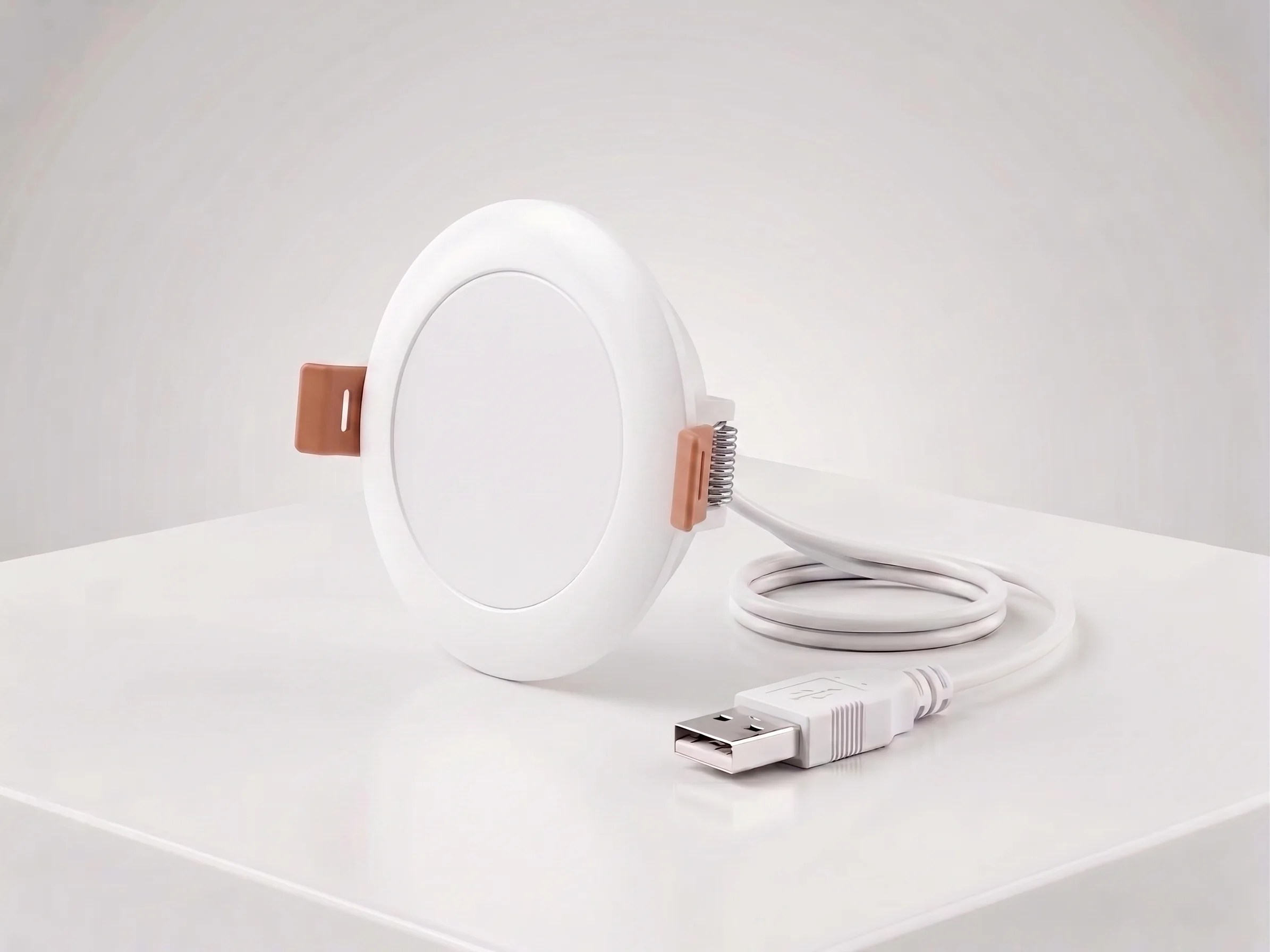
Ceiling Mount mmWave Human Presence Sensor — Zigbee
24GHz wideband mmWave ceiling presence sensor with 10m motion detection, 2.5m micro-motion, and breathing detection. 120° field, DC5V, Zigbee 3.0. For hotel room occupancy and commercial automation.
This page already points to it as the next recommended reference.
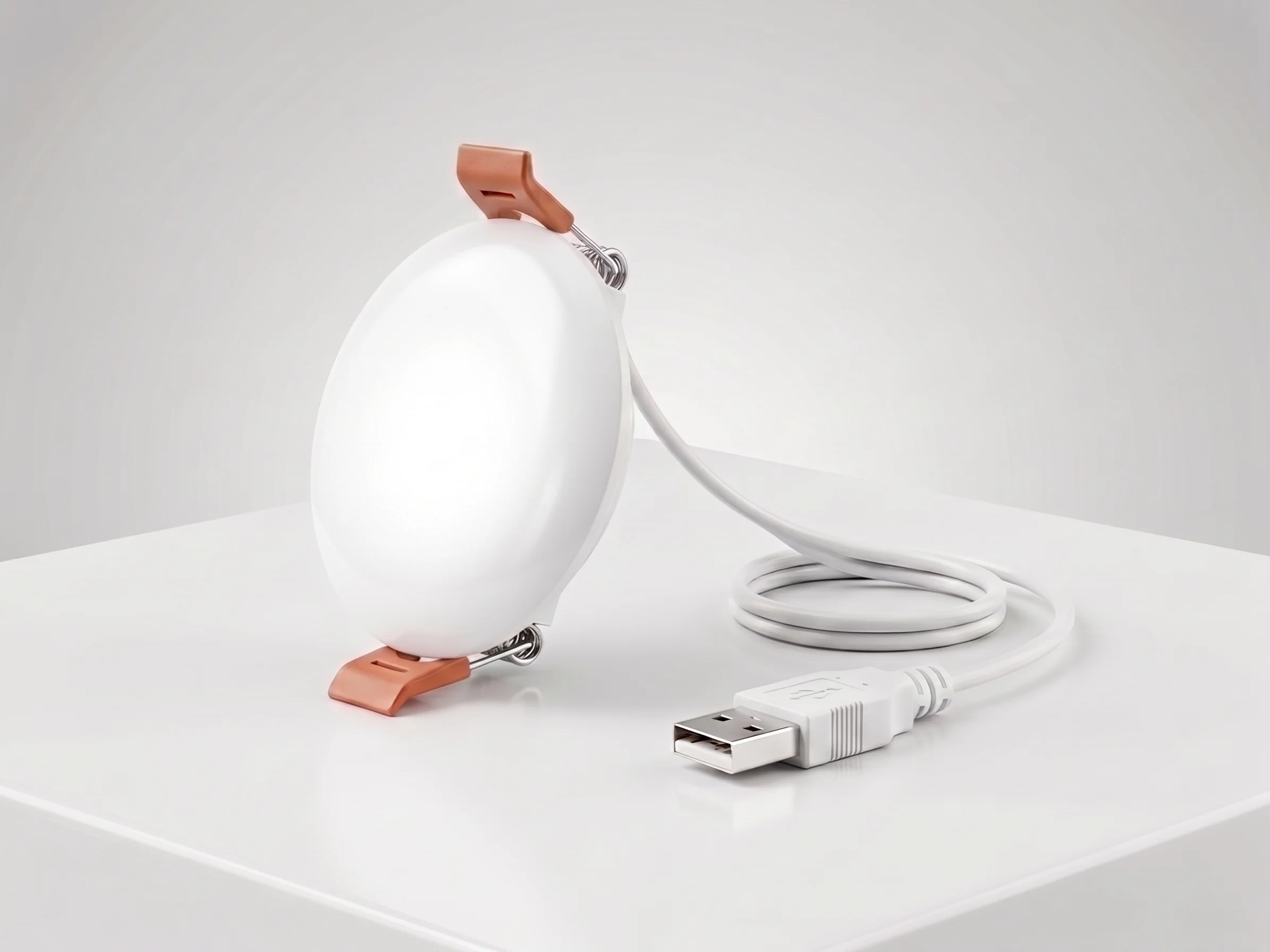
Ceiling Mount mmWave Human Presence Sensor — WiFi
24GHz wideband mmWave ceiling presence sensor with 10m motion detection, 2.5m micro-motion, and breathing detection. 120° field, DC5V, WiFi 2.4GHz. No gateway required for retrofit hotel and apartment projects.
This page already points to it as the next recommended reference.
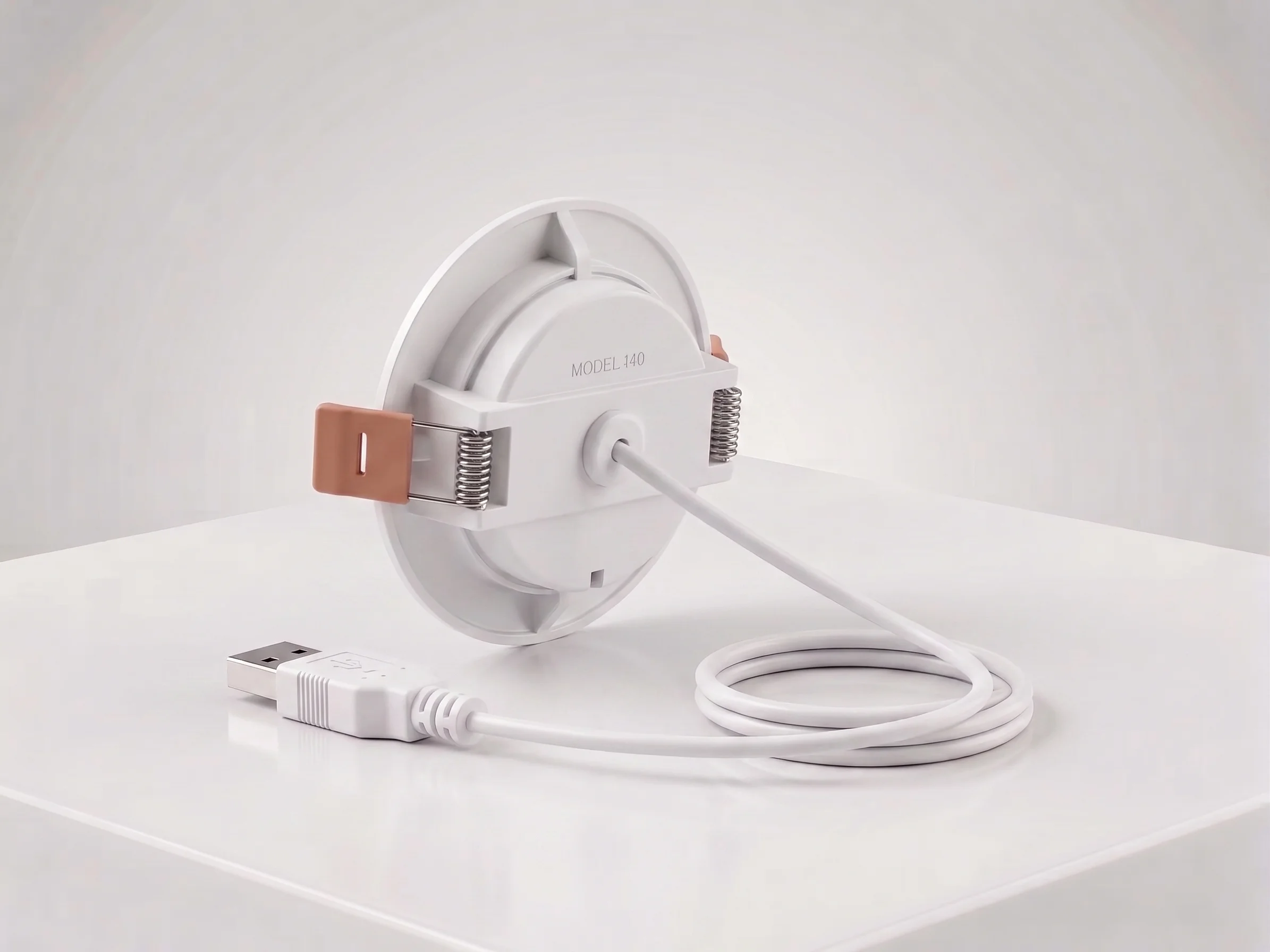
Ceiling Mount mmWave Human Presence Sensor — Matter over Thread
24GHz wideband mmWave ceiling presence sensor with 10m motion, 2.5m micro-motion, and breathing detection. 120° field, DC5V, Matter over Thread. Works natively with Apple Home, Google Home, and Alexa.
This page already points to it as the next recommended reference.
Related solutions
1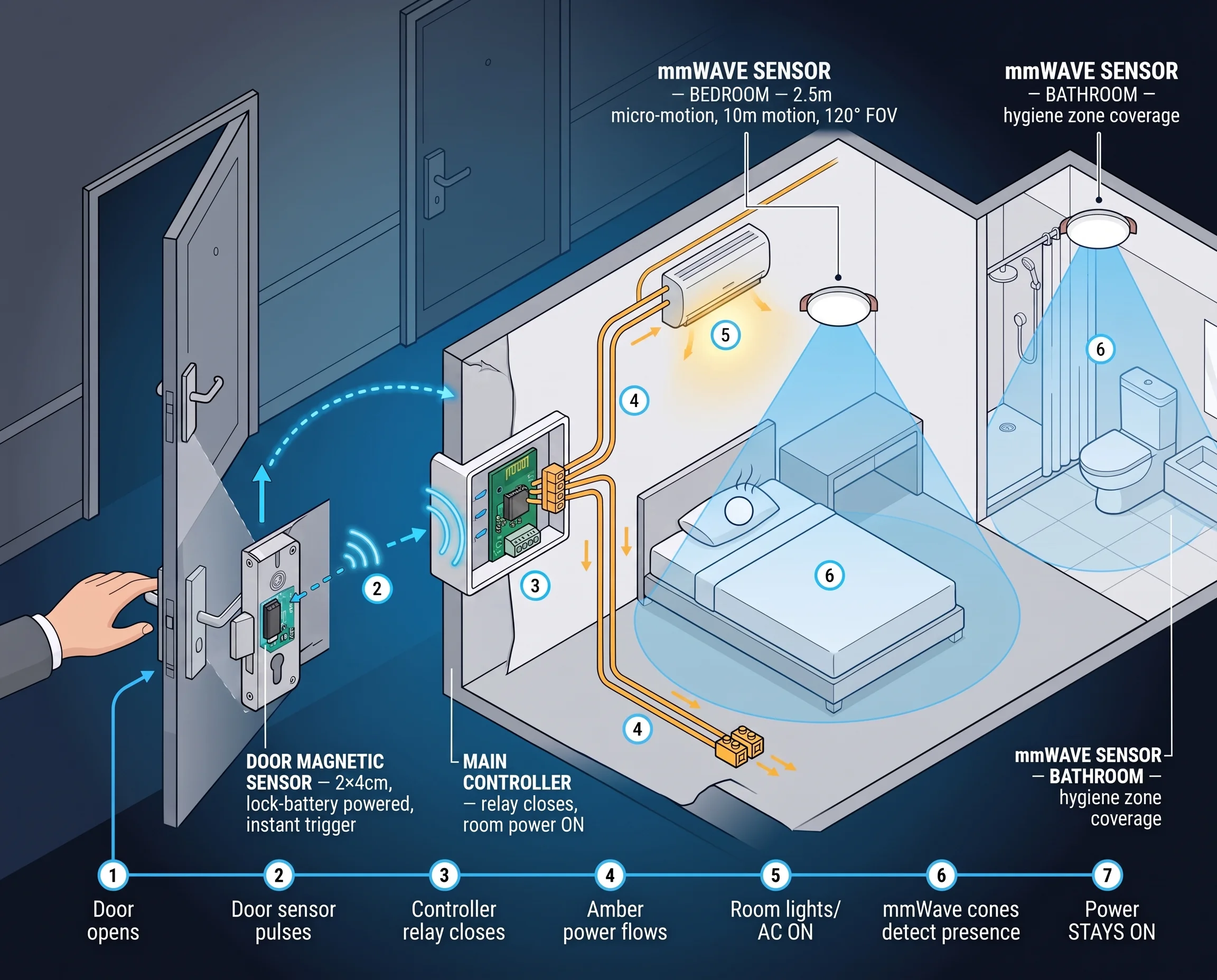
Hotel Room Occupancy & Motion Sensor Solution
mmWave radar presence sensors for hotel room occupancy, housekeeping scheduling, and HVAC energy saving. Detect true occupancy — even when the guest is asleep — with our ceiling-mount hotel room motion sensor.
It supports the same product context: Ceiling Mount mmWave Human Presence Sensor — Zigbee, Ceiling Mount mmWave Human Presence Sensor — WiFi, Ceiling Mount mmWave Human Presence Sensor — Matter over Thread.
Related blog posts
3
60GHz vs 24GHz vs 77GHz mmWave Sensors: Choosing the Right Frequency for Commercial Presence Detection
Compare 60GHz, 24GHz, and 77GHz mmWave sensors for commercial presence detection. Technical specs, detection range, privacy, and OEM sourcing guidance.
It supports the same product context: Ceiling Mount mmWave Human Presence Sensor — Zigbee, Ceiling Mount mmWave Human Presence Sensor — WiFi.
What Is an Electronic Presence Sensor? Technology, Accuracy, and How It Differs From a Motion Sensor
Learn what an electronic presence sensor is, how it detects stationary humans, and how it differs from a PIR motion sensor. Covers mmWave, accuracy, and use cases.
It supports the same product context: Ceiling Mount mmWave Human Presence Sensor — Zigbee, Ceiling Mount mmWave Human Presence Sensor — WiFi, Ceiling Mount mmWave Human Presence Sensor — Matter over Thread.
How to Integrate mmWave Presence Sensors With Home Assistant (Local Control Guide)
Step-by-step local control setup guide for mmWave devices, covering MQTT/Matter config, automation scripts, calibration and OEM ceiling presence sensor integration tips.
It supports the same product context: Ceiling Mount mmWave Human Presence Sensor — Matter over Thread, Ceiling Mount mmWave Human Presence Sensor — WiFi, Ceiling Mount mmWave Human Presence Sensor — Zigbee.
Specify your hotel project with our engineers
Send your room count, ceiling type, and protocol preference. We will return a sample plan and quote within 24 business hours.
- Move from general guidance into a product or application discussion.
- Use RFQ when pricing, drawings, MOQ, or launch timing needs structure.
- Keep a direct contact path visible for fast clarifications and handoff.