Best mmWave Sensor: How to Choose the Top Presence Detection Device in 2026
A comparison guide to the best mmWave sensors in 2026. Covers detection accuracy, range, connectivity, and how to select the top presence sensor for your application.
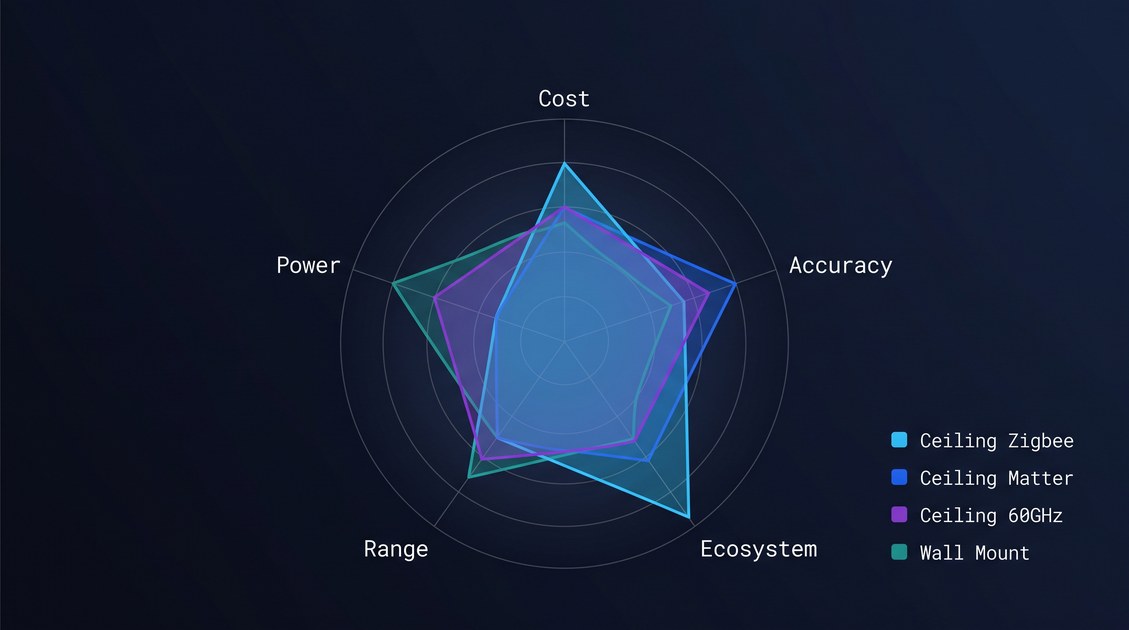
The best mmWave sensor for a given application in 2026 is a 60 GHz millimeter-wave radar presence detection device that combines a 3×3 or 4×4 MIMO antenna array (for fine angular resolution and multi-target tracking), 7 GHz of bandwidth (for 2.1 cm range resolution and micro-Doppler detection of human breathing at 0.2–0.5 Hz), a stationary-occupant true positive rate above 99% in controlled testing and above 95% in real-world deployment, a false positive rate below 1% over a 24-hour period, a detection range of 6–8 meters for stationary occupants, and a connectivity option (Zigbee, WiFi, Matter, or BACnet) that matches the deployment's integration requirements. The best mmWave sensor is not a single product but a category of devices that share these characteristics, and the specific choice depends on the application: hotel room presence detection favors a ceiling-mounted Zigbee-connected sensor, office deployment favors a ceiling-mounted WiFi or PoE-connected sensor, healthcare favors a mains-powered wired sensor with fall detection, and residential smart home favors a Matter-connected sensor with smart home platform integration.
Selecting the best mmWave sensor requires understanding the performance characteristics that distinguish a high-quality sensor from a mediocre one, and the application requirements that determine which sensor is the right fit. This guide provides a structured comparison framework for evaluating mmWave sensors, explains the key performance metrics, identifies the leading products in each application category, and offers a decision framework for selecting the best mmWave sensor for a specific deployment.
Best mmWave Sensor: Key Performance Metrics
The performance of an mmWave sensor is characterized by several key metrics, and understanding these metrics is the foundation for identifying the best mmWave sensor for a given application.
Best mmWave Sensor: Stationary-Occupant True Positive Rate
The stationary-occupant true positive rate (TPR) is the single most important metric for any application where the occupant may be still for extended periods. The best mmWave sensor achieves a TPR above 99% in controlled testing and above 95% in real-world deployment. A sensor with a TPR below 95% is generally not suitable for applications where stationary occupant detection is the primary requirement (hotel rooms, bedrooms, offices, healthcare patient rooms).
The TPR is determined by the sensor's micro-Doppler sensitivity, which is a function of the bandwidth and the signal processing. A 60 GHz sensor with 7 GHz of bandwidth has the best micro-Doppler sensitivity, followed by a 77 GHz sensor with 5 GHz of bandwidth, and a 24 GHz sensor with 250 MHz of bandwidth (which has the poorest micro-Doppler sensitivity).
Best mmWave Sensor: False Positive Rate
The false positive rate (FPR) is the percentage of time the sensor reports presence when the room is actually empty. The best mmWave sensor achieves an FPR below 1% over a 24-hour period in a typical indoor environment. A sensor with a high FPR will cause the downstream automation to activate when the room is empty, wasting energy and degrading the user experience.
The FPR is determined by the sensor's environmental filtering, which distinguishes human micro-motion from environmental motion (HVAC airflow, curtain movement, fan motion). A sensor with robust environmental filtering (typically based on machine learning) has a lower FPR than a sensor with simple threshold-based filtering.
Best mmWave Sensor: Detection Range and Field of View
The detection range and field of view determine the area that the sensor can cover. The best mmWave sensor for a ceiling-mounted application has a detection range of 6–8 m for stationary occupants and a field of view of ±60° azimuth and ±40° elevation, which provides 360-degree coverage of a room when mounted in the center of the ceiling.
For applications that require longer range (warehouses, large venues), a 77 GHz sensor with a detection range of 15–30 m may be the best choice. For applications that require a narrower field of view (corridors, entryways), a sensor with a narrower field of view may be preferred.
Best mmWave Sensor: Detection Latency
The detection latency is the time between an occupant entering the detection zone and the sensor reporting the change. The best mmWave sensor achieves a detection latency below 3 seconds for most applications, and below 1 second for applications where rapid response is critical (security, fall detection).
The detection latency is determined by the sensor's duty cycle (for battery-powered sensors) and by the signal processing pipeline. A sensor with a fast duty cycle and a hardware-accelerated signal processing pipeline has a lower latency than a sensor with a slow duty cycle and a software-based pipeline.
Best mmWave Sensor: Power Consumption
The power consumption of an mmWave sensor determines the power source options and the battery life (for battery-powered sensors). The best mmWave sensor for a mains-powered application has an active power consumption of 0.5–1.0 W, which is suitable for continuous operation. The best mmWave sensor for a battery-powered application has a duty-cycled power consumption that allows 12–18 months of battery life on a CR123A cell.
Best mmWave Sensor: Leading Products by Application
The best mmWave sensor depends on the application, and the following sections identify the leading products in each major application category.
Best mmWave Sensor: Hotel Room Deployment
For hotel room deployment, the best mmWave sensor is a ceiling-mounted 60 GHz mmWave radar sensor with Zigbee connectivity, mains power, and integration with the building management system. The key requirements are:
- Stationary-occupant detection (for sleeping guests)
- Privacy profile (no images, room-confined signal)
- Ceiling puck form factor (70 mm diameter, unobtrusive)
- Zigbee connectivity (native occupancy-signal output to BMS)
- Mains power (reliable, continuous operation)
The recommended products for hotel room deployment are the ceiling-presence-sensor-zigbee and similar products from vendors with a proven track record in the hospitality vertical.
Best mmWave Sensor: Office and Conference Room Deployment
For office and conference room deployment, the best mmWave sensor is a ceiling-mounted 60 GHz mmWave radar sensor with WiFi or PoE connectivity, integration with the building management system and the scheduling platform, and multi-target tracking capability. The key requirements are:
- Stationary-occupant detection (for seated office workers)
- Multi-target tracking (for conference room occupancy counting)
- Integration with scheduling platform (Microsoft 365, Google Workspace, Robin, Envoy)
- PoE or WiFi connectivity
- Tile grid mounting (for suspended tile ceilings)
The recommended products for office deployment are the ceiling-presence-sensor-wifi and similar products from vendors with BMS and scheduling platform integration.
Best mmWave Sensor: Healthcare Deployment
For healthcare deployment, the best mmWave sensor is a ceiling-mounted 60 GHz mmWave radar sensor with mains power, wired network connectivity, fall detection capability, and integration with the nurse call system. The key requirements are:
- Fall detection (sub-1 second latency)
- Bed-exit alerting
- Privacy profile (no images)
- Mains power and wired connectivity (reliability)
- Integration with nurse call system and EHR
The recommended products for healthcare deployment are specialized healthcare-grade sensors from vendors with HIPAA compliance and healthcare integration experience.
Best mmWave Sensor: Residential Smart Home Deployment
For residential smart home deployment, the best mmWave sensor is a ceiling-mounted or wall-mounted 60 GHz mmWave radar sensor with Matter or Zigbee connectivity, integration with the major smart home platforms, and a consumer-friendly price point. The key requirements are:
- Stationary-occupant detection (for watching TV, reading, sleeping)
- Matter or Zigbee connectivity (cross-ecosystem compatibility)
- Smart home platform integration (Apple HomeKit, Amazon Alexa, Google Home)
- Consumer-friendly price ($50–100)
- Easy installation
The recommended products for residential deployment are the ceiling-presence-sensor-matter, ceiling-presence-sensor-zigbee, and similar products from vendors with smart home platform integration.
Best mmWave Sensor: Comparison Framework
The following comparison framework helps evaluate mmWave sensors across the key dimensions.
Best mmWave Sensor: Technical Comparison
| Attribute | Best mmWave sensor (60 GHz) | Mid-range mmWave sensor | Budget mmWave sensor |
|---|---|---|---|
| Frequency | 60 GHz (57–64 GHz) | 60 GHz or 24 GHz | 24 GHz |
| Bandwidth | 7 GHz | 4 GHz or 250 MHz | 250 MHz |
| Antenna | 3×3 or 4×4 MIMO | 2×2 MIMO | 2×2 MIMO |
| Stationary TPR | 99%+ (controlled) | 95–99% | 85–92% |
| False positive rate | <1% | 1–2% | 2–5% |
| Detection range | 6–8 m | 5–7 m | 4–6 m |
| Field of view | ±60° azimuth | ±45° azimuth | ±40° azimuth |
| On-device ML | Yes | Limited | No |
| Connectivity | Zigbee, WiFi, Matter, BACnet | Zigbee, WiFi | Zigbee |
| Price (retail) | $80–150 | $50–80 | $30–50 |
Best mmWave Sensor: Vendor Comparison
The leading mmWave sensor vendors in 2026 include:
- PresenceSensor: ceiling-mounted and wall-mounted mmWave sensors with Zigbee, WiFi, and Matter connectivity. Strong in hotel, office, and healthcare verticals.
- Aqara: consumer-focused mmWave sensors (FP2 and others) with smart home integration. Strong in residential market.
- Honeywell, Siemens, Schneider Electric: building automation mmWave sensors integrated with BMS platforms. Strong in large commercial deployments.
- Vayyar: mmWave modules with on-device ML, used in fall detection and automotive. Strong in healthcare and automotive.
Best mmWave Sensor: Selection Decision Framework
The following decision framework helps select the best mmWave sensor for a specific application.
Best mmWave Sensor: Step 1 — Define the Application
The first step is to define the application: hotel room, office, healthcare, residential, industrial. The application determines the key requirements (stationary-occupant detection, multi-target tracking, fall detection, connectivity, form factor).
Best mmWave Sensor: Step 2 — Determine the Frequency Band
The second step is to determine the frequency band. For indoor presence detection, 60 GHz is the default. For long-range industrial, 77 GHz may be appropriate. For cost-sensitive motion-only, 24 GHz may be sufficient.
Best mmWave Sensor: Step 3 — Determine the Connectivity
The third step is to determine the connectivity. For hotel, Zigbee. For office, WiFi or PoE with BACnet. For residential, Matter or Zigbee. For healthcare, wired.
Best mmWave Sensor: Step 4 — Evaluate the Vendors
The fourth step is to evaluate the vendors that offer products matching the application requirements. The evaluation should include a request for independent test data, a review of certifications, and a check of references from existing customers.
Best mmWave Sensor: Step 5 — Execute a Pilot
The fifth step is to execute a pilot (50–500 units) before committing to a full deployment. The pilot verifies the sensor's performance in the actual deployment environment.
Best mmWave Sensor: Common Pitfalls
Several common pitfalls can undermine the selection of the best mmWave sensor:
- Choosing based on price alone: the cheapest sensor may not meet the application requirements, leading to poor performance and customer dissatisfaction.
- Not verifying the stationary-occupant TPR: a sensor that claims "99% accuracy" without providing independent test data may not actually achieve that accuracy in real-world deployment.
- Not considering the environmental filtering: a sensor without robust environmental filtering may have a high false positive rate in environments with HVAC airflow.
- Not planning the integration: a sensor that cannot integrate with the downstream system (BMS, BMS, scheduling platform, smart home platform) is useless regardless of its detection performance.
- Not conducting a pilot: committing to a full deployment without first verifying the sensor's performance is a significant risk.
Best mmWave Sensor: Future Trends
The best mmWave sensor of tomorrow will be better than the best of today, driven by several trends:
- Single-chip integration: reducing cost and enabling smaller form factors
- On-device machine learning: improving accuracy and enabling new capabilities (activity recognition, fall detection, gait analysis)
- Multi-sensor convergence: combining mmWave with CO₂, light, temperature/humidity, and acoustic sensing
- Matter adoption: providing cross-ecosystem compatibility for residential deployments
These trends are driving down the cost and improving the performance of mmWave sensors, making them the default choice for an increasingly wide range of applications.
Best mmWave Sensor: Final Recommendation
The best mmWave sensor for most applications in 2026 is a 60 GHz ceiling-mounted mmWave radar sensor with a 3×3 MIMO antenna array, 7 GHz of bandwidth, a stationary-occupant true positive rate above 99% in controlled testing, a false positive rate below 1%, and a connectivity option that matches the deployment's integration requirements. The specific product depends on the application: the ceiling-presence-sensor-zigbee for hotel and residential deployments, the ceiling-presence-sensor-wifi for office deployments, and the ceiling-presence-sensor-matter for residential smart home deployments.
For a procurement team or a consumer selecting the best mmWave sensor, the right approach is to start with a clear definition of the application requirements, then evaluate the available sensors against those requirements, then select a vendor with a proven track record in the target vertical, and then execute a pilot before committing to a full deployment. With the right sensor, correctly installed and integrated, the best mmWave sensor can deliver a level of occupancy awareness that is impossible to achieve with PIR-based motion sensors, and can justify the higher unit cost through improved energy efficiency, better occupant experience, and more accurate occupancy data for downstream analytics.
Part of this article content is generated by AI and optimized for professional accuracy and readability.
Not sure which sensor fits your project?
Talk to our mmWave application engineers for a free consultation.
Find the right presence sensor for your hotel project
Compare the 3 protocols, check hotel-specific case studies, and download the installation guide
Related products
3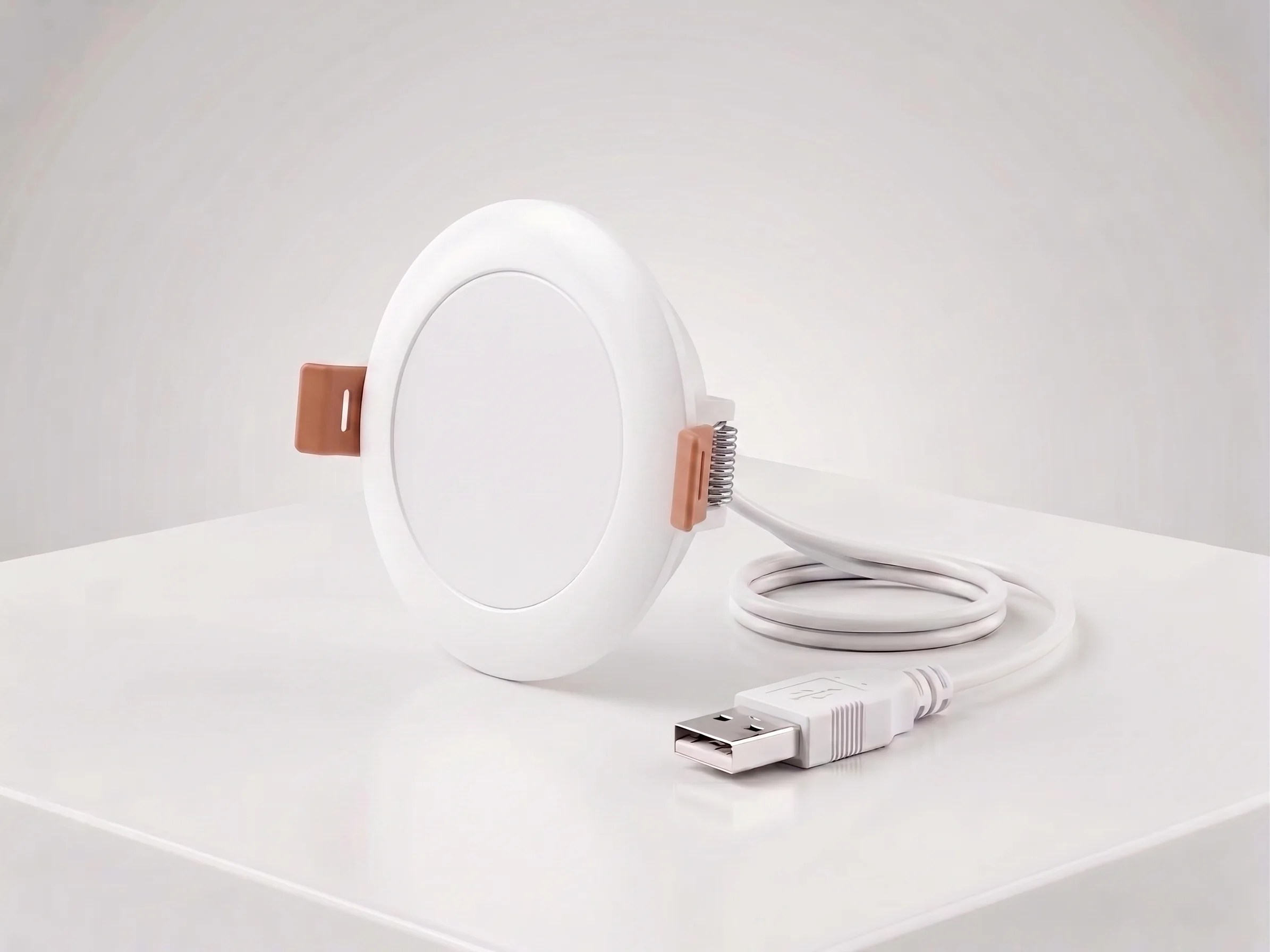
Ceiling Mount mmWave Human Presence Sensor — Zigbee
24GHz wideband mmWave ceiling presence sensor with 10m motion detection, 2.5m micro-motion, and breathing detection. 120° field, DC5V, Zigbee 3.0. For hotel room occupancy and commercial automation.
This page already points to it as the next recommended reference.
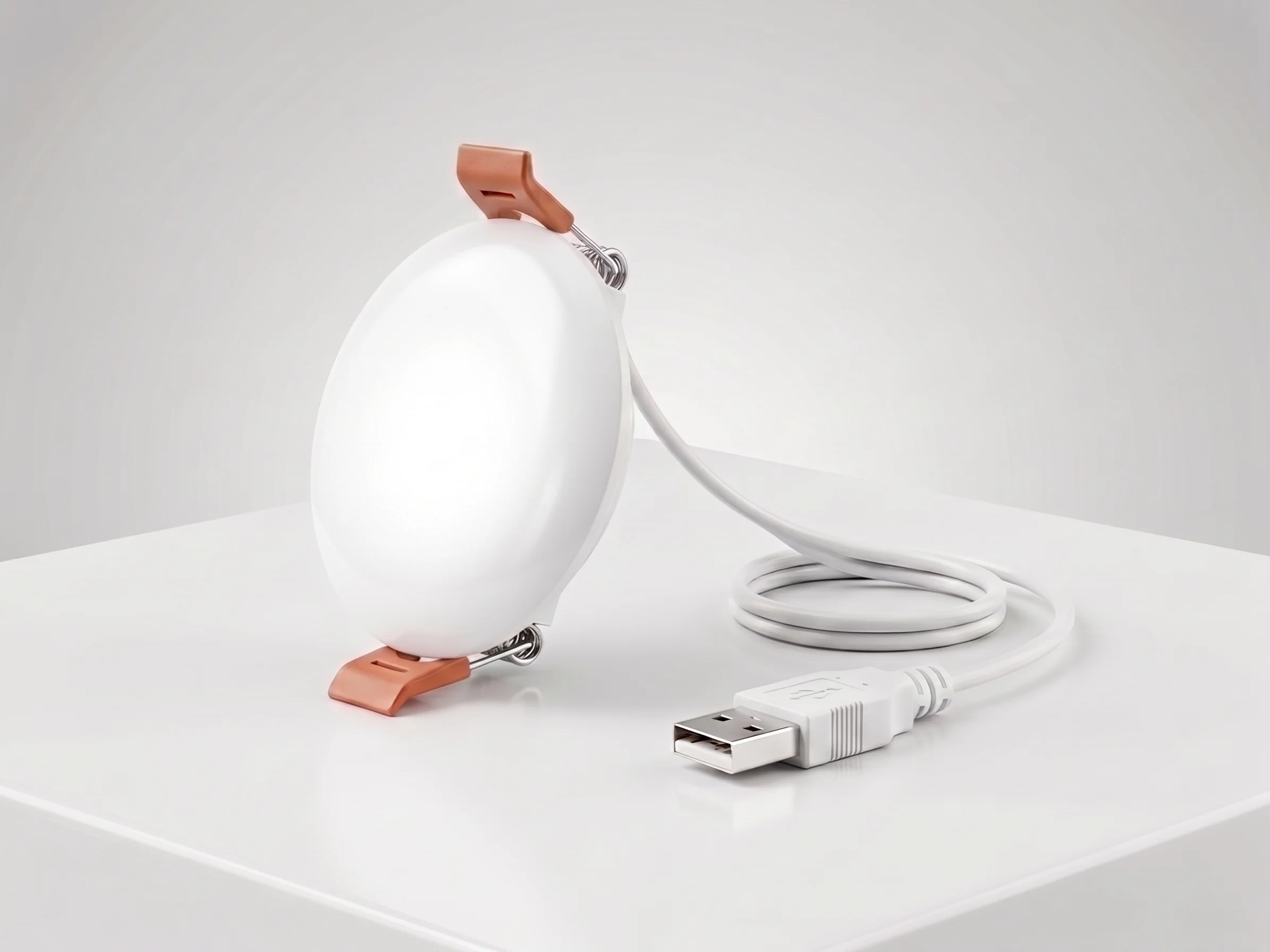
Ceiling Mount mmWave Human Presence Sensor — WiFi
24GHz wideband mmWave ceiling presence sensor with 10m motion detection, 2.5m micro-motion, and breathing detection. 120° field, DC5V, WiFi 2.4GHz. No gateway required for retrofit hotel and apartment projects.
This page already points to it as the next recommended reference.
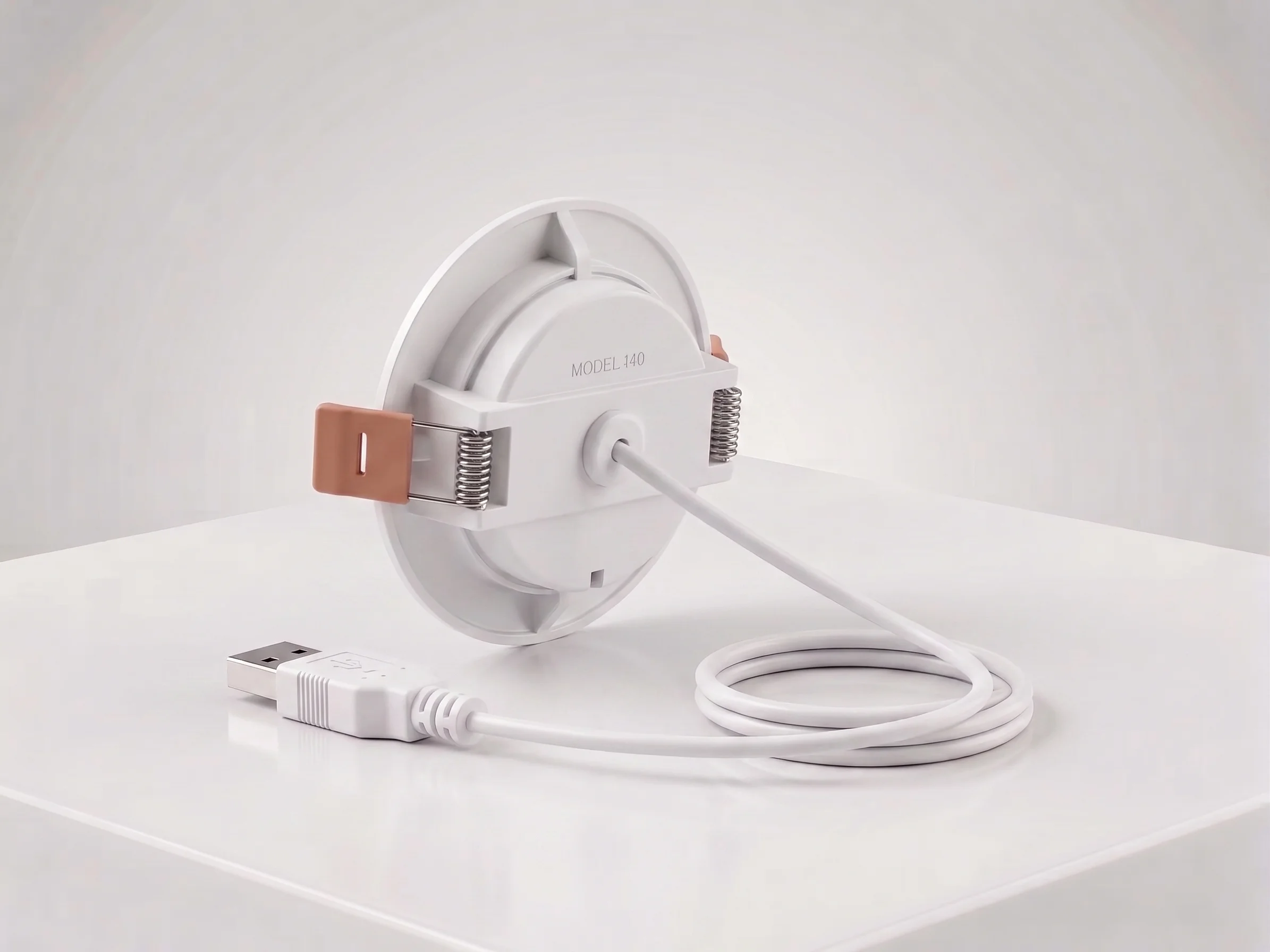
Ceiling Mount mmWave Human Presence Sensor — Matter over Thread
24GHz wideband mmWave ceiling presence sensor with 10m motion, 2.5m micro-motion, and breathing detection. 120° field, DC5V, Matter over Thread. Works natively with Apple Home, Google Home, and Alexa.
This page already points to it as the next recommended reference.
Related solutions
1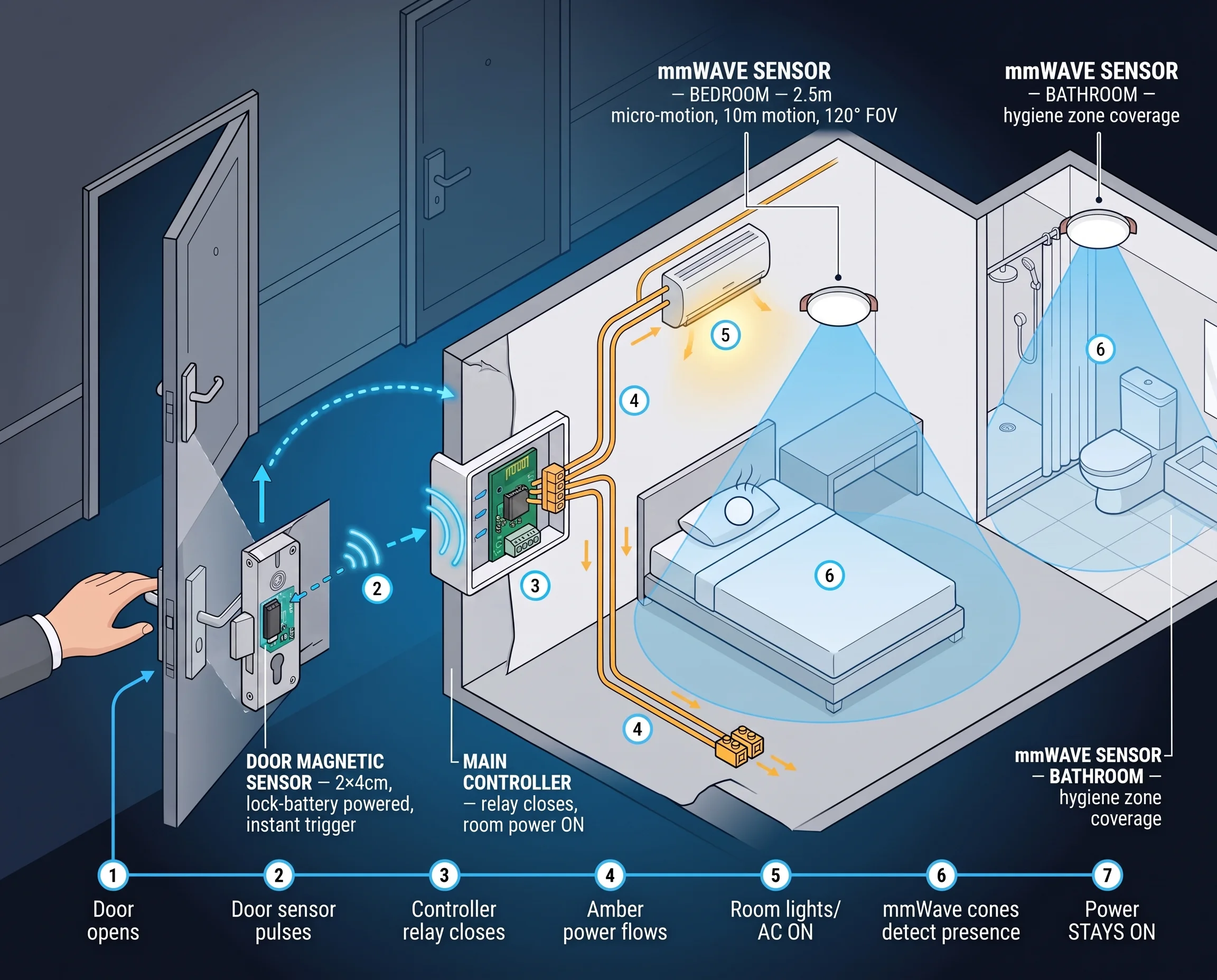
Hotel Room Occupancy & Motion Sensor Solution
mmWave radar presence sensors for hotel room occupancy, housekeeping scheduling, and HVAC energy saving. Detect true occupancy — even when the guest is asleep — with our ceiling-mount hotel room motion sensor.
It supports the same product context: Ceiling Mount mmWave Human Presence Sensor — Zigbee, Ceiling Mount mmWave Human Presence Sensor — WiFi, Ceiling Mount mmWave Human Presence Sensor — Matter over Thread.
Related blog posts
3
60GHz vs 24GHz vs 77GHz mmWave Sensors: Choosing the Right Frequency for Commercial Presence Detection
Compare 60GHz, 24GHz, and 77GHz mmWave sensors for commercial presence detection. Technical specs, detection range, privacy, and OEM sourcing guidance.
It supports the same product context: Ceiling Mount mmWave Human Presence Sensor — Zigbee, Ceiling Mount mmWave Human Presence Sensor — WiFi.
What Is an Electronic Presence Sensor? Technology, Accuracy, and How It Differs From a Motion Sensor
Learn what an electronic presence sensor is, how it detects stationary humans, and how it differs from a PIR motion sensor. Covers mmWave, accuracy, and use cases.
It supports the same product context: Ceiling Mount mmWave Human Presence Sensor — Zigbee, Ceiling Mount mmWave Human Presence Sensor — WiFi, Ceiling Mount mmWave Human Presence Sensor — Matter over Thread.
How to Integrate mmWave Presence Sensors With Home Assistant (Local Control Guide)
Step-by-step local control setup guide for mmWave devices, covering MQTT/Matter config, automation scripts, calibration and OEM ceiling presence sensor integration tips.
It supports the same product context: Ceiling Mount mmWave Human Presence Sensor — Matter over Thread, Ceiling Mount mmWave Human Presence Sensor — WiFi, Ceiling Mount mmWave Human Presence Sensor — Zigbee.
Specify your hotel project with our engineers
Send your room count, ceiling type, and protocol preference. We will return a sample plan and quote within 24 business hours.
- Move from general guidance into a product or application discussion.
- Use RFQ when pricing, drawings, MOQ, or launch timing needs structure.
- Keep a direct contact path visible for fast clarifications and handoff.