60GHz vs 24GHz vs 77GHz mmWave Sensors: Choosing the Right Frequency for Commercial Presence Detection
Compare 60GHz, 24GHz, and 77GHz mmWave sensors for commercial presence detection. Technical specs, detection range, privacy, and OEM sourcing guidance.
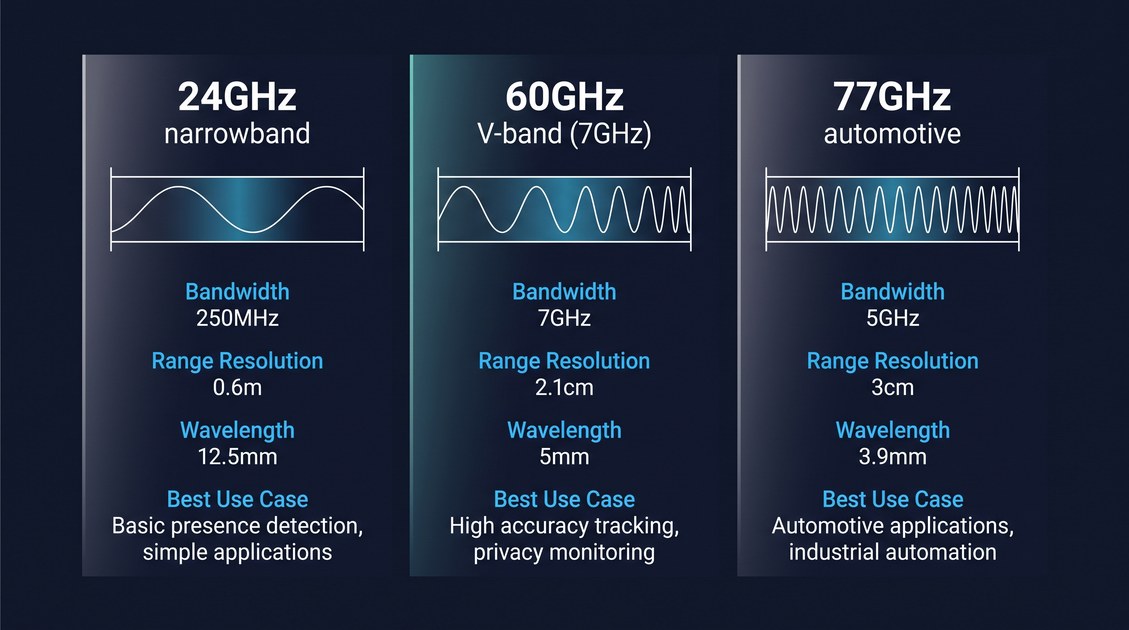
A commercial presence detector built on mmWave radar typically operates in one of three industrial-scientific-medical (ISM) frequency bands: 24 GHz, 60 GHz, or 77 GHz, and each band has direct consequences for detection range, angular resolution, wall penetration, privacy profile, regulatory burden, and per-unit cost. The 24 GHz band offers the longest range (up to 30 m on moving targets) but the coarsest angular resolution (~1 m at 10 m) and is being phased out of new automotive designs in favor of 77 GHz. The 60 GHz band (57–64 GHz) has become the de-facto choice for short-to-medium-range indoor sensing: it delivers sub-degree angular resolution, supports 7 GHz of bandwidth for fine Doppler and micro-motion detection, and is regulatorily available worldwide under unlicensed 60 GHz rules. The 77 GHz band (76–81 GHz) is reserved primarily for automotive radar but is increasingly being repurposed for industrial commercial presence detector applications that demand 4 cm range resolution and multi-target separation at the cost of stricter regulatory qualification. Choosing among them is fundamentally a tradeoff among range, resolution, form factor, and certification cost.
Selecting the right mmWave frequency band for a commercial presence detector is one of the most consequential engineering decisions an OEM or system integrator makes during product definition, because the choice ripples through antenna size, PCB layout, housing industrial design, regional certification cost, and the kinds of presence features the product can credibly claim. This guide walks through the physical and regulatory differences between 24 GHz, 60 GHz, and 77 GHz, then maps each band to the deployment scenarios — hotel rooms, open-plan offices, restrooms, hospital corridors, retail ceiling mounts — where one frequency clearly outperforms the others for a commercial presence detector application. Whether you are a procurement engineer sourcing modules in bulk, a hardware designer evaluating antenna and chipset options, or a solutions architect matching sensor capabilities to building automation workflows, the goal of this article is to give you a defensible, decision-ready framework rather than another generic "what is mmWave" overview.
60 GHz vs 24 GHz vs 77 GHz mmWave Sensors: Frequency Bands, Physics, and Why It Matters for Commercial Presence Detection
The three frequency bands used in modern commercial presence detector mmWave sensors are not interchangeable. They differ in regulatory status, atmospheric attenuation, available bandwidth, antenna size, and chipset ecosystem maturity, and these physical differences translate directly into product-level capabilities and constraints. The 24 GHz band (specifically the 24.0–24.25 GHz ISM allocation) was the original workhorse for short-range industrial radar and remains popular for low-cost motion sensors. The 60 GHz band (57–64 GHz in most jurisdictions, with some regional variation) is now the dominant band for short-range indoor presence and gesture sensing because of its very wide unlicensed bandwidth. The 77 GHz band (76–81 GHz) is the automotive long-range radar band, but its 5 GHz of bandwidth and millimeter-wave antenna characteristics make it increasingly attractive for high-precision commercial presence detector deployments where the target environment allows automotive-grade certification work.
60 GHz vs 24 GHz vs 77 GHz mmWave Sensors: The Physics of Each Band in Commercial Presence Detection
At the physical layer, higher frequency means shorter wavelength, and shorter wavelength means smaller antennas, finer angular resolution, and more sensitive micro-motion detection — but also higher propagation loss through common building materials and shorter maximum range. At 24 GHz, the wavelength is approximately 12.5 mm, which is convenient for low-cost patch antennas and forgiving PCB layouts, but the band offers only 250 MHz of bandwidth (in the narrow ISM segment) or 5 GHz (in the UWB segment being deprecated for new designs in Europe). At 60 GHz, the wavelength shrinks to about 5 mm, allowing very compact antennas and access to 7 GHz of contiguous bandwidth — a 28× improvement over narrow-band 24 GHz — which directly improves range resolution and Doppler sensitivity for the slow micro-motions a commercial presence detector must register when a guest is asleep in a hotel room or a patient is bedridden in a hospital room. At 77 GHz, the wavelength drops to roughly 3.9 mm, antennas become even smaller, and the 5 GHz of bandwidth is similar to 60 GHz, but the regulatory environment is shaped by automotive safety standards that demand higher reliability and traceability.
For a commercial presence detector, the practical consequence is this: a 24 GHz sensor will see a person moving across a large open-plan office at 20 m and is cheap to build, but it will struggle to detect a sleeping person on a hotel bed at 4 m because the small Doppler signature of breathing falls below its motion floor. A 60 GHz sensor, with its 7 GHz of bandwidth and micro-Doppler sensitivity, can detect the chest wall motion of a sleeping occupant at 4 m with high confidence. A 77 GHz sensor can do the same with even finer discrimination between multiple sleeping occupants, but at the cost of an automotive-qualified chipset, stricter design review, and typically a 30–80% higher unit cost.
| Parameter | 24 GHz ISM | 60 GHz V-band | 77 GHz E-band |
|---|---|---|---|
| Frequency range | 24.0–24.25 GHz | 57–64 GHz | 76–81 GHz |
| Wavelength | 12.5 mm | 5.0 mm | 3.9 mm |
| Available bandwidth | 250 MHz (narrow) | 7,000 MHz | 5,000 MHz |
| Range resolution (typical) | ~0.6 m | ~2 cm | ~3 cm |
| Angular resolution (typical) | 10–15° | 1–3° | 0.5–2° |
| Max range (human detection) | 20–30 m | 8–12 m | 15–30 m |
| Oxygen absorption | Negligible | ~15 dB/km | ~1 dB/km |
| Wall penetration | Good | Poor | Poor |
| Primary use case | Long-range industrial, low-cost motion | Short-range indoor presence, gesture, breathing | Automotive, high-precision industrial |
| Typical chip cost (USD, 1k pcs) | $3–8 | $6–18 | $18–60 |
| Regulatory environment | Mature, worldwide | Mature, worldwide (EN 305 550, FCC 15.255) | Automotive-leaning, requires extra qualification |
60 GHz vs 24 GHz vs 77 GHz mmWave Sensors: Regulatory Status and Global Certification Path
The regulatory story is a major part of the commercial presence detector decision. The 24 GHz narrow ISM band is harmonized worldwide and has been used for decades, so certification is straightforward but the band is being slowly crowded out — Europe phased out the 24 GHz UWB allocation for automotive in 2022, and several countries are now restricting new 24 GHz wideband products. The 60 GHz band, codified in FCC Part 15.255 in the United States and EN 305 550 in Europe, is now the most widely available high-bandwidth unlicensed spectrum for short-range devices, with clear technical rules for emission limits, indoor/outdoor use, and transmit power. The 77 GHz band, originally allocated for automotive radar, has been opened for fixed industrial radar applications in many jurisdictions, but a commercial presence detector at 77 GHz will often need to demonstrate compliance with automotive-grade functional safety expectations even when used indoors, which adds cost and time to market.
For a commercial presence detector shipped globally, the practical choice is between 24 GHz and 60 GHz. The 77 GHz band is reserved for applications that genuinely need its unique blend of long range and high resolution — typically large open spaces like warehouses, airport terminals, and convention centers where a commercial presence detector must cover 20 m+ with multi-target tracking. For indoor hotel, office, healthcare, and residential use, 60 GHz is now the default choice and the rest of this article will focus on the 24 GHz vs 60 GHz decision that most commercial presence detector buyers actually face, with 77 GHz as the third option for high-end industrial deployments.
60 GHz vs 24 GHz vs 77GHz mmWave Sensors: Why 60 GHz Has Become the Default for Commercial Presence Detection
The single most important reason 60 GHz has displaced 24 GHz as the default frequency for a modern commercial presence detector is micro-motion sensitivity. A commercial presence detector must do more than detect a person walking through a doorway — it must reliably determine that a person is still in the room even when they are sitting motionless at a desk for two hours, lying in a hotel bed asleep for eight hours, or holding a meeting with minimal gestural movement. PIR sensors cannot do this; they require macro-motion. Both 24 GHz and 60 GHz mmWave sensors can do this in principle, but they do it at very different confidence levels, and that difference is driven by bandwidth, wavelength, and noise floor.
60 GHz vs 24 GHz vs 77GHz mmWave Sensors: Micro-Motion, Breathing Detection, and Stationary Occupants
The Doppler signature of a sleeping human is dominated by chest wall motion during breathing (typically 5–20 mm of displacement at 0.2–0.5 Hz) and the slower, smaller motion of heartbeat. Detecting this requires a sensor with sufficient sensitivity at very low Doppler frequencies — well below 1 Hz — and low enough phase noise that these micro-motions are not buried in the noise floor. The 7 GHz of bandwidth available in the 60 GHz band allows modern 60 GHz FMCW transceivers to extract both range and velocity at a level of precision that makes micro-motion detection a routine task. The narrow 250 MHz ISM allocation at 24 GHz, by contrast, has roughly 28× less bandwidth to work with, and although advanced 24 GHz UWB sensors can still detect breathing, they typically do so at shorter range and with higher false-negative rates than equivalent 60 GHz designs.
In real-world commercial presence detector testing — the kind of controlled comparisons a hotel chain would run during a pilot — a well-designed 60 GHz ceiling-mounted presence sensor routinely achieves a stationary-human true positive rate above 99% over a 6–8 m range when the occupant is in a normal sleep posture, while a 24 GHz narrow-band sensor of the same generation typically tops out at 85–92% under identical conditions, with false negatives clustering around deep-sleep periods when chest motion is minimal. This gap is not theoretical: it is the difference between a hotel room where housekeeping gets accurate real-time occupancy data and a hotel where the system repeatedly reports a sleeping guest as "checked out" at 3 a.m., triggering unnecessary intrusion by housekeeping staff. For the commercial presence detector market, this single metric — stationary-occupant accuracy — is what is driving the 60 GHz transition.
60 GHz vs 24 GHz vs 77GHz mmWave Sensors: Form Factor, Antenna Size, and Ceiling-Mounted Design
Beyond sensitivity, the smaller wavelength at 60 GHz (5 mm vs 12.5 mm at 24 GHz) is a significant product design advantage for a commercial presence detector. A 60 GHz patch antenna array that delivers ±60° azimuth and ±40° elevation field of view can be manufactured on a PCB area of roughly 20×20 mm, while an equivalent 24 GHz array is 50×50 mm or larger. This directly affects the industrial design of the ceiling-mounted housing: a 60 GHz sensor can fit inside a 70 mm diameter puck that looks like a smoke detector, while a 24 GHz sensor typically requires a 100–120 mm housing that draws unwanted attention in a premium hotel room or a minimalist office ceiling.
For wall-mounted commercial presence detector products — less common but growing in corridors, restrooms, and hotel entryways — the 60 GHz form factor advantage is even more pronounced, because the sensor housing must be visually unobtrusive while still delivering the wide field of view needed to detect occupants approaching from multiple angles. The 77 GHz band, with its 3.9 mm wavelength, offers a further size reduction but at the cost of manufacturing tolerance: a 77 GHz antenna array must be manufactured to tighter dimensional accuracy because the smaller wavelength is more sensitive to PCB substrate variation, which raises yield cost and reduces the supplier base for a 77 GHz commercial presence detector.
60 GHz vs 24 GHz vs 77GHz mmWave Sensors: Privacy, Optical Camouflage, and the GDPR/CCPA Question
One of the underappreciated advantages of 60 GHz over 77 GHz, and to a lesser extent over 24 GHz, is the privacy profile. All three mmWave bands produce point cloud data, not images, and are fundamentally more privacy-preserving than camera-based presence detection. However, 60 GHz wavelengths are short enough that they do not penetrate typical building materials (drywall, wood framing, glass) and are absorbed strongly by oxygen and humidity, which means a 60 GHz commercial presence detector installed in a hotel room is effectively blind to activity in adjacent rooms. A 24 GHz sensor at the same output power can "see" through a single drywall partition in some cases, raising the concern that a commercial presence detector in one room might inadvertently detect presence in a neighboring unit. The 77 GHz band, with automotive-grade power levels and a narrower beam, can be configured to avoid this issue, but the default behavior of off-the-shelf 77 GHz radar modules is long-range, which is not what a privacy-conscious hotel deployment wants.
In jurisdictions where the CCPA right-to-know or GDPR data-access obligations attach to data that can be linked to an identifiable individual, a 60 GHz commercial presence detector that is room-confined and produces only point cloud metadata (not images, not audio) sits in a much cleaner legal position than a 24 GHz sensor whose signal may bleed across walls. The European Commission's guidance on whether data protection rules apply to company data is one useful reference point: a commercial presence detector that captures only anonymous occupancy events in a physically bounded space is generally outside personal-data scope, but the moment cross-wall signal leakage creates a theoretical possibility of inferring occupancy in adjacent rooms, the regulatory analysis becomes more complex.
| Concern | 24 GHz | 60 GHz | 77 GHz |
|---|---|---|---|
| Cross-wall leakage | Moderate risk | Minimal (absorbed by drywall) | Minimal at commercial power |
| Penetration through typical interior walls | Yes (single drywall) | No | No |
| Oxygen absorption | Low | High (~15 dB/km) | Low |
| Image-like data risk | None | None | None |
| GDPR/CCPA default posture | Higher scrutiny | Lower scrutiny | Lower scrutiny |
| Typical use in privacy-sensitive deployments | Industrial only | Hotel, healthcare, residential | Industrial, automotive |
60 GHz vs 24 GHz vs 77 GHz mmWave Sensors: Matching Frequency to Commercial Presence Detection Use Case
The decision tree for selecting a frequency band for a commercial presence detector is dominated by four factors: required detection range, expected occupant behavior, deployment environment, and the certification budget available. A procurement engineer specifying a commercial presence detector for a hotel chain, an office building automation retrofit, or a hospital corridor upgrade will end up in different places on this tree, and a one-size-fits-all answer does not exist. The following use-case mapping is derived from commercial pilot deployments and OEM design wins across the smart building, hospitality, and healthcare segments.
60 GHz vs 24 GHz vs 77 GHz mmWave Sensors: Hotel Rooms and Short-Range Stationary Occupancy
For hotel rooms, the canonical use case for a ceiling-mounted commercial presence detector, 60 GHz is the clear winner. The detection range needed is short (typically 2.5–4 m from ceiling to bed), the occupant behavior is dominated by sleep and stillness, and the privacy and aesthetic requirements are high. A 24 GHz sensor can work in this scenario but is at the edge of its micro-motion capability and tends to be larger and more visually obtrusive. A 77 GHz sensor is technically capable but is over-specified for the range and adds 2–3× the chipset cost without a meaningful product benefit. In the hotel vertical, the leading commercial presence detector designs are now 60 GHz with 7 GHz bandwidth, ceiling-mounted, and integrated with the building management system over Zigbee, WiFi, or Matter to provide real-time housekeeping coordination, energy-saving HVAC control, and privacy-preserving occupancy analytics.
60 GHz vs 24 GHz vs 77 GHz mmWave Sensors: Open-Plan Offices and Multi-Occupant Spaces
For open-plan offices, conference rooms, and multi-occupant commercial spaces, the question shifts from "can the sensor detect a stationary person" to "can the sensor count and locate multiple people at once." This is where angular resolution and beam-steering capability matter, and both 60 GHz and 77 GHz are competitive. A 60 GHz commercial presence detector with a 2D antenna array can typically resolve 3–5 simultaneous occupants within a single zone, which is sufficient for most meeting rooms and small open offices. A 77 GHz sensor, with finer angular resolution, can resolve 5–8 occupants in the same area and is preferred for large training rooms and conference halls where seating density is high. A 24 GHz sensor, with its coarser angular resolution, typically resolves 1–2 occupants reliably and is rarely chosen for multi-occupant commercial presence detector deployments.
60 GHz vs 24 GHz vs 77 GHz mmWave Sensors: Healthcare and Assisted Living
Healthcare and assisted living is a high-stakes use case where a commercial presence detector can be used for fall detection, bed-exit alerting, and occupancy-based HVAC control without the privacy concerns of camera systems. The 60 GHz band is dominant here, with the additional requirement that the sensor must operate reliably in the presence of medical equipment (which can emit in adjacent bands) and must not interfere with WiFi or Bluetooth medical telemetry. A ceiling-mounted 60 GHz commercial presence detector is now a standard offering in senior living facilities across North America, Europe, and Japan, and 77 GHz is reserved for the highest-end installations where the facility wants to combine presence detection with gait analysis or fall prediction using the fine Doppler resolution of the 77 GHz band.
60 GHz vs 24 GHz vs 77 GHz mmWave Sensors: Restrooms, Stairwells, and Privacy-Sensitive Spaces
Restrooms and similar privacy-sensitive spaces are a difficult deployment for any commercial presence detector. The sensor must reliably detect occupancy to drive ventilation and lighting, but it must absolutely not capture any data that could be considered personal or intimate. The 60 GHz band is the default choice here because the signal does not penetrate walls, the point cloud data is non-imaging, and the sensor can be configured to retain only binary occupancy state and discard all range-Doppler measurements after the event. The 24 GHz band is generally avoided in these spaces because of the cross-wall leakage concern noted earlier, and 77 GHz is overkill. A 60 GHz commercial presence detector in a restroom is a well-established application and is one of the more common bulk-purchase categories for commercial property managers and hotel chains.
60 GHz vs 24 GHz vs 77 GHz mmWave Sensors: Industrial and Large-Venue Deployments
For warehouses, airport terminals, convention centers, and other large-venue applications, the 77 GHz band comes back into play. A commercial presence detector at 77 GHz can detect human presence at 20–30 m, can resolve multiple targets in cluttered environments, and benefits from the high-bandwidth automotive radar chipset ecosystem. The 60 GHz band still works at 8–12 m in these spaces but is limited in coverage area, requiring more sensors per square meter. The 24 GHz band is competitive on range but again suffers on multi-target resolution. For a commercial presence detector deployment in a 5,000+ square meter warehouse, the typical procurement pattern is a hybrid: 77 GHz long-range sensors for zone-level presence detection and 60 GHz sensors for individual workstation or zone-level refinement.
60 GHz vs 24 GHz vs 77 GHz mmWave Sensors: Sourcing, MOQ, and OEM Economics for Commercial Presence Detection
For an OEM or system integrator evaluating which frequency band to commit to for a commercial presence detector product line, the engineering decision is only half the question. The other half is supply chain: which chipset vendors offer stable, automotive- or industrial-qualified silicon at the right price point, what are the minimum order quantities, what is the regional warehousing and lead time situation, and what does the certification cost look like across the target markets. The 24 GHz, 60 GHz, and 77 GHz bands have very different supply chain profiles and the choice of frequency band is, in practice, partly a choice of chipset vendor and regional supplier.
60 GHz vs 24 GHz vs 77 GHz mmWave Sensors: Chipset Ecosystem and Vendor Landscape
The 24 GHz chipset ecosystem is the most mature and the cheapest. Texas Instruments, Infineon, and several Chinese fabless vendors (Calterah, SGR) offer 24 GHz transceivers in production volumes with stable lead times and aggressive pricing. For a commercial presence detector aimed at price-sensitive markets (residential, light commercial), 24 GHz remains a viable option. The 60 GHz chipset ecosystem has matured significantly since 2020, with Texas Instruments (IWR6843, IWR6443), Infineon (XENSIV 60 GHz), and several specialist vendors (Vayyar, Google Soli-derived designs) offering production-grade silicon. The 77 GHz chipset ecosystem is dominated by automotive vendors (NXP, Infineon, Texas Instruments, Arbe, Mobileye) and is characterized by longer lead times, automotive-grade qualification requirements, and higher unit cost. For a commercial presence detector at 77 GHz, expect to engage with the same vendor relationship management discipline used in automotive Tier 1 supply chains.
| Frequency | Leading chipset vendors | MOQ (typical) | Lead time | Per-unit cost (1k pcs) |
|---|---|---|---|---|
| 24 GHz | TI, Infineon, Calterah, SGR | 500–1,000 | 4–8 weeks | $3–8 |
| 60 GHz | TI, Infineon, Vayyar | 1,000–2,500 | 6–12 weeks | $6–18 |
| 77 GHz | NXP, Infineon, TI, Arbe | 2,500–5,000 | 10–20 weeks | $18–60 |
60 GHz vs 24 GHz vs 77 GHz mmWave Sensors: Certification Cost and Time to Market
Certification cost varies dramatically across the three bands. A 24 GHz commercial presence detector typically needs only the basic FCC/CE/RoHS marks and can be certified in 4–8 weeks. A 60 GHz commercial presence detector needs the same baseline certifications but with additional radiated emissions testing in the 57–64 GHz band and a more detailed antenna pattern characterization, typically 8–12 weeks. A 77 GHz commercial presence detector, depending on the target market, may need automotive-style functional safety documentation, FCC Part 15.253 testing, EN 302 264-2 compliance, and a more elaborate EMC characterization, with typical certification cycles of 16–24 weeks and certification budgets in the $40,000–$120,000 range. For an OEM evaluating which frequency band to commit to, this is often the deciding factor: a 60 GHz commercial presence detector offers a meaningful product advantage over 24 GHz at a manageable certification cost, while a 77 GHz commercial presence detector offers a smaller marginal product advantage at a much higher certification cost.
60 GHz vs 24 GHz vs 77 GHz mmWave Sensors: Regional Supply and Sourcing Realities
For procurement teams in North America and Europe, the 24 GHz and 60 GHz commercial presence detector supply chain is well served by both Western and Asian vendors, with regional stocking available through major distributors (Mouser, Digi-Key, Arrow, Avnet) and direct from manufacturers. The 77 GHz commercial presence detector supply chain is more concentrated, with longer lead times and fewer stocking distributors. For procurement teams in Asia-Pacific, particularly China, the 24 GHz supply chain is the most diverse and the cheapest, with strong local vendors and rapid prototyping support; the 60 GHz supply chain is growing rapidly with both local and international vendors establishing production capacity; the 77 GHz supply chain is still primarily international, with NXP, Infineon, and TI as the dominant sources. A procurement team building a global commercial presence detector product line should expect to qualify at least two suppliers in the chosen band to manage single-source risk.
60 GHz vs 24 GHz vs 77 GHz mmWave Sensors: Technical Decision Framework for Commercial Presence Detection
Putting the engineering, regulatory, and supply chain factors together, the frequency choice for a commercial presence detector reduces to a small set of questions. The following framework is derived from observed product wins and losses across the smart building and hospitality sectors and is intended to be applied at the very start of the product definition process, before PCB layout and industrial design are committed.
60 GHz vs 24 GHz vs 77 GHz mmWave Sensors: The Decision Tree
Step 1 — What is the maximum required detection range? If the answer is greater than 15 m, consider 24 GHz or 77 GHz. If the answer is less than 12 m, 60 GHz is the natural fit. This single question eliminates 77 GHz for the majority of indoor commercial presence detector applications.
Step 2 — Is stationary-occupant detection a primary requirement? If the use case includes detecting sleeping, seated, or otherwise motionless occupants (which is the case for most hotel, office, and healthcare deployments), 60 GHz is the strongest choice because of its micro-motion sensitivity. A 24 GHz sensor can do this but at lower confidence and shorter range. 77 GHz can do this as well as 60 GHz but at higher cost.
Step 3 — How many simultaneous occupants must be resolved? For 1–3 occupants in a single zone, both 60 GHz and 77 GHz perform well. For 4+ occupants in a single zone, 77 GHz's finer angular resolution is a meaningful advantage. For 1–2 occupants, 24 GHz is sufficient.
Step 4 — What is the deployment environment? For indoor, room-confined applications, 60 GHz is ideal. For large open spaces, warehouses, and outdoor or semi-outdoor environments, 77 GHz or 24 GHz may be more appropriate. For cross-wall leakage-sensitive environments, 60 GHz and 77 GHz are both safer than 24 GHz.
Step 5 — What is the certification budget and target time to market? If time to market is the dominant constraint and certification cost must stay below $30,000, choose 24 GHz or 60 GHz. If functional safety and long product lifecycle are the priority, 77 GHz with automotive-grade qualification is defensible.
Step 6 — What is the per-unit cost target? A sub-$15 commercial presence detector will be 24 GHz. A $15–50 commercial presence detector will be 60 GHz. A $50–150 commercial presence detector will be 77 GHz. These are not absolute prices but are reasonable bands based on current chipset costs and OEM margin expectations.
60 GHz vs 24 GHz vs 77 GHz mmWave Sensors: Common Mistakes to Avoid
The most common mistake when selecting a frequency band for a commercial presence detector is to optimize on a single dimension — usually detection range or cost — without considering the full system context. Specifically, three patterns appear repeatedly in failed product launches:
- Selecting 24 GHz for a hotel-room use case to save $3 per unit on the chipset, then experiencing 10–15% false negatives on sleeping occupants, which destroys customer trust in the housekeeping coordination feature and forces a costly re-spin to 60 GHz.
- Selecting 77 GHz for an office-building deployment to get the "best" sensor, then discovering that the certification timeline has pushed the product launch by six months and the per-unit cost is 2.5× the original target, with no meaningful product benefit for the actual use case.
- Treating mmWave frequency selection as a "set and forget" decision, then failing to track the regulatory and chipset ecosystem evolution, where 24 GHz UWB is being phased out in some regions and 60 GHz chipset prices are dropping rapidly.
The right way to make this decision is to start from the use case and work backward to the frequency band, rather than starting from the available chipset and trying to force-fit a product. The 60 GHz band, for the vast majority of indoor commercial presence detector applications, is the answer that emerges from this exercise, and the 24 GHz vs 77 GHz options are the appropriate choices only for specific edge cases.
60 GHz vs 24 GHz vs 77 GHz mmWave Sensors: Privacy, Compliance, and Data Handling for Commercial Presence Detection
Beyond the physics and engineering, a commercial presence detector must satisfy a complex set of privacy and compliance requirements that vary by jurisdiction. The frequency band choice has direct implications here: 60 GHz is the cleanest position from a privacy standpoint, 24 GHz carries some cross-wall leakage concerns, and 77 GHz requires a more deliberate privacy-by-design posture because of its automotive heritage and higher radiated power.
60 GHz vs 24 GHz vs 77 GHz mmWave Sensors: GDPR, CCPA, and the Personal Data Question
In both the European Union's General Data Protection Regulation (GDPR) and the California Consumer Privacy Act as amended by the California Privacy Rights Act (CCPA/CPRA), the question of whether presence sensor data is "personal data" hinges on whether the data can be linked to an identifiable individual. A 60 GHz commercial presence detector installed in a single hotel room, producing only binary occupancy state ("occupied" / "not occupied") with no images, no audio, no identifying metadata, and no cross-room signal leakage, is generally outside the scope of personal data under both regimes. The same cannot always be said for a 24 GHz sensor whose signal bleeds across walls and could in principle be used to infer presence in adjacent rooms, or for any sensor that ties occupancy events to guest identity through building management system integration. The European Commission's guidance on personal data about companies and natural persons is directly relevant: a commercial presence detector that captures only anonymous occupancy events in a physically bounded space is generally outside the GDPR's scope, but any data linkage that ties occupancy to guest identity (room number, booking reference, loyalty program) brings the system into personal-data scope and triggers the full right-to-know, right-to-delete, and right-to-limit obligations.
For a commercial presence detector deployment in a hotel or office building, the safe practice is to architect the system so that occupancy events are stored separately from guest identity, with the linkage only established at the application layer for specific use cases (housekeeping dispatch, energy management) and discarded after the event horizon. A 60 GHz ceiling-mounted commercial presence detector, configured to emit only occupancy state events and to discard all raw range-Doppler data after a few seconds, is the cleanest architecture from a GDPR/CCPA perspective.
60 GHz vs 24 GHz vs 77 GHz mmWave Sensors: Cybersecurity and SB-327 Compliance
In the United States, the California SB-327 IoT security law applies to any commercial presence detector with Internet or Bluetooth connectivity sold in California. The law requires manufacturers to implement "reasonable security features" appropriate to the nature of the device, its function, and the data it collects, and it became operative on January 1, 2020. For a commercial presence detector at any of the three frequency bands, the relevant SB-327 obligations are the same and primarily concern authentication, default credentials, and the security of the network interface. The frequency band itself does not change the SB-327 compliance posture, but the data sensitivity and the deployment scale do. A 60 GHz commercial presence detector deployed at scale across a hotel chain, transmitting occupancy events to a cloud platform, falls squarely within SB-327's enforcement scope, and the manufacturer must implement reasonable security features including unique pre-programmed passwords (or, equivalently, a requirement that the user generate new credentials before first access), secure update mechanisms, and reasonable vulnerability disclosure practices. Enforcement is exclusively by the California Attorney General, city attorneys, county counsel, or district attorneys — there is no private right of action under SB-327.
60 GHz vs 24 GHz vs 77 GHz mmWave Sensors: International Standards and the IEC 63180 Reference
For procurement teams that need an objective, third-party benchmark to compare commercial presence detector products, the international standard IEC 63180:2020 (with Amendment 1 in 2025) provides a uniform methodology for measuring and declaring the detection range of passive infrared and similar occupancy detectors. Although IEC 63180 is written primarily for PIR sensors, its methodology is increasingly being adapted to mmWave sensors as the standard evolves, and a commercial presence detector that has been tested and declared in accordance with IEC 63180 is significantly easier to evaluate in a competitive procurement process than one that is described only with manufacturer-provided performance figures. For a global hotel chain or office portfolio, specifying IEC 63180 compliance in the RFP is a sensible way to drive consistency across suppliers and reduce the risk of over-claimed detection ranges.
60 GHz vs 24 GHz vs 77 GHz mmWave Sensors: Build vs Buy for Commercial Presence Detection
The final strategic question for an organization considering a commercial presence detector rollout is whether to build a proprietary sensor stack in-house, integrate an off-the-shelf mmWave module into a custom housing, or buy a fully integrated commercial presence detector product from an established vendor. The answer depends on scale, time-to-market, and the strategic importance of sensor data to the organization's core business.
60 GHz vs 24 GHz vs 77 GHz mmWave Sensors: Off-the-Shelf vs Custom Module Integration
For most commercial presence detector deployments, the practical choice is between an off-the-shelf integrated sensor product (which a hotel chain or office operator would install) and a custom module integration (which an OEM or system integrator would build into their own product). Off-the-shelf commercial presence detector products from established vendors offer fast time to market, tested compliance, and warranty support, but offer limited differentiation and may not integrate cleanly with a particular building management system or building automation platform. Custom module integration offers full control over form factor, integration, and feature roadmap, but requires mmWave design expertise, certification work, and a multi-year product commitment. The middle path — buying a tested mmWave module from a specialist (TI, Infineon, Vayyar) and integrating it into a custom housing with custom firmware — is increasingly common and is the right balance for many commercial presence detector product teams.
60 GHz vs 24 GHz vs 77 GHz mmWave Sensors: Total Cost of Ownership Considerations
The total cost of ownership of a commercial presence detector deployment goes well beyond the per-sensor hardware cost. The major cost categories are:
- Hardware: per-sensor cost × number of sensors, including any mounting hardware and cabling
- Installation: labor cost per sensor, which can be 2–5× the hardware cost in a retrofit deployment
- Integration: software integration with the building management system, building automation system, or cloud platform
- Certification: amortized over the deployment, but a real cost for any custom integration
- Ongoing operations: firmware updates, security patching, network maintenance, and replacement of failed units
- Data and analytics: cloud platform cost, if occupancy data is being stored and analyzed centrally
A 60 GHz commercial presence detector is typically more expensive per unit than a 24 GHz sensor, but the total cost of ownership is often lower because the higher accuracy reduces false-positive housekeeping dispatches, the better micro-motion detection reduces unnecessary HVAC cycling, and the smaller form factor reduces installation time. The 77 GHz commercial presence detector is the most expensive per unit and often the most expensive to install, and is justified only when the use case specifically requires its long range and fine angular resolution.
60 GHz vs 24 GHz vs 77 GHz mmWave Sensors: Future Trends in Commercial Presence Detection
The mmWave sensor market is in a rapid growth phase, and several trends are worth tracking for any organization planning a commercial presence detector deployment in 2026 and beyond. The first is the continued migration of indoor commercial presence detector products from 24 GHz to 60 GHz, driven by chipset cost reductions, ecosystem maturation, and the well-documented micro-motion sensitivity advantage. The second is the emergence of single-chip 60 GHz solutions that integrate the radio, baseband, and a microcontroller in a single package, reducing BOM cost and PCB area and making 60 GHz commercial presence detector products more competitive with 24 GHz on price. The third is the growing adoption of the Matter smart home protocol, which is making it easier to integrate commercial presence detector products across multi-vendor ecosystems and reducing the integration burden for hotel chains and office operators.
A fourth trend is the increasing use of on-sensor machine learning inference, where a 60 GHz commercial presence detector runs a small neural network locally to classify occupancy events (sleeping, sitting, walking, room empty) without sending raw data to the cloud. This architecture is particularly relevant for data-privacy by design because the raw radar data never leaves the sensor, only the classified event metadata. A fifth trend is the convergence of commercial presence detector functions with other in-room sensing modalities, including CO₂ sensing for ventilation control, light sensing for daylight harvesting, and temperature/humidity sensing for HVAC optimization. A 60 GHz commercial presence detector is increasingly being delivered as a multi-sensor ceiling device that combines several sensing modalities in a single housing, simplifying installation and reducing the per-room cost of a comprehensive sensing stack.
60 GHz vs 24 GHz vs 77 GHz mmWave Sensors: Procurement Checklist for Commercial Presence Detection
For an OEM or system integrator ready to source mmWave sensors for a commercial presence detector product line, the following checklist distills the framework above into a procurement decision workflow:
- Define the use case and required detection range before evaluating any frequency band. A use case with sub-12 m range and stationary-occupant detection strongly points to 60 GHz; long-range, multi-target scenarios may justify 77 GHz.
- Confirm micro-motion (sleeping occupant) sensitivity requirements with a quantitative target (e.g., 99% stationary-occupant true positive rate at 4 m). This is the single most important performance metric and is best met by 60 GHz.
- Establish the certification budget and target time to market. A 60 GHz commercial presence detector is the best balance of performance and certification cost for most applications.
- Qualify at least two chipset suppliers in the chosen frequency band to manage single-source risk and ensure competitive pricing.
- Specify IEC 63180-aligned testing methodology in the supplier evaluation to enable apples-to-apples comparison of detection range claims.
- Validate cross-wall signal leakage in the intended deployment environment before committing to a frequency band, especially for 24 GHz.
- Architect the data pipeline to keep raw radar data on-sensor and emit only classified occupancy events, to minimize GDPR/CCPA exposure.
- Confirm SB-327 compliance posture for any US-bound product, with documented authentication, credential management, and update mechanisms.
- Plan the integration path with the building management system, building automation system, or cloud platform, with explicit support for Matter, Zigbee, or WiFi as required.
- Build a total cost of ownership model that includes hardware, installation, integration, certification, and ongoing operations — not just the per-sensor hardware cost.
60 GHz vs 24 GHz vs 77 GHz mmWave Sensors: Final Recommendation for Commercial Presence Detection
For the vast majority of commercial presence detector applications — hotel rooms, offices, healthcare facilities, restrooms, classrooms, conference rooms, and similar indoor spaces — the 60 GHz frequency band is the right answer. It delivers the micro-motion sensitivity needed to detect stationary occupants, the form factor that enables unobtrusive ceiling or wall mounting, the privacy profile that minimizes GDPR/CCPA exposure, the regulatory maturity that enables global certification in 8–12 weeks, and the supply chain depth that supports volume procurement with competitive pricing. The 24 GHz band remains appropriate for cost-sensitive, motion-only commercial presence detector applications where stationary-occupant detection is not a requirement, and the 77 GHz band is reserved for high-end industrial and large-venue deployments where long range and fine angular resolution are essential. The single biggest mistake a procurement team can make is to anchor the decision on chipset cost alone and end up with a 24 GHz commercial presence detector that fails the stationary-occupant test in its first hotel pilot. The single biggest opportunity is to standardize on 60 GHz across a product line, qualify two suppliers, and build a deployment-grade commercial presence detector stack that can be replicated across thousands of rooms with consistent performance and predictable cost. With 60 GHz chipset prices continuing to decline and the ecosystem maturing rapidly, there has never been a better time to commit to a 60 GHz commercial presence detector architecture for a new product line or deployment program.
Not sure which sensor fits your project?
Talk to our mmWave application engineers for a free consultation.
Find the right presence sensor for your hotel project
Compare the 3 protocols, check hotel-specific case studies, and download the installation guide
Related products
3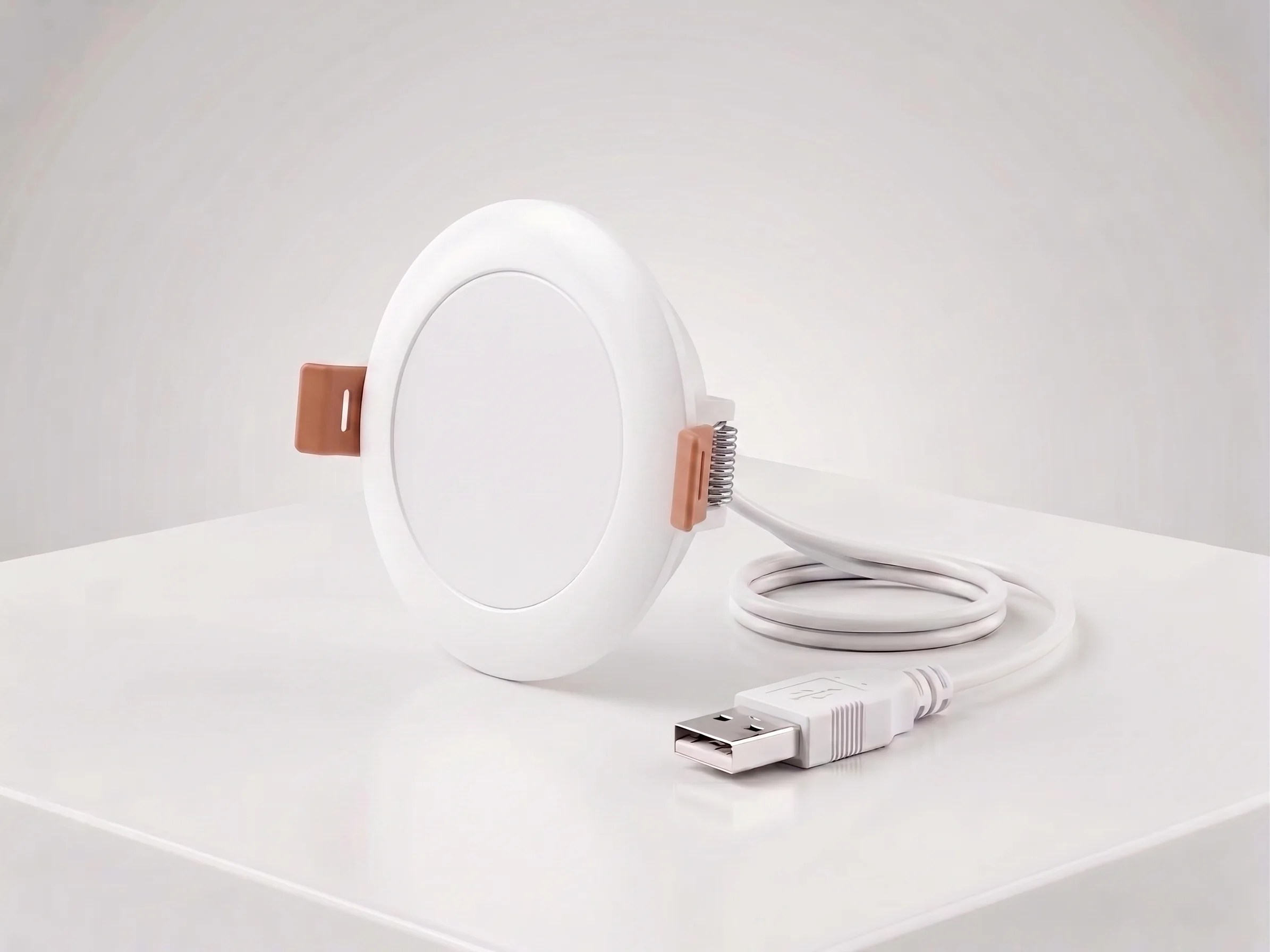
Ceiling Mount mmWave Human Presence Sensor — Zigbee
24GHz wideband mmWave ceiling presence sensor with 10m motion detection, 2.5m micro-motion, and breathing detection. 120° field, DC5V, Zigbee 3.0. For hotel room occupancy and commercial automation.
This page already points to it as the next recommended reference.
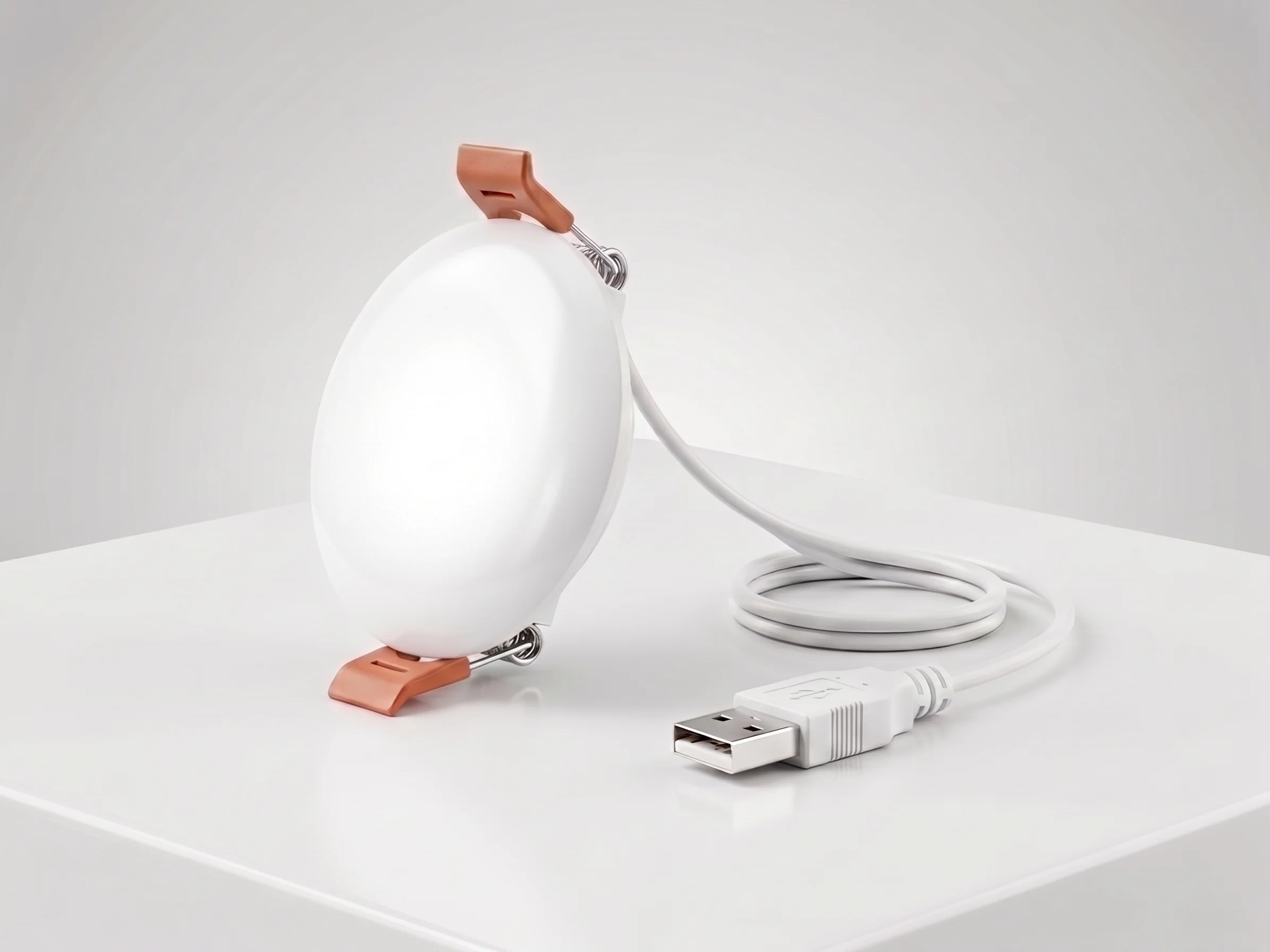
Ceiling Mount mmWave Human Presence Sensor — WiFi
24GHz wideband mmWave ceiling presence sensor with 10m motion detection, 2.5m micro-motion, and breathing detection. 120° field, DC5V, WiFi 2.4GHz. No gateway required for retrofit hotel and apartment projects.
This page already points to it as the next recommended reference.
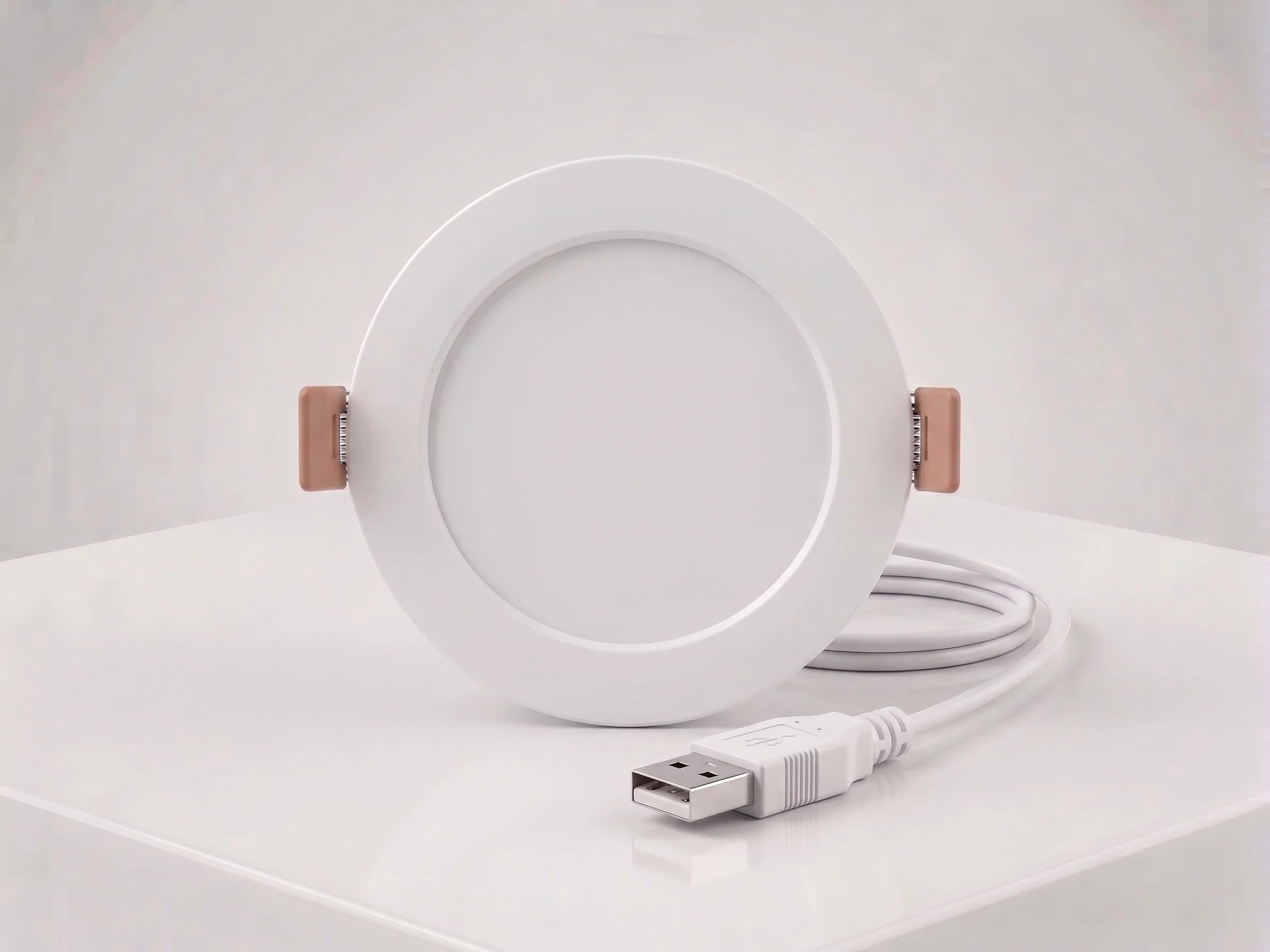
Ceiling Mount mmWave Human Presence Sensor — 60GHz
60GHz (57–64GHz) mmWave ceiling presence sensor with 7GHz bandwidth, 2.1cm range resolution, and breathing-level micro-motion detection. 120° field, DC5V, Zigbee 3.0. For hotel room occupancy and commercial automation where fine stationary-occupant accuracy matters.
It links back to the same sourcing scenario, so the evidence chain stays consistent.
Related solutions
1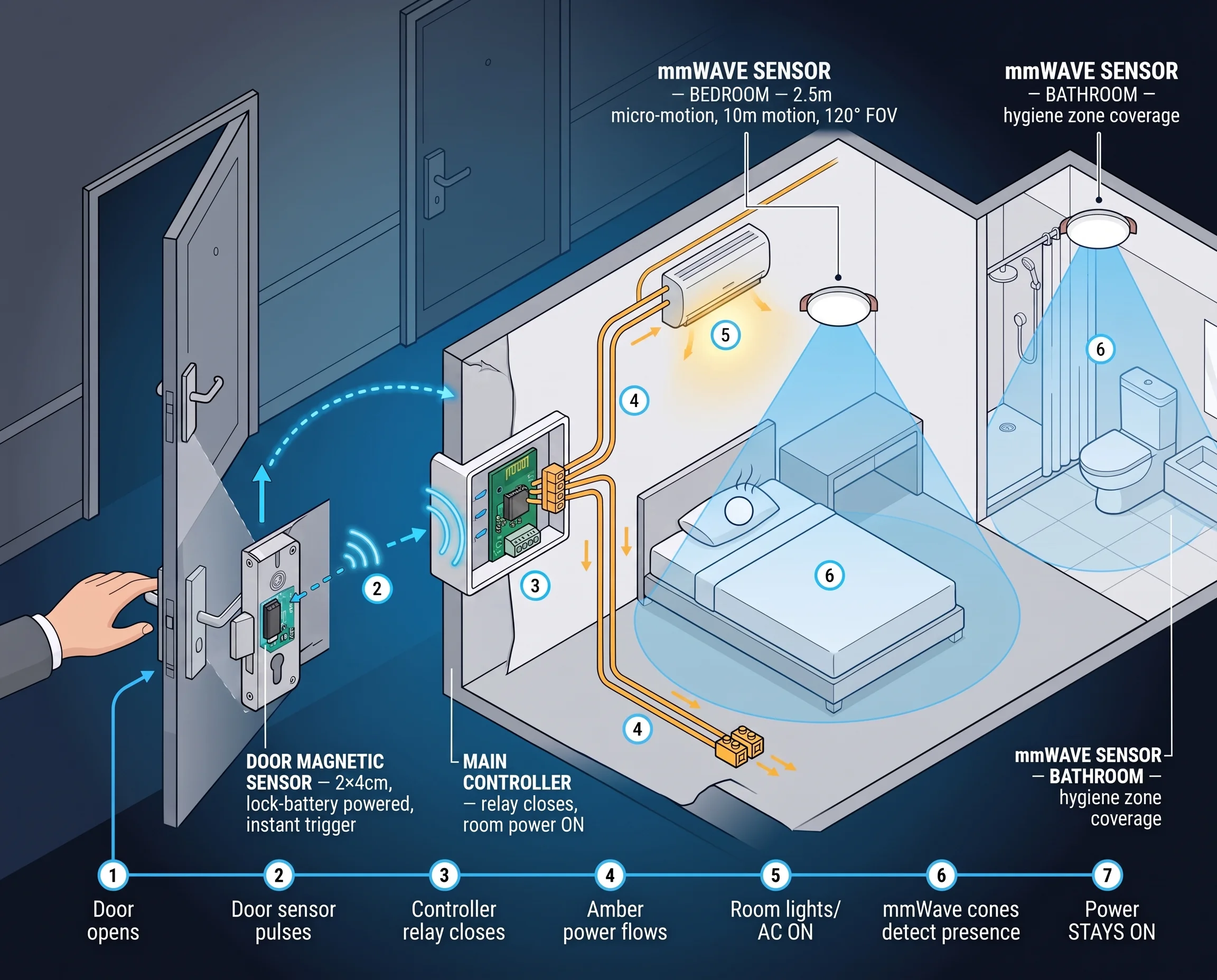
Hotel Room Occupancy & Motion Sensor Solution
mmWave radar presence sensors for hotel room occupancy, housekeeping scheduling, and HVAC energy saving. Detect true occupancy — even when the guest is asleep — with our ceiling-mount hotel room motion sensor.
It supports the same product context: Ceiling Mount mmWave Human Presence Sensor — Zigbee, Ceiling Mount mmWave Human Presence Sensor — WiFi.
Related blog posts
3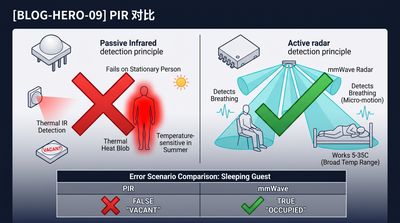
What Is an Electronic Presence Sensor? Technology, Accuracy, and How It Differs From a Motion Sensor
Learn what an electronic presence sensor is, how it detects stationary humans, and how it differs from a PIR motion sensor. Covers mmWave, accuracy, and use cases.
It supports the same product context: Ceiling Mount mmWave Human Presence Sensor — Zigbee, Ceiling Mount mmWave Human Presence Sensor — WiFi.
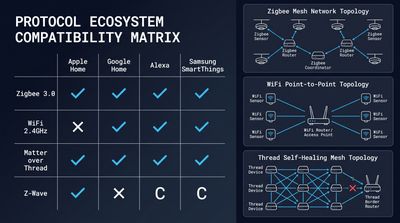
How to Integrate mmWave Presence Sensors With Home Assistant (Local Control Guide)
Step-by-step local control setup guide for mmWave devices, covering MQTT/Matter config, automation scripts, calibration and OEM ceiling presence sensor integration tips.
It supports the same product context: Ceiling Mount mmWave Human Presence Sensor — WiFi, Ceiling Mount mmWave Human Presence Sensor — Zigbee.
Best Presence Sensor for Hotel and Commercial Automation in 2026
A practical guide to choosing the best presence sensor for hotel room occupancy, smart office, and building automation. Compare mmWave presence sensors, PIR presence detectors, and Zigbee/WiFi/Matter presence sensors by detection range, breathing sensing, and protocol.
It supports the same product context: Ceiling Mount mmWave Human Presence Sensor — Zigbee, Ceiling Mount mmWave Human Presence Sensor — WiFi.
Specify your hotel project with our engineers
Send your room count, ceiling type, and protocol preference. We will return a sample plan and quote within 24 business hours.
- Move from general guidance into a product or application discussion.
- Use RFQ when pricing, drawings, MOQ, or launch timing needs structure.
- Keep a direct contact path visible for fast clarifications and handoff.