لماذا تختار مستشعر حضور WiFi للمشاريع الفاخرة
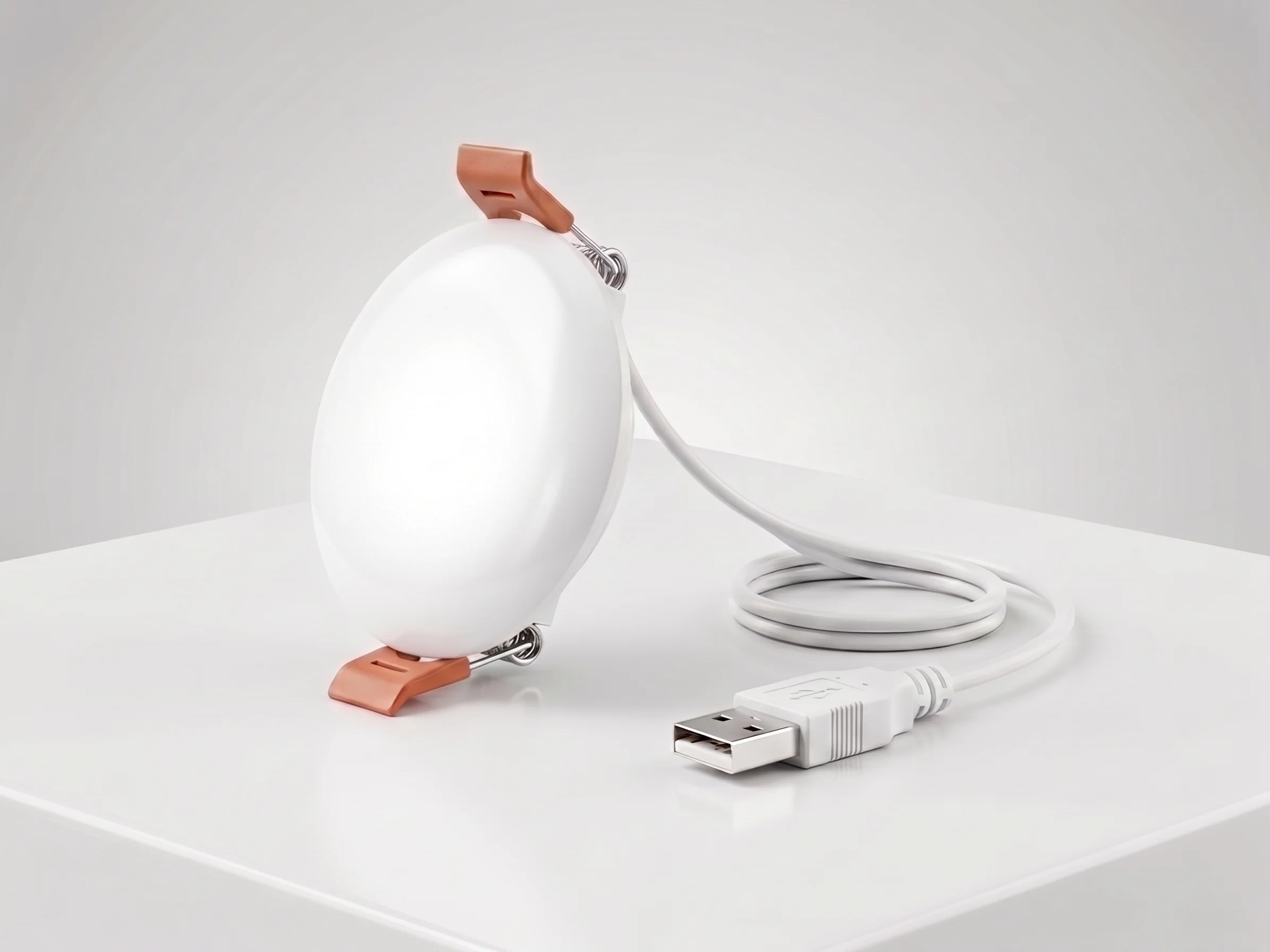
مستشعر الحضور البشري بتقنية mmWave للتثبيت السقفي (WiFi) هو مستشعر حضور يعمل بتقنية WiFi ويكشف الحضور البشري الحقيقي — بما في ذلك الضيف الجالس بهدوء أو النائم — باستخدام رادار mmWave عريض النطاق بتردد 24GHz. يمنح هذا المستشعر مهندسي المواصفات ما لا يستطيعه المستشعرات الأساسية: اتصالاً مباشراً بالسحابة دون بوابة، مع كشف إشغال موثوق لمشاريع التحديث. يستشعر هذا المستشعر حتى الحركة الدقيقة بمستوى التنفس، فلا يُبلّغ أبداً خطأً عن غرفة على أنها فارغة. وباعتباره مستشعر WiFi، يتصل مباشرة بالسحابة دون بوابة — مما يجعله الحل الأسرع لمشاريع تحديث الفنادق والشقق. الفرق عن مستشعر الحضور بتقنية Zigbee هو نظام الاتصال اللاسلكي: هذا المستشعر للاتصال المباشر بالسحابة، بينما مستشعر Zigbee لنشر الشبكة المتداخلة على مستوى الطابق كامل. وللفرق التي تقيّم خيارات مستشعرات الحضور في مناقصات التحديث، يُعد هذا المستشعر المرجع الفعلي لمشاريع أتمتة المباني التي تتطلب بساطة مستشعر الحضور دون بنية بوابطات مخصصة.
أداء الكشف
| المعامل |
القيمة |
| النطاق الترددي |
24GHz (عريض النطاق) |
| أقصى مدى لكشف الحركة |
10م |
| أقصى مدى للحركة الدقيقة / الكشف الساكن |
2.5م |
| كشف التنفس |
مدعوم |
| زاوية الكشف |
120° |
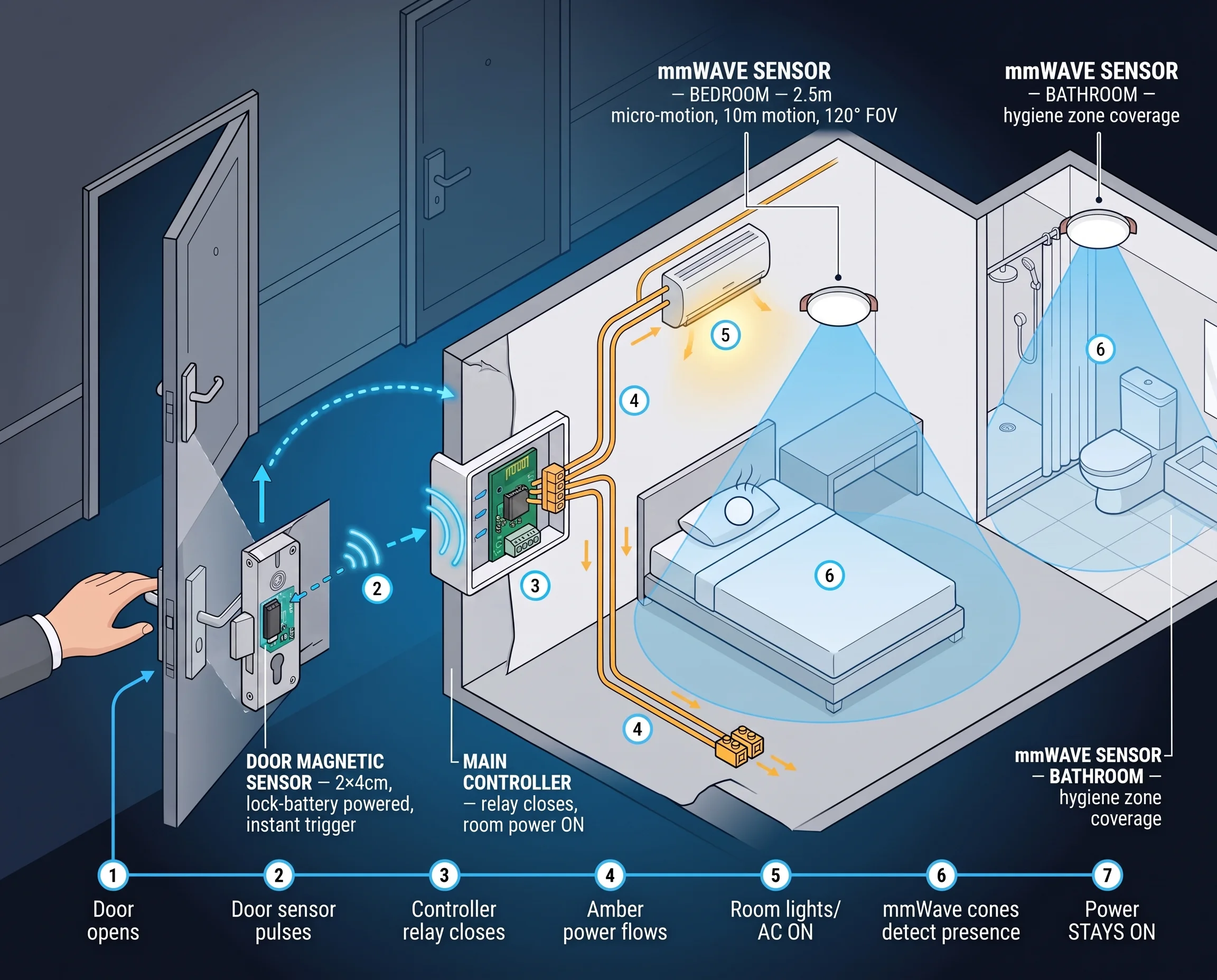
يغطي مدى الحركة البالغ 10م الغرف الفندقية الكبيرة وقاعات الاجتماعات من مستشعر سقفي واحد. ويضمن مدى الحركة الدقيقة البالغ 2.5م عدم تفويت أي ضائب نائم أو جالس — إذ يكتشف المستشعر التنفس، وليس الحركة فقط. معظم مستشعرات mmWave في السوق تكتشف الحركة الدقيقة على بُعد 1.5م أو أقل؛ بينما يصل مستشعرنا إلى 2.5م ليغطي مساحة السرير بالكامل. وتوفر زاوية الرؤية البالغة 120° تغطية كاملة للغرفة عند التثبيت السقفي. يتفوق مستشعر WiFi هذا على مستشعرات PIR (التي تعاني من نسب إنذارات كاذبة مرتفعة صيفاً عندما تقترب درجة الحرارة المحيطة من درجة حرارة الجسم) وعلى مستشعرات 5.8GHz القياسية في دقة كشف الإشغال الساكن.
مستشعر الحضور mmWave مقابل كاشف PIR
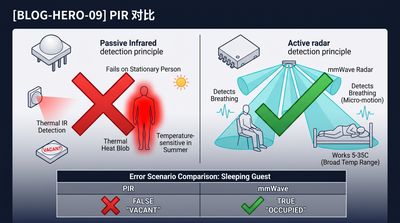
مقارنة كاشفات الحضور أمر مهم: تعمل كاشفات PIR على التباين الحراري بين الجسم والخلفية، وتفشل في حالتين موثقتين جيداً — الأشخاص الثابتين (النوم، القراءة، العمل المكتبي) والغرف التي تقترب فيها درجة الحرارة المحيطة من درجة حرارة الجسم صيفاً. ويتفوق مستشعر mmWave بتقنية WiFi هذا على كاشفات PIR في الحالتين. نواة الرادار عريضة النطاق 24GHz تكتشف الحركة الدقيقة والتنفس على بُعد 2.5م، محافظةً على حالة الغرفة "مشغولة" أثناء نوم الضيف — وهو سلوك لا تستطيع كاشفات PIR مجاراته. ويغطي مدى الحركة البالغ 10م الغرف الفندقية الكبيرة وقاعات الاجتماعات من مستشعر سقفي واحد، بينما يضمن مدى الحركة الدقيقة البالغ 2.5م عدم تفويت أي ضيف نائم أو جالس — إذ يكتشف المستشعر التنفس، وليس الحركة فقط. معظم مستشعرات mmWave في السوق تكتشف الحركة الدقيقة على بُعد 1.5م أو أقل؛ بينما يصل مستشعرنا إلى 2.5م ليغطي مساحة السرير بالكامل. تعاني كاشفات PIR من نسب إنذارات كاذبة مرتفعة صيفاً عندما تقترب درجة الحرارة المحيطة من درجة حرارة الجسم؛ بينما لا يتأثر مستشعر mmWave بتقنية WiFi هذا بدرجة الحرارة المحيطة. وتفقد كاشفات 5.8GHz القياسية دقتها أمام الأسطح العاكسة؛ بينما يكون مستشعر mmWave عريض النطاق هذا مقاوماً للتداخل متعدد المسارات الداخلي.
بدون بوابة، بدون تعقيد
يتصل مستشعر الحضور بتقنية WiFi مباشرة بشبكة WiFi 2.4GHz وسحابة Tuya، ليعمل في المباني التي لا يكون فيها نشر شبكة بوابات Zigbee عملياً. إنه الحل الأسرع لمشاريع تحديث الفنادق والشقق المخدومة التي تحتاج كشف حضور دون جهاز مركزي منفصل. مستشعر WiFi يعني عدم وجود عتاد إضافي — فقط اقرن المستشعر بتطبيق Tuya ليصبح متصلاً بالإنترنت.
التركيب والطاقة
يُركَّب المستشعر بشكل مدمج في فتحة سقف قياسية. ومدخل الجهد المنخفض DC5V يبسّط الدمج للمصنّعين — إذ يمكن تضمين المستشعر في التجهيزات المزودة بالطاقة أو التركيبات العاملة بمنافذ USB أو أنظمة المباني المدعومة بالبطاريات. وللمشاريع القيد التحديث، يأتي المستشعر مع محول طاقة DC5V. صُمم مستشعر WiFi هذا للتركيب السريع حيث يلزم نشر مستشعر حضور دون تغييرات في البنية التحتية.
مستشعر كشف الحضور لأتمتة المباني الذكية
يقع مستشعر كشف الحضور في قلب أي منظومة حديثة لأتمتة المباني الذكية — تقسيم التكييف، سيناريوهات الإضاءة، توفير الطاقة القائم على الإشغال، جدولة خدمات النظافة. يجمع مستشعر كشف الحضور هذا بين رادار mmWave عريض النطاق 24GHz وتقنية WiFi ليُبث إشارة كشف الحضور مباشرة إلى السحابة للمراقبة عن بُعد. ويُبلّغ المستشعر عن ثلاث حالات مميزة (حركة، حركة دقيقة، تنفس) بحيث تختار الأتمتة اللاحقة الحالة المناسبة للإجراء المناسب — على سبيل المثال، خفض الإضاءة إلى 30% عند الحركة الدقيقة، مع الحفاظ على التكييف في وضع الراحة عند كشف التنفس فقط. وللفرق التي تُحدّث المباني القائمة بمستشعرات كشف الحضور، يلغي التصميم المباشر بـ WiFi الحاجة إلى بوابات مخصصة ويقلل تكلفة النشر. يتكامل المستشعر مع سحابة Tuya ومنصات PMS الرئيسية (CloudBeds، Mews)، ومع Apple Home / Google Home / Alexa عبر تكامل Tuya لأتمتة فندقية بمستوى المواصفات الهندسية.
سوق مستشعرات ووحدات mmWave: موقع هذا المستشعر منه
يُقسَّم سوق مستشعرات ووحدات mmWave حسب النطاق الترددي ومستوى الشهادات ونموذج التكامل. تقع مستشعرات mmWave الاستهلاكية الاقتصادية (5.8GHz، WiFi/Zigbee) في الطرف الأدنى — فهي تكشف الحركة لكنها تفقد الدقة مع الأشخاص الثابتين وتفتقر إلى شهادات المؤسسات. أما مستشعرات mmWave الصناعية بـ 60GHz (Texas Instruments IWR6843، Infineon BGT60، Vayyar) فتستهدف المدمجين للمصنّعين بتصاميم مرجعية ودعم هندسي، لكنها تتطلب أجهزة لاسلكية خارجية للتكامل مع النظم البيئية. ويحتل مستشعر mmWave بتقنية WiFi هذا المستوى المتوسط إلى الفاخر من سوق مستشعرات ووحدات mmWave: نواة رادار 24GHz عريضة النطاق لدقة كشف الإشغال الساكن، وشهادات WiFi + سحابة Tuya للتوافق مع النظم البيئية، وأسعار منتج نهائي في شريحة الطلبات من 1000 وحدة. وللمشترين الذين يقارنون سوق مستشعرات ووحدات mmWave حسب الاستخدام، يُعد مستشعر WiFi هذا الخيار المناسب لمشاريع تحديث الفنادق والشقق المخدومة حيث لا تتوفر بنية بوابطات. كما يتوفر المستشعر كوحدة للمدمجين الذين يطورون منتجاتهم الخاصة في سوق مستشعرات ووحدات mmWave.
التطبيقات
- غرف الفنادق قيد التحديث: يعمل مستشعر الحضور بتقنية WiFi حيث لا يكون إضافة بوابة Zigbee عملياً — إذ يتصل المستشعر مباشرة بالسحابة.
- الشقق المخدومة: يتيح المستشعر أقفالاً ذكية سحابية وسيناريوهات حضور دون جهاز مركزي. يكتشف مستشعر WiFi المغادرة ويُفعّل الأتمتة.
- الإيجارات قصيرة الأجل: يوفر المستشعر كشف تسجيل المغادرة التلقائي — يعرف مستشعر WiFi متى غادر الضيوف.
- رعاية كبار السن: يوفر المستشعر مراقبة إشغال الغرفة دون تدخل مع كشف التنفس — مستشعر WiFi للمراقبة الصحية.
الشهادات والتصدير
حاصلاً على شهادات CE وFCC وRoHS للاستيراد المباشر إلى أسواق الاتحاد الأوروبي والولايات المتحدة — كل مستشعر حضور يُشحن مع وثائق الامتثال. ويضمن التصنيع المعتمد بـ ISO 9001 جودة متسقة لكل مستشعر WiFi. تُشحن العينات خلال 3-5 أيام؛ ويستغرق الإنتاج الكامل 7-10 أيام مع خيارات الشحن FOB Shenzhen أو CIF أو DDP. تتوفر العلامة التجارية الخاصة (OEM) وتخصيص البروتوكولات عند الحد الأدنى للطلب — مستشعر WiFi بعلامتك التجارية، مصنوع وفق مواصفاتك.
Why choose a WiFi presence sensor for premium projects
The Ceiling Mount mmWave Human Presence Sensor (WiFi) is a WiFi presence sensor that detects true human presence — including a guest sitting still or sleeping — using 24GHz wideband mmWave radar. As a presence sensor, it gives specifiers what a basic presence sensor cannot: cloud-direct connectivity without a gateway, plus reliable occupancy detection for retrofit projects. This presence sensor even senses breathing-level micro-motion, so the presence sensor never falsely reports a room as vacant. As a WiFi presence sensor, it connects directly to the cloud without a gateway — making this presence sensor the fast path for retrofit hotel and apartment projects. The difference from the Zigbee presence sensor is the radio: this WiFi presence sensor for direct-to-cloud, the Zigbee presence sensor for whole-floor mesh deployments. For teams evaluating presence sensor options for retrofit tenders, this WiFi presence sensor is the de-facto reference for building automation projects that require presence sensor simplicity without dedicated gateway infrastructure.
| Parameter |
Value |
| Frequency band |
24GHz (wideband) |
| Max motion detection |
10m |
| Max micro-motion / static detection |
2.5m |
| Breathing detection |
Supported |
| Detection angle |
120° |
The 10m motion range covers large hotel rooms and meeting spaces from a single ceiling presence sensor. The 2.5m micro-motion range ensures a sleeping or seated guest is never missed — the presence sensor detects breathing, not just movement. Most mmWave presence sensors on the market detect micro-motion at only 1.5m or less; our presence sensor reaches 2.5m, covering the full bed area. The 120° field of view provides full room coverage when the presence sensor is ceiling-mounted. This WiFi presence sensor outperforms PIR presence sensors (which suffer high false-positive rates in summer when ambient temperature approaches body temperature) and standard 5.8GHz presence sensors in static-occupancy accuracy.
mmWave Presence Sensor vs PIR Detector
A presence detector comparison matters: PIR presence detectors trigger on body-against-background thermal contrast, and they fail in two well-documented scenarios — stationary occupants (sleeping, reading, desk work) and rooms where ambient temperature approaches body temperature in summer. This WiFi mmWave presence sensor outperforms PIR presence detectors in both cases. The wideband 24GHz radar core detects micro-motion and breathing at 2.5m, holding the room "occupied" while a guest sleeps — a presence detector behavior PIR presence sensors cannot match. The 10m motion range covers large hotel rooms and meeting spaces from a single ceiling presence sensor, while the 2.5m micro-motion range ensures a sleeping or seated guest is never missed — the presence sensor detects breathing, not just movement. Most mmWave presence sensors on the market detect micro-motion at only 1.5m or less; our presence sensor reaches 2.5m, covering the full bed area. PIR presence sensors suffer high false-positive rates in summer when ambient temperature approaches body temperature; this WiFi mmWave presence sensor is unaffected by ambient temperature. Standard 5.8GHz presence detectors lose accuracy against reflective surfaces; this wideband mmWave presence sensor is robust to indoor multipath.
No gateway, no friction
The WiFi presence sensor connects directly to 2.4GHz WiFi and the Tuya cloud, so this presence sensor works in buildings where deploying a Zigbee gateway network is not practical. The presence sensor is the fast path for retrofit hotel and serviced apartment projects that need presence detection without a separate hub. A WiFi presence sensor means no extra hardware — just pair the presence sensor with the Tuya app and the presence sensor is online.
Installation and power
The presence sensor flush-mounts into a standard ceiling cutout. DC5V low-voltage input simplifies OEM integration — the presence sensor is embeddable into powered fixtures, USB-powered installations, or battery-backed building systems. For retrofit projects, the presence sensor pairs with a supplied DC5V power adapter. The WiFi presence sensor is designed for fast installation where a presence sensor needs to be deployed without infrastructure changes.
Presence Detection Sensor for Smart Building Automation
A presence detection sensor sits at the heart of any modern smart building automation stack — HVAC zoning, lighting scenes, occupancy-driven energy savings, housekeeping scheduling. This presence detection sensor combines 24GHz wideband mmWave radar with WiFi so the presence detection signal is broadcast directly to the cloud for remote monitoring. As a presence detection sensor, it reports three distinct states (motion, micro-motion, breathing) so downstream automation can pick the right state for the right action — for example, dim the lights to 30% on micro-motion, but keep HVAC at comfort on breathing only. For teams retrofitting existing buildings with presence detection sensors, the WiFi-direct design eliminates the need for dedicated gateways and reduces deployment cost. The presence detection sensor integrates with the Tuya cloud, major PMS platforms (CloudBeds, Mews), and Apple Home / Google Home / Alexa via Tuya integration for specifier-grade hotel automation.
mmWave Sensors and Modules Market: Where This Presence Sensor Fits
The mmWave sensors and modules market is segmented by frequency band, certification tier, and integration model. Entry-level consumer mmWave presence sensors (5.8GHz, WiFi/Zigbee) sit at the low end — they detect motion but lose accuracy on stationary occupants and lack enterprise certifications. Industrial-grade 60GHz mmWave presence sensors (Texas Instruments IWR6843, Infineon BGT60, Vayyar) target OEM integrators with reference designs and engineering support, but they require external radios for ecosystem integration. This WiFi mmWave presence sensor occupies the mid-to-premium tier of the mmWave sensors and modules market: 24GHz wideband mmWave radar core for stationary-occupancy accuracy, WiFi + Tuya cloud certification for ecosystem interoperability, and finished-product pricing in the 1,000-lot band. For presence sensor buyers comparing the mmWave sensors and modules market by use case, this WiFi presence sensor is the right fit for retrofit hotel and serviced apartment projects where gateway infrastructure is not available. The presence sensor is also available as a module for OEM integrators building their own mmWave sensors and modules market products.
Applications
- Retrofit hotel rooms: the WiFi presence sensor works where adding a Zigbee gateway is not practical — the presence sensor connects directly to the cloud.
- Serviced apartments: the presence sensor enables cloud-based smart locks and presence scenes without a hub. The WiFi presence sensor detects departure and triggers automation.
- Short-term rentals: the presence sensor provides automated check-out detection — the WiFi presence sensor knows when guests have left.
- Elder care: the presence sensor provides non-intrusive room occupancy with breathing detection — a WiFi presence sensor for healthcare monitoring.
Certifications and export
CE, FCC, and RoHS certified for direct import into EU and US markets — every presence sensor ships with compliance documents. ISO 9001 manufacturing ensures each WiFi presence sensor meets consistent quality. The presence sensor ships in 3-5 days for samples; mass production of the WiFi presence sensor runs 7-10 days with FOB Shenzhen, CIF, or DDP logistics. OEM branding and protocol customization are available at MOQ — your branded WiFi presence sensor, built to your presence sensor specification.