سوق أجهزة الاستشعار ووحدات mmWave 2026: نطاقات التردد، ومصادر OEM، وما يجب شراؤه
دليل عام 2026 لسوق مستشعرات ووحدات mmWave: تقسيم نطاقات التردد (5.8/24/60/77 GHz)، مستويات التوريد من الشريحة إلى المنتج النهائي، معايير تسعير OEM، وكيفية اختيار وحدة كشف التواجد mmWave المناسبة لمشروعك.
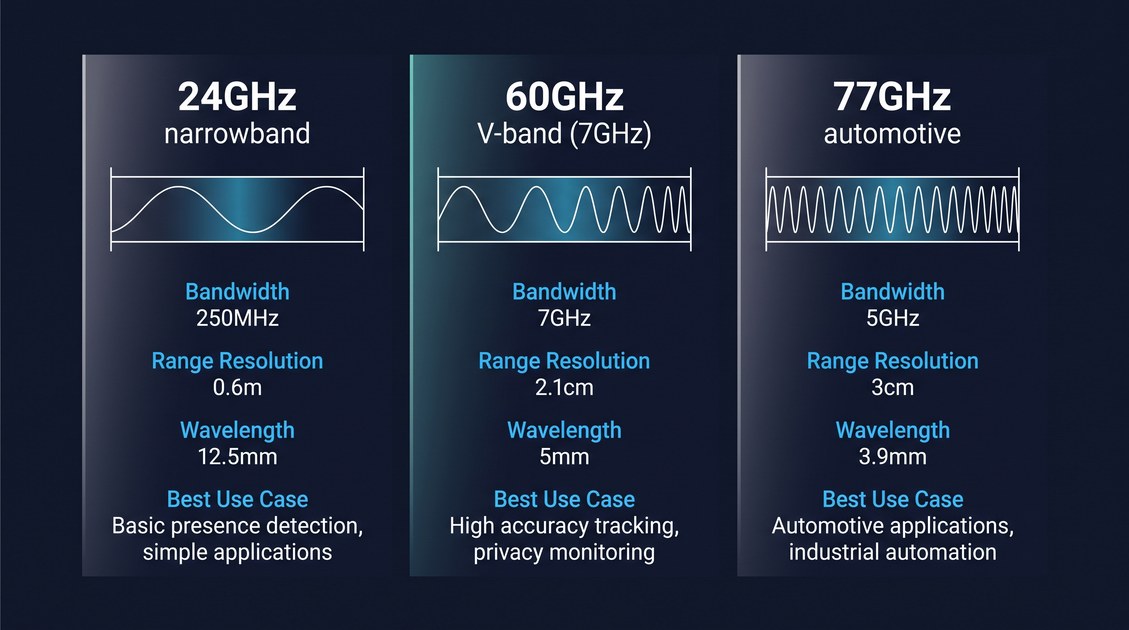
The mmWave sensors and modules market in 2026 is a layered ecosystem that spans silicon chipsets at $2–8 per chipset (10,000-unit volume), integrated modules at $6–25 per module, and finished presence detection products at $30–150 per unit. The market is organized by frequency band (5.8 GHz narrowband, 24 GHz narrowband and UWB, 60 GHz wideband, 77 GHz automotive), by sourcing tier (chipset vendors, module vendors, finished product vendors), and by integration model (consumer retail, specialized distribution, OEM direct). Selecting the right level of the mmWave sensors and modules market depends on the buyer's technical capability, the deployment scale, the regulatory environment, and the certification requirements.
This guide provides a structured view of the mmWave sensors and modules market in 2026, covering the four active frequency bands, the chipset-to-finished-product sourcing tiers, the OEM pricing benchmarks, and a selection framework for B2B buyers specifying mmWave presence detection for hospitality, commercial, and residential projects.
سوق مستشعرات ووحدات mmWave: المشهد العام لنطاقات التردد
The mmWave sensors and modules market is segmented by four primary frequency bands, each with different regulatory status, technical capabilities, and cost profiles.
سوق مستشعرات ووحدات mmWave: النطاق الضيق 5.8 GHz
The 5.8 GHz band is the entry-level segment of the mmWave sensors and modules market, used in low-cost consumer motion sensors and basic industrial controls. 5.8 GHz narrowband sensors detect gross movement but typically fail on stationary occupants because of limited range resolution and Doppler-only operation.
Typical applications: stairwell lighting, automatic door openers, basic occupancy lighting control, security motion sensing.
Typical pricing: $2–5 per chipset, $5–10 per module, $15–30 per finished unit.
Limitations: no micro-motion detection, no static-presence detection, high false-positive rate in summer.
سوق مستشعرات ووحدات mmWave: النطاق الضيق وUWB بتردد 24 GHz
The 24 GHz band is split into a narrowband ISM allocation (24.0–24.25 GHz, 250 MHz) and an ultra-wideband allocation (24.05–24.25 GHz, up to 5 GHz). The 24 GHz band is the most mature segment of the mmWave sensors and modules market, with products used in industrial automation, automatic doors, and basic presence detection.
Typical applications: industrial automation, automatic doors, basic presence detection, security systems.
Typical pricing: $3–8 per chipset, $8–15 per module, $30–80 per finished unit.
Limitations: 24 GHz narrowband has limited range resolution (insufficient for fine micro-motion); the UWB allocation is being phased out for new automotive designs in Europe, creating long-term supply risk.
سوق مستشعرات ووحدات mmWave: النطاق العريض 60 GHz
The 60 GHz band (57–64 GHz, 7 GHz of bandwidth) has become the dominant frequency for indoor presence detection in the mmWave sensors and modules market. 60 GHz wideband radar delivers sub-degree angular resolution, supports Doppler and micro-motion detection at 2–3 m range, and is regulatorily available worldwide under unlicensed 60 GHz rules.
Typical applications: hotel guest-room presence detection, office space utilization analytics, residential smart home presence automation, healthcare room occupancy, fall detection for senior care.
Typical pricing: $4–8 per chipset (TI, Infineon) or $2–5 per chipset (Calterah, SGR), $10–25 per module, $50–150 per finished unit.
Advantages: best static-occupancy accuracy, integrated DSP and on-chip FFT, mature software ecosystem, global regulatory availability.
سوق مستشعرات ووحدات mmWave: نطاق السيارات 77 GHz
The 77 GHz band (76–81 GHz, 5 GHz of bandwidth) is reserved primarily for automotive radar but is increasingly being repurposed for industrial and large-venue presence detection in the mmWave sensors and modules market. 77 GHz sensors deliver 4 cm range resolution and multi-target separation, but they require stricter regulatory qualification and higher per-unit cost.
Typical applications: large-venue presence detection, industrial safety zones, automotive in-cabin sensing.
Typical pricing: $15–40 per chipset, $25–60 per module, $200+ per finished unit.
Limitations: highest cost, strictest regulatory burden, automotive-grade qualification required for some markets.
| Frequency band | Bandwidth | 10K unit chipset price | Static-occupancy detection | Best for |
|---|---|---|---|---|
| 5.8 GHz | 150 MHz | $2–5 | ❌ No | Basic motion sensing |
| 24 GHz NB | 250 MHz | $3–8 | ⚠️ Limited | Industrial automation |
| 24 GHz UWB | 5 GHz | $3–8 | ✅ Yes | Phasing out in EU |
| 60 GHz wideband | 7 GHz | $4–8 (TI/Infineon) or $2–5 (Asian) | ✅ Yes (2.5m micro-motion) | Hotels, offices, residential |
| 77 GHz | 5 GHz | $15–40 | ✅ Yes (4 cm resolution) | Automotive, large venues |
سوق مستشعرات ووحدات mmWave: مستويات التوريد
The mmWave sensors and modules market is organized into three sourcing tiers, each with different cost, lead time, support, and customization profiles.
سوق مستشعرات ووحدات mmWave: مستوى الشرائح (السيليكون)
The chipset tier is the foundation of the mmWave sensors and modules market. Chipset vendors supply the underlying mmWave transceiver silicon that is the core of every mmWave presence detector. Buying at the chipset tier requires the buyer to handle RF design, antenna layout, FCC/CE certification, and firmware development.
Chipset vendors:
- Texas Instruments (TI): 60 GHz IWR6843 / IWR6443, 77 GHz AWR family. $4–8 per chipset at 10,000-unit volume. Best software ecosystem.
- Infineon: 24 GHz BGT24M, 60 GHz BGT60/BGT61. $4–8 per chipset at 10,000-unit volume. Strong European presence, automotive heritage.
- NXP: 77 GHz TEF82xx, SAF85xx. $15–40 per chipset. Dominant in automotive radar.
- Calterah: 60 GHz CAL60 series. $2–5 per chipset. Asian fabless vendor, cost-competitive.
- SGR: 60 GHz SGR series. $2–5 per chipset. Asian fabless vendor, cost-competitive.
When to buy at the chipset tier: OEM designing a custom product with specific form factor, integration requirements, or branding. Requires in-house RF and firmware engineering.
سوق مستشعرات ووحدات mmWave: مستوى الوحدات (الترددات الراديوية المتكاملة)
The module tier is the mid-level of the mmWave sensors and modules market, where chipset vendors and third-party integrators combine the silicon with antennas, RF front-end, and baseband processing into a production-ready module. Modules typically include reference firmware and application notes.
Module vendors:
- Vayyar: 60 GHz mmWave modules with on-module ML classification, $15–25 per module at 10,000-unit volume. Best for senior care, automotive.
- Calterah, SGR, Siflower: 60 GHz integrated modules, $8–15 per module at 10,000-unit volume. Cost-competitive for OEM.
- Infineon XENSIV reference modules: $10–20 per module at 10,000-unit volume. Reference firmware included.
When to buy at the module tier: OEM wants to skip RF design but still needs custom firmware, branding, or mechanical integration. Lead time 4–8 weeks.
سوق مستشعرات ووحدات mmWave: مستوى المنتج النهائي (جاهز للنشر)
The finished product tier is the top of the mmWave sensors and modules market, where manufacturers supply certified, ready-to-deploy mmWave presence detection products. Finished products include Matter / Zigbee / WiFi connectivity, regulatory certification (CE, FCC, RoHS), and warranty support.
Finished product vendors:
- PresenceSensor: ceiling and wall-mount mmWave presence sensors with Matter over Thread, Zigbee, WiFi. $50–100 per unit at 1,000-unit volume. Spec-driven for hospitality and commercial.
- Aqara: consumer-grade mmWave presence sensors (FP2). $40–80 per unit. Apple HomeKit, Alexa, Google Home.
- Honeywell, Siemens, Schneider Electric: commercial-grade mmWave sensors with BMS integration. $100–200 per unit. Building automation.
- Xiaomi, Tuya-based devices: consumer-grade, $20–40 per unit. Tuya ecosystem.
When to buy at the finished product tier: hotel, office, or residential project that needs deployment-ready sensors with ecosystem integration and certification. Lead time 2–4 weeks.
| Sourcing tier | 10K unit cost (chipset) | 10K unit cost (finished) | Engineering required | Best for |
|---|---|---|---|---|
| Chipset | $2–8 | n/a | Full RF + firmware | OEM custom product |
| Module | n/a | $8–25 | Firmware only | OEM with branding |
| Finished | n/a | $30–150 | None | Deployment-ready projects |
سوق مستشعرات ووحدات mmWave: إطار الاختيار
The right level of the mmWave sensors and modules market depends on four buyer questions.
سوق مستشعرات ووحدات mmWave: السؤال 1 — حجم النشر
<100 sensors: finished product tier. The engineering cost of designing from chipset or module exceeds the per-unit savings. Buy from a finished product vendor with ecosystem integration.
100–1,000 sensors: finished product or module tier. At this scale, you can negotiate OEM pricing from a finished product vendor, or buy modules for custom branding.
>1,000 sensors: module or chipset tier. At this scale, the per-unit savings of buying modules ($8–25) versus finished products ($30–150) justify the engineering cost of integration.
سوق مستشعرات ووحدات mmWave: السؤال 2 — الحاجة إلى اكتشاف الأشخاص الساكنين
If your application requires detecting stationary occupants (sleeping, reading, sitting at a desk), you need 60 GHz wideband with micro-motion detection. This rules out 5.8 GHz narrowband and basic 24 GHz narrowband sensors. The 60 GHz segment of the mmWave sensors and modules market is the only frequency band that delivers reliable 2.5m micro-motion detection at consumer-accessible pricing.
سوق مستشعرات ووحدات mmWave: السؤال 3 — الحاجة إلى تكامل النظام البيئي
If your deployment requires integration with Apple Home, Google Home, Amazon Alexa, or Matter, buy at the finished product tier. Most chipset and module vendors supply raw RF data and require custom firmware to bridge to consumer ecosystems. Finished product vendors in the mmWave sensors and modules market ship with certified Matter / Zigbee / WiFi / Thread connectivity.
سوق مستشعرات ووحدات mmWave: السؤال 4 — سوق الشهادات المستهدف
If your deployment target market requires CE, FCC, RoHS, or Matter certification, buy at the finished product tier or from module vendors who pre-certify. Certifying a chipset- or module-based design yourself adds 6–12 months and $50,000–200,000 in lab and regulatory fees.
سوق مستشعرات ووحدات mmWave: اتجاهات عام 2026
The mmWave sensors and modules market is evolving rapidly in 2026.
- Matter adoption: the Matter smart home standard is creating demand for Matter-certified mmWave sensors at the finished product tier. PresenceSensor, Aqara, and other vendors have shipped Matter-over-Thread presence sensors to meet this demand.
- Single-chip integration: the integration of mmWave transceivers and wireless radios into single-chip solutions is reducing cost and enabling new form factors. Calterah and SGR are leading this trend.
- On-device machine learning: modern mmWave detectors are including on-device ML for improved accuracy on stationary occupants and new capabilities (gesture recognition, fall detection). Vayyar and PresenceSensor are the leaders in this segment.
- Price compression: increased competition among chipset vendors is driving down the cost of mmWave devices. The 60 GHz chipset price has dropped from $8–15 in 2023 to $2–8 in 2026, expanding the addressable market.
- Asian vendor expansion: Calterah, SGR, and Siflower are gaining global market share by offering 60 GHz chipsets at $2–5, undercutting TI and Infineon. The trade-off is less mature software ecosystems and more limited global technical support.
سوق مستشعرات ووحدات mmWave: التوصية النهائية
The mmWave sensors and modules market in 2026 offers three distinct value propositions depending on the buyer's needs:
- For OEM designing a custom product (your own brand, your own form factor): buy at the chipset tier from TI or Infineon for the 60 GHz segment, or from Calterah / SGR for cost-sensitive designs. Plan for 6–12 months and $50,000–200,000 in certification cost.
- For OEM with custom branding but skip RF design: buy at the module tier from Vayyar for senior care, or from Calterah / SGR / Infineon reference modules for general presence detection. Plan for 4–8 weeks lead time.
- For hotel, office, or residential deployment: buy at the finished product tier from PresenceSensor, Aqara, or Honeywell. Plan for 2–4 weeks lead time and ecosystem integration included.
Regardless of the sourcing tier, the buyer should verify the static-occupant true-positive rate (TPR) with independent test data, ensure that the product carries the required certifications for the target market, and conduct a pilot deployment before committing to a full order. With this structured approach, the procurement team can secure a high-quality mmWave presence detection solution that meets the deployment requirements and provides a reliable return on investment.
غير متأكد أي مستشعر يناسب مشروعك؟
تحدث مع مهندسي تطبيق الموجات المليمترية لدينا للحصول على استشارة مجانية.
ابحث عن مستشعر الحضور المناسب لمشروع فندقك
قارن بين 3 بروتوكولات، راجع دراسات حالة الفنادق، وحمّل دليل التركيب
منتجات ذات صلة
3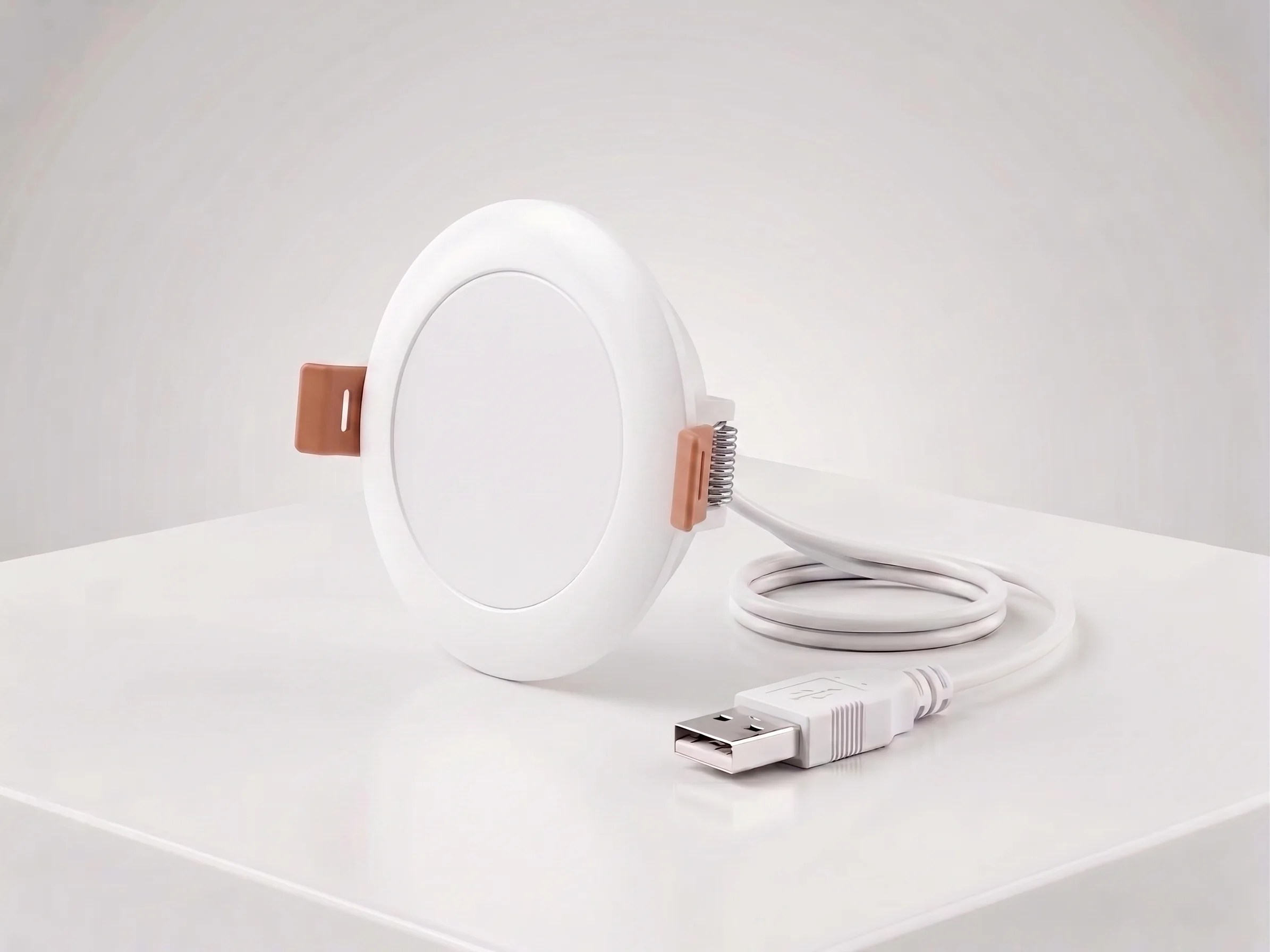
مستشعر الحضور البشري بالرادار mmWave للسقف — Zigbee
مستشعر حضور سقف mmWave عريض النطاق 24GHz بكشف حركة حتى 10م وحركة دقيقة حتى 2.5م وكشف التنفس. زاوية 120°، DC5V، Zigbee 3.0 لإشغال غرف الفنادق والأتمتة التجارية.
تشير هذه الصفحة بالفعل إليه كمرجع تالٍ موصى به.
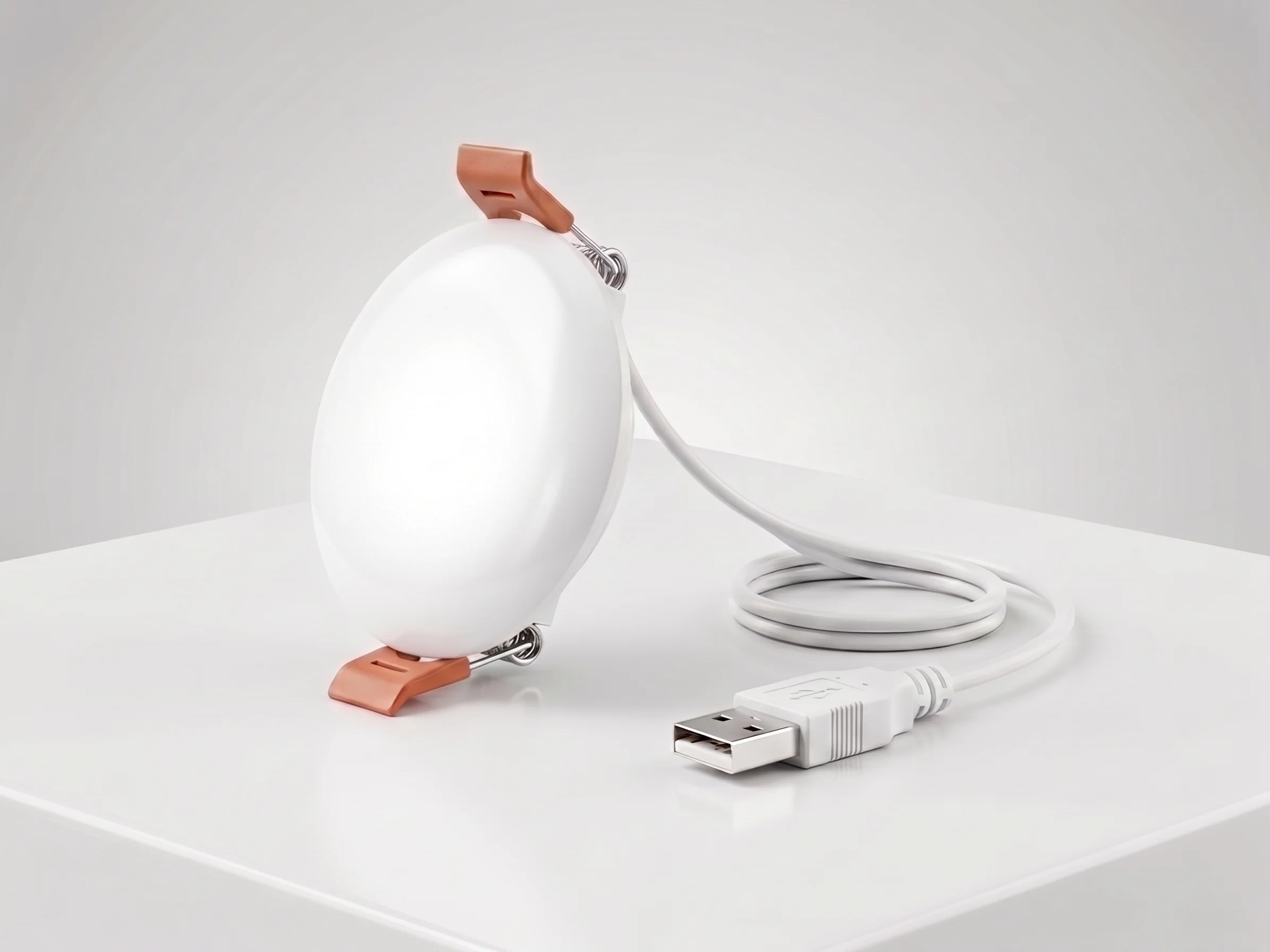
مستشعر حضور بشرلي رادار mmWave للتثبيت السقفي — WiFi
مستشعر حضور سقفي بتقنية mmWave عريضة النطاق بتردد 24GHz مع كشف حركة حتى 10م، وحركة دقيقة حتى 2.5م، وكشف التنفس. زاوية 120°، DC5V، WiFi 2.4GHz. لا يحتاج بوابة، مثالي لمشاريع الفنادق والشقق القائمة.
تشير هذه الصفحة بالفعل إليه كمرجع تالٍ موصى به.
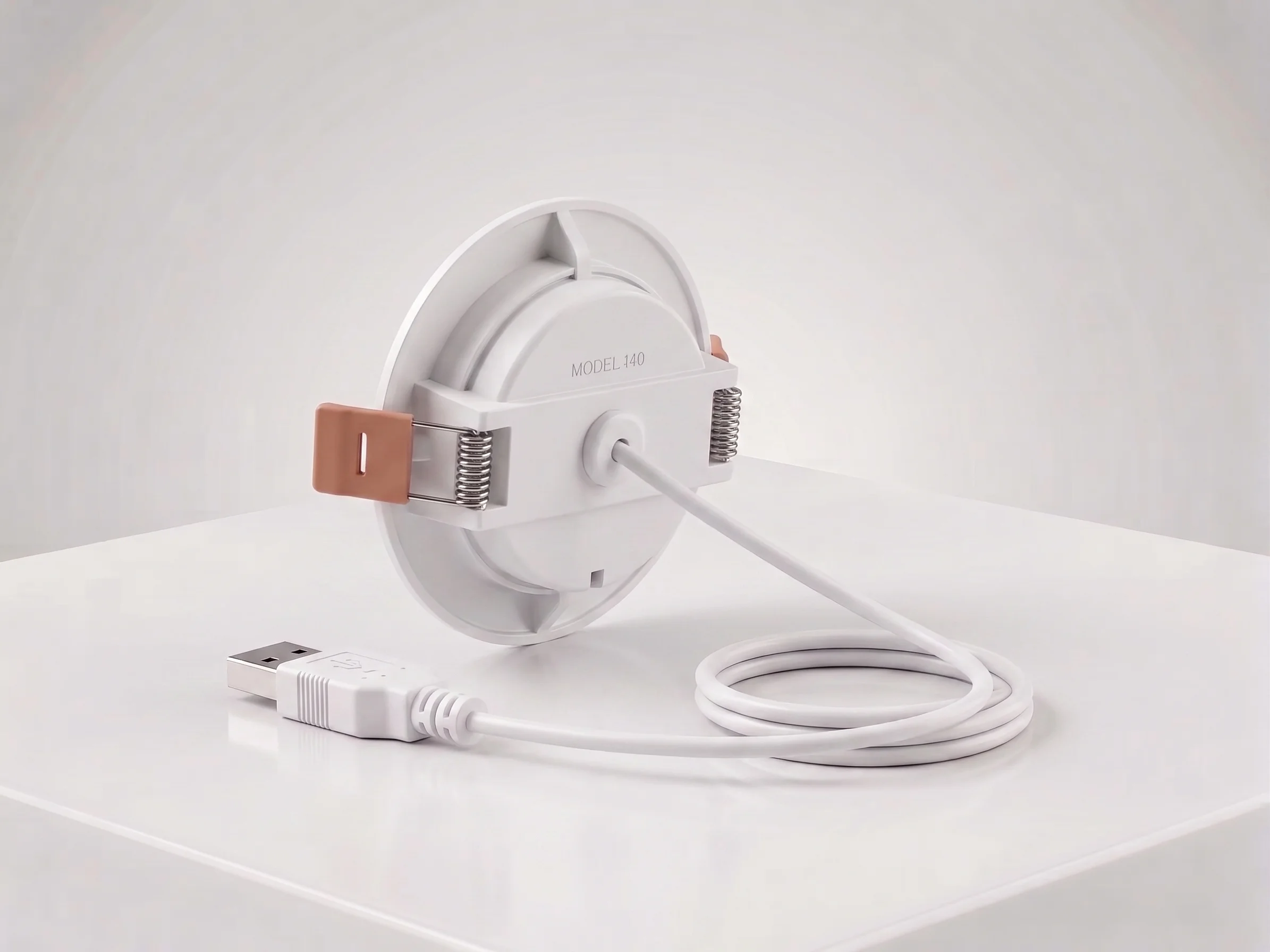
مستشعر وجود رادار mmWave للسقف — Matter over Thread
مستشعر وجود سقفي رادار mmWave عريض النطاق 24GHz مع كشف الحركة حتى 10m والحركة الدقيقة 2.5m والتنفس، زاوية 120°، DC5V، متوافق مع Apple Home وGoogle Home وAlexa.
تشير هذه الصفحة بالفعل إليه كمرجع تالٍ موصى به.
حلول ذات صلة
1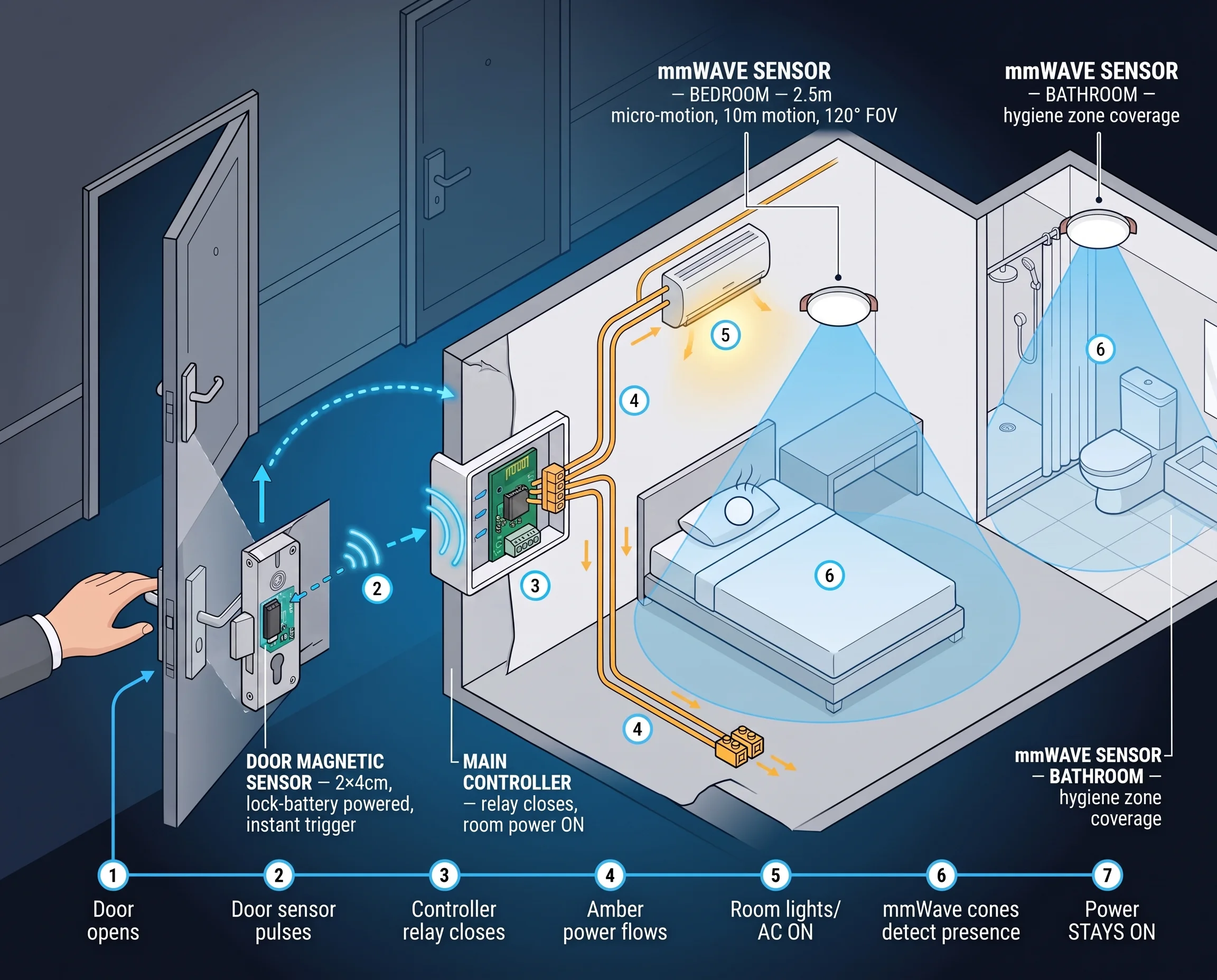
حل مستشعر إشغال وحركة غرفة الفندق
مستشعرات حضور برادار mmWave لإشغال غرف الفنادق وجدولة خدمة الغرف وتوفير طاقة تكييف الهواء. اكتشف الإشغال الحقيقي — حتى عندما يكون النزيل نائمًا — مع مستشعر حركة غرفة الفندق السقفي لدينا.
إنه يدعم نفس سياق المنتج: مستشعر الحضور البشري بالرادار mmWave للسقف — Zigbee, مستشعر حضور بشرلي رادار mmWave للتثبيت السقفي — WiFi, مستشعر وجود رادار mmWave للسقف — Matter over Thread.
مقالات المدونة ذات الصلة
3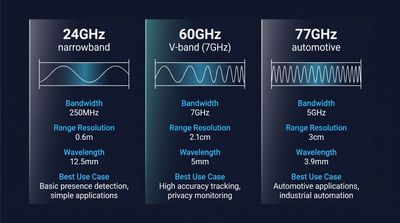
مقارنة مستشعرات 60GHz و 24GHz و 77GHz mmWave: اختيار التردد المناسب للكشف عن التواجد التجاري
قارن بين مستشعرات 60GHz و 24GHz و 77GHz mmWave للكشف عن التواجد التجاري. المواصفات الفنية، نطاق الكشف، الخصوصية، وإرشادات توريد OEM.
إنه يدعم نفس سياق المنتج: مستشعر الحضور البشري بالرادار mmWave للسقف — Zigbee, مستشعر حضور بشرلي رادار mmWave للتثبيت السقفي — WiFi.
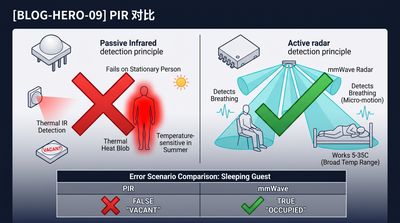
ما هو مستشعر الحضور الإلكتروني؟ التقنية والدقة وكيف يختلف عن مستشعر الحركة
تعرف على ما هو مستشعر الحضور الإلكتروني، وكيف يكتشف البشر الثابتين، وكيف يختلف عن مستشعر الحركة PIR. يغطي الموجات المليمترية والدقة وحالات الاستخدام.
إنه يدعم نفس سياق المنتج: مستشعر الحضور البشري بالرادار mmWave للسقف — Zigbee, مستشعر حضور بشرلي رادار mmWave للتثبيت السقفي — WiFi, مستشعر وجود رادار mmWave للسقف — Matter over Thread.
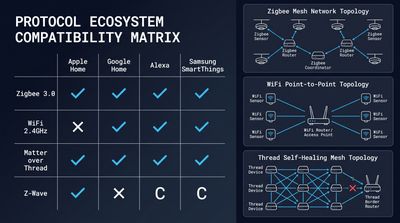
تكامل مستشعر الحضور مع Home Assistant وHomeKit وSmartThings
كيفية دمج مستشعر حضور mmWave مع Home Assistant وApple HomeKit وSamsung SmartThings وAlexa. دليل إعداد مستشعر حضور Zigbee وWiFi وMatter لأتمتة المنزل الذكي.
إنه يدعم نفس سياق المنتج: مستشعر الحضور البشري بالرادار mmWave للسقف — Zigbee, مستشعر حضور بشرلي رادار mmWave للتثبيت السقفي — WiFi, مستشعر وجود رادار mmWave للسقف — Matter over Thread.
حدد مشروع فندقك مع مهندسينا
أخبرنا بعدد الغرف ونوع السقف والبروتوكول المفضل. سنعود إليك بخطة عينات وعرض سعر خلال 24 ساعة عمل.
- انتقل من الإرشادات العامة إلى نقاش حول المنتج أو التطبيق.
- استخدم RFQ عندما يحتاج التسعير أو الرسومات أو MOQ أو توقيت الإطلاق إلى هيكلة.
- أبقِ مسار اتصال مباشر ظاهرًا للتوضيحات السريعة والتسليم.